


2018 NUOVE CATEGORIE
Sport Tales
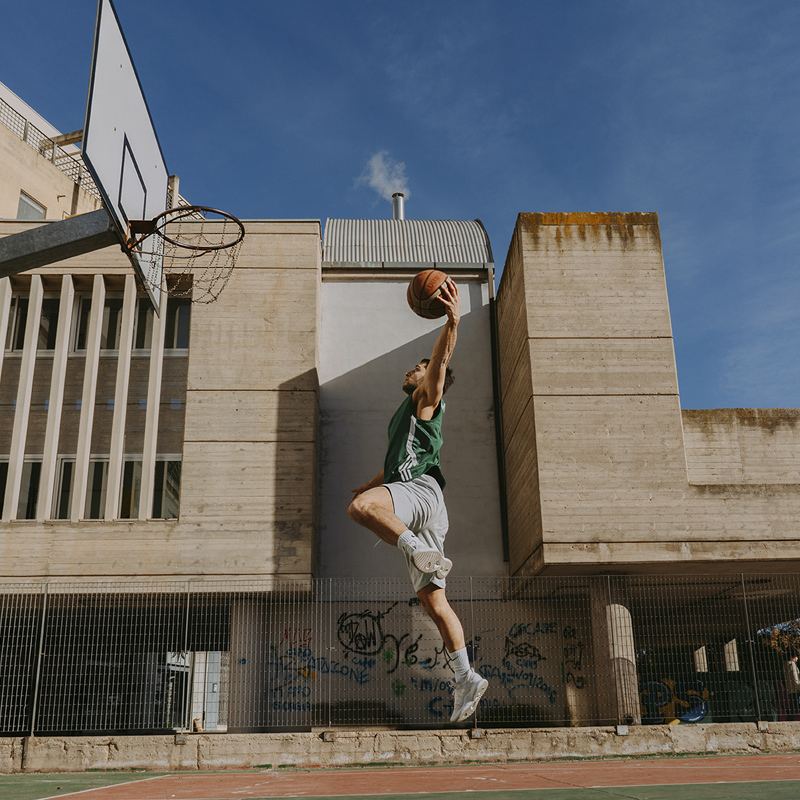
While taking part in sport is good, talking about it is even better. Sport Tales is a programme of initiatives which link sport, commentating and culture in the streets of Matera. Young sportspeople from across Europe will take part in two youth soccer and basketball tournaments (Coppa Scirea and Minibasket in Piazza), while off the pitch the athletes, their parents and sports coaches can learn about different types of sports commentary, from traditional ones to posts on social media.
AltoFest Matera Basilicata 2019
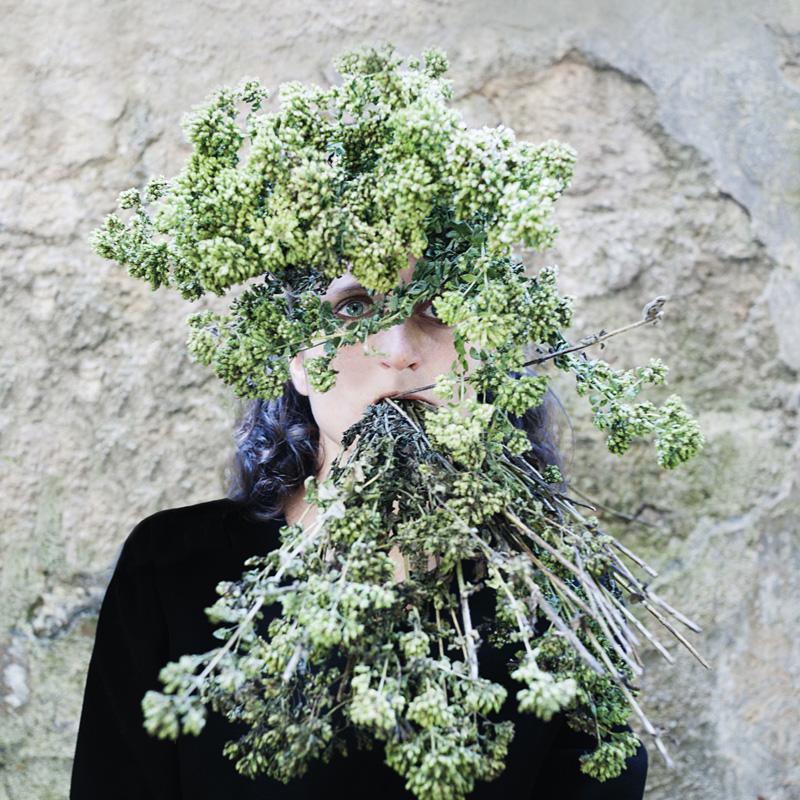
"Abitare Futuro" is the theme inspiring this Altofest special edition. From 4th of November to 8th of December, over 26 international artists with performances in 11 towns of Basilicata Region, in 5 different areas, will be hosted by residents in their houses, which then become venues that welcome audiences.
Mediterranea
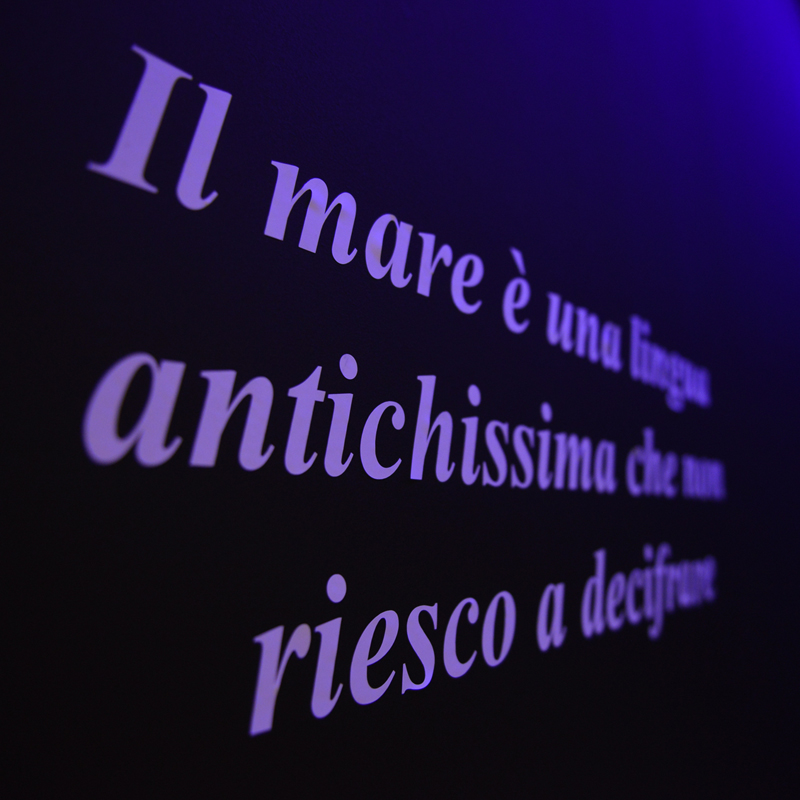
'Mediterranea' is an exhibition that tells of the history, beauty, populations and myths of this sea continent, but also of the pitfalls and contrasts that menace it today. The itinerary will represent the Mediterranean in all its complexity, through the narration of its history using unique satellite images, photos, videos and site-specific installations with an extraordinary emotive impact.
Duni Europa
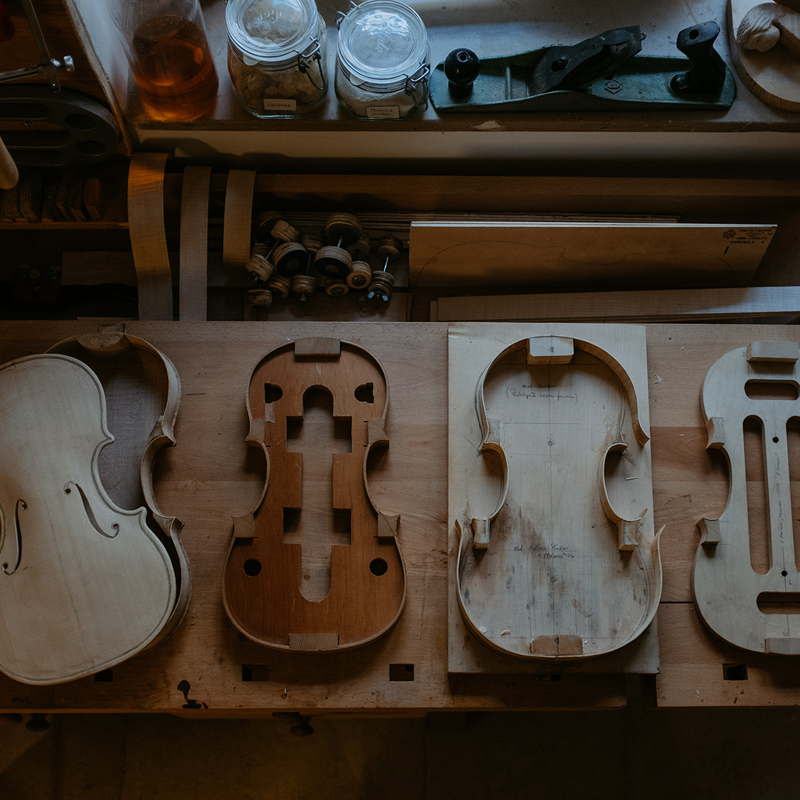
Can classical music be made popular and accessible to everyone? This is the challenge set by the project DUNI EUROPA, to be tackled with the help of a prestigious institution – the Egidio Romualdo Duni Conservatoire. Musicians from the Duni Conservatoire will gather in the marquee that will host the events of Circus+ and entertain the community with the most famous pieces of classical music.
Matera Residencies 2019
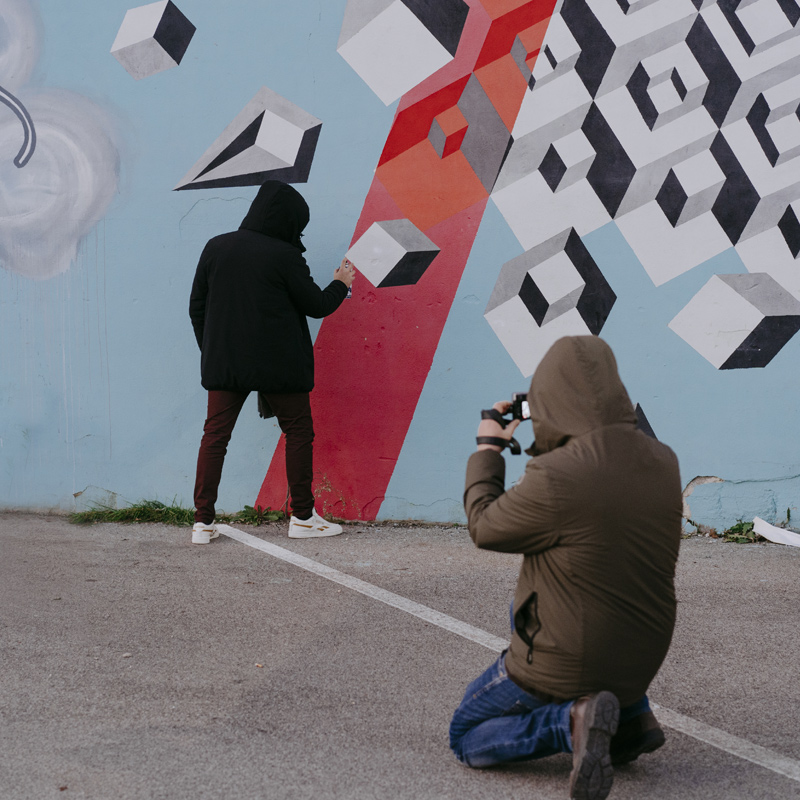
In 2019, sharing is really easy: it’s done online using images, texts, videos, and sometimes with the sound of your voice. But how many people would be brave enough to go offline and share their home?
Robert Vignola, From Trivigno To Hollywood - From Music To Films
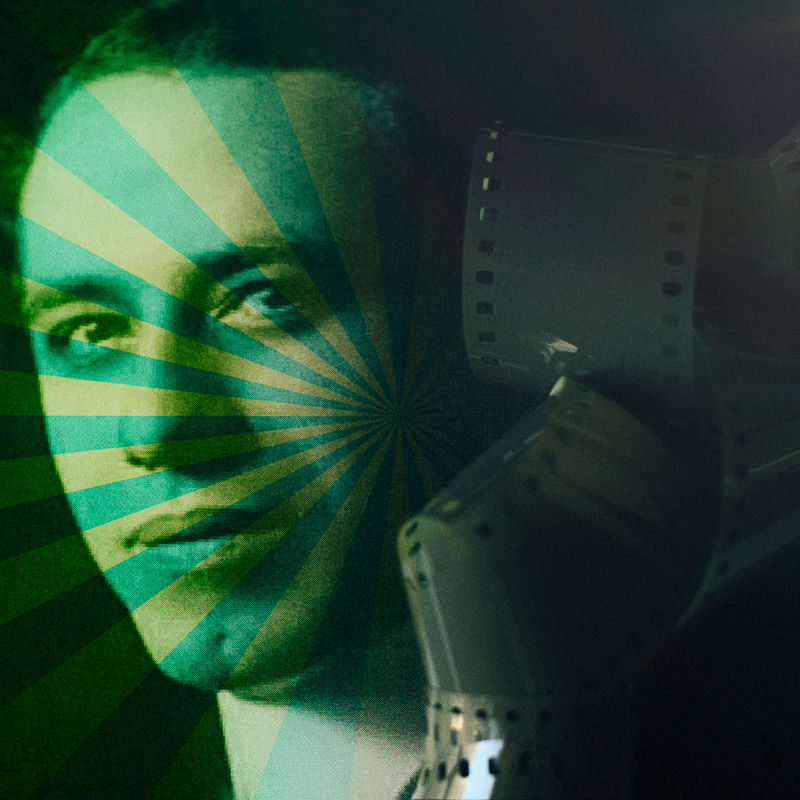
Before the advent of sound in film, in the early 1900 there was a different kind of cinema, where mime was the protagonist and the actor’s bodies were the language. Those were the years of silent movies, and one of the most prolific directors in that period was Robert Vignola, whose real name was Rocco Giuseppe Vignola, born in Trivigno. A giant bloomed in Hollywood, who always remained faithful to his background. This land now pays a passionate and affectionate tribute to him which will continue this year, with a day dedicated to Vignola and his movies.
Soul And Tradition
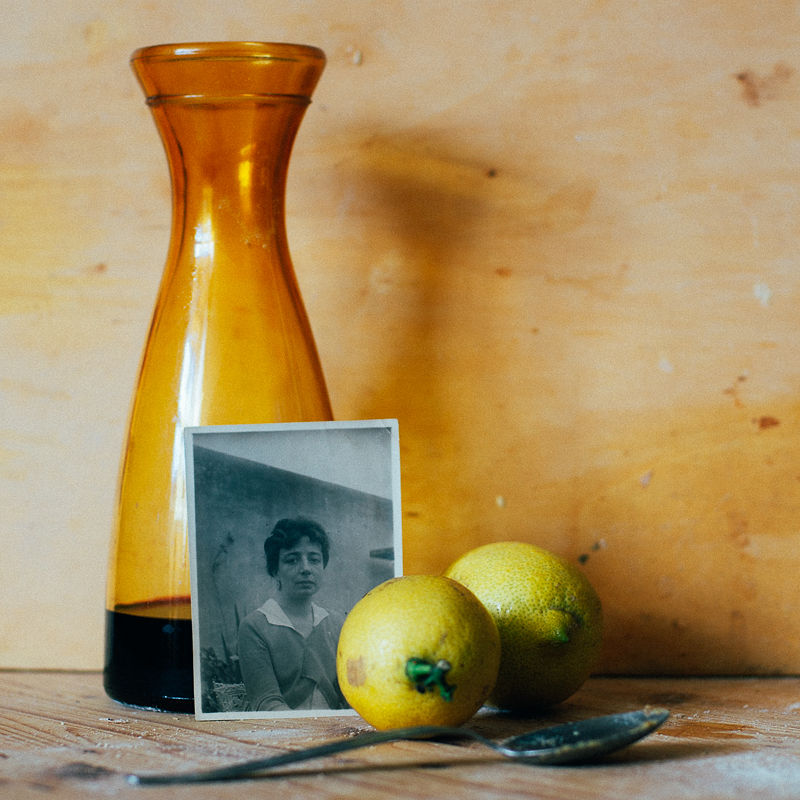
The hill range of Sheshë rises on the north-east side of Barile, with its many tuff caves, once used as cellars for producing Aglianico wine, and at the same time a place where people could share their everyday life. A custom representing Barile’s history, the soul and the tradition of the town. 'Soul and tradition' is the name of the event that recalls the community’s recent past and its distinctive identity called arbëreshe.
The Numistro Battle
In the future, everybody will be famous for 15 minutes, said Andy Warhol in the Sixties.
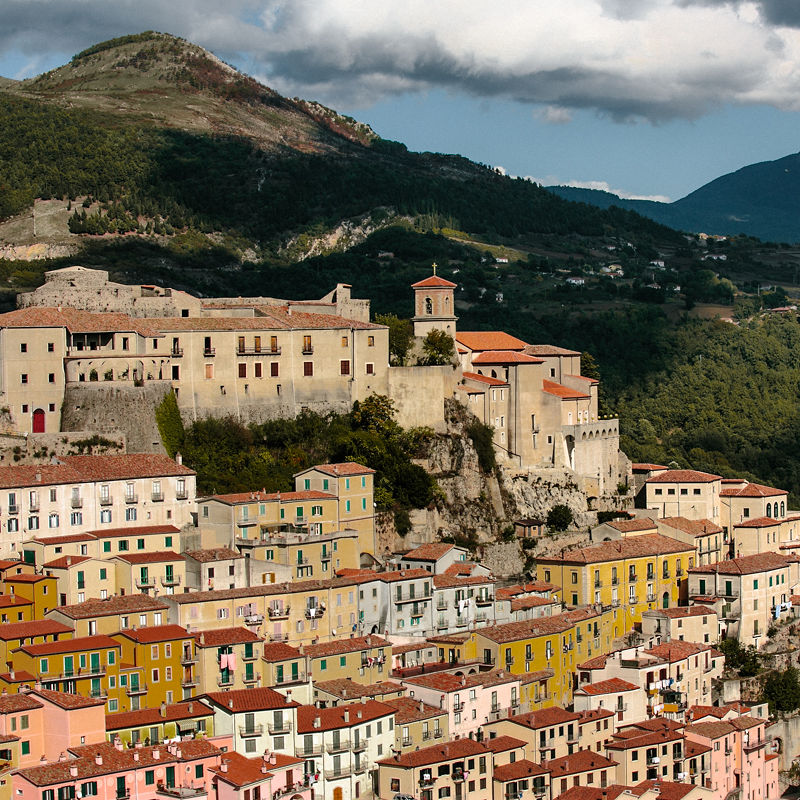
In Matera every town will be Capital for one Day, we can say; and Muro Lucano will respond to this in September 2019, when the entire community will take part in the organisation and the staging of events regarding the Battle of Numistro, during which the Roman Army faced Hannibal’s Carthaginian army on the battlefield.
The Enchantment Of The Tales And The Great Fairytale Ball
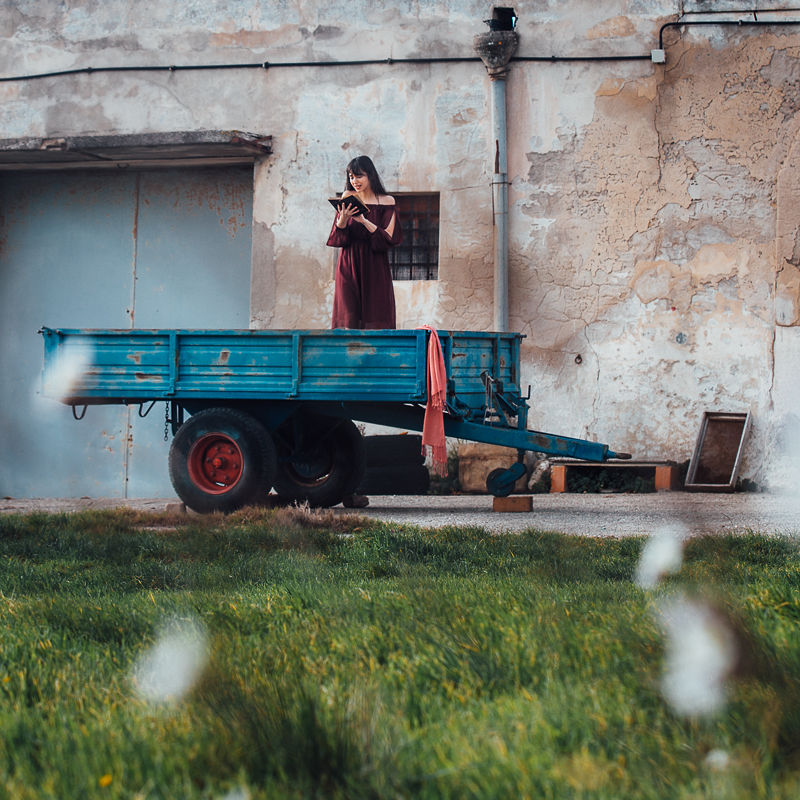
Like a new Cinderella The Cat, Rapone turns into a Capital for a Day just like the famous princess from Basile’s fairytale, to deliver a magical experience of the Tale of Tales to everyone. Taking inspiration from Giovan Battista Basile’s collection, the project 'The enchantment of the Tales and the Great Fairytale Ball' foresees the creation of a magic journey through the village’s streets.
Lucania History Tales

The project involves the realisation of a cycle of murals (5/6), starting from the entry doors to the town, and representing the most important moments of Basilicata’s social, political and cultural history. The initiative has several phases and will develop during the months before the date set for event realisation.
"The Heartbreaking Story Of The Gallicchio Shepherd "
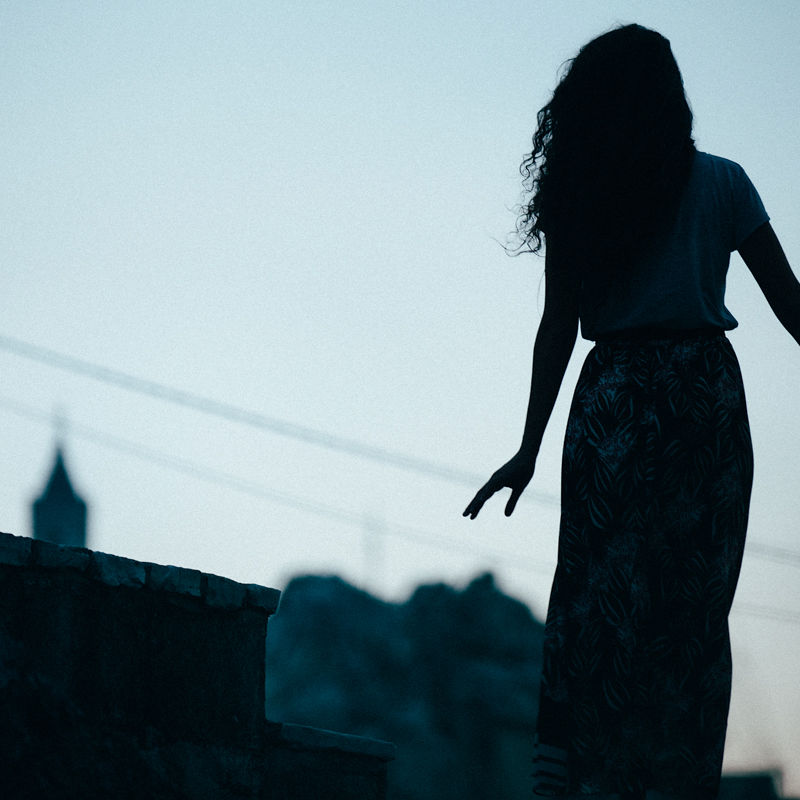
The people of Gallicchio will play a love story under an enchanting moonlight in September 2019. The 'Gola' will be the spectacular natural setting, where the Egyptian vulture, the Grifon and the Great Kite, lay their eggs every year. The ancient Andean legend, written by Hérnan H. Mamani tells the story about a young Shepherd who falls in love with a star and reaches it by flying on the wings of a bird of prey. They call him Gallicchio because of the feathers on his hat. It is a tale about the relationship between nature and its heart, about how the places we live in can determine our aspirations and our future.
Creative Basilicata
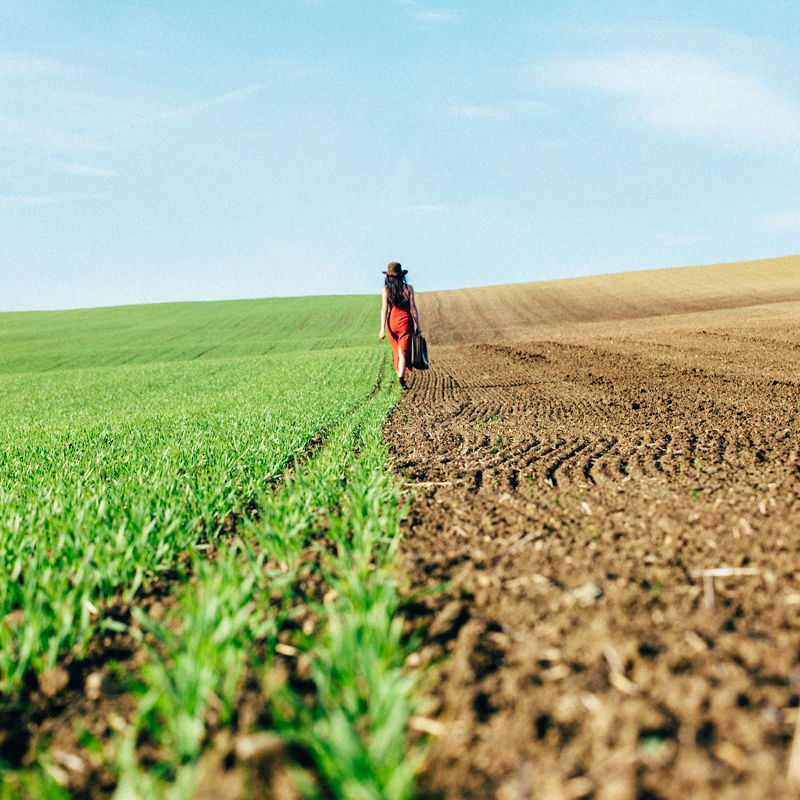
Towns that interact, people who meet, roads that intersect. A harmonic fairy dance, full of suggestions. This is the challenge for Abriola, Tursi, Trecchina and Sarconi, four towns representing the 'Angels of the Basilicata', and promoting the regeneration of itineraries and tours which are the foundations of the Basilicata’s identity, in order to enhance the cultural and traditional heritage.
Tales Plot The Slowness Of Escape
A place is never on its own 'that place', we are also a small part of that place. Antonio Tabucchi wrote these words in his 'Trame di racconti. La lentezza della fuga' (Tale plots, the slowness of escape). Coming from this quotations from the work of another writer will be explored: 'Ventunora a Sant’Arcangelo', by Nicola Sansanelli from Ventuora a Sant’Arcangelo.
BorgArtFest
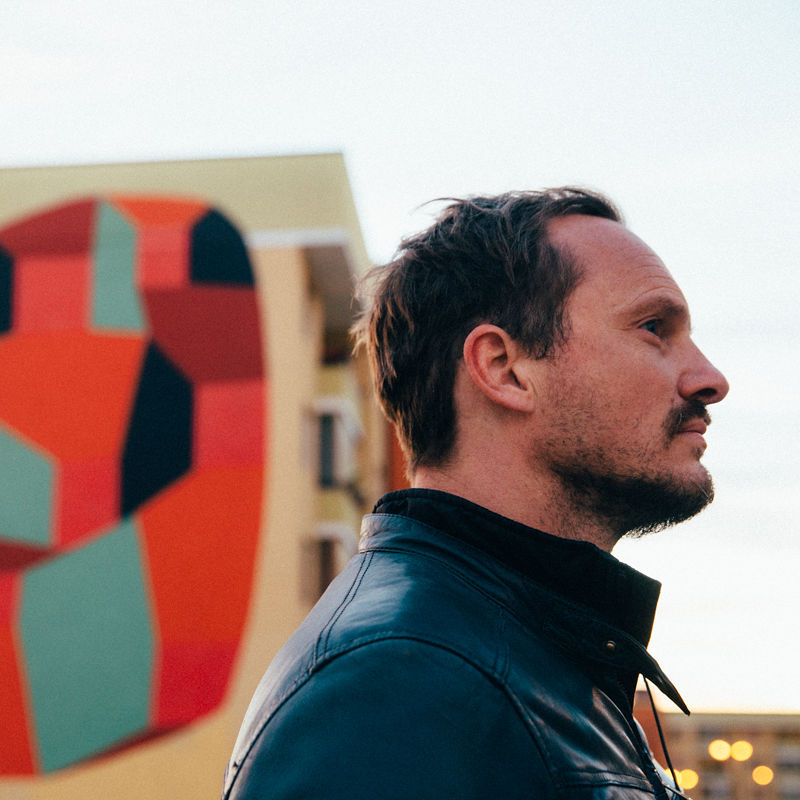
BorgArtFest, a project that arose from the idea of creating a public art festival in the historic core of Montalbano Jonico, consists mainly of modernising some areas of the borough that have been abandoned and neglected in order to regenerate urban spaces using “street art” such as murals and transform street furniture according to the vision of street artist Tom Bob.
The Streets Of Crossed Stories
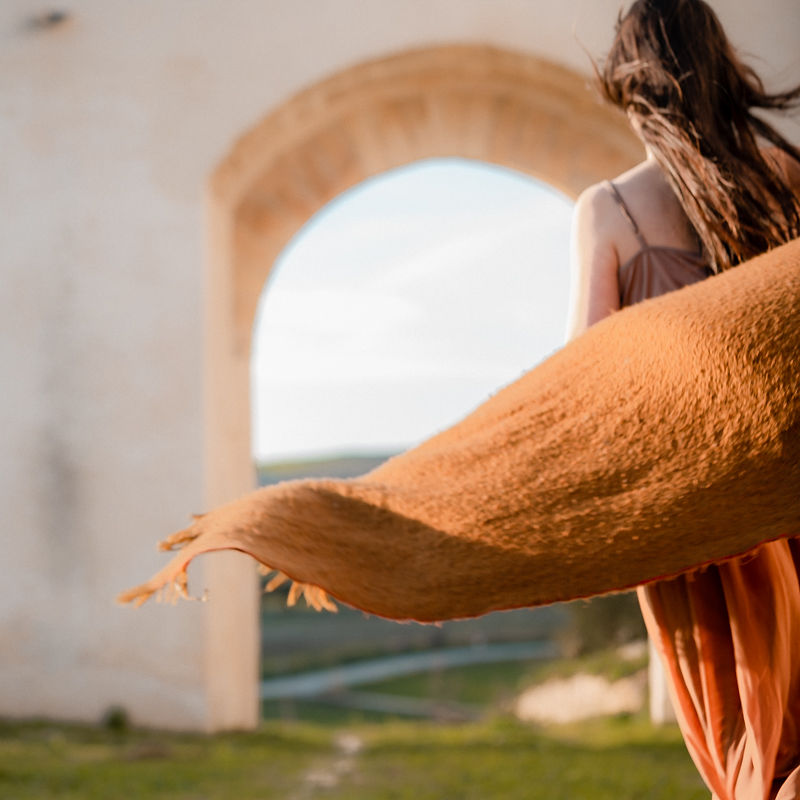
Stories are everywhere, all around us. The secret is to learn to find them, to read them and to listen to them.
This is why the project 'The streets of crossed stories' involves artists’ residency which is divided into two phases: the first one will be silent, the artists will only have to listen. The residents of Miglionico will talk, the young people, the families, the elders, invited to tell true or passed down stories of the people’s tradition.
Truccù iàmm...truccù iànn
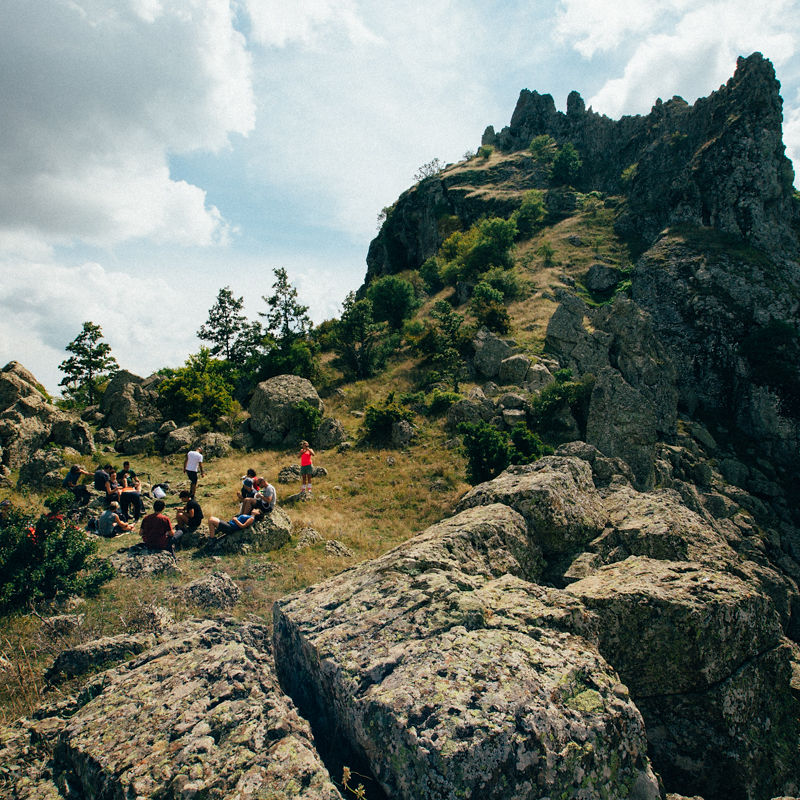
The enchanted river. This is the name of the valley of San Giorgio Lucano since it was nominated as a cultural asset of the region of San Giorgio Lucano. Val Sarmento owns a rich treasure of stories, traditions, music and rituals. The river meanders through the green slopes, carrying its colours, its sound and the magic of its landscapes, describing the territory, the culture and its inhabitants through its hypnotic flow.
An Original Cultural Melting Pot
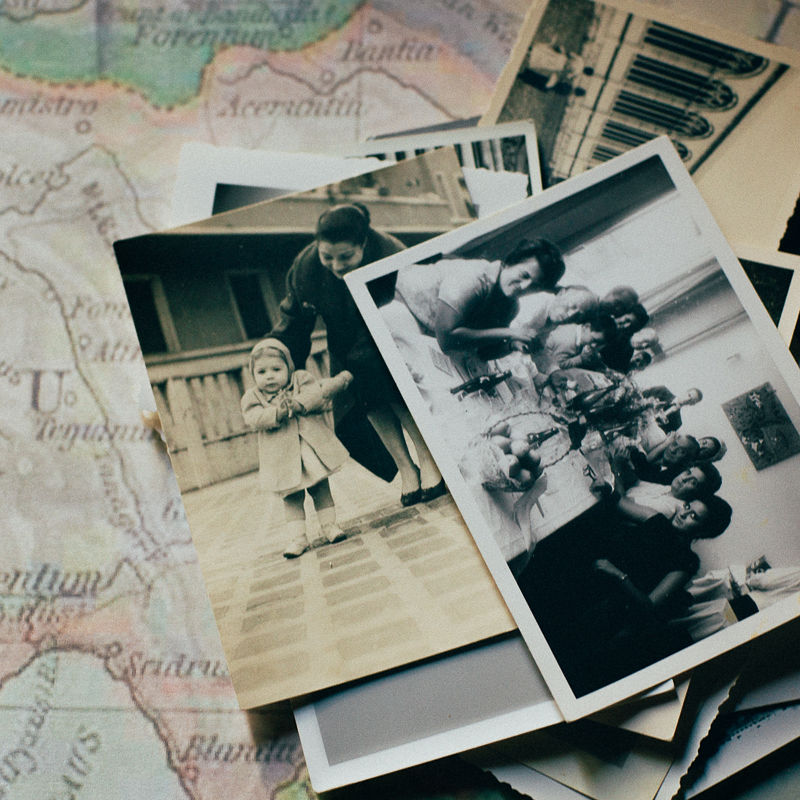
Atella has always been a model of solidarity. Between 1320 and 1330, Giovanni D’Angiò proposed the abolition of taxes for whoever wanted to move to the Vitalba Valley area. Nowadays Atella is a cultural identity melting pot, a community which animates the city thanks to the project 'Atella: an original cultural melting pot'.
Laucca – Shared And Open Artistic Human Workshop
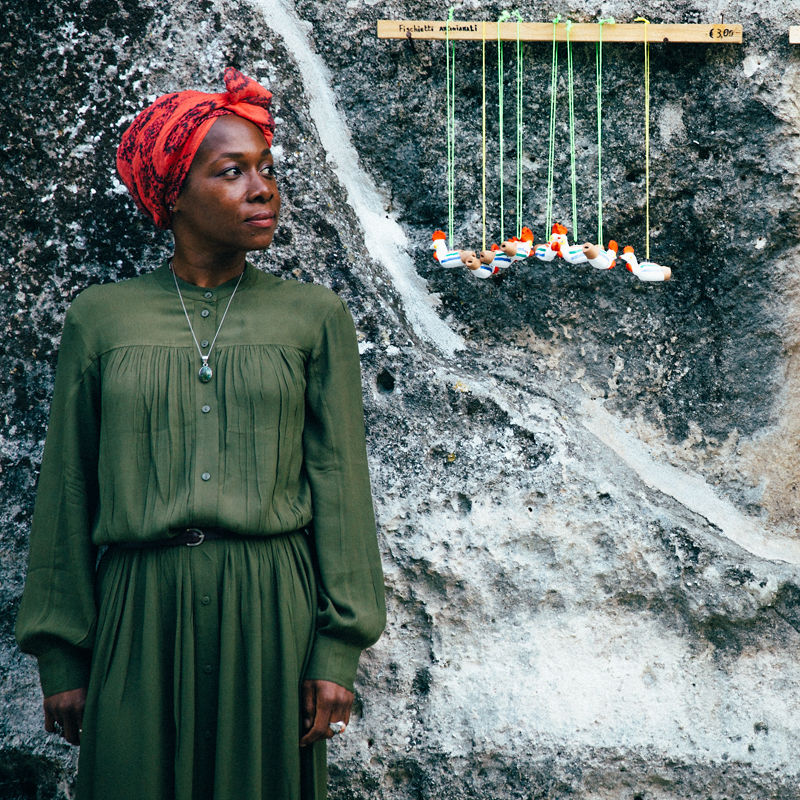
An ancient and new way of linking: dances, maps, itineraries in order to go back to being citizens.
LAUCCA is a long-term civic project which involves the Castelmezzano and Pietrapertosa municipalities. First of all, the population is invited to realise a cartographic representation of the territory– an artistic chart, which is not used for orientation but to build a shared collective portrait.
A Vijë A Vijë: Voices And Paths Of The State Of Noia
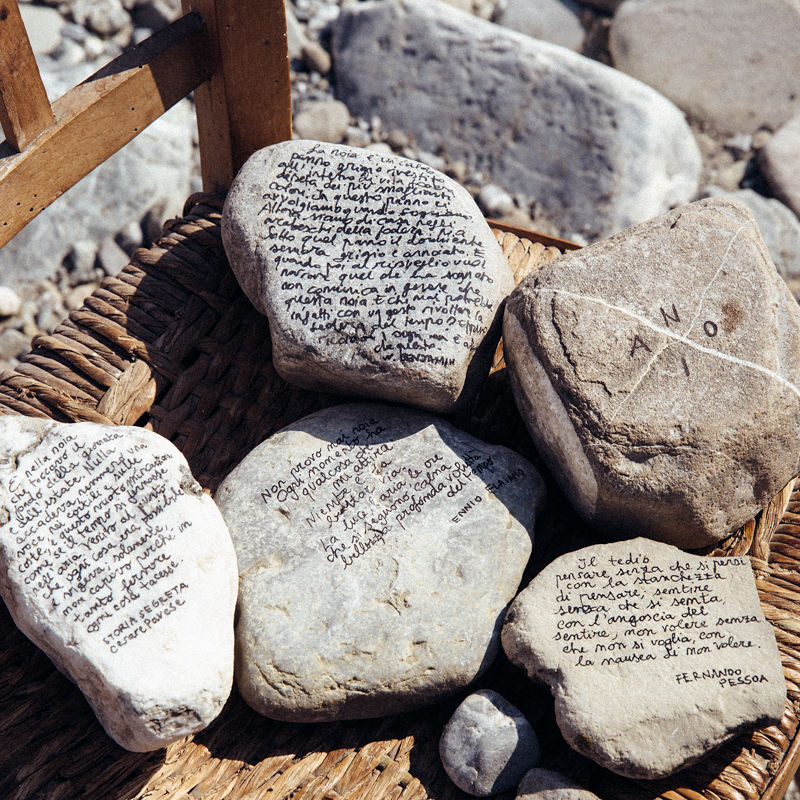
'Boredom, boredom, boredom!' Sandra Mondaini used to say in her bed in the famous Italian sitcom Casa Vianello, but the truth is it appears that boredom is the key to creativity and to have nothing to do often brings brilliant ideas. People from Noepoli know it well, with the project 'A vijë a vijë': voices and paths of the State of Noia will use the ancient name of the feud which also includes the present area of Noepoli, once Noja (In Italian 'Noia' means 'boredom') – to recall the restless sensation of boredom.
Reloaded 2019: The Tradition That Travels In Time With Music
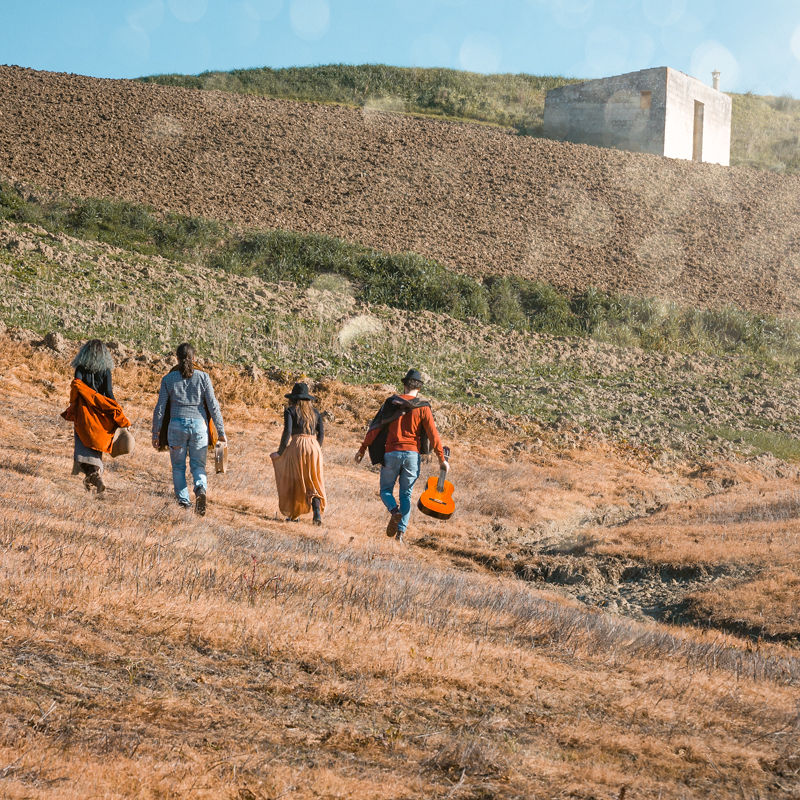
The recipe for Reloaded 2019 includes three fundamental ingredients: good musicians, the most significant and symbolic places in Lavello and Montemilone and their people.
The final result will be a musical festival with a strong focus on its creation, a perfect mix of traditional folk music, made with barrel organs, tambourines, dances and the new languages that come from the latest technology.
Think with your feet
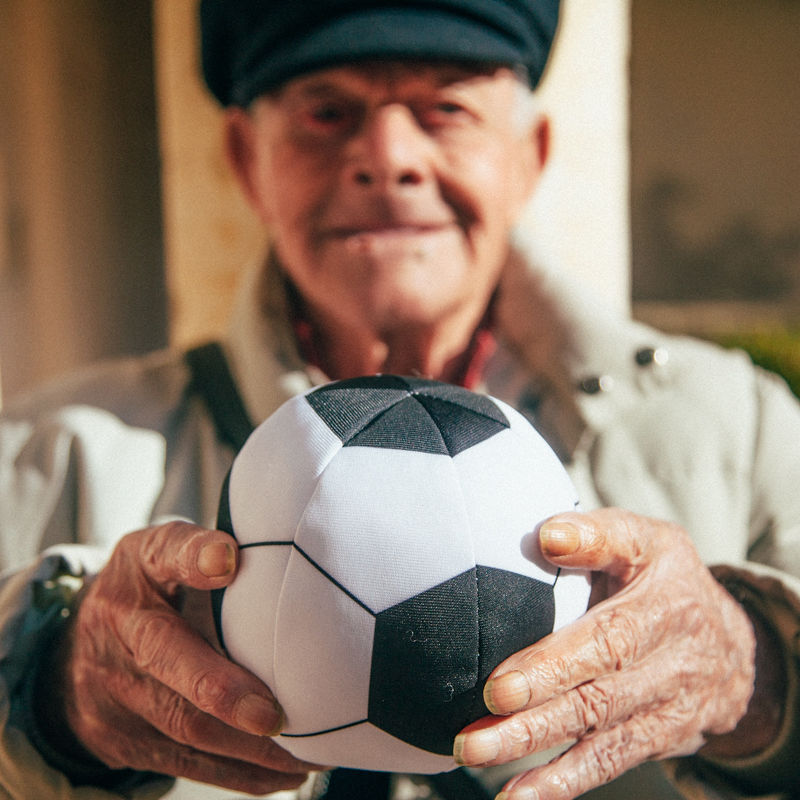
The ball and books intertwine for a European event that combines football and literature. On the pitch of the Alfredo Mancinelli municipal stadium in Tito, four international writers (from Italy, Germany, England and Sweden) will compete in the 2019 edition of the Writers League.
Water Stories
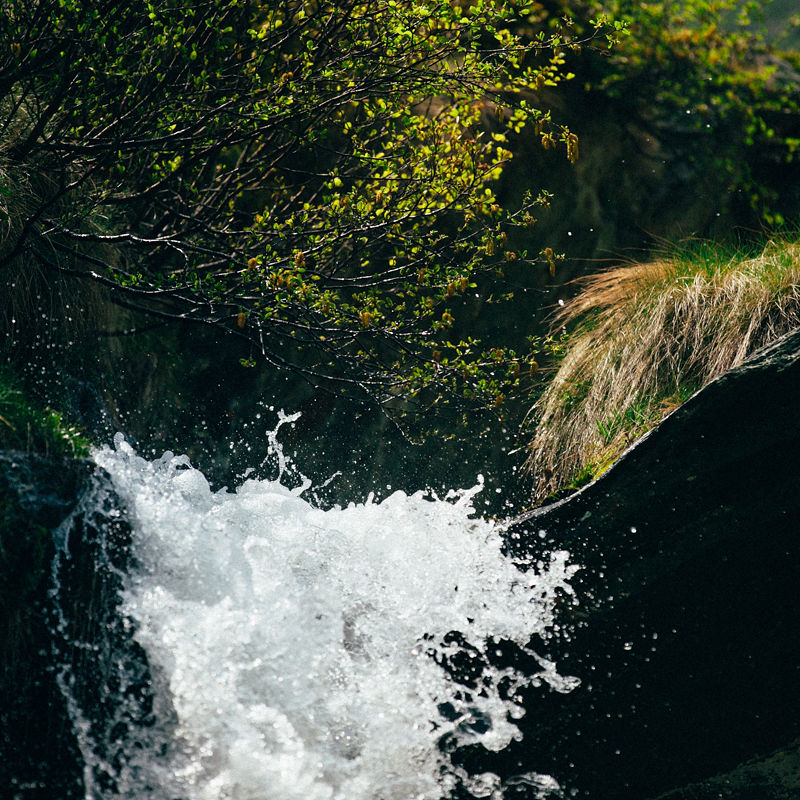
There was a time when bread was baked in a common oven, when clothes were washed in the same water, and the days were divided by precise and collective tasks. The water stories project wants to recall the slowness of those rhythms and the authenticity of traditions through a number of initiatives dedicated to the recovery of old values and manual activities. Latronico and its precious peculiarities will be the protagonist of these two days, especially the manual activities (such as the puntino ad ago, the typical embroidery technique from Basilicata nominated by UNESCO as worldwide heritage), the natural resources (such as the Calda di Latronico water) and its history (to discover during the visits to the historic pluming factories).
"A Journey Through Stories And Visions "

All stories are visions from the past, or anticipations from the future. During its Day as a Capital, Palazzo San Gervasio wil start a journey through stories and visions which include music, images, video maps and new technologies. On 15th and 16th June, the community of Palazzo San Gervasio will be involved in three storytellings and in the sharing of: A journey between stories and visions.
Word Format
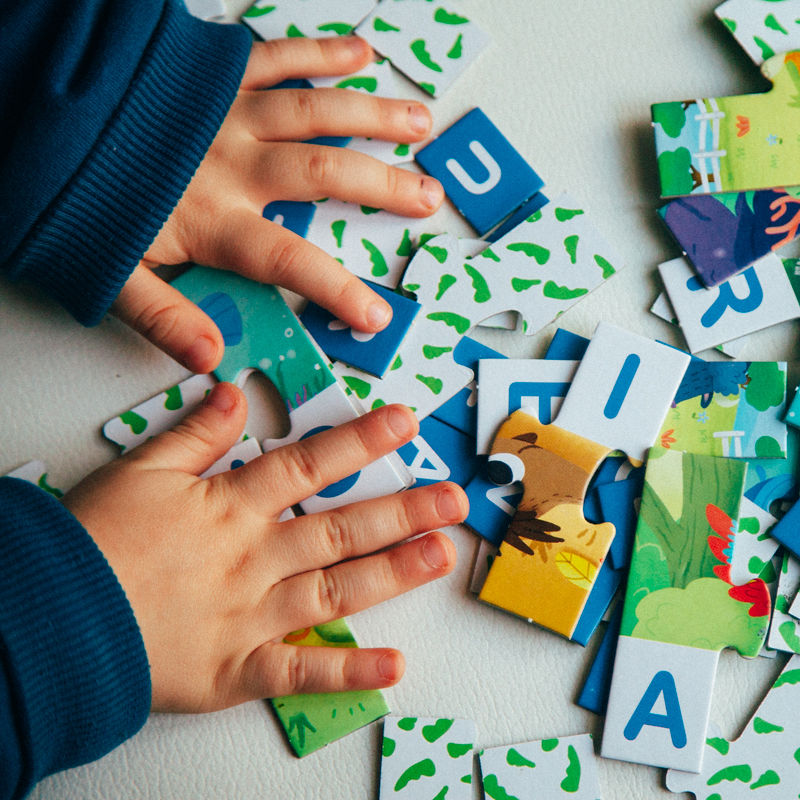
A celebration of words.
Fardella has worked for years on its vocabulary, but today it opens its doors to visitors within a festival over three days of workshops, author meetings with scholars and open celebrations, such as the conferment as an honorary citizen to Andy Donato, a Canadian cartoonist whose father was from Lucania and who was born in Fardella himself.
Roti Land: Land Of Popular History
In the same way men’s wisdom is hidden behind the wrinkles on their faces, the cities relive the secrets of their past through the remaining relics.
The town of Ruoti celebrates its identity starting from the customs and traditions of its society, in order to tell the guests the identity of a community, born in the 6th century BC and which is deeply anchored to its origins, but still looks to the future with trust.
I bow to the stones
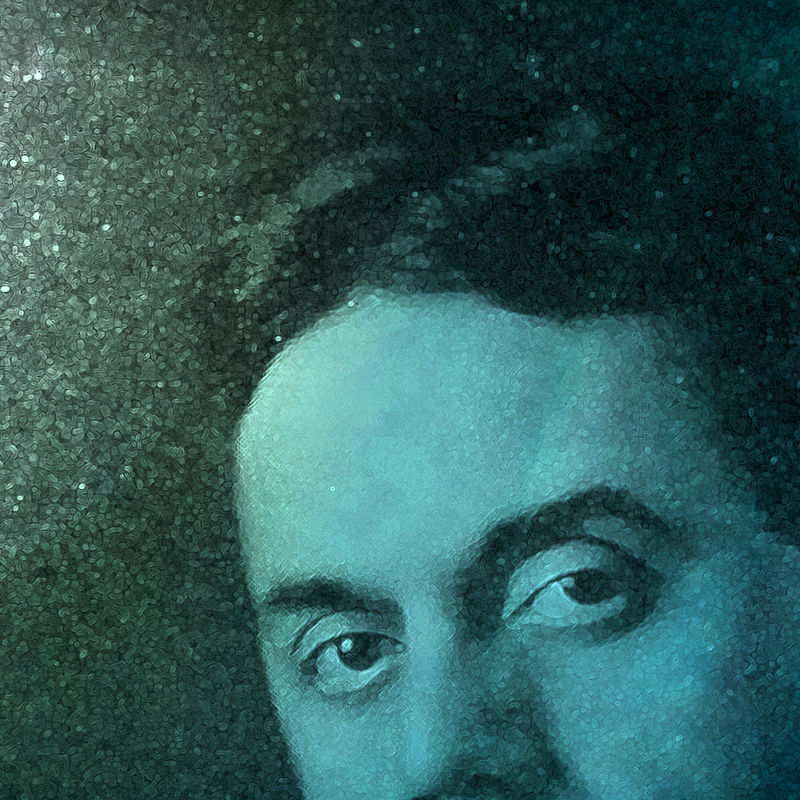
There is an unwritten rule at Stigliano: failure and disappointment exist, but the important thing is how to face them. Dignity and resilience, not by chance, are two characteristics that identify the inhabitants of the place and who, during the candidacy of the Matera 2019 - Capital for a day project, will be honoured by remembering one of Stigliano’s most illustrious citizens: Jimmy Savo.
Un atlante del paesaggio rupestre
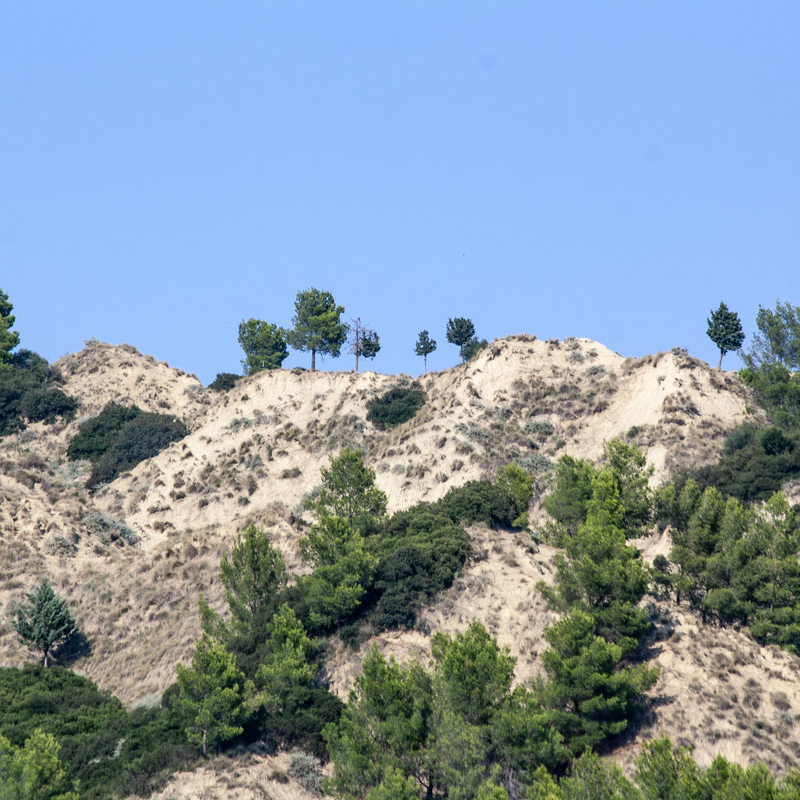
Il progetto promosso da Arci Basilicata in collaborazione con Arci nazionale, prevede la realizzazione di una residenza con l’obiettivo di costruire una narrazione visiva del paesaggio rupestre tra Matera e Montescaglioso. Attraverso un’open call internazionale lanciata in collaborazione con la BJCEM – Biennale dei Giovani Artisti del Mediterraneo, verranno selezionati tre artisti under 35 attivi nell’ambito del disegno, della grafica e dell'illustrazione under 35 che saranno ospitati a Matera per un mese con lo scopo di costruire, attraverso un bagaglio di suggestioni, racconti e narrazioni storiche o immaginarie, un piccolo atlante del paesaggio rupestre che separa Matera da Montescaglioso.
Il paesaggio della Murgia materana è popolato da innumerevoli luoghi di culto scavati nelle roccie, per secoli popolati da gruppi religiosi, pellegrini ed eremiti. La relazione secolare e la coabitazione tra uomo e natura aspra costituisce un palinsesto di suggestioni notevole per la realizzazione di una residenza che si fonda sulla necessità di praticare il territorio per raccontarlo.
La residenza sarà l’occasione per attivare un laboratorio di illustrazione con un gruppo di richiedenti asilo e rifugiati accolti presso i progetti di accoglienza SPRAR gestiti da Arci Basilicata. La raccolta di storie ed immagini, di fantasie e di fiabe della narrazione orale, comporranno il background per la creazione di un piccolo atlante, una ricognizione di sassi, storie, leggende nascoste.
Azioni previste durante la residenza:
- Prima fase della residenza degli artisti: orientamento, incontri con esperti del territorio e punti di riferimento della comunità locale
- Camminate partecipate tra Matera a Montescaglioso. Si prevede di realizzare due camminate-laboratorio con la partecipazione di esperti del territorio (da antropologi a geologi, da naturalisti ad archeologi o semplici camminatori) e con un gruppo di richiedenti asilo e rifugiati.
Gli esiti finali della residenza saranno oggetto di una mostra finale e di una progetto editoriale collettivo realizzato ad hoc dagli artisti.
Gens - Mutazioni
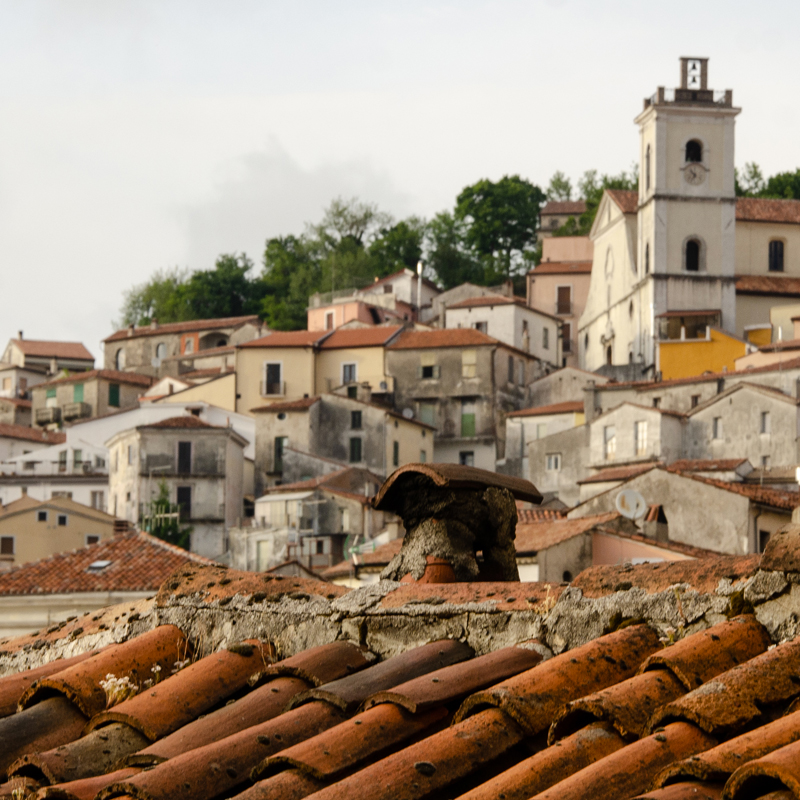
Fotografie dal passato, immagini dal futuro: Gens - Mutazioni è un lavoro collettivo di recupero del patrimonio fotografico del comune di Rivello che si svolgerà nei mesi di luglio e agosto 2019 e culminerà in una mostra e in un vero e proprio album di comunità consultabile online. Il progetto è fondato sulla collaborazione e l’interazione tra gli organizzatori, i partner, l’artista o operatore culturale scelto e la popolazione di Rivello.
A Rivello, come in molti piccoli centri abitati è diffusa l’idea di aver avuto un passato glorioso contro un futuro che si mostra sempre più desolato. Vogliamo cogliere questo sentimento e volgerlo al positivo. Siamo partiti dalla constatazione di quanto, a partire dai social network, sia diffusa l’esigenza di condividere le immagini del passato. Il progetto mira a dare a questi episodi isolati lo slancio e la perseveranza per diventare autentici momenti collettivi, crediamo che la riscoperta e la narrazione del passato comune possano riportare i rivellesi a comprendere meglio il loro presente ed aprire una riflessione sul futuro della comunità.
Il lavoro principale verrà svolto dai due artisti internazionali che risiederanno nel centro storico di Rivello, la prima fase consisterà in un’opera di ricerca e analisi del repertorio fotografico indagando il lavoro svolto dai fotografi che hanno frequentato il paese nei decenni passati e chiedendo agli abitanti di aprire i loro album di famiglia. Saranno quindi scelti gli scatti più rappresentativi che possano costituire il primo capitolo di quest’album fotografico collettivo, digitalizzato e tramandabile. Gli artisti, chiamati a questa prima attività, saranno a stretto contatto con la popolazione, entreranno nelle case e percorreranno i luoghi di cui le fotografie sono testimonianza. La fase di ricerca lancerà dunque la seconda fase durante la quale gli artisti raccoglieranno le testimonianze del presente immortalando volti, luoghi, paesaggi, storie.
Da un’attenta osservazione di quello che è stato si può immaginare quello che sarà. Gli artisti inizieranno a porre e a porsi delle domande sul presente e sul futuro della comunità, futuro sul quale saranno chiamati ad uno slancio di creatività. La residenza artistica terminerà con l’inaugurazione della mostra che racchiuderà tutto il lavoro svolto durante la residenza artistica. Tutto il materiale realizzato, grazie ad un’attenta opera di digitalizzazione, sarà consultabile grazie ad un sito internet dedicato anche dopo la chiusura della mostra.
La radio da quaggiù
La radio da quaggiù è un articolato percorso che dall'esperienza fattuale (il fare manuale, il fare intellettuale) si indirizza all'essenza stessa della radio: la sua immaterialità. La radio è presente nello spazio, lo invade. Supera i confini ma non ha forma, riempie i vuoti.
Stefano Cuzzocrea e Daniel Kemeny, ideatori e curatori del progetto, coordineranno il lavoro degli artisti invitati, ognuno dei quali creerà due differenti opere: una specifica al proprio saper fare; e una nuova, in questo perdere i confini, rappresentata da un episodio radiofonico.
Mezzi, strutture, linguaggi sono liberi. Gli artisti hanno la possibilità di definire la forma a loro più consona: suoni trovati, field recording, registrazioni, suoni con/dal telefono, esperimenti vocali, suoni magnetici, radio magic, radio scultura, wireless happening, sound-art.
Lo scopo è quello di far interrogare gli artisti in residenza sulle possibilità, ancor oggi vive, di un mezzo considerato remoto, vecchio, tradizionale ma che, sempre, sa reinventarsi, sa creare futuro. Ed anche porgli una domanda: quali valori e quali connotazioni assume oggi ill concetto di "tradizione"? Quali "interferenze", dettate dal contesto specifico da cui ci muoviamo ed agiamo, hanno influenzato questa categoria del pensiero?
Le residenze si sviluppano circolarmente con il principio del passaggio delle conoscenze: uno scrittore scrive racconta e analizza il territorio, uno scenografo la trasforma in scena, un musicista suona questa scena come se fosse uno spartito. Insieme a loro, un nucleo fisso di due artisti, guiderà il lavoro radiofonico.
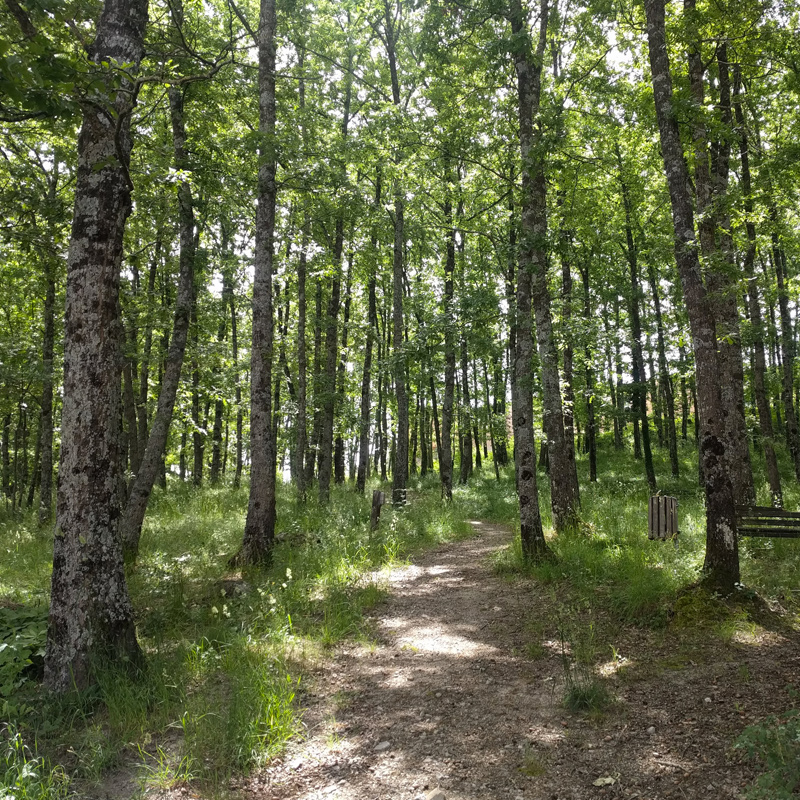
Questa materia così costruita che si poggia sull'esplorazione dei luoghi; la ritualità in parte dimenticata e quella nuova che aggrega "differenti comunità" (i giovani, gli anziani; chi è partito, chi è ritornato, chi non si è mai mosso); la tradizione che senza passione muore, confluiranno in uno spazio finale, conosciuto e condiviso che è il Boschetto Spera: un bosco di cerri da dove è rinato il Rumita, con la Foresta che cammina. Da dove è rinata una pratica tradizionale.
Il bosco, lo stare in un luogo che respira, accoglierà le stratificazioni delle differenti residenze, in particolare la scenografia/scultura vera opera di land art ed il concerto/dj set ed ospiterà una festa.
Icone per il futuro
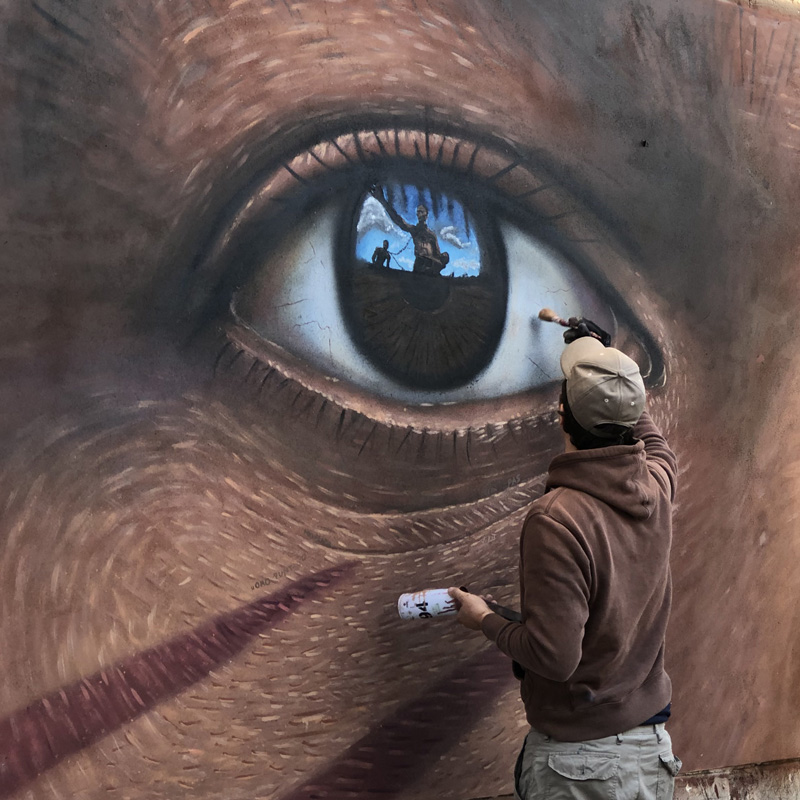
Il Centro Carlo Levi di Matera ha chiesto allo street artist partenopeo Jorit Agoch, ormai attivo in tutti i continenti, di passare due settimane di settembre a Matera per elaborare e dipingere un ritratto-icona di grandi dimensioni sulla testata cieca di un edificio di uno dei quartieri popolari della città. Il soggetto del ritratto sarà scelto insieme ad un gruppo di ragazzi del Liceo Artistico cittadino nel corso della residenza artistica. Dovrà essere una ragazza o un ragazzo che si sono distinti per il proprio impegno nel supportare una causa importante per la propria comunità. Trasformato in gigantesca icona, il suo ritratto potrà ispirare le giovani generazioni ad emulare il suo impegno.
Il progetto nasce da quella che avvertiamo come una necessità per tutto il mondo, ed in particolare per il Sud Italia, dove a problemi mai risolti come la disoccupazione giovanile e la presenza opprimente delle mafie, se ne aggiungono nuovi come lo sfruttamento brutale dei migranti nei campi, l’aumento del divario economico, i danni a paesaggio, ambiente e salute dovuti alla produzione industriale ed energetica. Davanti a tali questioni, purtroppo, si stenta a cogliere l’interesse da parte delle generazioni che vi si scontreranno presto o si trovano già ad affrontarli. Un altro chiaro indice di ciò è l’aumento dell’astensionismo alle elezioni, soprattutto tra i giovani.
Con l’incredibile facilità grazie alla quale un messaggio può oggi raggiungere milioni e milioni di giovani iperconnessi, potrebbe sembrare altrettanto semplice inviare loro input virtuosi e coinvolgenti. Eppure, le nuove generazioni sono per lo più distanti dalla politica, sempre meno scelgono di essere attivisti in campo sociale, pochi aspirano ad essere qualcuno in grado di cambiare davvero il mondo in positivo, preferendo ambire a diventare influencer. Giovani, belli e in grado di influenzare milioni e milioni di giovani, esercitano il loro potere per spingere i ragazzi ad acquistare determinati prodotti.
Per questo speriamo che, attraverso l’arte di Jorit e di altri artisti come lui, possano nascere dei nuovi influencer in grado di spingere migliaia di ragazzi ad essere, anziché consumatori di prodotti, fautori ed attori protagonisti di una rivoluzione civica e sociale in grado di salvare il futuro delle nostre comunità.
Qualcuno che ne carpisca il segreto
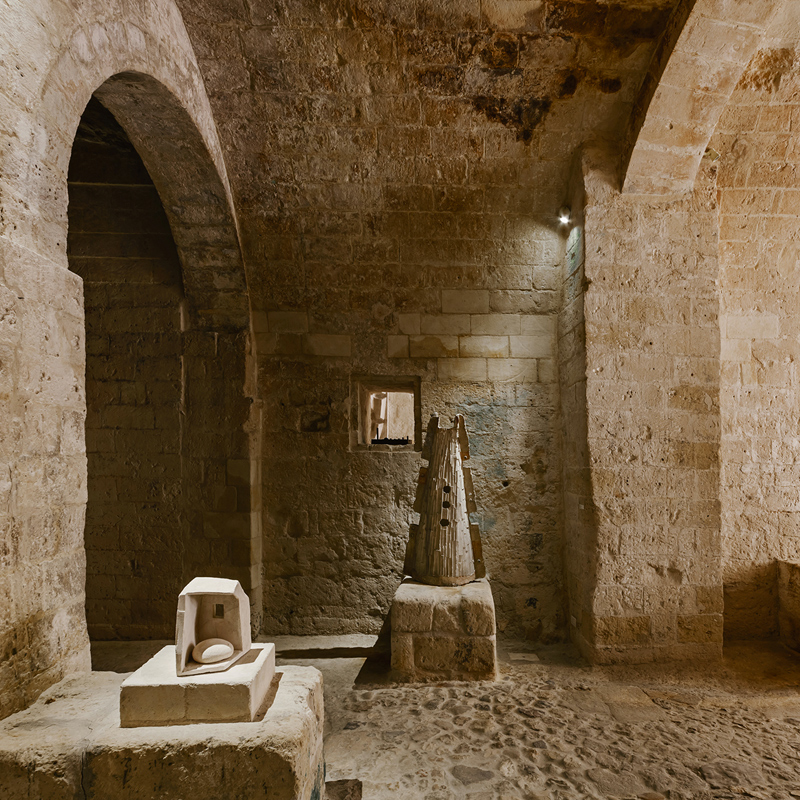
Il 27 settembre 2019 ricorre il centenario della nascita di Maria Lai (Ulassai, 27 settembre 1919), una delle artiste italiane del secondo '900 più note al mondo. Negli spazi del MUSMA sono presenti tre sculture dell’artista sarda e due cancellate da lei progettate e realizzate da maestranze artigiane locali.
L'idea è di allestire una grande opera collettiva che coinvolga i cittadini, prendendo spunto dai numerosi interventi di arte pubblica organizzati e allestiti da Maria Lai nella sua carriera in collaborazione con diverse comunità della Sardegna e del territorio nazionale.
Il legame tra artista scelto per il progetto e comunità sarà rappresentato dalla tecnica artigianale della sartoria. La sartoria come metafora del tenere insieme rapporti consolidati dal tempo e ricucire legami interrotti.
Raffinatissime tecniche di tessitura sono conservate nei paesi della provincia lucana in cui sono state più continuative le commistioni con popolazioni provenienti dall’Oriente. Il progetto trae linfa dalla straordinaria continuità storica delle tradizioni che si sono succedute nel territorio e mette a confronto generazioni diverse: leggende e miti antichi, ancora nella memoria dei cittadini più anziani che li ricordano e raccontano in dialetto, diventano fonte di ispirazione dell’arte contemporanea.
Si prenderà inoltre spunto dalle tradizioni e dalle tecniche sartoriali dei cittadini immigrati, completando in questo modo il confronto tra artista e comunità.
Le opere d’arte collettiva consentono uno scambio di conoscenze, competenze e stati d’animo: l’artista rende lo spettatore partecipe del suo mondo e questi, a sua volta, nella veste di artigiano, lo rende partecipe della sua professionalità e competenza e, nella veste di fruitore dell’opera, mette a disposizione dell’artista sensibilità e desiderio di confronto.
“Qualcuno che ne carpisca il segreto” prevede il coinvolgimento di un artista contemporaneo che sappia utilizzare diversi linguaggi, dalla scultura alla pittura, dalla performance alla video-arte. Questo consentirà l’engagement dei cittadini nella produzione di un’opera di Arte pubblica vicina al proprio sentire di uomini contemporanei ma, nel contempo, ispirata alle leggende e ai miti del passato con cui essi hanno maggiore familiarità.
Insidesouth
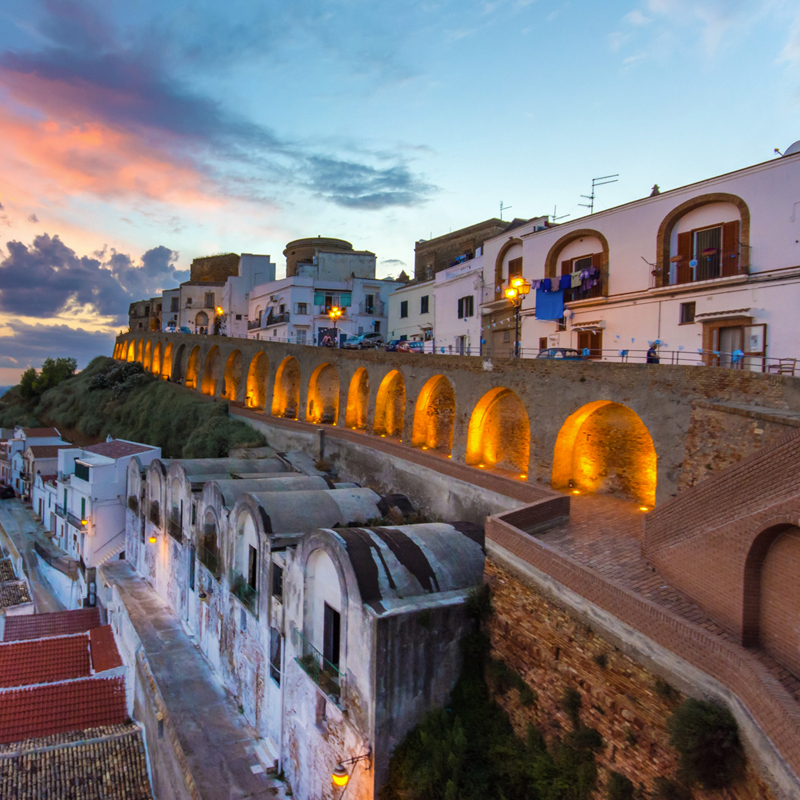
InsideSouth è un progetto di residenza artistica di fotografia, finalizzato a comporre immagini sul non apparentemente visibile e a costruire uno strumento di riflessione collettiva sulla fragilità del territorio e di sperimentazione del possibile riuso del patrimonio edilizio storico, oggi in abbandono o sottoutilizzato. Con la fotografia si intende non documentare la trasformazione dei luoghi fragili in abbandono ma una riflessione sulle trasformazioni possibili per gli stessi luoghi. Si ha occasione di attivare un processo laboratoriale aperto nel quale diversi artisti (fotografi, curatori e photo editor), italiani ed europei, con un gruppo di esperti locali (PLUS) sperimenteranno nuove interazioni con gli abitanti, approfondendo con essi la conoscenza dei luoghi e della storia. La partecipazione di due fotografi locali, nonché la presenza del gruppo di lavoro dell’associazione proponente, favorirà l’integrazione con il territorio e l’accesso alle informazioni.
La residenza e le attività ad essa connesse si svolgeranno a partire dal 2 settembre fino al 5 novembre 2019. Ogni artista avrà una settimana di tempo per la fase di ricerca; una settimana sarà dedicata alla residenza young (per i giovani locali) e l’ultima settimana prevede la presenza simultanea degli artisti coinvolti che lavoreranno alla produzione della mostra finale, di una ricerca sugli archivi storici di famiglia ed una pubblicazione. Sono previste iniziative di coinvolgimento dei residenti.
Il progetto sarà sviluppato in maniera diffusa nei luoghi significativi del centro storico (le lammie) e nelle abitazioni che ospiteranno l’allestimento finale, attraverso eventi di narrazione e dialoghi sul paesaggio. Si tratta di spazi marginali, frugali nei quali tutta la comunità (oggi diffusasi nelle frazioni urbane e rurali) affonda le proprie radici: luoghi dove sono ancora visibili i segni delle frane che storicamente hanno determinato l’assetto socio urbanistico del territorio e la sua attuale frammentazione.
La residenza si svolgerà presso una abitazione nel centro storico di Pisticci. Presso la Biblioteca Comunale di Pisticci si svolgeranno attività di divulgazione, workshop con i cittadini e la fase di produzione degli output finali. Dall’indagine sulle fragilità del territorio e dei suoi abitanti, InsideSouth mira a stimolare la costruzione di una comunità che, consapevole delle proprie radici, si apre a nuove contaminazioni. Pisticci diventa luogo di sperimentazione di un metodo replicabile ed applicabile ai luoghi della Basilicata fragile, dell’Italia interna e in abbandono, le cui comunità si ricostruiscono co-costruendo una visione di futuro possibile per riabitare i luoghi e dare risposte nuove a bisogni antichi.
Comics storytelling
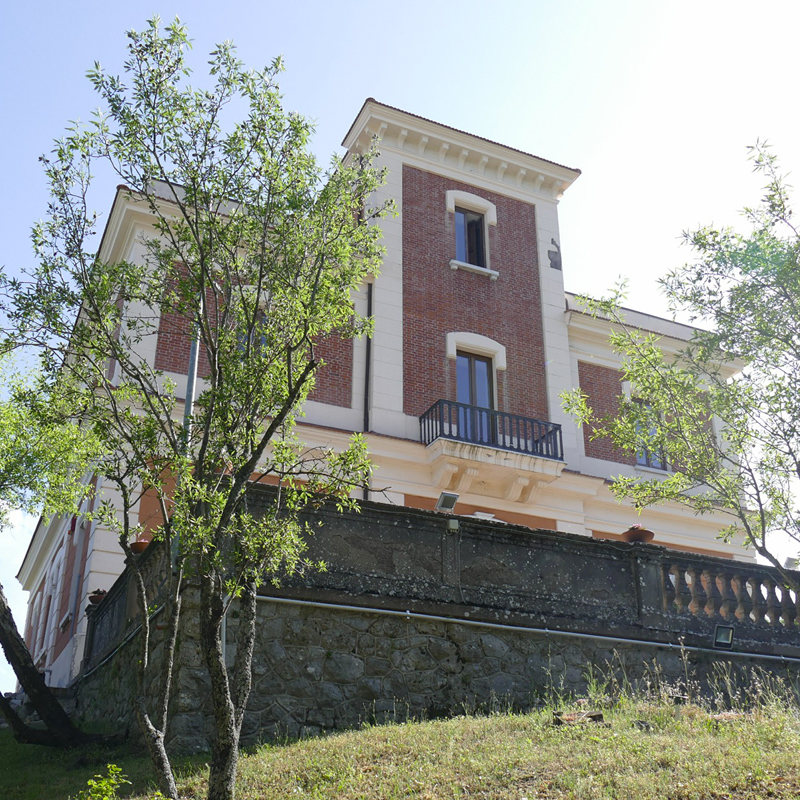
La “Comics storytelling” si configura come un nuovo modello di residenza artistica, finalizzato alla rigenerazione dei borghi montani attraverso la valorizzazione del patrimonio culturale, delle identità locali e della comunità, filtrata attraverso lo sguardo di artisti fumettisti.
Piccole storie che narrano il territorio della Val d’Agri, una “graphic novel” che guida alla scoperta dei luoghi più significativi del comprensorio valdagrino. Tra le finalità, la rivitalizzazione culturale dei luoghi e del tessuto sociale, attraverso l’attivazione di uno scambio tra la comunità locale che offre accoglienza e gli artisti ospitati per la progettazione e la realizzazione delle opere. Infatti l’interazione con gli abitanti del luogo in laboratori strutturati, favorirà la creazione della prima “Contemporary Art Map”, una guida-raccolta di storie nate dall’incontro tra l’arte del fumetto e alcune installazioni di arte contemporanea.
Durante la residenza gli artisti avranno oltre alla disponibilità della location operativa anche spazi che faranno da cornice a iniziative culturali per un percorso di conoscenza e sperimentazione dei linguaggi artistici contemporanei interpretati in chiave fumettistica. La produzione di eventi e performance uniche forniranno visibilità internazionale al piccolo borgo grazie allo scambio con artisti provenienti dall’estero e consentirà la messa in rete delle risorse e delle identità dei luoghi attraverso forme d’arte contemporanee: un’occasione inedita per l’attivazione delle comunità attraverso la co-progettazione dell’evento e l’accoglienza e il soggiorno degli artisti; uno spazio di incontro e sinergia tra nuove e vecchie generazioni attraverso una riscoperta dei valori e della cultura locale espressa tramite un mezzo artistico in grado di rileggere il passato in chiave moderna.
Torre Stormita
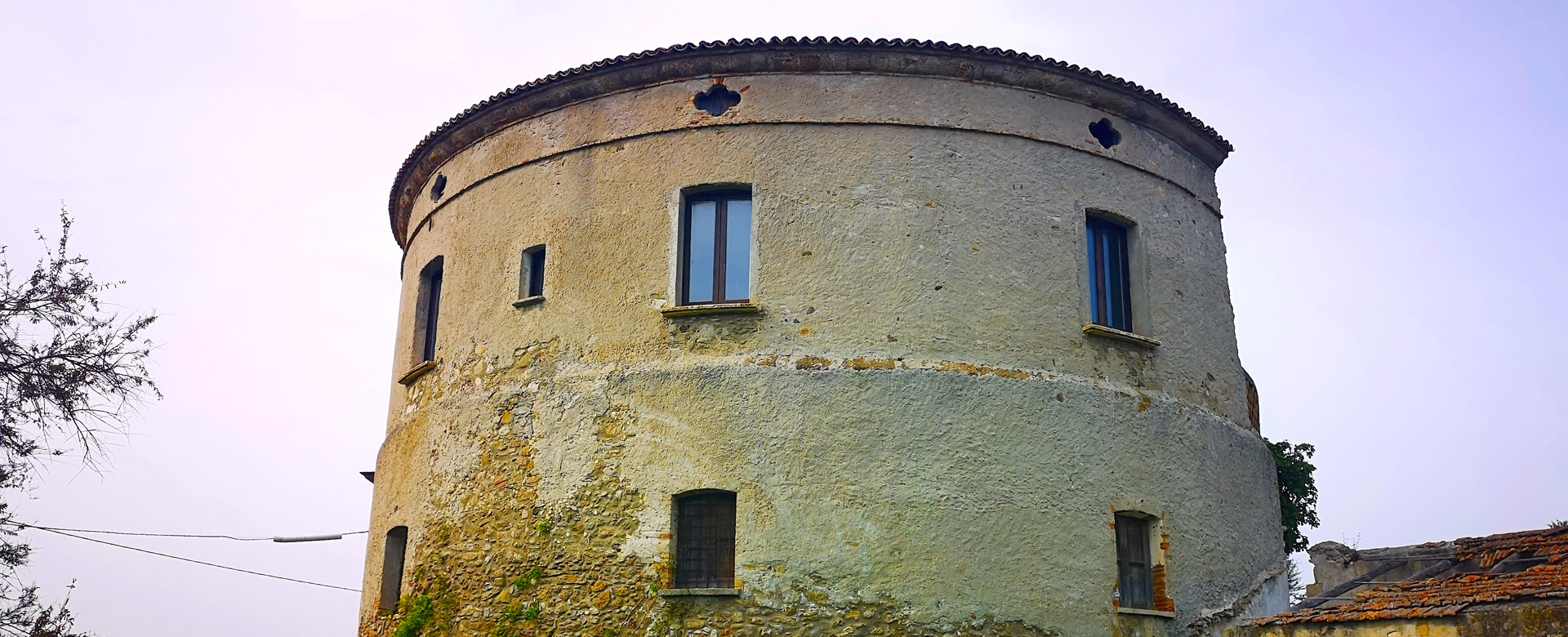
Il progetto Torre Stormita prenderà il via nel mese di agosto con l’invito rivolto all’artista romano Matteo Nasini a trascorre un periodo di residenza e progettazione artistica per l’antica Torre Bollita di Nova Siri.
La torre, interessante costruzione cilindrica situata a pochi metri dal mare, eretta nel 1520 per volere del Vicerè di Napoli a difesa dalle incursioni dei pirati turchi, è un simbolo per la città jonica di Nova Siri, un tempo conosciuta con il nome di Bollita. Qui, Matteo Nasini – con i membri dell’associazione e i proprietari del sito – ha avviato una fase di ricerca e conoscenza del bene che porterà alla realizzazione di un’opera site-specific per la Torre.
Partendo da uno studio delle caratteristiche architettoniche e dell’acustica degli spazi ed entrando in contatto con l’identità del luogo e con il territorio circostante, l’artista progetterà un’installazione che troverà la propria formalizzazione in sculture in grado di convertire l’energia degli elementi atmosferici, in suono. Gli elementi scultorei dell’installazione, composti da sistemi di corde musicali e casse di risonanza azionate dalle correnti d’aria, daranno forma e consistenza allo stormire del vento che, dal vicino mare, s’incanala tra i vigneti fino al cuore della torre, in una tensione continua tra l’udibile e l’invisibile.
L’obiettivo della residenza è quello di riabilitare un luogo, senza intaccarne minimamente l’architettura o il valore identitario, enfatizzando la dimensione dell’attesa e dell’ascolto per invitare i visitatori ad entrare in contatto con il corpo vivo della Torre e con il riverberare della sua ‘voce’ nello spazio.
L’opera Torre Stormita di Matteo Nasini sarà visibile fino al 23 agosto, durante il periodo di apertura della Torre sono previste visite guidate ed eventi collaterali organizzati dall’associazione Associazione Terre Joniche.
Ars Excavandi
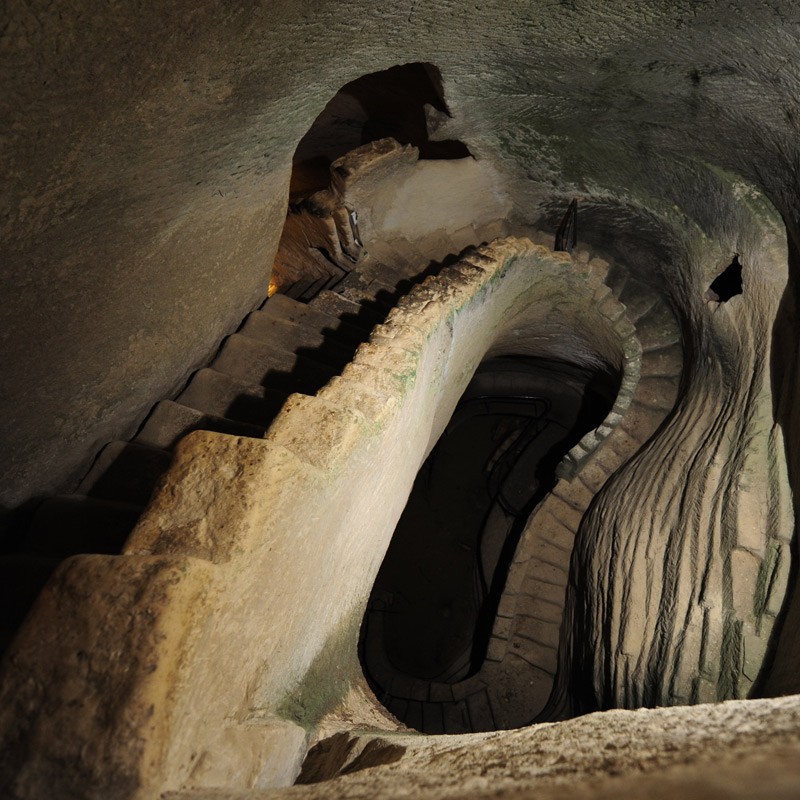
Can a thousand-year-old hypogeal environment provide us with information on how to build the cities of the future, or even how to face life on another planet?
The answers can be found in Ars Excavandi, which launches the Matera European Capital of Culture 2019 exhibition.
Circus+
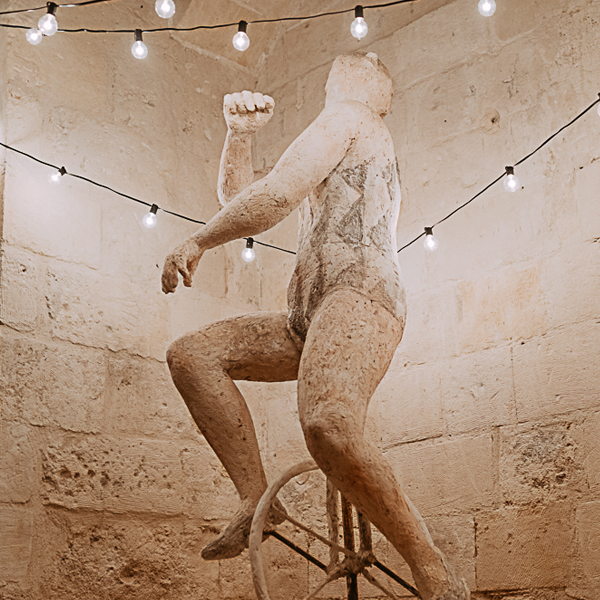
Some stories can be expressed with a single word. The Latin word Circus, for example, meant 'circle', referring to the shape of the venues that originally housed these shows, made up mostly of carriages or horses.
Matera Alberga
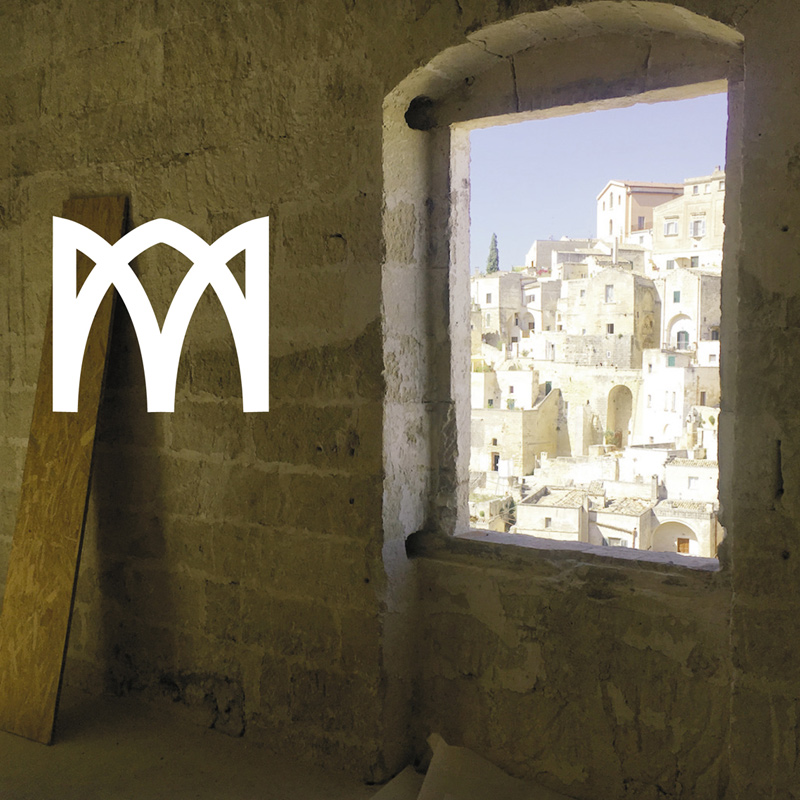
Thanks to the Matera Alberga project, contemporary art is leaving the museums. It has moved to places that have always been a symbol of hospitality and meeting between the inhabitants of a city and its visitors: hotels.
Urban Games
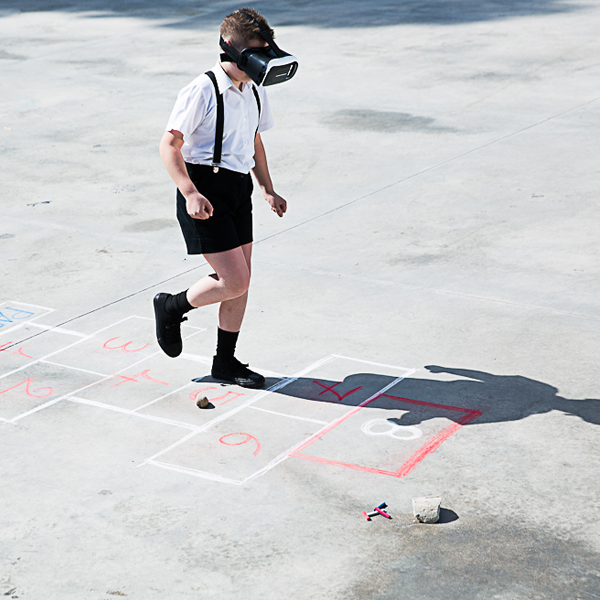
'You can deny justice, beauty, truth, goodness, mind, God. You can deny seriousness. But not the game'. To quote Johan Huizinga, the philosopher convinced that play occupied a fundamental role in the production of culture.
Gardentopia
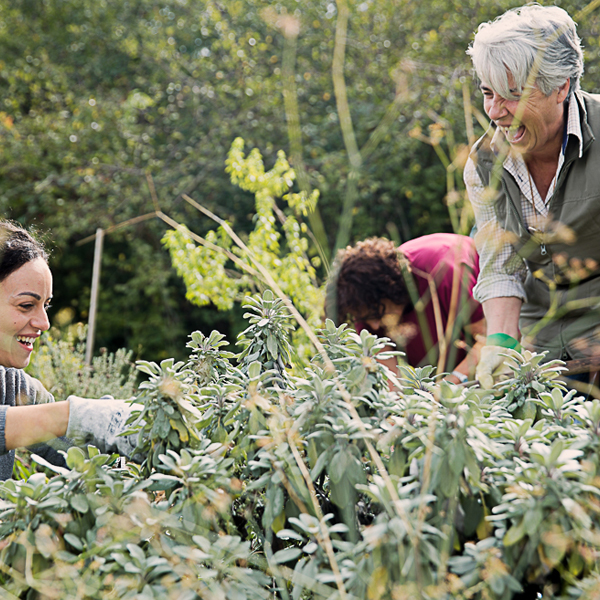
Happiness, according to Tolstoy, is being with nature, experiencing it and conversing with it, in an active relationship which changes the land, making it greener, making it ours.
Mater(i)a and P(i)etra
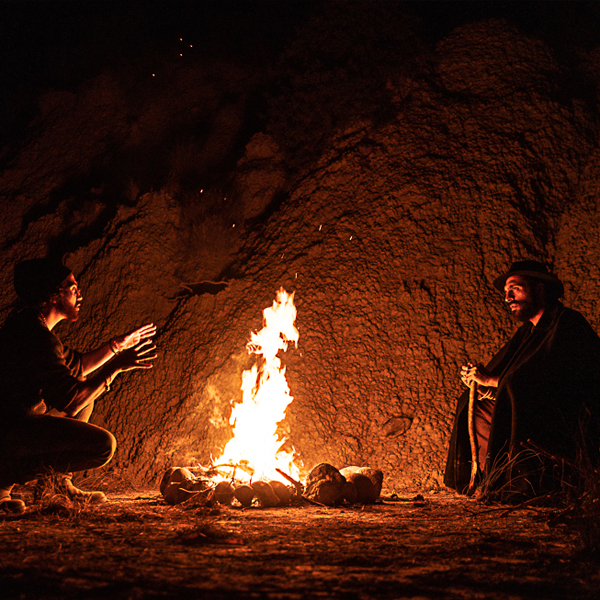
Few would admit it, but Petra and Matera are sisters, born of the same mother rock and connected by a common thread made of stone that unites them for thousands of kilometres.
Invisible Pavilions
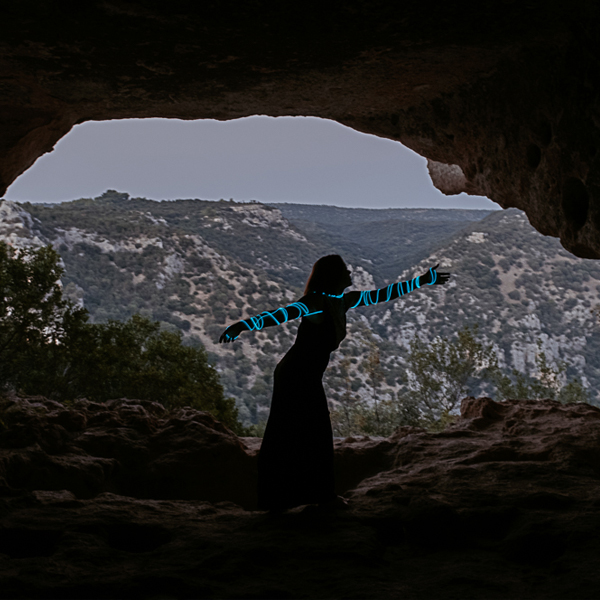
The excavated subterranean architecture and the extensive system of cisterns in the Sassi area represent the visual, spatial and structural element that has established the city of Matera as a World Heritage Site.
Open Playful Space
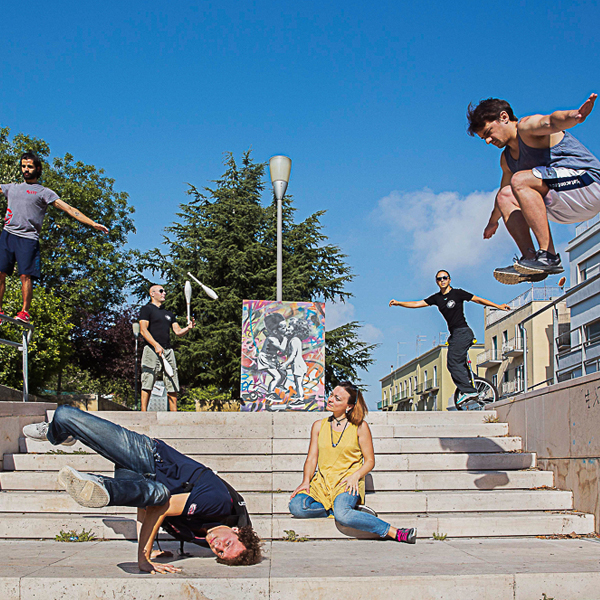
As early as 2018, a crew of athletes and street artists were roaming around the streets of Matera. Their mission? To uncover 'invisible' spaces, transform them into playgrounds, canvases and stages and give them back to the community.
Matera Città Aperta #MCA (Matera Open City)
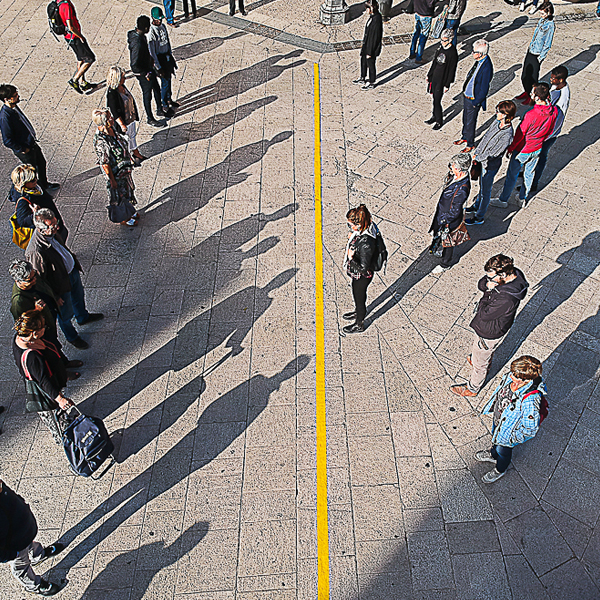
For one year Matera will be the door to Europe, and also its mirror. The project Matera Open City is an experiment to understand how the City, and therefore Europe, is truly 'open'.
Movimento libero
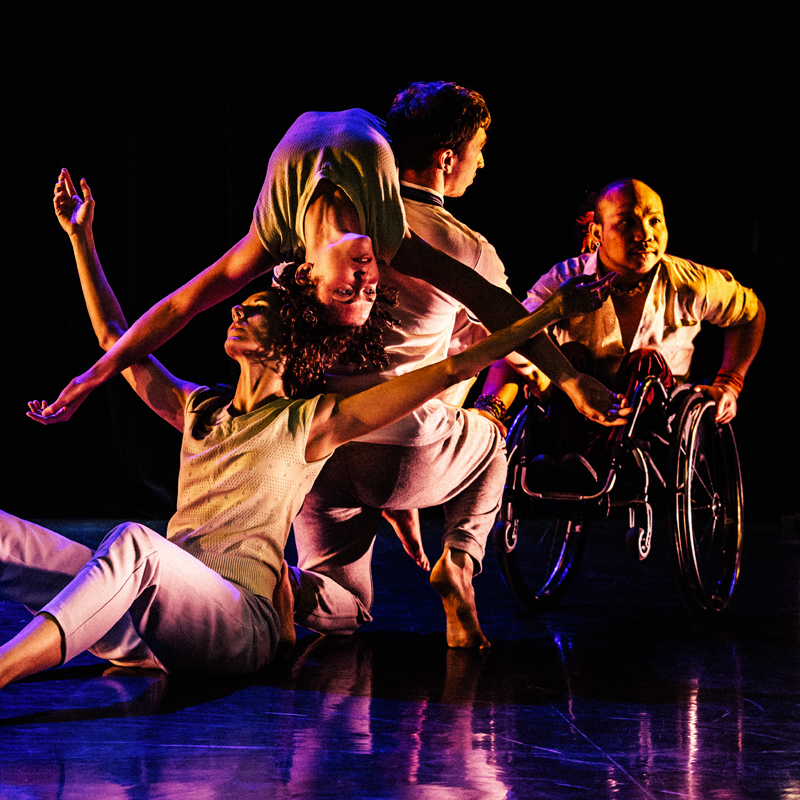
Movimento libero is a project that investigates the relationship between art and different abilities with a special focus on accessibility. In partnership with the Oriente Occidente Dance Festival, Matera 2019 and the British Council are promoting a three-part project which highlights the role of people with disabilities as agents of change.
The Count’s Utopia
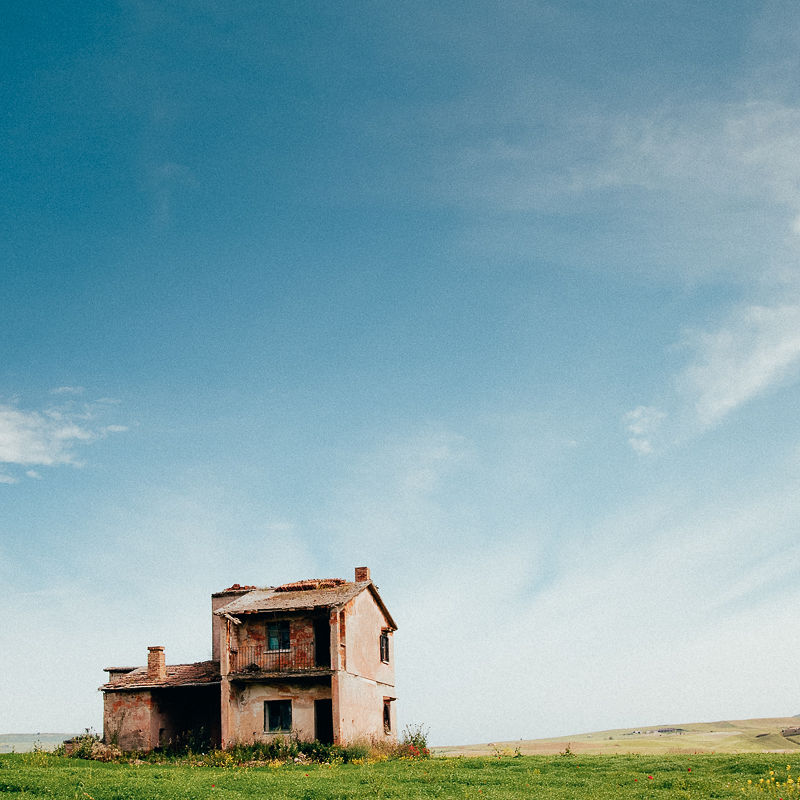
A difficult and risky idea, almost impossible. We are in 1741 and count Theodor Rendina has an ambitious project: to repopulate Campomaggiore, a small village of eighty people given to his family by King Philip the Fourth in 1673. Count Theodor Rendina has a big dream, he imagines a village without poverty: the city of Utopia.
Fly with eyes by Carlo Levi
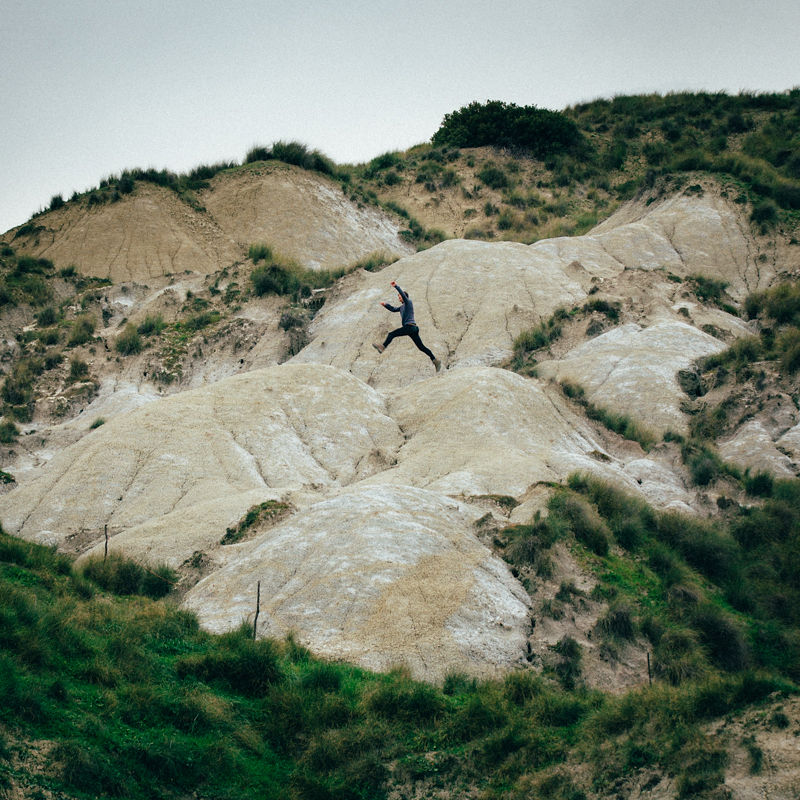
Aliano: a city of exchanges, of passage and of connections. Aliano that hosted Carlo Levi during his toughest and most famous years, and where the writer chose to rest, to exchange a promise of reciprocal friendship. Aliano, the symbol of Lucania, as an exchange of populations and culture, people and traditions, Southern Italy and the Mediterranean, in the name of contamination and welcoming.
Light my fire
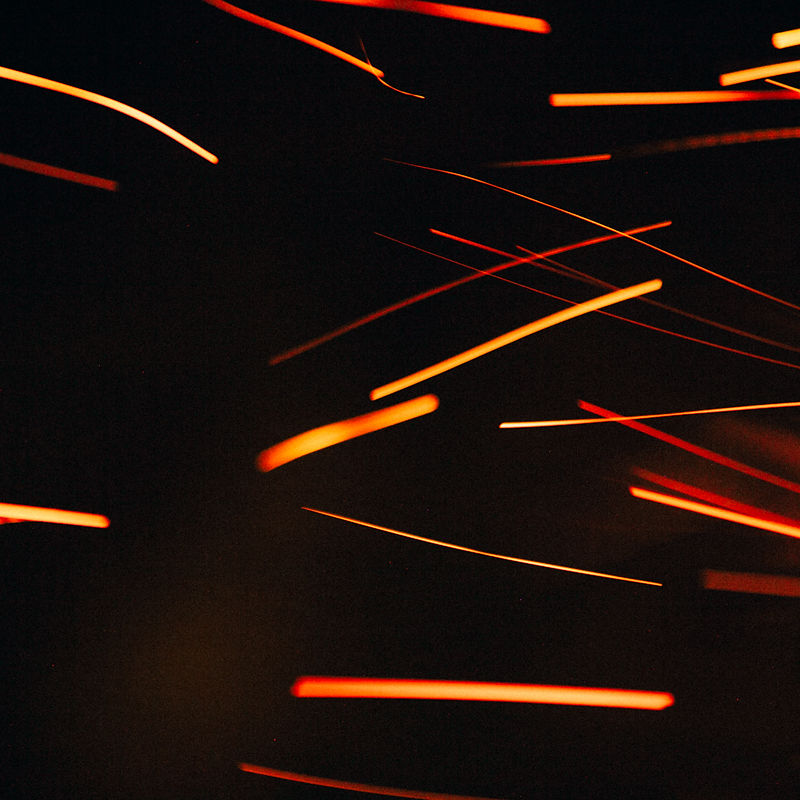
Fire is the most similar element to man. Far from the never-ending blow of wind, the cycle of water and the immutable presence of earth, fire is born and it grows and burns until it turns into ashes. Fire, like man, owns an enormous healing power ready to transform into destruction in a heartbeat. Pignola tells the story of the fire that heats and flares up in the 'Light my Fire' three-day event, which will take place between the summer solstice and the night of San Giovanni.
Pictures of poetry
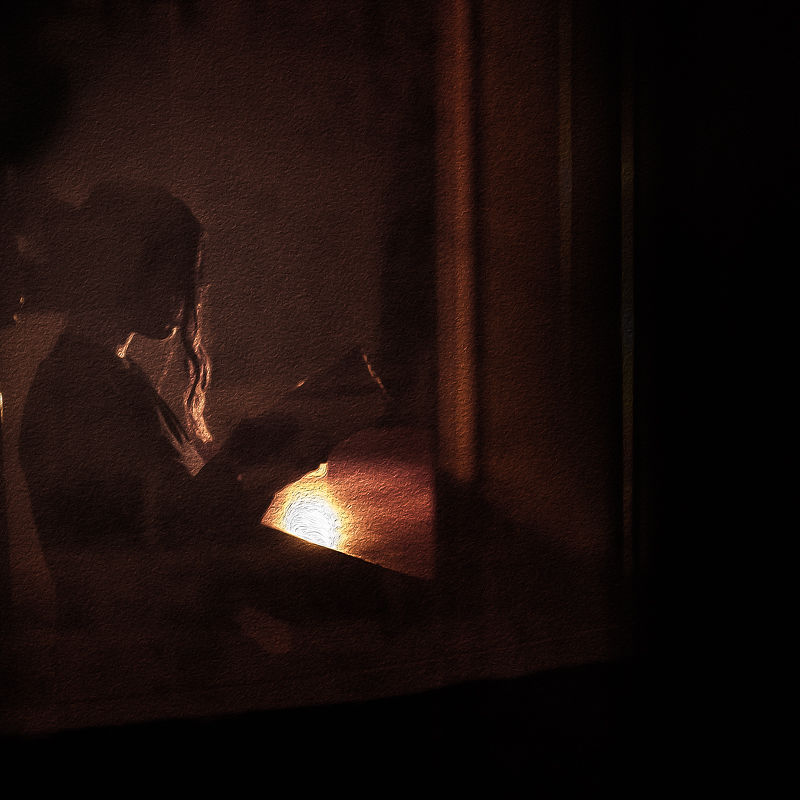
During the first half of the 16th century, the poetess Isabella Morra lived in Favale - today Valsinni - and she poured her short and tormented existence into a collection of poems. This year the collection is the pretext for transforming the old town in Basilicata into a large showcase for artists, artisans, musicians, where works in ancient and contemporary style blend together along a suggestive route that animates partial views, squares, lanes and house walls.
Pan: A Party For Everybody
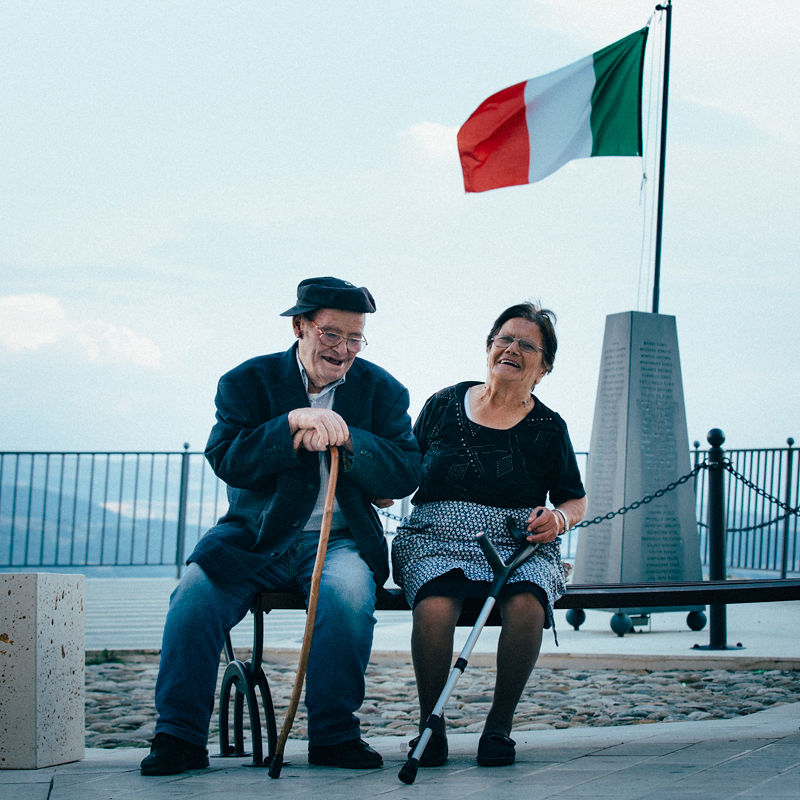
To resolve all contradictions, dichotomies and oxymorons linked to an extraordinary land in one day. Only one divinity can fulfil this task 'PAN – A Party for Everybody', an ambitious project involving all the municipalities of San Mauro Forte, Salandra, Calciano, Oliveto Lucano, Cirigliano, Gorgoglione e Rivello.
Cultured Manufacture
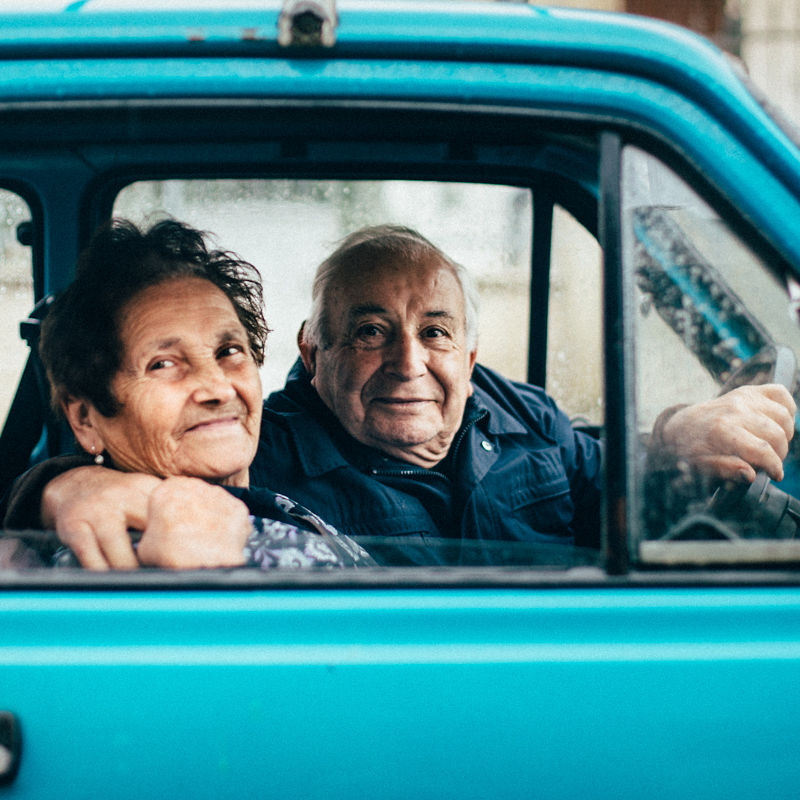
Technological evolution started when homo habilis used a sharpened stone to make his life simpler. We know that our ancestors used rudimentary tools more than two million years ago, and that the use of these tools was instrumental in developing human intelligence.
Therefore, the town of Rionero in Vulture has decided to highlight the importance of the artisan tradition that gave rise to these tools, which are the helping hands of those who use them on a daily basis, those craftsmen who create objects using local raw materials.
Trenodia (Threnody)
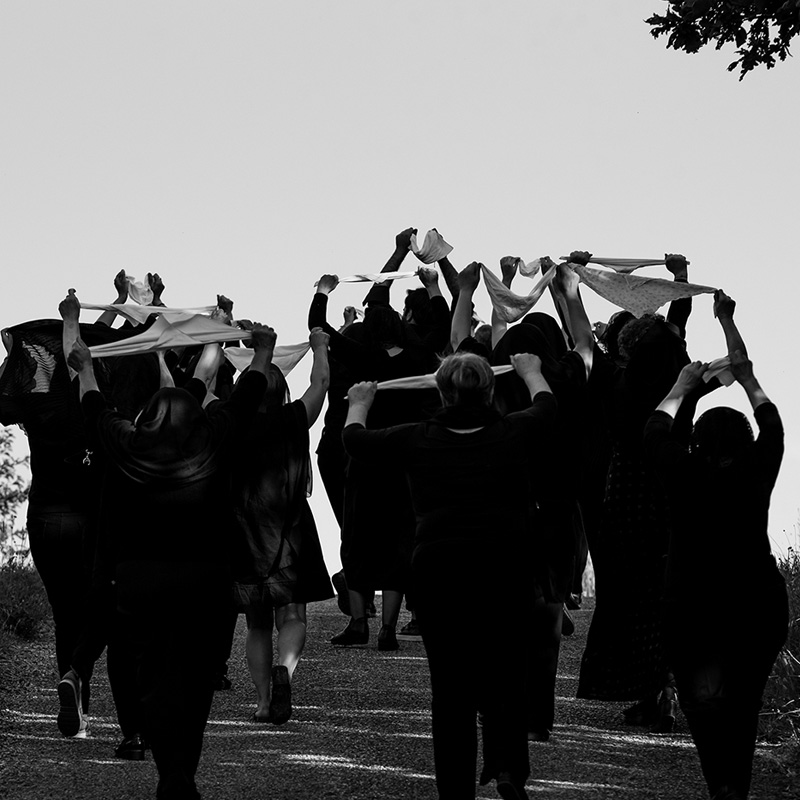
Trenodia (Threnody) is a participatory work of art that proposes to work collectively on crying for everything that is life-threatening in our world. The premise is to transform the grievances expressed as ritual tears, a resounding collective wailing and lamentation, into a creative and united form in order, as Ernesto De Martino says, 'not to die with what dies'.
Edible Orchestra
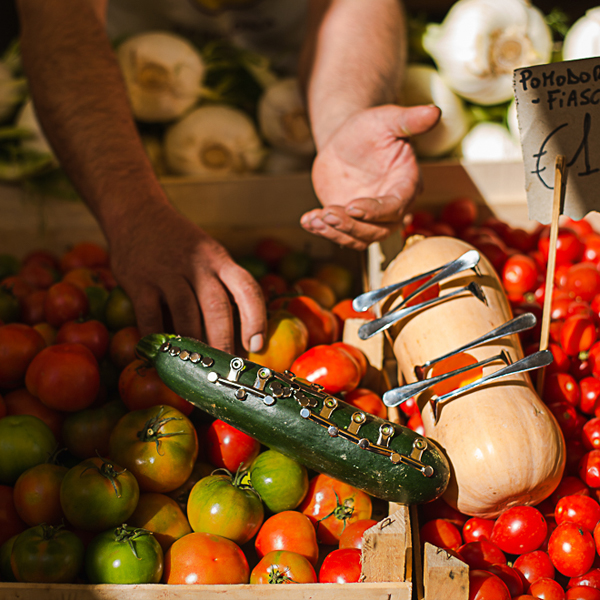
By 2050 the Earth will have 9 billion inhabitants. In other words, there will be 9 billion mouths to feed. Edible Orchestra’s role is to talk about food not only as an emergency, but above all as an indispensable asset for the wellbeing and economy of a community, as an incentive to be accountable, widen your horizons, care for the environment and look to the future.
The Routes
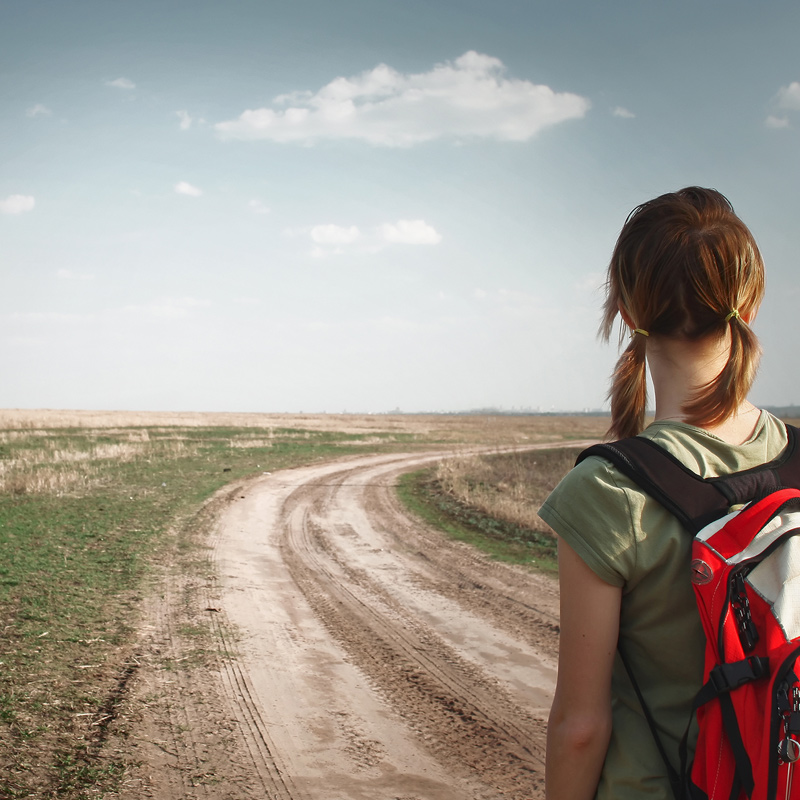
Worship, spiritual research, taking care of oneself and stewardship of creation: there are so many reasons for a pilgrimage. Particularly to Matera, where Mary is La Bruna for everyone and the patron saints are a tangible presence, animating religious celebrations and services.
The Land of Bread
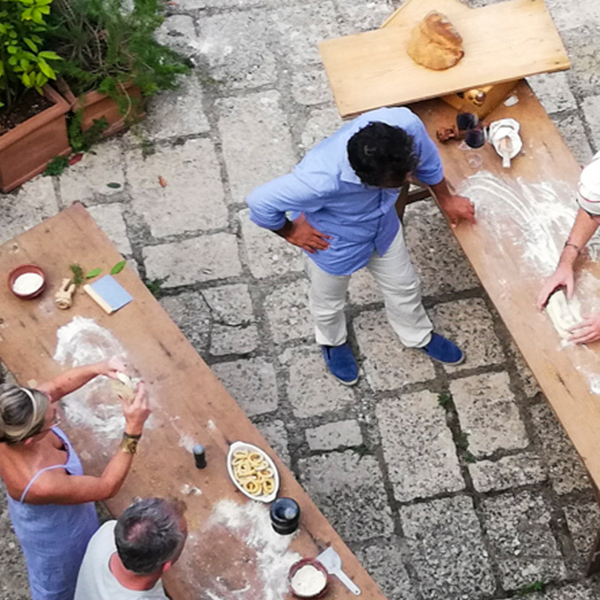
Once dough was kneaded at home, maybe by several hands. Then it was taken to the communal oven, where everyone waited their turn. And all this time, making the same food as the others but in their own way, they were never alone. A singular identity was formed from just two basic ingredients: flour and water.
Breadway
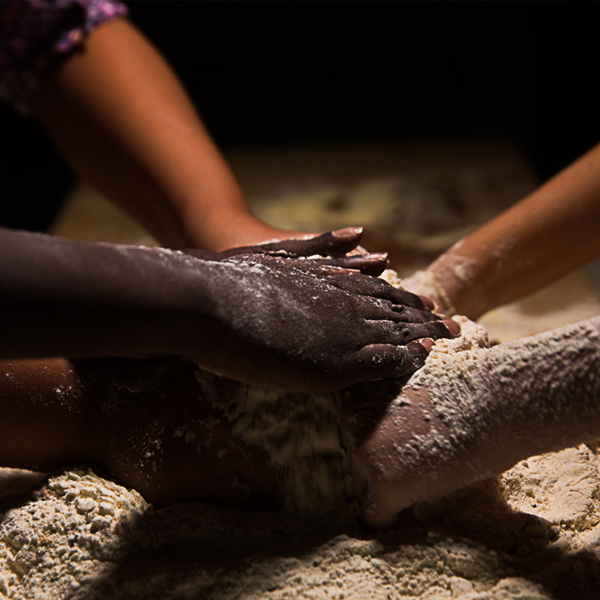
It’s a story starting with grains of wheat and ending with a fragrant loaf. Breadway is an immersive experience which takes place in the Piccianello district in Matera, in its bread-making streets.
M.E.M.O.RI. - Euro Mediterranean Museum of Re(f)used Objects
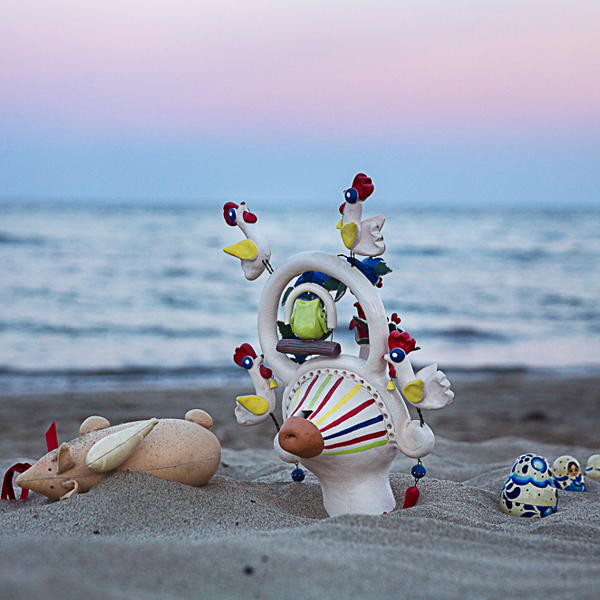
Flight tickets, packaging, leaves, forgotten objects found in your pocket or on the street: this is the collection presented by M.E.M.O.RI. Euro-Mediterranean Museum of Re(f)used Objects, an accidental museum of circumstances, in which the visitor physically interacts with the objects and is invited to embark on a 'hand-mission', to establish direct contact with the exhibits and access their internal memory.
Aware
La Nave degli Incanti
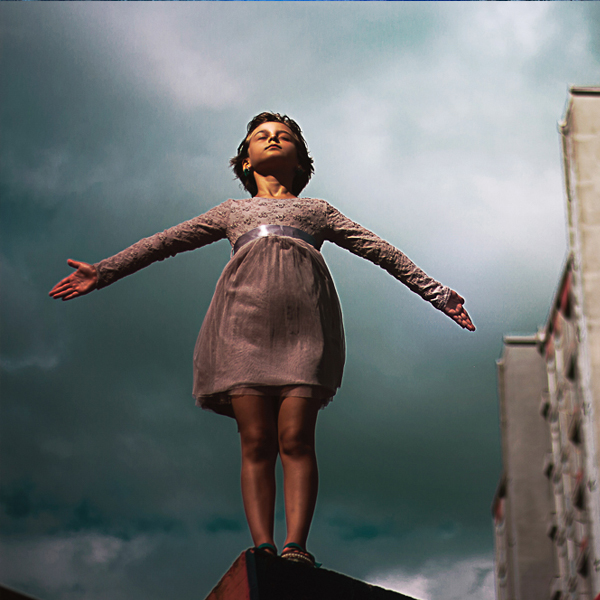
AWARE, from the neighbourhood that since 2012 has housed the premises of the Gommalacca Teatro company - the Cocuzzo district of Potenza, with its concrete Ship - is characterised by the conception of a travelling theatre, La Nave degli Incanti (The Enchanted Ship): a spectacular street machine travelling along the Basentana highway, circulating the multiple and constantly changing identities of contemporary Lucania, collected during the research/action phase and reinterpreted by the artistic direction of Carlotta Vitale, directed by Mimmo Conte and written by Riccardo Spagnulo.
Mammamiaaa
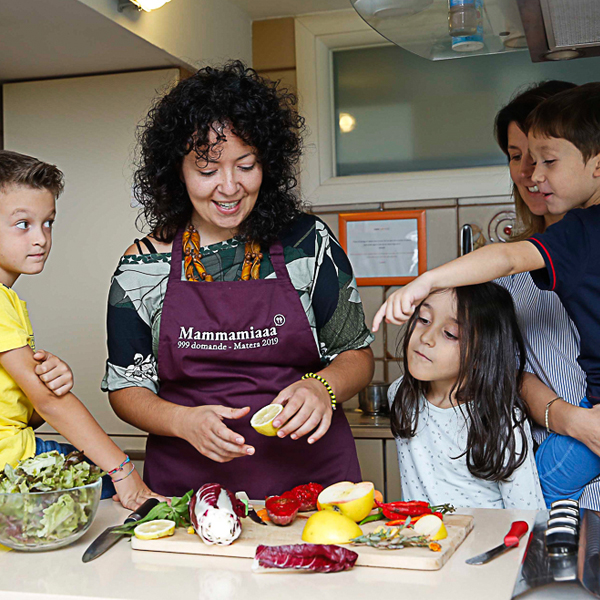
Taking part in the Mammamiaaa community is easy and anyone can do it. All you need is to have a family recipe and be ready to talk about it. Then you just serve it to family and friends, so they can organise lunch, a snack or an evening meal.
Mysterious Traveller
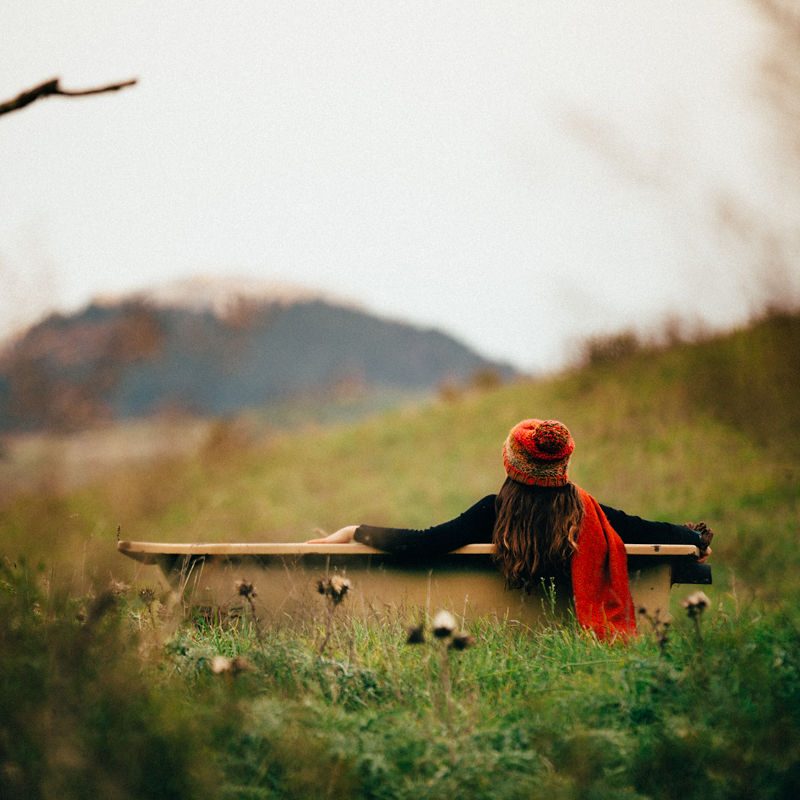
Who is the mysterious traveller who walks around the streets of Oppido Lucano? In its day as a Capital, the town will carry out a travelling show along the extra moenia (outside the walls) Trecedde, in order to enhance the unknown parts of the town which are of great historical and cultural importance. These locations will turn into multimedia sets with stories, music, artistic installations, projections and exhibitions, and every stop along this walk through art and nature will be divided into other micro events, forming a structural narration.
Proteus
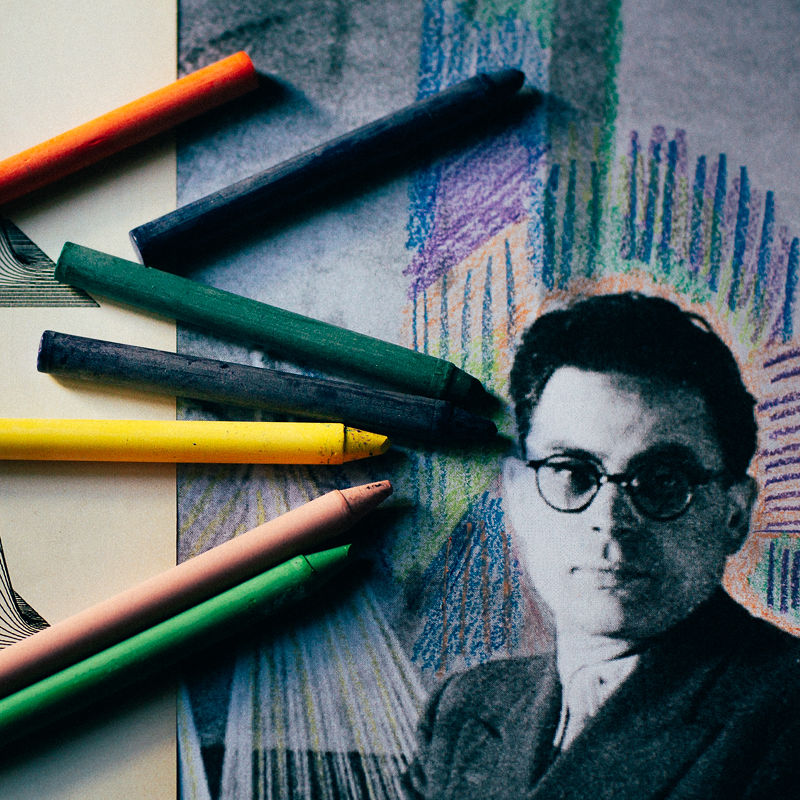
A divinity and a human being: this is the theme that inspires the Proteus project. Proteus is a shape-shifting Greek god, and Leonardo Sinigalli one of the most famous and versatile residents of Montemurro. Seven different areas will inspire seven different themes, with seven different colours and seven different itineraries. Montemurro celebrates its multifaceted nature and its ability to transform itself, while remaining itself.
Rotondella Round Town: A Circular Walk
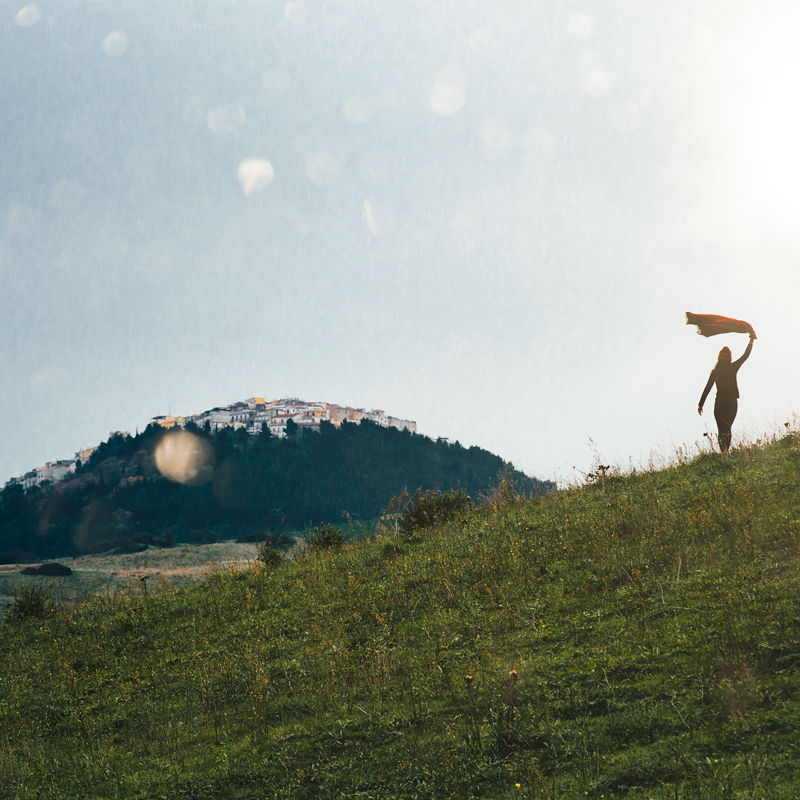
Imagine walking along a road and never turning, to find yourself back at the starting point. Now stop imagining, because this road exists - not only a road but an entire town, Rotondella, waiting to be discovered. The settlement, called in antiquity Rotunda Maris, has an urban configuration that is unique and shaped like a globe.
The Arbëreshë Community Network
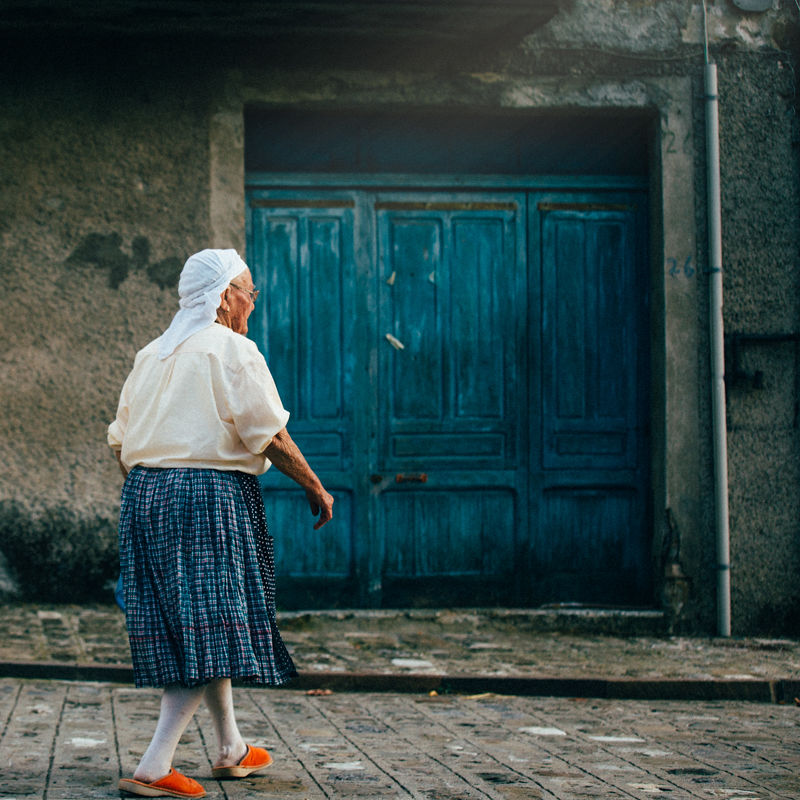
What element unites Matera’s culture with Albanian culture? The so-called Arbëreschë Community. In 1468 a number of Greek and Albanian groups fled from the Ottoman threat. They found refuge in Basilicata, in the three districts where the 'Arbëreschë Comunity network' is organised.
The project, organised by the 'Mediterranean Centre for Art' and recognised by the Ministry of Cultural Heritage, will be a journey through tradition and the ancient Arbëreshë culture, in a celebration of the benefits brought by these peoples.
The Land Of Saints And Brigands
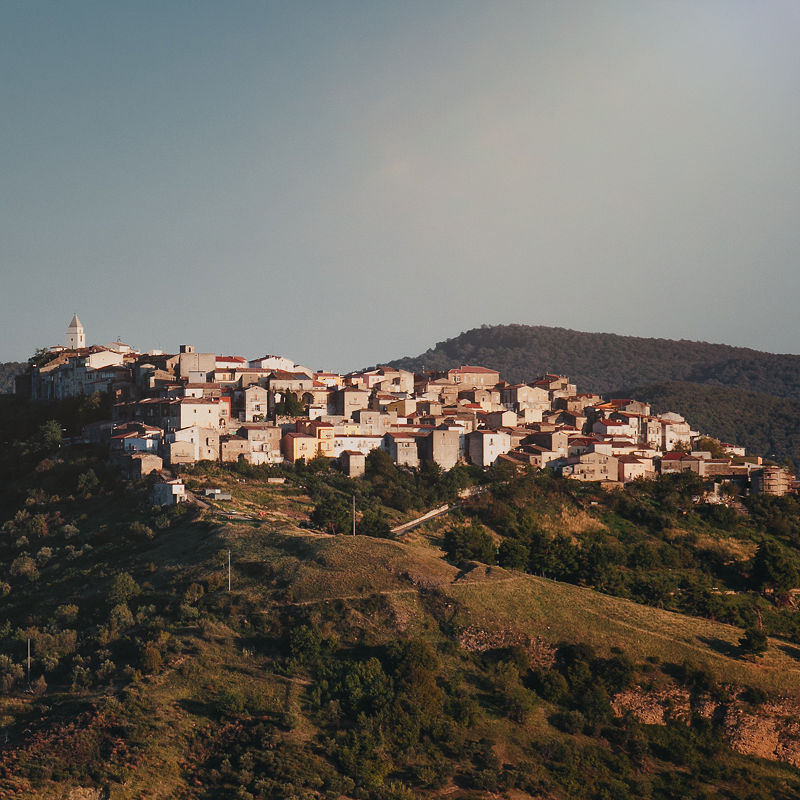
'We will make Italy or die' was Garibaldi’s motto during the war that led to the unification of the country. A violent and bloody road, linked in this area to the firsts episodes of banditry. In these lands a conflict brought the repression of more than a hundred male and female brigands. This fundamental period in the Unification of Italy will be recalled by the town of Ripacandida during the events of its Capital for a Day.
Grumentum: Discovering The Capital Of The Roman Basilicata
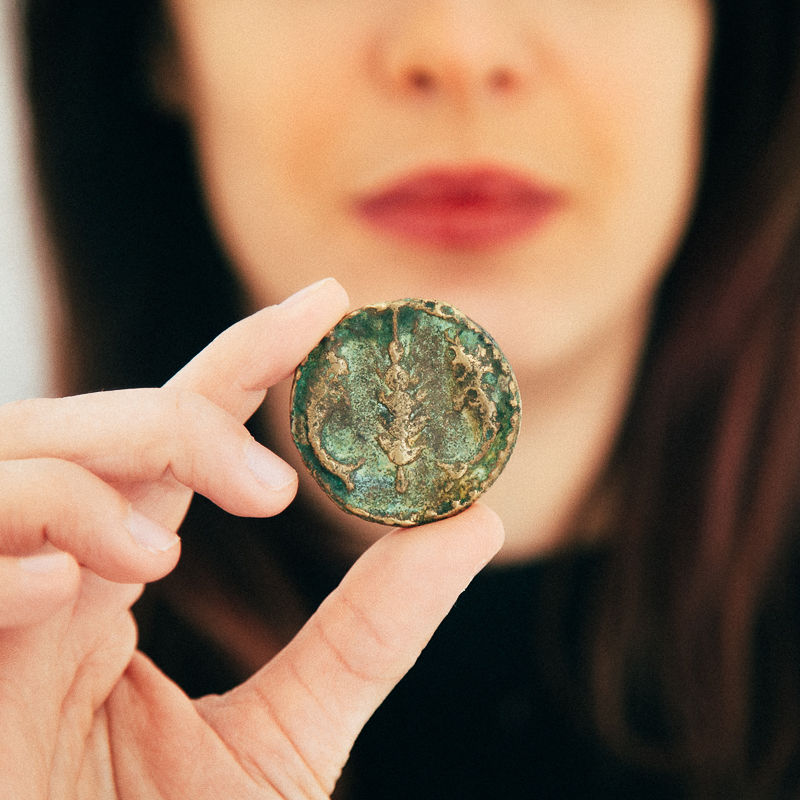
Tired of the 21st century? How about a walk through Hannibal’s battlefields, to meet the Emperor Augustus or support a gladiator? Ancient Rome awaits us in the heart of Basilicata, in the largest Archeological Park in the region: Grumentum.
The site, built in the 3rd century BC, developed into the most important Roman city in Basilicata, and will come back to life thanks to actors and re-enactments animated by a screenplay inspired by the Julius-Claudius sculptural group found here.
BellArte
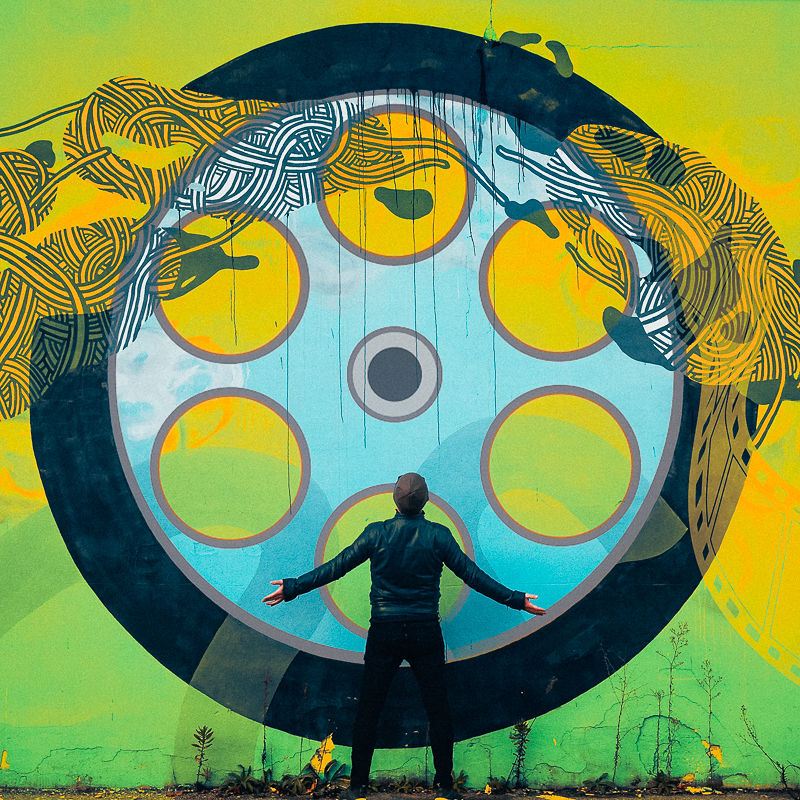
What do movies like 'La lupa' by Alberto Lattuada, the 'The Gospel According to St Matthew' by Pier Paolo Pasolini and 'The Passion' by Mel Gibson have in common? All of them have been produced in the Sassi (Matera’s Ancient Cave Dwellings), an enchanting and inspiring location which will regain its original beauty through art.
Senise 2019
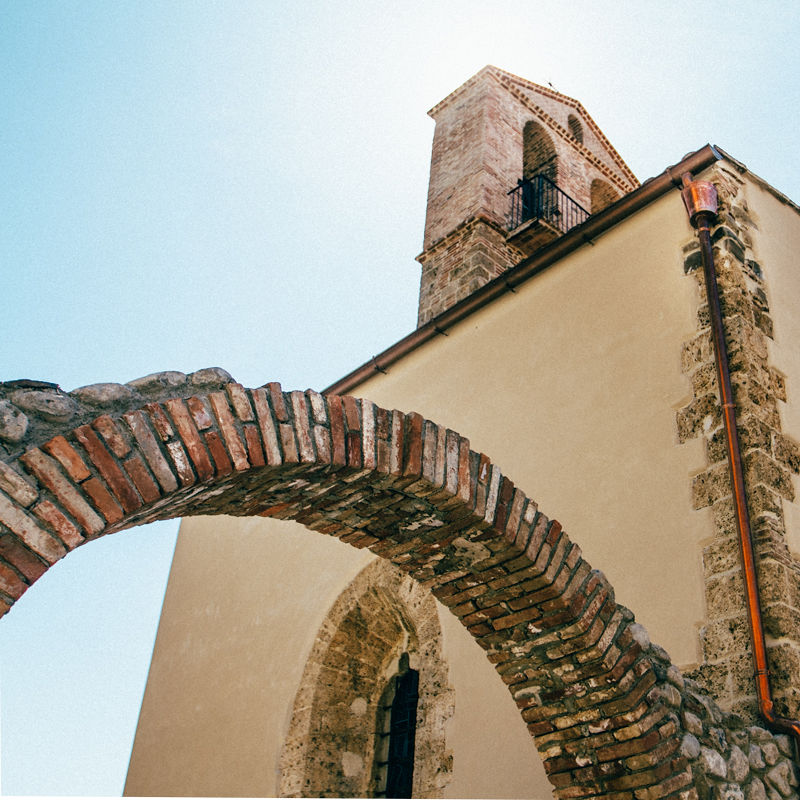
To enjoy the magic of Senise you have to go back in time. Starting from the 16th century, the village was a great cultural and artistic centre, with intellectuals and visionary artists. Senise 2019 wants to take us back to that world, by reading their works in a contemporary way. It will be a three-day journey through poetry and music, panting and jewellery, literature and theatre.
Matera Aquae Paterno Lignum: The Roots Of The Legends Along The Paths Of History
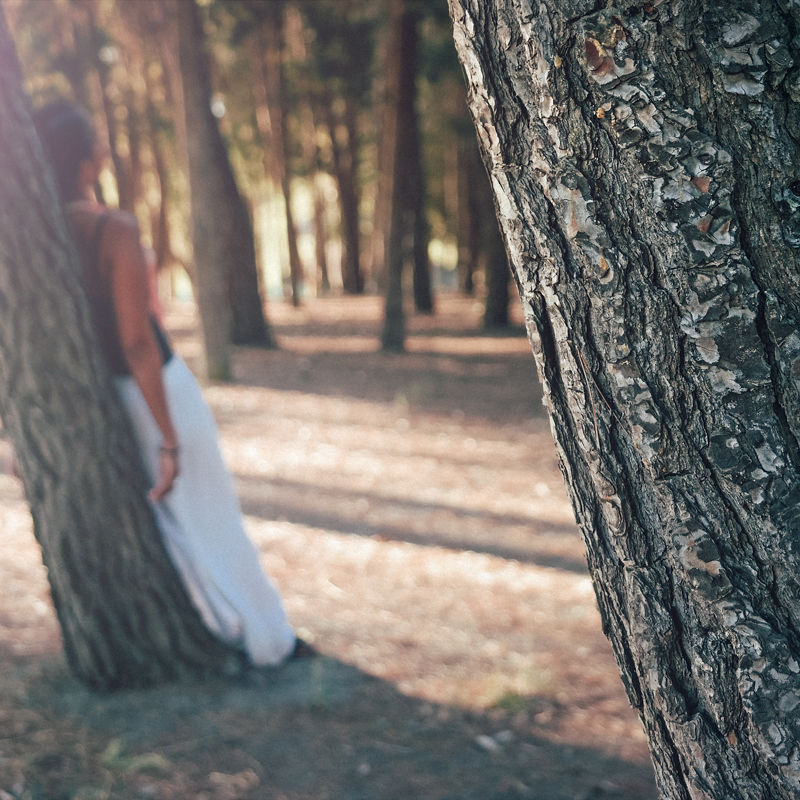
With patience and perseverance, a drop of water can wear away stone. The town of Paterno wants to lay its first stone of a large and evolving project, dedicated to the water heritage of this area. Aware of the tourism importance of the Great Agri Aqueduct, the artistic residency Mater aquae Pater lignum will start in May 2019, to enhance almost 250 km of the water supply network which runs between Potenza and Matera.
A 'bridge' Between East And West: Along The Byzantine Monks Path
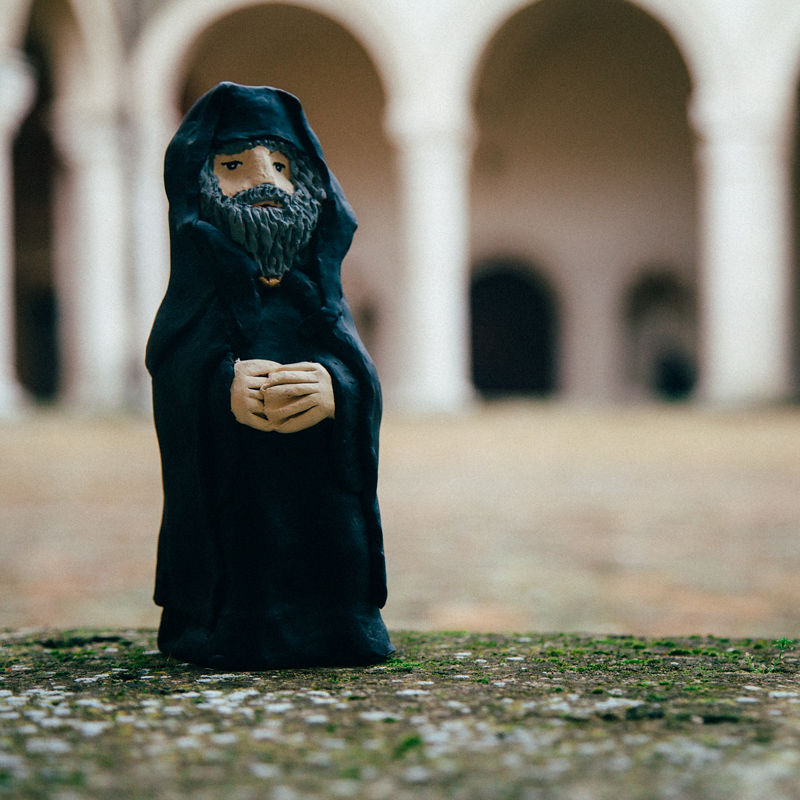
Basilicata is the land of the soul, that inspires silence, meditation and spirituality. Since AD 1000, many religious communities have settled here, leaving their traces. This was during the Byzantine era, when many monks lived in the southern part of Basilicata, seeking shelter from border wars and seeking solitude. Monasteries and abbeys were built in the most fertile areas, around which villages grew up.
Charm And Participation
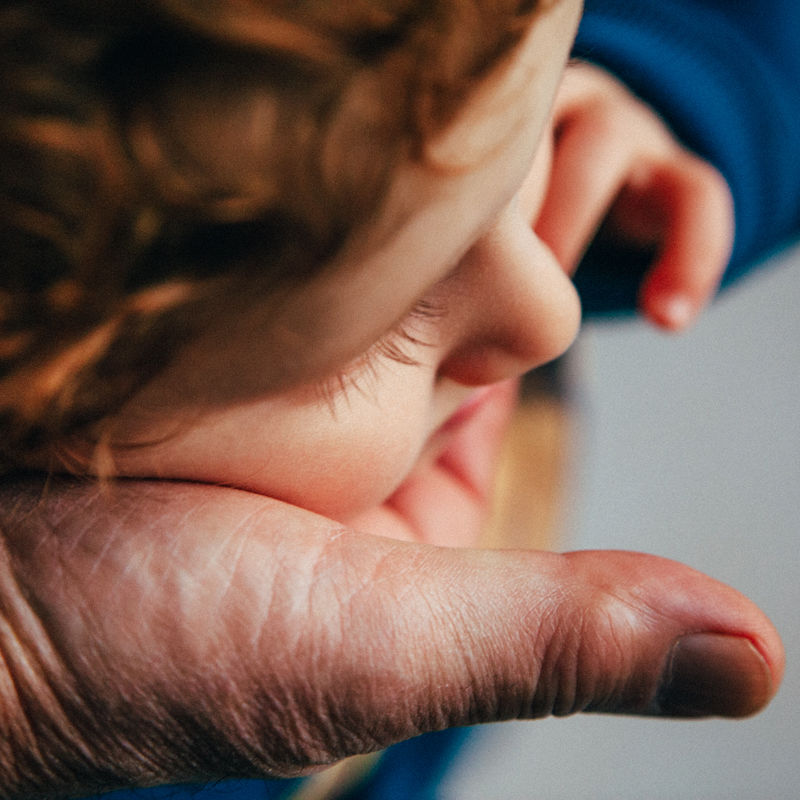
You can study all your life, but you’ll never learn something as well as when you do it with an expert. That is what people have been doing for centuries, passing on knowledge, from one generation to another, to reveal the secrets of a profession or a region. This is the aim of Charm and Participation project in Lagonegro, building an interactive workshop to pass on knowledge, know-how and traditions linked to painting, sculpture, photography and handicraft to future generations.
The Values Of A Community Through The Story Of A Famous Figure: Marcantonio
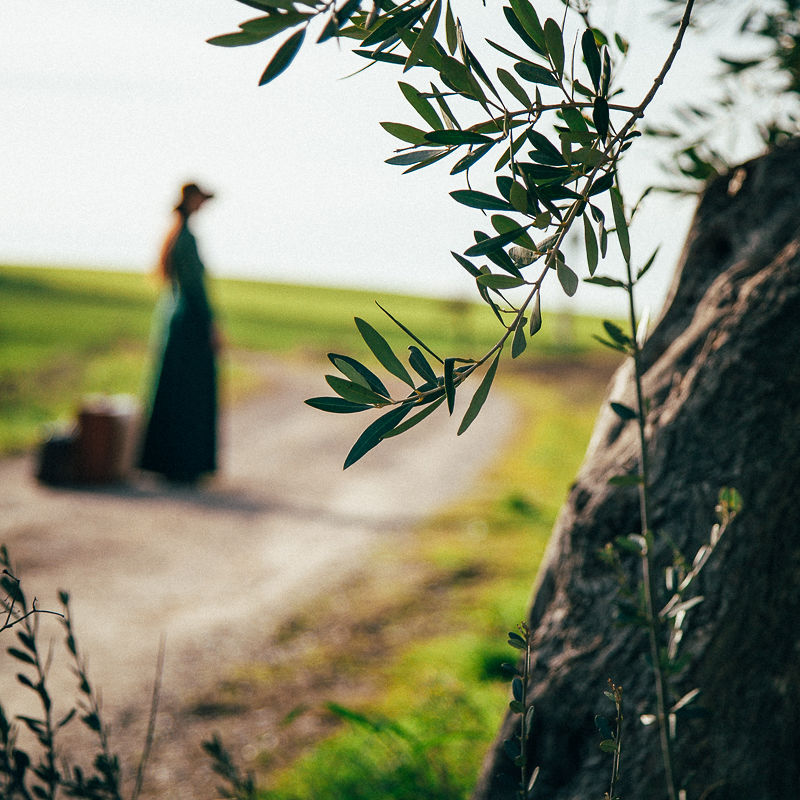
Picerno, The Capital Of Rights Of The Most Disadvantaged. Every story of migration is an exceptional tale of courage, strength and hope, and the story of everyone who leaves their life seeking a better one deserves to be told and never forgotten. The town of Picerno has decided to stage the incredible story of Vito Marcantonio, born in a family from Picerno, a second-generation immigrant raised in the ghetto of East Harlem, once entirely populated by Italians, Puerto Ricans and African Americans.
Brassens Prize
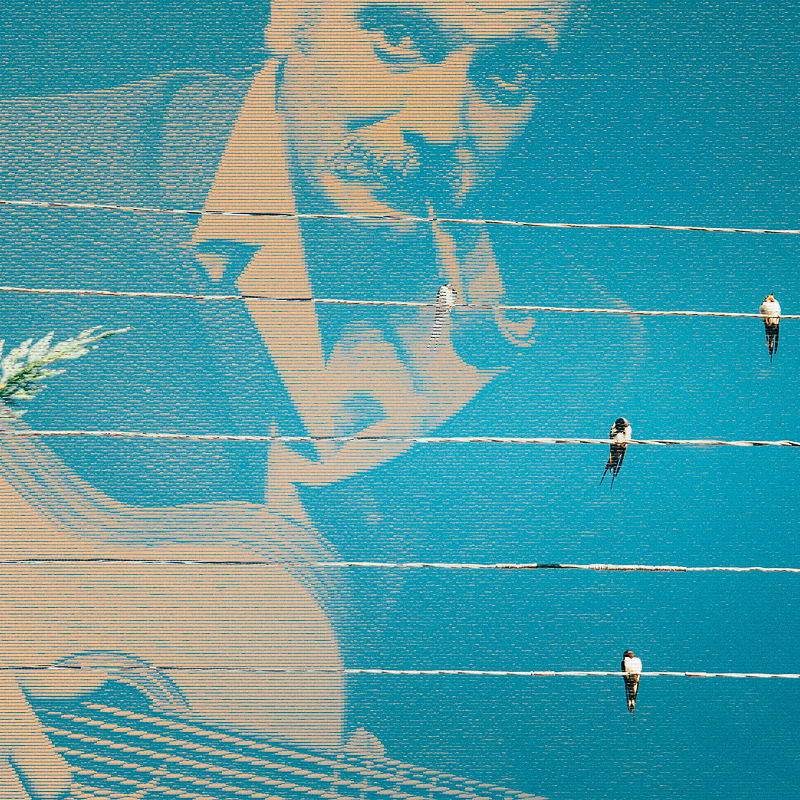
'Without technique, talent is only a dirty dress', remarked Georges Brassens, a musician from Basilicata, who has had a piazza named after him in Marsico Nuovo. Soon, his name will be used elsewhere: for a music competition, to be organised every year starting from 2019 to pay tribute to the combination of technique and talent: the Brassens Prize. There will be three aims: to highlight the profile of the French singer-songwriter, underlining his origins; to enable artists from all over Europe to perform in an important competition; and finally, to become an important reference point for national and international tourists.
Music, Tradition And Innovation: Montescaglioso Runs With Matera 2019
The ideal crest for Montescaglioso should have three symbols: an image of the Madonna, the plume of the Bersaglieri and a horse. Incredibly, Montescaglioso’s residents have managed to run an event that includes all three elements. Let’s take a step backwards: the people in the village find out that Matera will host the 67th national Bersaglieri rally on 19th May 2019, with the invitation to host a brass band.
CULTI: Innovative Local Culture
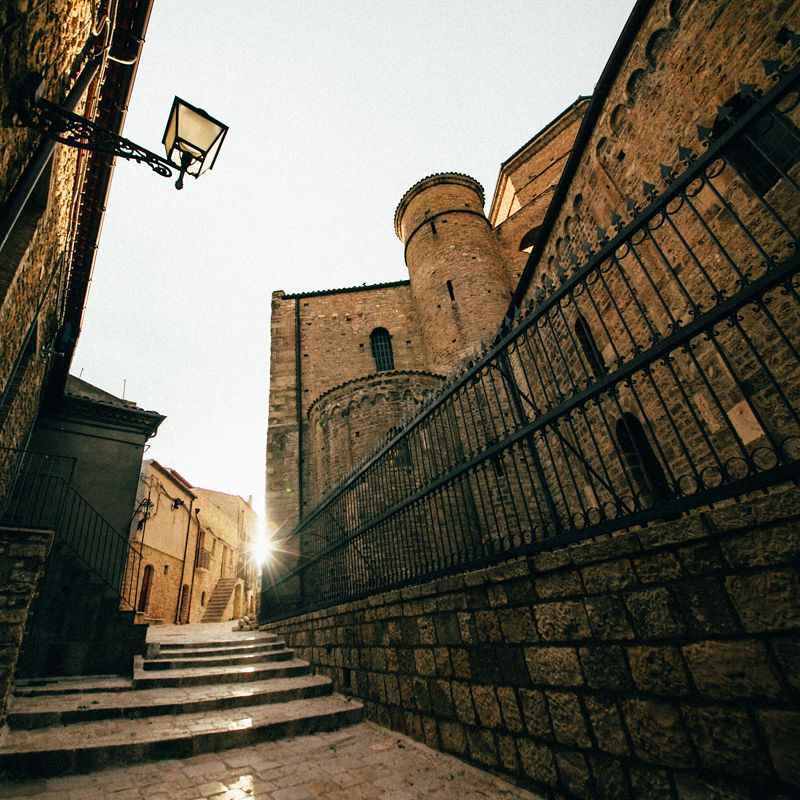
Creating a network between different municipalities, people, artists and complementary creative experiences. This is the Culti’s festival goal: Innovative Local Culture; three days focused on all the expressions in contemporary creativity. A new way of giving life to urban spaces, in order to celebrate culture and tradition and to present them in an innovative way. To unite a community in the name of art.
Traditions and Contaminations from the World

Irsina is a town that changes through its residents. A lot of people emigrated, but in recent years there has been an influx of foreigners, who have bought houses and promoted new cultural initiatives, making Irsina a town with an international profile, but a town which has preserved its authenticity and tradition. One of the most ancient traditions is the cult of Sant’Eufemia, the patron saint, represented by a beautiful statue by Andrea Mantegna in the Cathedral with artifacts from the De Mabilia Collection. The aim of the project 'Traditions and Contaminations from the World' is to combine these two elements – international identity and deep-rooted traditions – through international and Italian artist residencies, where artists will re-interpret works in the Collection and the sacred rituals linked to the traditional cult of Sant’Eufemia.
Sound trails
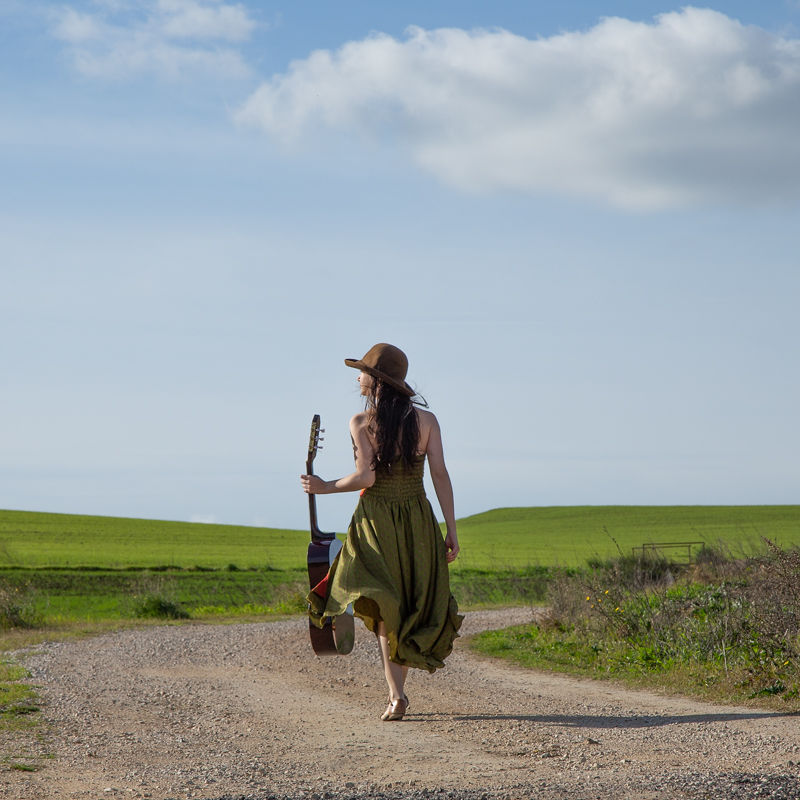
What sound does a route make? And a mountain? What music can you hear as you remain close to a secular tree? If we cannot answer these questions, it is because we have noisy, distracted lives, and we are losing the habit of beauty and wonder that certain natural scenarios continue offering us. Maybe we have also lost the habit of being together, meeting people, sharing thoughts and ideas without using a smartphone.
Artistic Routes Around Enzo Schillizzi (1955-2009)
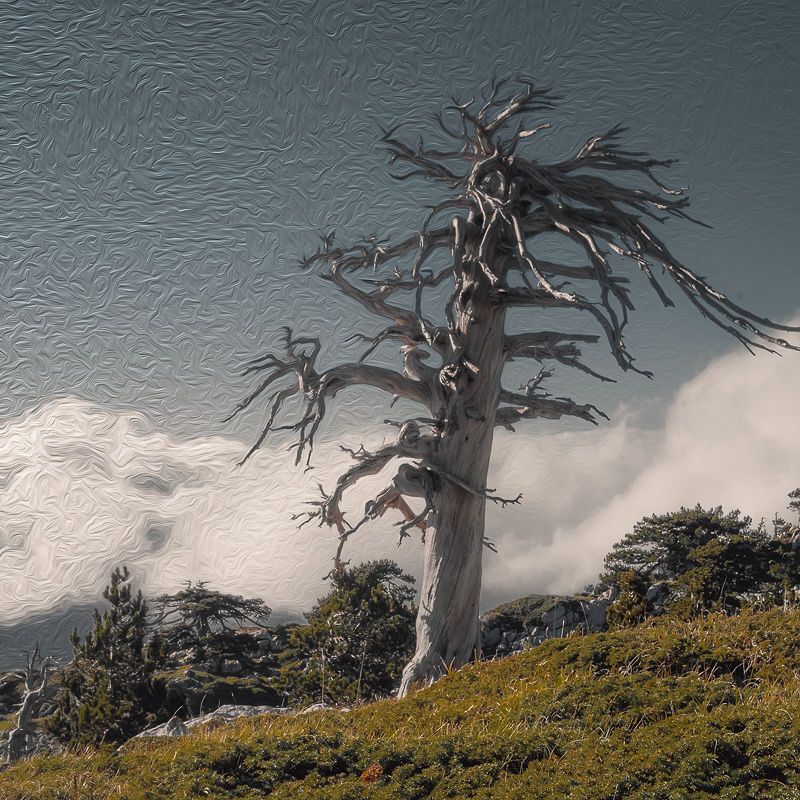
San Costantino Albanese becomes an open-air museum, to celebrate the life and works of its most famous citizen, Enzo Schillizzi.
A theatre production strongly linked to the artist’s homeland and rooted in the community will develop into two differently themed itineraries, the arbëreshe tradition and the rural world, which will be presented to the public on the tenth anniversary of the artist’s death, in a three-day event which expresses the town’s vision of the Capital for a Day event.
Basilicata Roots Festival
Roots anchor us to the land, they make us safe and stable, a place we can grow in. The Basilicata Roots Festival will take place from 29th March to 31st March in Brienza, and will be a tribute to one of its most famous citizens, Francesco Mario Pagano, known as 'the Plato of Naples', who played an important role in the Italian Enlightenment period and in Neapolitan politics. He was a historic and versatile figure, a legislator, a man of letters, and of culture, and a martyr for freedom.
Grassano: Roots And Routes
During the 1930s the writer Carlo Levi was forced into exile in Basilicata and became fond of the local community. The light, landscape, alleys and houses inspired his photographs, paintings and writing, which was used in his masterpiece Christ Stopped at Eboli. This human and artistic experience, can be followed by visitors through a guided tour of the places that inspired Primo Levi, which also shows the attractions of Grassano: Palazzo Materi, with its original late 18th century furniture, the Monumental Crib by the artist Franco Artese, the main church of San Giovanni Battista, the 18th century cloister and ancient 'Capo le Grotte'.
Ancient Hunting In Revertera
Imagine going back to Magna Graecia, obliterating everything that followed: the sounds in particular; now all you can only hear is birds whistling, bushes rustling, moved by forest animals, and water running. The first thing you do is just listen.
In Garaguso we will go back in time for a day, rediscovering actions, tools and ancient flavours at the Marble Temple of Persephone and Palazzo Revertera, a beautiful hunting lodge. This location will inspire a large-scale re-enactment in two different timeframes.
The Christmas Of New Europe. The Route Of The Nativity Scene
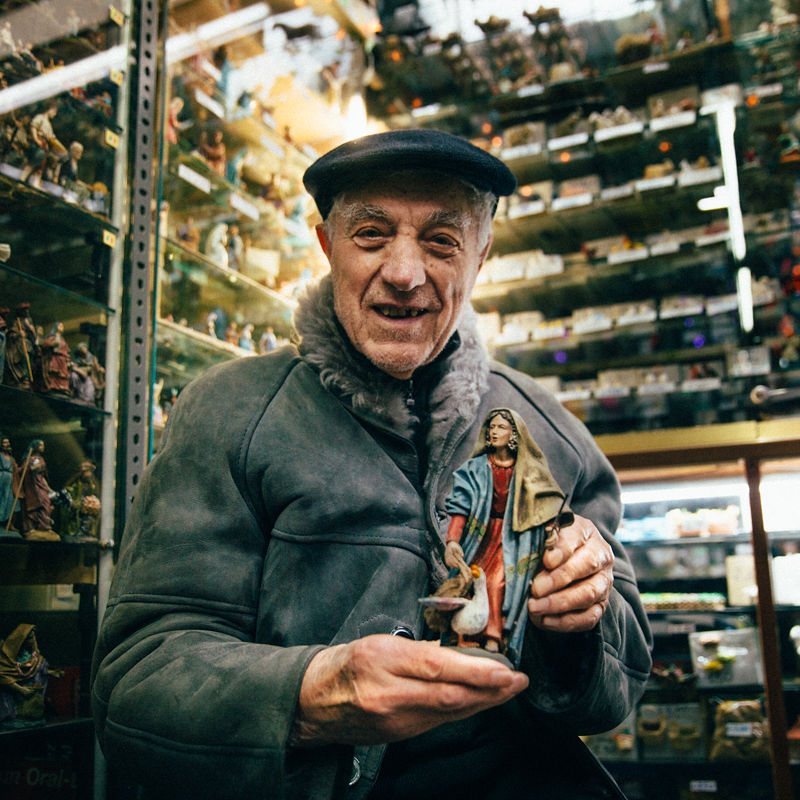
It seems incredible, but in Castronuovo di Sant’Andrea there are actually 250 cribs from all over the world. You can find them in the churches, caves, cellars, and abandoned houses. Most of them are kept in the Vanni Scheiwiller International Crib Museum in the medieval district of Manca. Four hundred years of history and art and craftmanship masterpieces are concentrated in just one town.
MurArtes
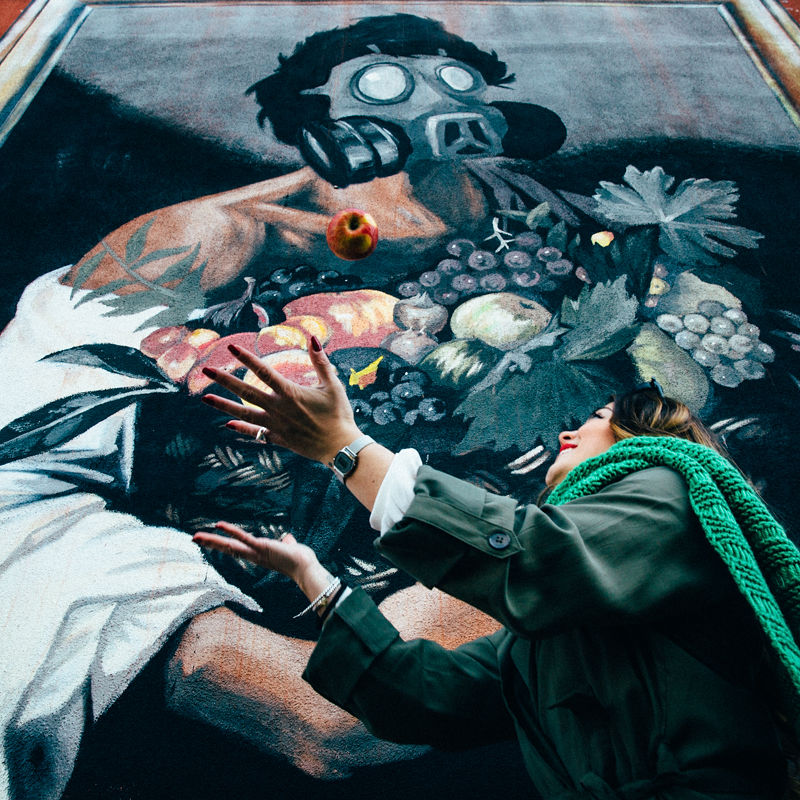
History is not only made of dates but of moments, events, everyday fragments. So what is the best way to represent it if not through images?
This is Calvera’s idea, with the support of the local administration and tourist office: telling the story of the city and its community through the figurative arts.
Calvello - Matera Round Trip
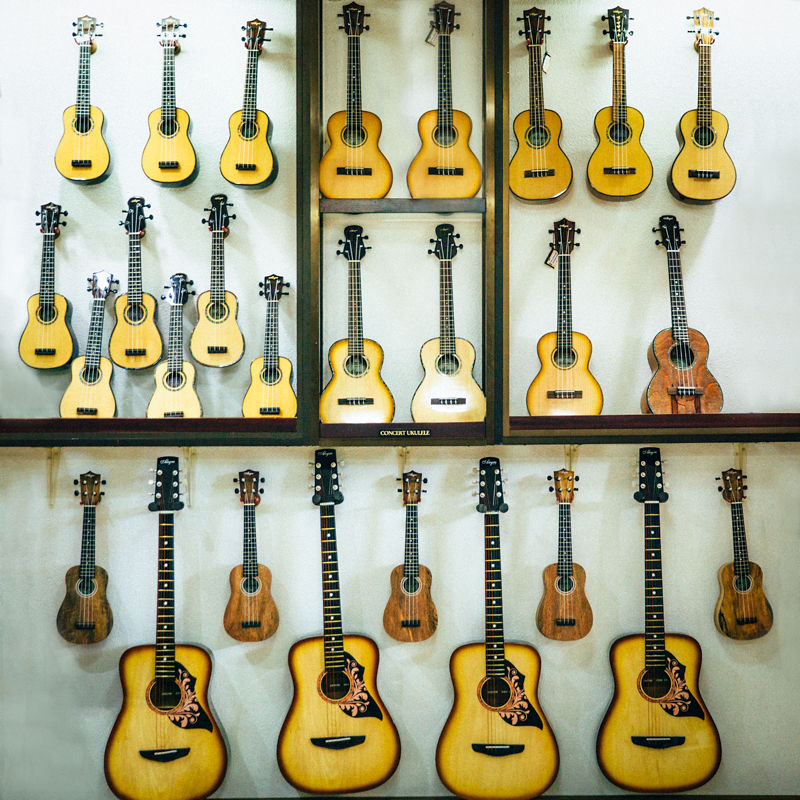
Naples and Basilicata are only part of what used to be the Kingdom of Two Sicilies, which for 50 years covered the south of Italy before Italian reunification. They are divided by aspirations, landscape, geographical and strategic importance, and many migrants from Basilicata moved to Naples seeking a new life.
When Culture Meets Business
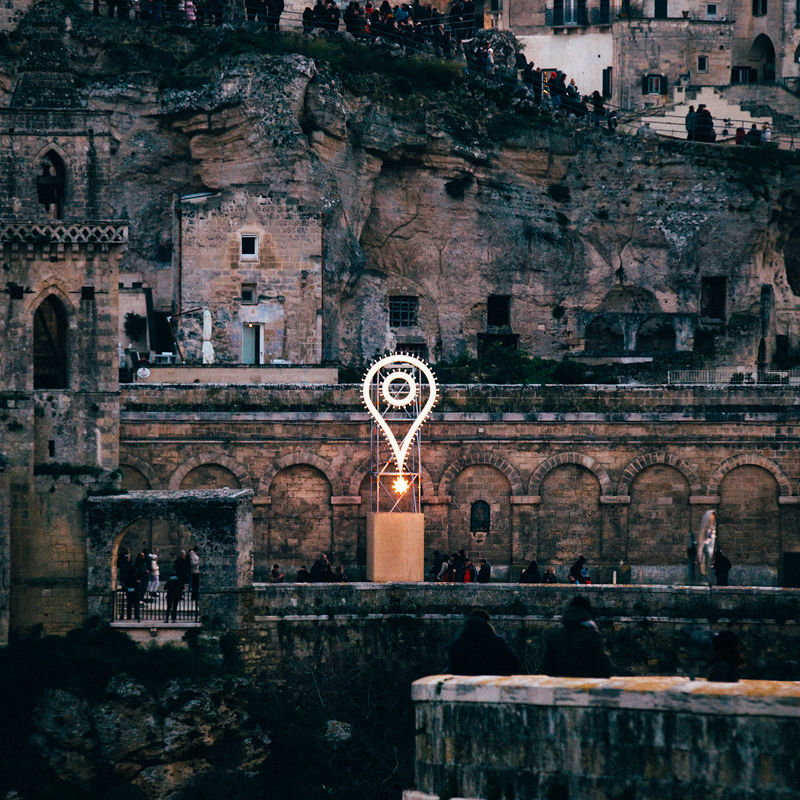
A short film 'Culture meets business' tells some wonderful family stories as an example to follow.
The starting point is very simple: we often consider business and culture as two separate entities, one inferior and the other superior, one with vested interests and the other impartial, one materialistic and the other idealistic. But it’s not like that at all. Especially in a historic time of great change, where small places face an economic crisis and youth emigration, it is helpful to think of culture and business as a single entity.
St Nicholas And The Three Maidens
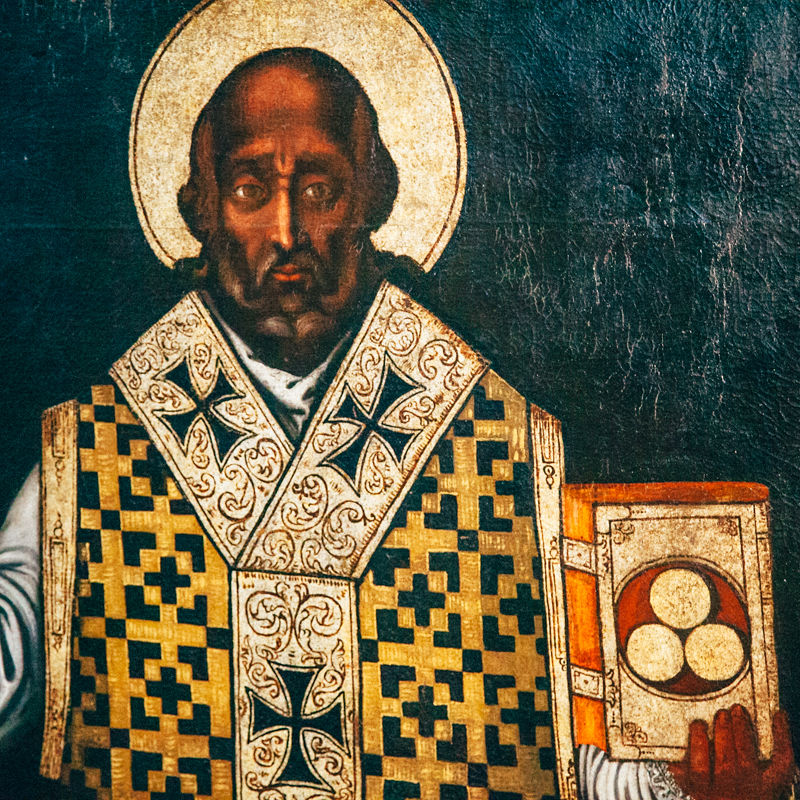
St Nicholas is a superstar! Worshipped and adored, altruistic and tenacious, St Nicholas from Myra inspired the figure of Santa Claus. His cult is shared by the Roman and Orthodox Catholic churches, and he is famous the world over, but nobody has ever made him into music. Until now. 'St Nicholas and the Three Maidens' is a musical, with nine singers and eight dancers, in the municipality of Brindisi Montagna, in a live performance based on important events in his life.
Human Stories
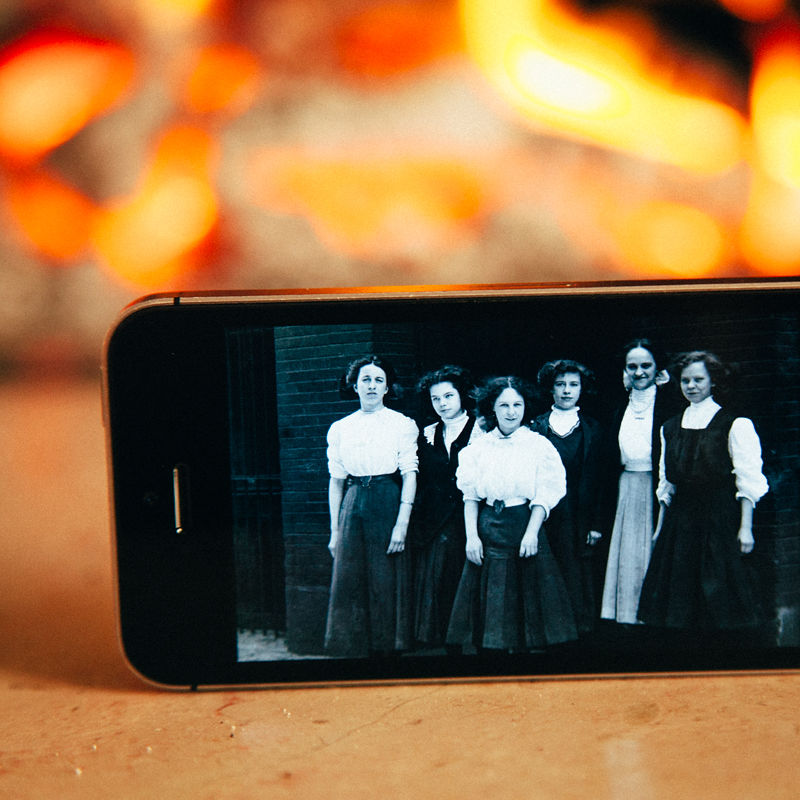
Isabella and Maria Giuseppe Tortorelli are two sisters from Armento, united by hope. In the early 20th century many Italians decide to travel to New York to find a job, and to live a better life. The two sisters find work at the Triangle Waist Company. They make fashionable blouses, that they may never wear.
Siris/Bollita/Nova Siri… A Journey Through History
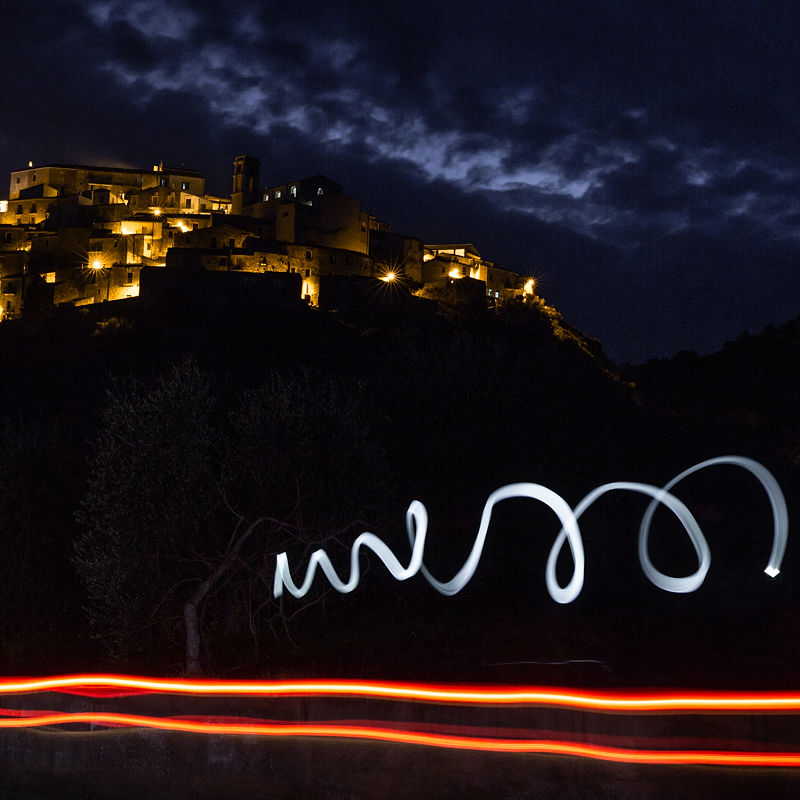
Can a cake change a person’s destiny? Yes, if this timeless delicacy is the 'pastizzotto from Nova Siri', a typical traditional product which inspires “Joe’s Pie” from the final play in the Nova Siri’s Capital for a Day event.
'Joe’s Pie', a pure comedy with a retro edge, written by Elisabetta Tulli and directed by Serena Mastrosimone and Gino Matrunola, will stage a story of smiles and sweetness. The story tells about a small cafe in the suburbs which is waiting for the visit of a famous culinary critic, who is interested in the secret ingredient that makes 'Joe’s Pie' so special.
Flying Tony
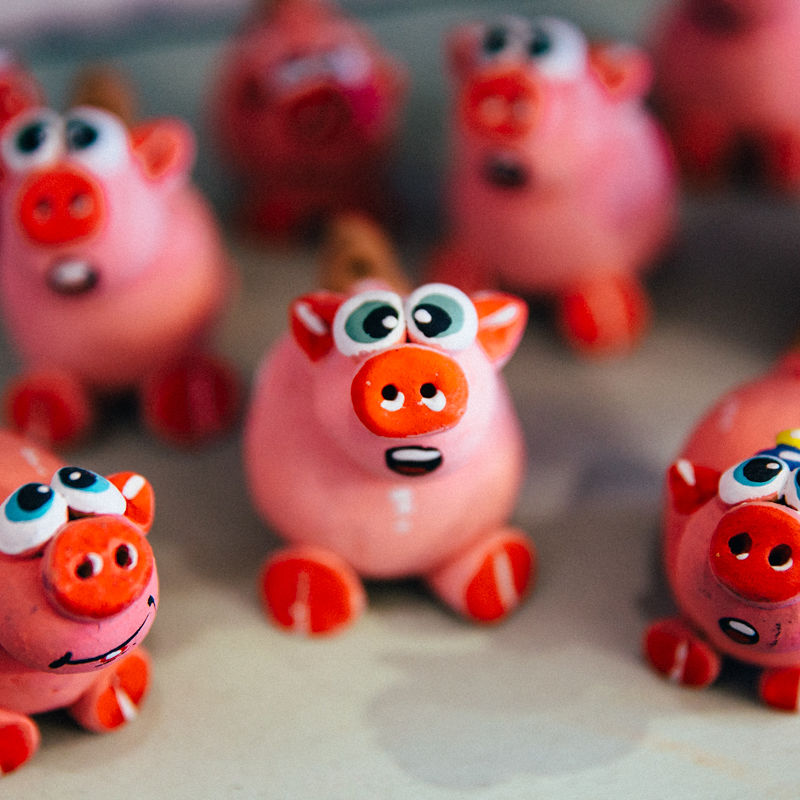
Grottole is a Genuine Old Town near Matera. It has an ancient story, and gets its name from the natural grottoes - prehistoric homes turned into ceramics workshops. Grottole is full of treasures, hidden in the churches, in the ruins of the Lombard castle, and in the beautiful landscape that surrounds it. Despite this, the village is emptying, as many other small Italian villages are, losing their inhabitants and sealing their fate. This is where Tony comes in.
Sacred Stones
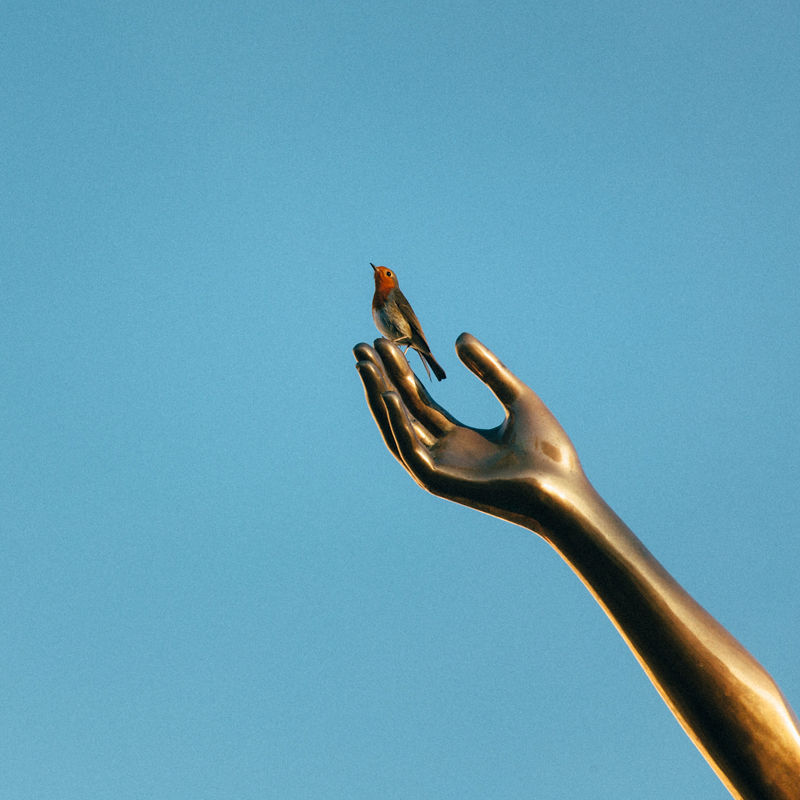
On the night of 21st September 2019, eight beams of light will shine down from the sky. Under every beam, like a treasure at the end of a rainbow, there will be eight cave churches. Visitors will have to just follow the path indicated by the light.
The eight churches on this itinerary are: Santa Margherita, Santa Lucia dei Giaconelli, Spirito Santo and Madonna delle Spinelle in Melfi, and Crocifisso, Santa Barbara, Sant’Elia and Santa Maria della Stella in Rapolla. The churches were built between the 10th and 13th centuries, and link the two towns which already share much history.
Walking with Mary
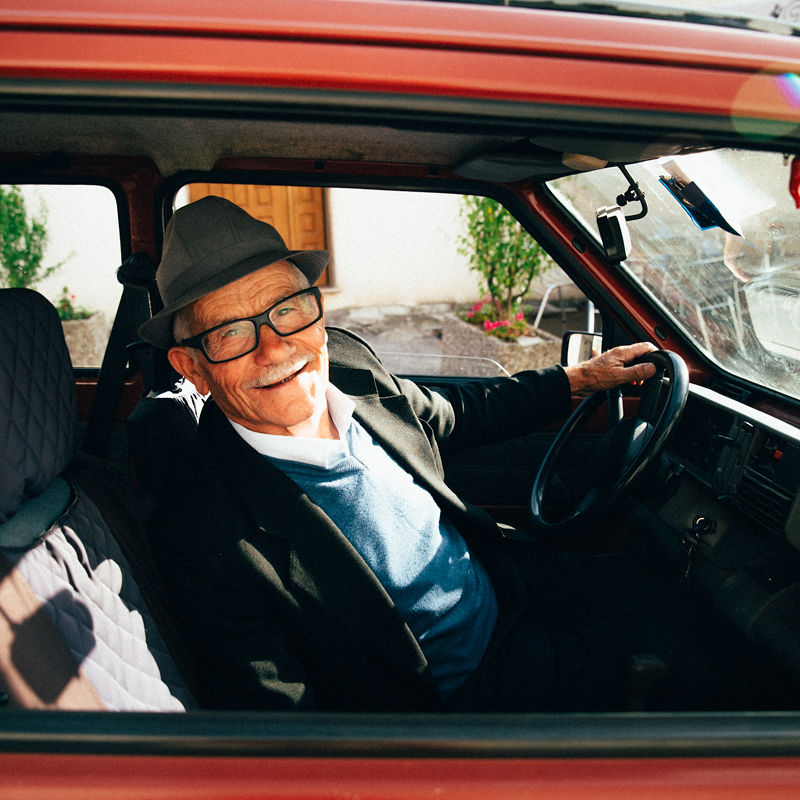
There is a tradition at the Madonna del Pollino Sanctuary in San Severino: walk three times around the temple, on the summit of a cliff, before entering the church on your knees. In the past, the faithful also used to beat their chest, cross the nearby river barefoot as a symbol of purification, touch a holy image with flowers gathered in the woods, or organise nightly wakes.
OPEN THE FUTURE!
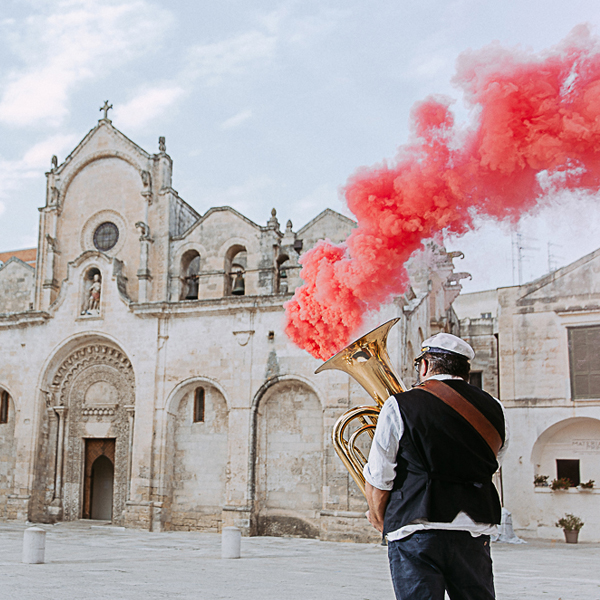
Opening Ceremony of Matera European Capital of Culture
To play in a band, teamwork is needed: not only complete knowledge of the instrument and of music, but also coordination and commitment to creating a common work together. All of this is part of the tradition that for centuries has been carried out by the musicians of Basilicata in the 131 municipalities that make their marching bands a source of local pride and the real cultural strongholds around the area.
These musicians have been chosen to start the opening ceremony for Matera: European Capital of Culture 2019 and they will not do it alone: bands from all over Europe will march alongside, making a total of 2019 musicians who will converge in Matera as they make their way via the main routes from Murgia and Gravina, their music resounding throughout the city streets.
During this extraordinary outdoor party, of unprecedented size, the musicians will be welcomed by residents in their homes in the districts of the city, decorated for the occasion. When the sun goes down, the Sasso Barisano and the Sasso Caveoso will be illuminated by thousands of lights and the technological installations of the Lumen/Social Light project. An exceptional artist, Stefano Bollani, will conduct the musicians during the jam session at 7 pm, followed by the President of the Republic Sergio Mattarella, who will give the official opening speech of the event.
Find out the programme!
Carnevale a Matera 2026
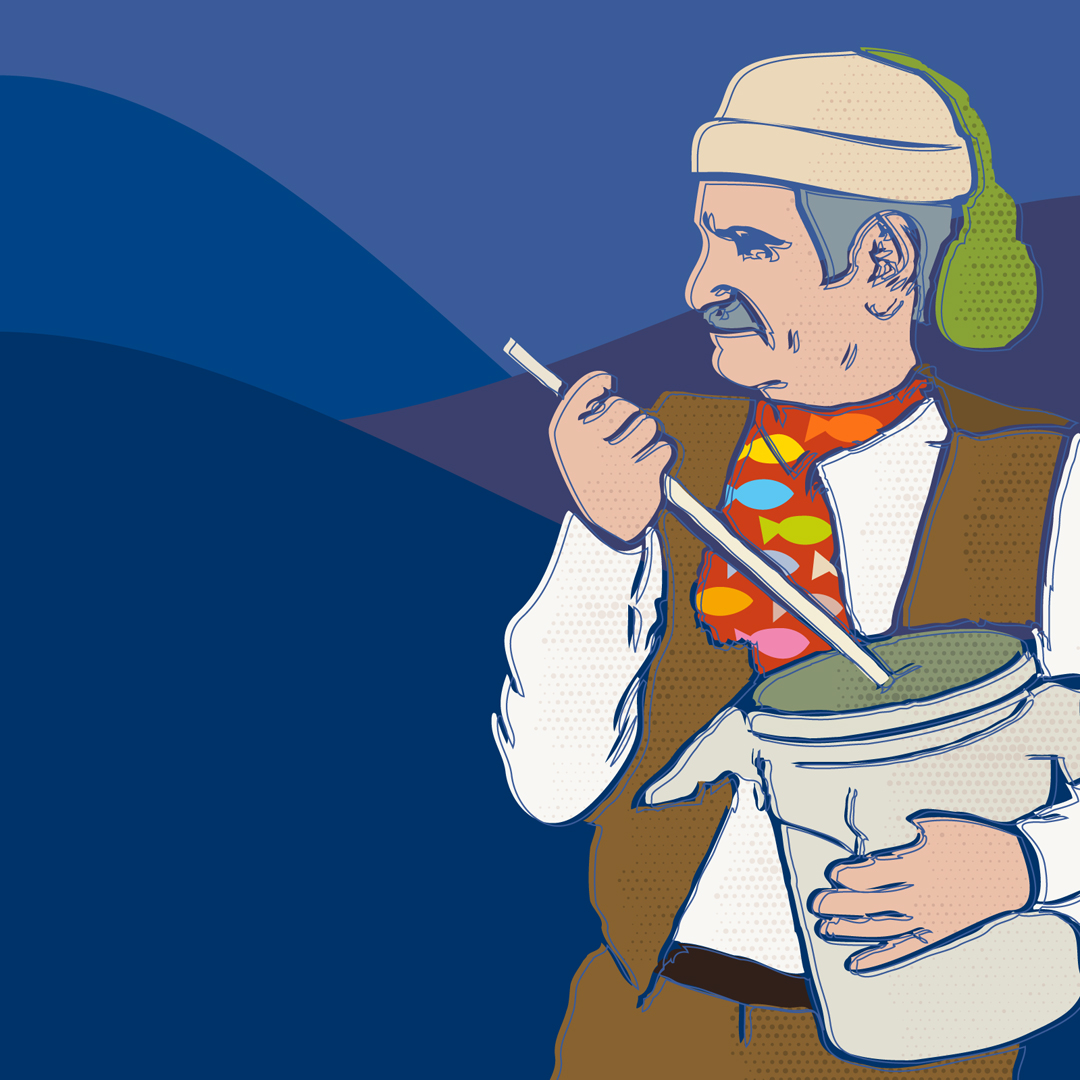
I colori del Mediterraneo.
Matera si prepara ad accogliere la seconda edizione del “Carnevale a Matera – I colori del Mediterraneo”, in programma dal 2 al 17 febbraio 2026, un appuntamento che quest’anno assume un valore simbolico e culturale particolarmente rilevante, inserendosi a pieno titolo nel percorso di Matera Capitale Mediterranea della Cultura e del Dialogo 2026, titolo condiviso con Tétouan, in Marocco.
L’iniziativa, organizzata insieme al Comune di Matera, è a cura dell’Associazione Cupa Cupé e di M.M. Società Cooperativa e si propone come un grande progetto culturale partecipato, capace di intrecciare tradizioni popolari, linguaggi artistici contemporanei e dialogo interculturale.
Il Carnevale a Matera 2026 nasce dalla volontà di restituire alla città una festa autentica, radicata nella memoria collettiva, ma aperta al mondo. Al centro del progetto, infatti, c’è il Mediterraneo come spazio comune, luogo di scambi, migrazioni e contaminazioni culturali, raccontato attraverso musiche, danze e pratiche creative, insieme alle tradizioni carnevalesche locali.
L’edizione 2026 prevede un percorso diffuso, che si svilupperà nel corso delle settimane precedenti il Martedì Grasso e coinvolgerà quartieri, scuole, parrocchie, luoghi di aggregazione e spazi simbolici della città.
Accanto agli eventi, un ruolo centrale sarà svolto dai laboratori partecipativi, dedicati alle danze tradizionali e mediterranee, all’artigianato popolare e alla realizzazione dei fantocci di Carnevale e della cupa cupa, strumento simbolo della tradizione lucana, ma anche alla musica popolare. Attività che coinvolgono altre associazioni come Ragnatela, Resiliens, la cooperativa Oltre l’Arte, artisti e artigiani come Claudio Mola, Donisa Mazzoccoli, Espedito Pozzuoli, Luigia Bonamassa, Eustachio Santochirico e Veronica Scardillo.
Il progetto, inoltre, dedica particolare attenzione alla dimensione sociale e inclusiva: attività specifiche coinvolgeranno la Casa Circondariale, la Comunità Alloggio “Gino Masciullo”, la Sartoria Sociale “Piano A” e il mondo della scuola, grazie alla collaborazione con l’Istituto di Istruzione Superiore “Turi - Morra”, chiamati a partecipare attivamente alla costruzione del Carnevale come spazio di incontro e condivisione.
Il Carnevale a Matera 2026 – I colori del Mediterraneo si pone come uno degli eventi culturali di apertura dell’anno di Matera 2026, contribuendo a rafforzare il ruolo della città come capitale del dialogo, dell’incontro e della cultura nel Mediterraneo.
Qui è possibile scaricare il programma completo delle iniziative del "Carnevale a Matera 2026". Il programma di "Carnevale a Matera 2026 - I colori del Mediterraneo"
Welcome 2026
The new year begins with a shared promise and a great responsibility: in 2026 Matera is the Mediterranean Capital of Culture and Dialogue.
The Foundation's work is dedicated to preserving and nurturing the essence of this land, which expresses itself every day through its creative energies, cultural productions, talents, and stories. These are the elements that make Matera and Basilicata a unique place in the world.
Our goal is to guide these treasures towards new international horizons while maintaining a deep connection with the communities that bring them to life.
Our commitment is to create open, participatory projects where citizens can feel like active contributors to a collective narrative. This narrative draws its strength from both the tangible and intangible heritage of Basilicata: its traditions, cultural landscapes, and millennia of history—shaped by a Middle Ages of encounters, dialogues, and layers of history that continue to resonate today.
In the coming year, we aim to move forward together, strengthening the identity of Matera and Basilicata, and transforming it into a message that can cross the Mediterranean and the world—one that embodies culture, dialogue, and participation.
Stati Generali della Cultura 2025: Matera concludes the journey with a shared look at today’s Mediterranean

The final stage of the Stati Generali della Cultura took place in Matera on 3 December, in the evocative spaces of Casa Cava. It was an intense day, marked by contributions and perspectives that conveyed the image of a living, complex Mediterranean — defined more by continuity than by boundaries. Scholars, administrators, researchers, artists and institutional representatives composed a mosaic of voices that described how cities — large and small, coastal and inland — are working today to redefine their place within this wider scenario.
From the very beginning, a shared awareness emerged: the Mediterranean is not simply a sea or a dividing line, but a network of passages, routes and memories that continue to shape territories and communities. The morning sessions brought to light histories and dynamics that run through the Euro-Mediterranean area, showing how these layers still influence contemporary identities.
The session dedicated to shared cultures focused on themes that have long accompanied the work of the Foundation: the value of relationships between territories, the importance of building solid and inclusive networks, the search for new forms of cultural cooperation. Many of the speakers were figures with whom the city and the Foundation have shared reflections, projects or longer paths over time; their presence highlighted continuity as much as new insights.
The discussion on cultural welfare illustrated how culture can concretely contribute to people’s quality of life — strengthening social ties, countering loneliness, and generating well-being. This topic resonates strongly in the Lucanian context, where in recent years several municipalities and institutions have launched initiatives that weave together personal services and cultural practices.
In the afternoon, attention shifted to cities as places of continuous cultural planning. From Matera to Bari, from local networks to international collaborations, speakers presented experiences showing how culture can become a stable part of administrative processes and daily community life. Matera and Gorizia — both engaged in European and international cultural pathways — offered reflections that linked institutional responsibilities, future visions and opportunities for cooperation.
The day concluded with the screening of Mediterraneo, the official video of Matera Mediterranean Capital of Culture and Dialogue 2026, directed by Alessandro Rak and produced by Riva Dei Ginepri Production and Mad Entertainment Spa for MaTiFF – Matera International Film Festival. The film offered a visual narrative capturing the essence of a Mediterranean that connects, preserves traces, and recomposes memories into new imaginaries.
The gathering at Casa Cava provided the Foundation with yet another opportunity to listen, connect and bring diverse expertise into conversation. A step that propels the journey toward 2026: a path that will continue to weave together research, proximity and openness, looking toward a Mediterranean capable of generating shared visions and meaningful processes of transformation.
The full programme and panel recordings will be available on the website of Il Sole 24 Ore: https://24oreventi.ilsole24ore.com/stati-generali-della-cultura-2025-matera/
Córdoba and Saida, Mediterranean Capitals of Culture and Dialogue 2027: a Mediterranean that grows together
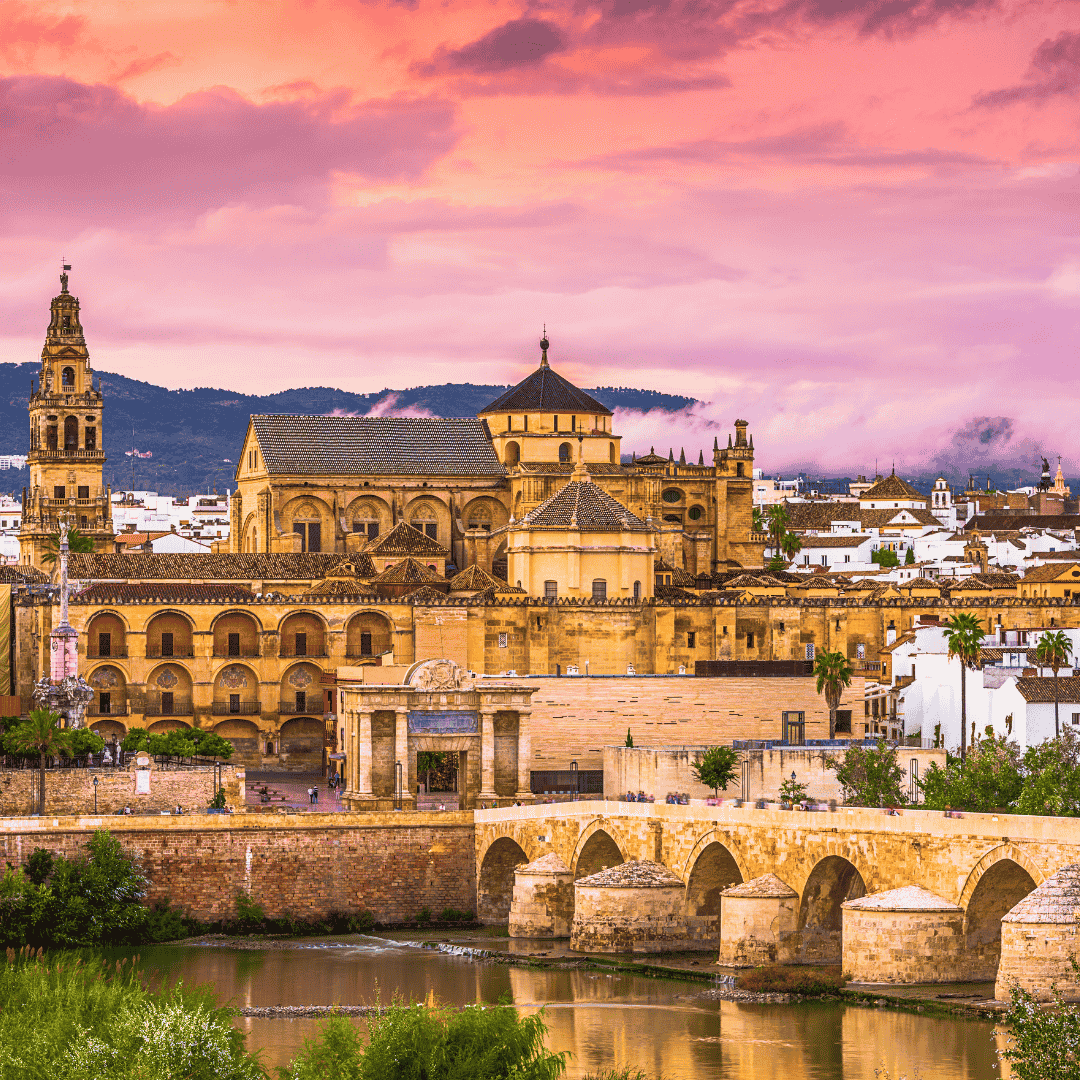
We are glad to welcome the designation of Córdoba (Spain) and Saida (Lebanon) as the Mediterranean Capitals of Culture and Dialogue 2027, announced during the 10th Regional Forum of the Union for the Mediterranean, held on the Mediterranean Day.
The choice highlights once again the growing relevance of the MCCD (Mediterranean Capitals of Culture and Dialogue) programme in strengthening cultural cooperation across the region.
The motivations behind the selection describe two cities that are different yet deeply complementary.
Córdoba, shaped by a long history that saw it as a Roman capital and the heart of the Caliphate of al-Andalus, is today a place of coexistence, intellectual vitality, and a true fusion of cultural languages.
Saida, a coastal city with more than six thousand years of continuous habitation, is one of the oldest crossroads of the Mediterranean—where Phoenician, Roman, Arab, Crusader, and Ottoman memories coexist with a young, diverse, and dynamic cultural scene.
Two perspectives that interpret the Mediterranean identity in distinctive ways and open new paths for dialogue between its shores.
For Matera, Mediterranean Capital of Culture and Dialogue 2026, this new designation naturally extends the shared trajectory already underway.
The Foundation, which has followed the entire process from Matera’s application to the current implementation of the programme, sees in this continuity an important element of the collaborative effort developing within the Euro-Mediterranean framework.
At the same time, international attention to the MCCD programme has continued to grow.
During the meeting of the EU Council of Ministers of Culture, the Italian Minister of Culture Alessandro Giuli highlighted the significance of the 2026 edition of the Mediterranean Capitals of Culture and Dialogue, which will involve Matera and Tétouan in a year dedicated to cooperation between the northern and southern shores of the Mediterranean. He emphasised the initiative’s cultural and social value, underlining the need for shared efforts to counter forms of exclusion, discrimination, or marginalisation based on ethnic or religious identity, and encouraged European partners to support more open and collaborative approaches.
Stati Generali della Cultura 2025: Matera hosts the final stage
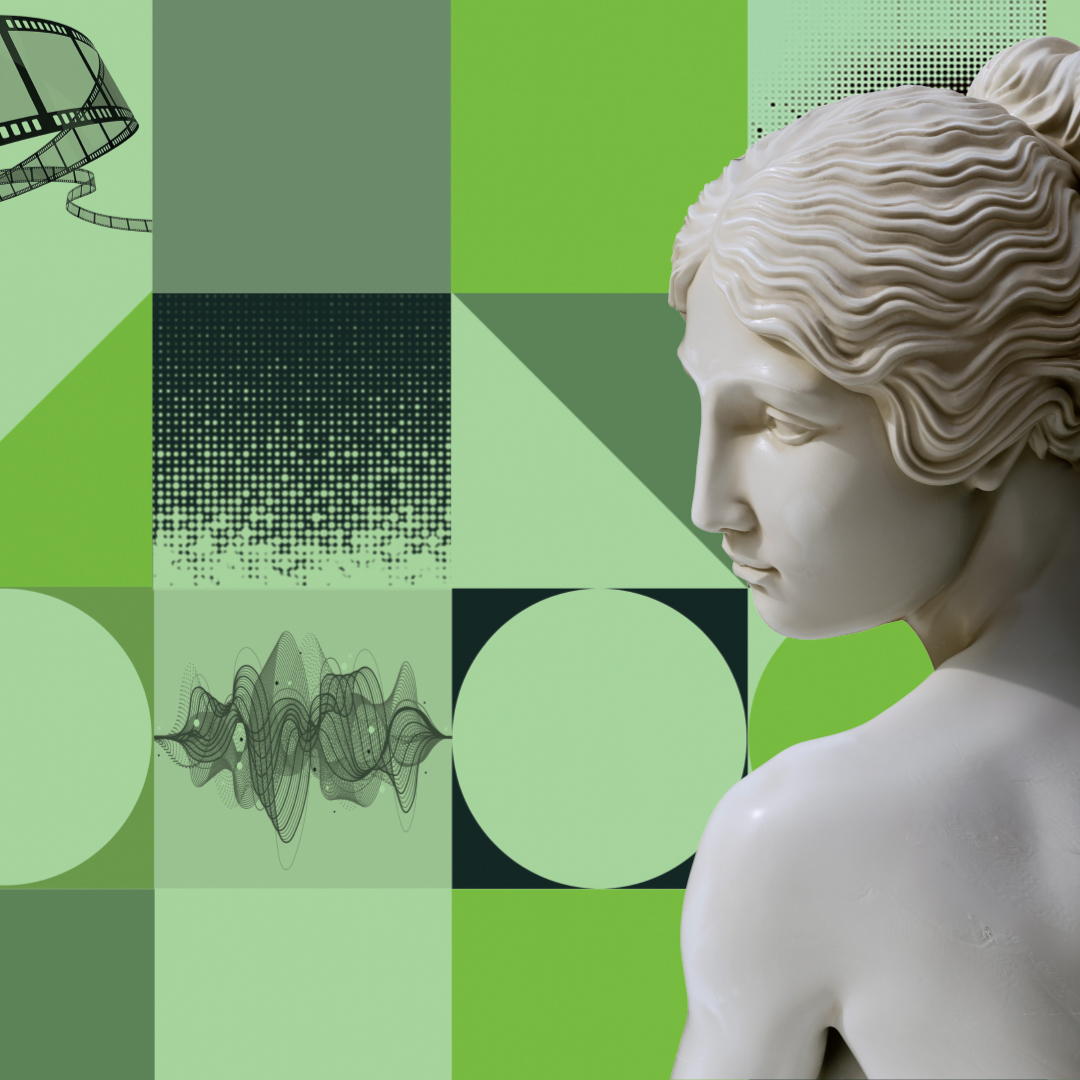
On 3 December, the Stati Generali della Cultura 2025 will arrive in Matera for the closing event of this year’s programme. For us it is a moment that allows us to reconnect with relationships, encounters and collaborations that have shaped shared visions and projects over the past years.
Together with the Municipality of Matera and Il Sole 24 Ore, we have prepared a day that brings together different voices and perspectives. Many of the speakers have accompanied or crossed our path at various moments, helping to weave that geography of relationships which now sustains the vision of Matera as the Mediterranean Capital of Culture and Dialogue 2026.
The programme focuses on themes that are particularly close to us: the cultural routes linking Europe and the Mediterranean, the identities stratified across inland landscapes, cities as crossroads of stories and proximity, and cultural welfare as an infrastructure of well-being and social cohesion. A dialogue shaped by ideas and practices that inhabit and transform the “inner” Mediterranean.
Throughout the day, scholars, administrators, writers, economists and cultural practitioners from across Italy and the Mediterranean will take the stage. We will begin with the stories and routes that have shaped the Mediterranean, moving into the themes of shared cultures, cities as places of research and innovation, and cultural welfare as a lever for community well-being. The afternoon will feature authorial reflections and experiences that are reshaping territories, leading towards the perspectives connected to Matera 2026.
For us this event is an opportunity to continue the work that defines us: weaving relationships, creating dialogue between different experiences, and fostering a cultural ecosystem that remains inhabitable, shared and forward-looking.
A day open to both in-person and online participation, to imagine together what awaits us in 2026 and beyond.
>> The full programme and free registration are available at this link: https://24oreventi.ilsole24ore.com/stati-generali-della-cultura-2025-matera/
The visual identity of Matera Mediterranean Capital of Culture and Dialogue 2026
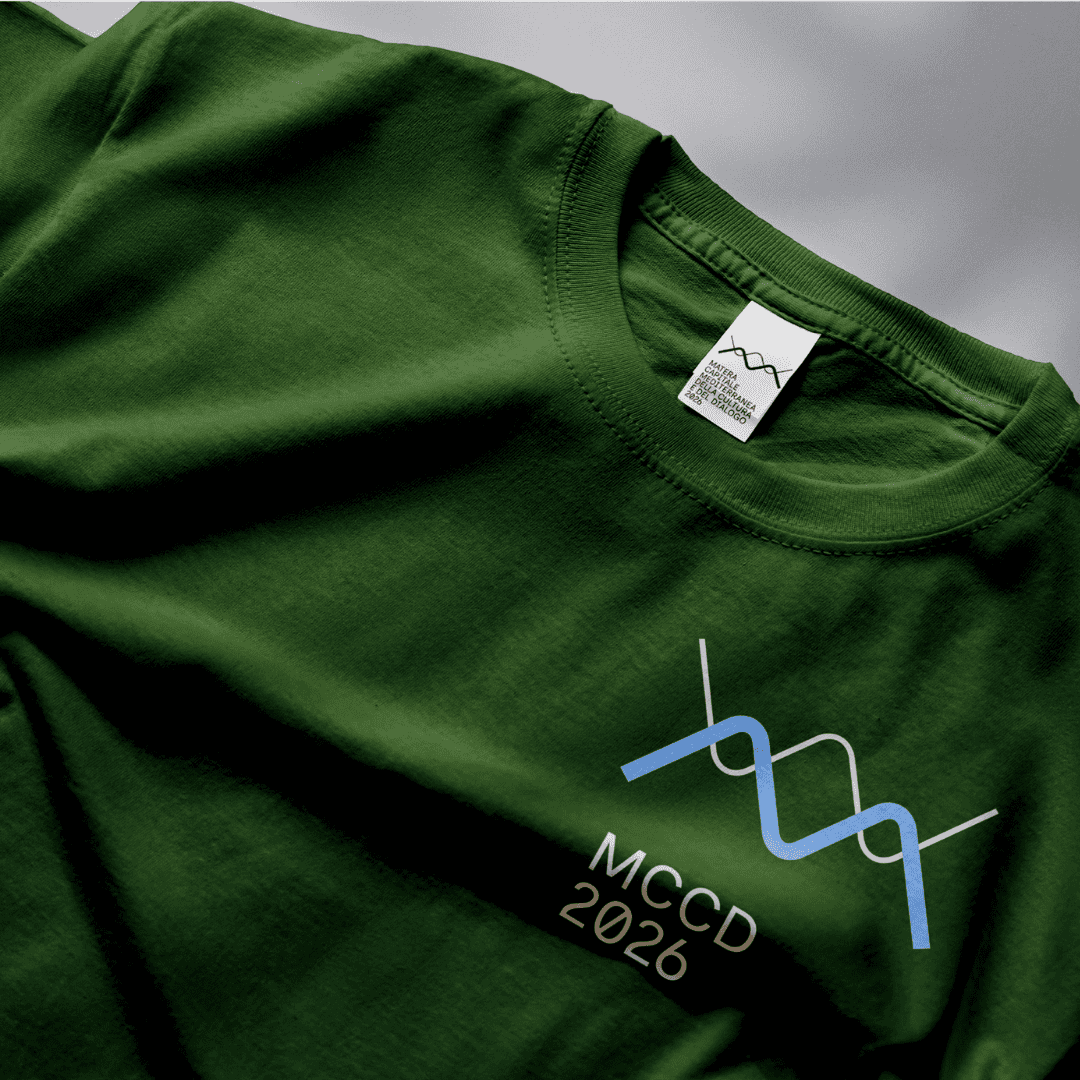
Here is the official logo of Matera Mediterranean Capital of Culture and Dialogue 2026 that is the result of a public call launched in collaboration with AIAP – the Italian Association for Visual Communication Design.
The logo was selected from among 80 proposals submitted by Italian and international design studios, evaluated by a panel of experts. Five finalists were invited to develop full projects. The competition also required the active involvement of young professionals under 25 as part of the creative teams.