


2018 NUOVE CATEGORIE
Build up
- Campo aggiuntivo 5:
40 invited participants
8 topics
10 full-time working days (80 hours)
28 teaching activities and reports
6 different headquarters
45 meters of “nomadic walls”, which were set up to draw up a shared vocabulary
More than 10.000 kms travelled by participants
Human resources play a key role in the management of complex events such as the ECoC. For this reason, we worked out a capacity building programme that allows to undertake innovative initiatives and at the same time to provide the existing cultural facilities with a pool of collaborators for future actions.
The Build-up is a systemic capacity-building programme (skills enhancement) for local socio-cultural operators. The characterizing topics of the programme are: guidance to collaboration, overcoming state assistance dependency, setting up international networking, researching new models of sustainability and entrepreneurship, sensitiveness to social issues.
BUILD-UP ADDRESSED TO MAKERS AND LINKERS
Who are the Makers and Linkers?
They are 40 professionals (50% of them juniors) selected through a public call targeting, in particular, young people under 30, with the aim of investing in their growth and creating a nursery of experts who will be able to use the acquired skills in Matera and in the South also after 2019.
More than 50% of Makers and Linkers come from the regions included in the EU Convergence Objective, namely Puglia, Calabria, Campania and Sicily. These resources have consolidated international management skills along with a strong bond with Basilicata and the South of Italy which will make them sensitive to the local context.
The Build-up process addressed to Makers and Linkers allowed them to acquire a common language linked to the philosophy of Matera 2019 and to the development and implementation of relevant projects.
Objectives:
- to create a register of professionals in cultural management and production (Makers) and of experts in public involvement (Linkers) which will be made available for both Matera Basilicata 2019 Foundation and every implementing body of the projects in Matera 2019 cultural programme according to their specific needs;
- to provide the selected professionals with a tool kit to make them ready to face the challenges of such a complex project as ECoC. A customized training including guided workshops and hands-on practice, was organized to engage the trainees in relevant European realities and make them grasp the size and complexity of the ongoing processes;
- speaking the same language: the whole process has been characterized by building up a shared new vocabulary at the end of each work session in order to have a common nomenclature and a new semantics built up together to deal with this complex project. The collective vocabulary will become a powerful tool that can fuel and be fuelled up by all further debates about Matera 2019, especially the ones related to the concrete outcomes;
- create parallel links between two dimensions: Matera and Europe on one side and Matera and the South of Italy on the other. The places of origin of the participants and their cultural experiences were used to set up a network between Matera 2019 project and the European dimension, made up of projects, programmes, other cultural models and other methods for facing similar problems. The visionary Matera 2019 project, is a unique opportunity for the whole South of Italy to bring (back) “home” the skills acquired around the world and use them steadily. A human heritage of knowledge that mustn’t be spoilt;
- build up a cohesive group of people and professionals, who can work as part of a team, share their experiences and competences and give added value to Matera 2019 programme.
Co-creation
- Campo aggiuntivo 5:
Build up - Workshop & Camp
During the build-up to the project, the Project Leaders worked together to improve their skills and knowledge of the cultural system and ecosystem of Matera and of Basilicata.
This capacity-building process included a series of workshops and a collective camp, during which the participants worked, ate and relaxed together. In view of the important goal of 2019, this process led to the development of in-depth executive planning as a result of the work done together.
1st workshop from 26th to 27h Jun 2017
2nd workshop from 10th to 11th Jul 2017
3rd workshop from 17th to 18th Jul 2017
The camp
4th workshop from 25th to 26th Sep 2017
Designing and implementing 27 projects, among more than 50 projects included in the winning bid book was the main objective of the co-creation phase during which Matera 2019 worked together with the local creative communities selected through the public call for project leaders.
After the capacity building programme focused on European dimension, artistic dimension, management, production of outputs for the audience and sustainability of productions, the participants drew up an in-depth executive project developed from the exchanges and the work carried out together.
A further call for proposals led to the selection of the best executive projects in which to invest the resources of Matera 2019. The implementing work will last throughout 2018 in order to be included in 2019 planned activities.
Co-creation of the Matera 2019 projects WS #4
- Immagine condivisione Facebook:
- Immagine 1:
- Campo aggiuntivo 5:
Report by Marina Gemma, digital volunteer of Matera 2019 web team
The other phases of co-creation:
1st workshop from 26th to 27h Jun 2017
2nd workshop from 10th to 11th Jul 2017
3rd workshop from 17th to 18th Jul 2017
The camp
4th workshop from 25th to 26th Sep 2017
The fourth workshop for our thirty-one project leaders was held on the 25th and 26th September at the Foundation “Sassi” in Matera.
The “co-creation” phase is coming to completion. The project leaders have acquired the necessary know-how and exchanged ideas to improve the quality of their projects. Concurrently, Ariane Bieou, the Cultural Manager, with the assistance of Agostino Riitano, Ida Leone and other collaborators, has had the possibility to coordinate and monitor progress as well as to evaluate critical issues and potentials.
We have to imagine the work progressing on two levels:
- vertical: each project leader develops his/her own project;
- horizontal: project leaders follow directives and insights given by the Cultural Manager based on the criticalities and the themes that individuals have in common.
The camp of project leader
- Immagine 1:
- Campo aggiuntivo 5:
Report by Tiziana Medici e Paolo Fedele, digital volunteers of Matera 2019 web team
The other phases of co-creation:
1st workshop from 26th to 27h Jun 2017
2nd workshop from 10th to 11th Jul 2017
3rd workshop from 17th to 18th Jul 2017
The camp
4th workshop from 25th to 26th Sep 2017
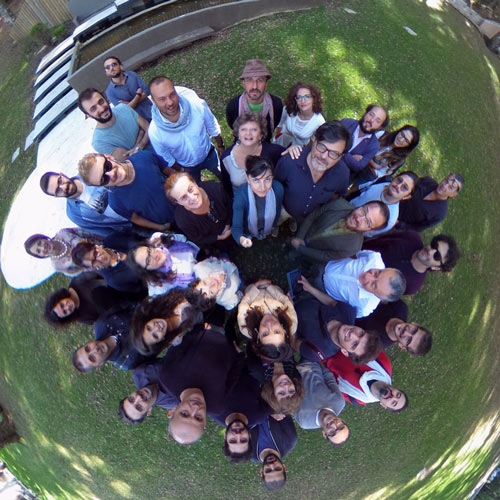
The road leading to Rifreddo, which reaches a height of 1,174 metres at the pass, is a path towards meditation. Imagine a place of wonder, surrounded by silence, almost completely isolated. Imagine 31 Project Leaders who represent almost the whole artistic, cultural, musical and production sectors of Basilicata. Imagine that the conductors are Ariane Bieou,the Foundation's cultural manager, Agostino Riitano, expert in cultural policies, and Ida Leone, head of the Build Up programme. Close the doors, the windows and any possible escape route for four days! Mix everything together with authorized external incursions of experts, facilitators and energizers, and the result is the Camp for Project Leaders.
Co-creation of the Matera 2019 projects WS #3
- Immagine 1:
- Campo aggiuntivo 5:
Report by Fabio Rizzi, digital volunteer of Matera 2019 webteam
The other phases of co-creation:
1st workshop from 26th to 27h Jun 2017
2nd workshop from 10th to 11th Jul 2017
3rd workshop from 17th to 18th Jul 2017
The camp
4th workshop from 25th to 26th Sep 2017
A digital volunteer from the Matera 2019 web team also participated to this co-creation workshop with the 31 project leaders commissioned to develop, together with the Foundation, 20 projects of the 2019 cultural programme. Here is Fabio Rizzi’s account.
The third co-creation workshop of the Matera 2019 projects took place on the 17th-18th July;these meetings are part of an actual educational course - defined in the build up cultural area - which the 31 project leaders must participate in, i.e. the legally recognized local association networks, selected following a Matera-Basilicata 2019 Foundation Public Call.
Co-creation of the Matera 2019 projects WS #2
- Immagine condivisione Facebook:
- Immagine 1:
- Campo aggiuntivo 5:
Report by Mimino Ricciardi, digital volunteer of Matera 2019 web team
The other phases of co-creation:
1st workshop from 26th to 27h Jun 2017
2nd workshop from 10th to 11th Jul 2017
3rd workshop from 17th to 18th Jul 2017
The camp
4th workshop from 25th to 26th Sep 2017
A volunteer from the Matera 2019 web team will attend each event dedicated to the co-creation process, both to participate closely in the production of the Matera 2019 cultural programme and to write-up an account that will be made available to everyone. This week was Mimino Ricciardi’s turn. Happy reading ;)
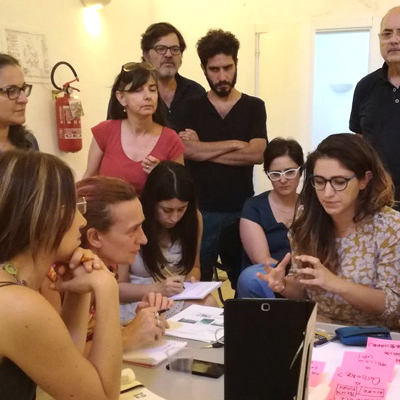
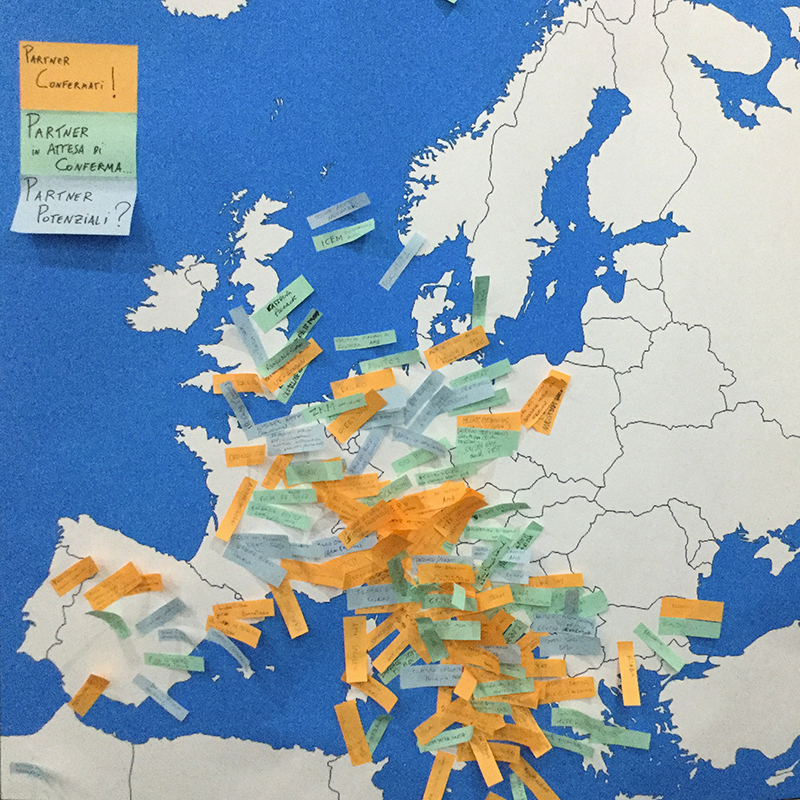
The Sassi Foundation hosted the second co-creation workshop with the 31 Project Leaders that have been commissioned with the development of various projects from the OpenFuture bid book. A two-day workshop held on 10th-11th July which focused on the artistic dimension during which the participants had the opportunity to perfect the evaluated projects.
Co-creation of the Matera 2019 projects WS #1
- Immagine 1:
- Campo aggiuntivo 5:
The other phases of co-creation:
1st workshop from 26th to 27h Jun 2017
2nd workshop from 10th to 11th Jul 2017
3rd workshop from 17th to 18th Jul 2017
The camp
4th workshop from 25th to 26th Sep 2017
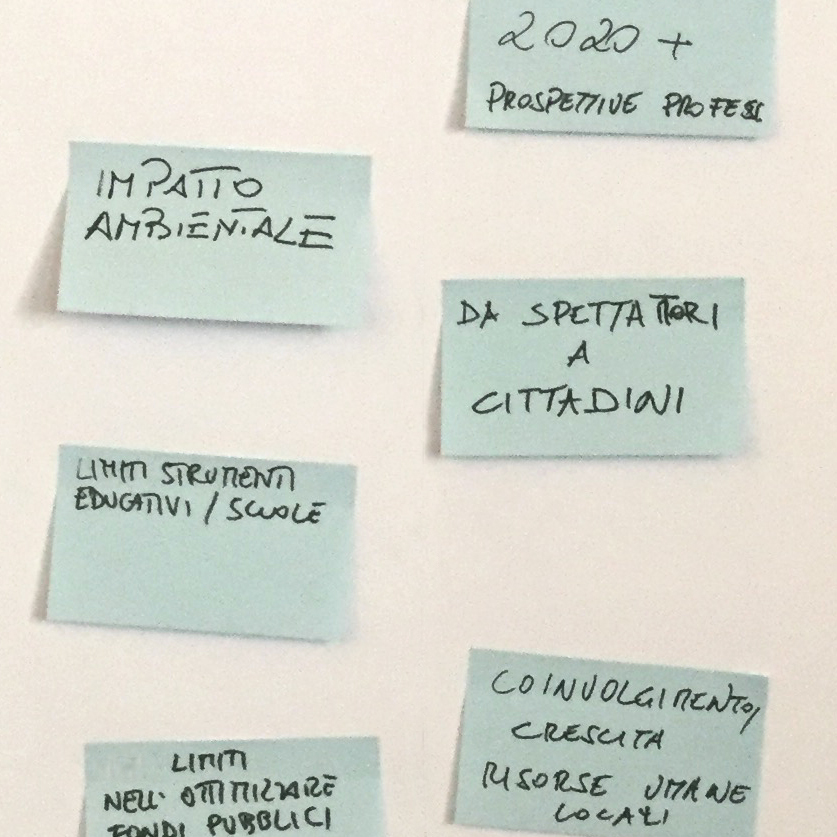
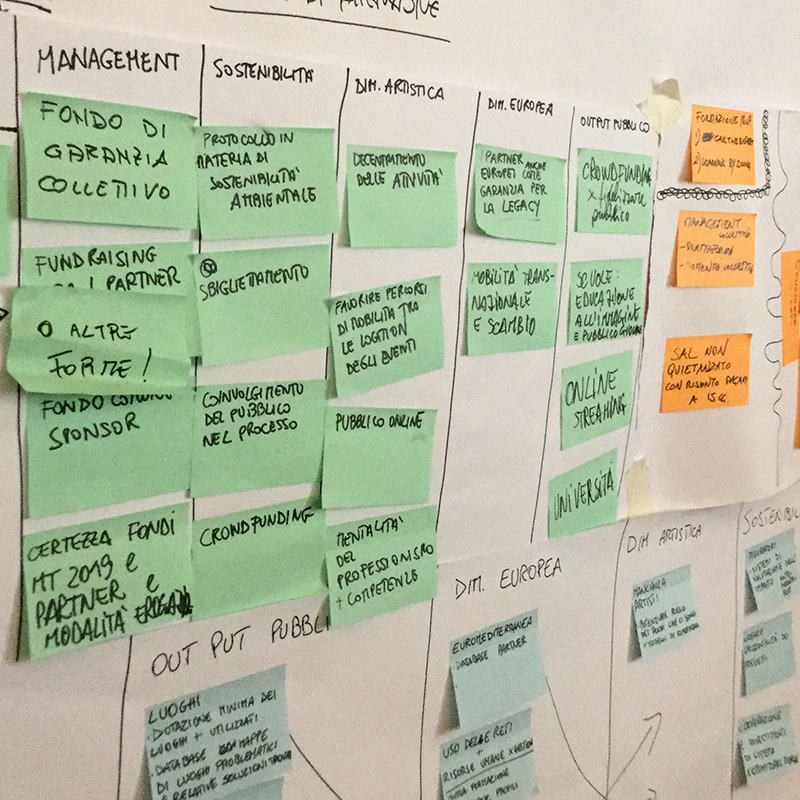
62 participants on the first day, 31 on the second, 20 pads of used Post-it notes, 10 metres of A2 paper sheets laid out, 10 dried out marker pens, numerous litres of water drunk to combat African heat: these are the numbers of the first co-creative workshop starring 31 Project Leaders, selected following a Matera – Basilicata 2019 Foundation Public Tender to design and develop 20 of the 50 plus projects of the winning bid book.
IAC Centro Arti Integrate Go&See #1
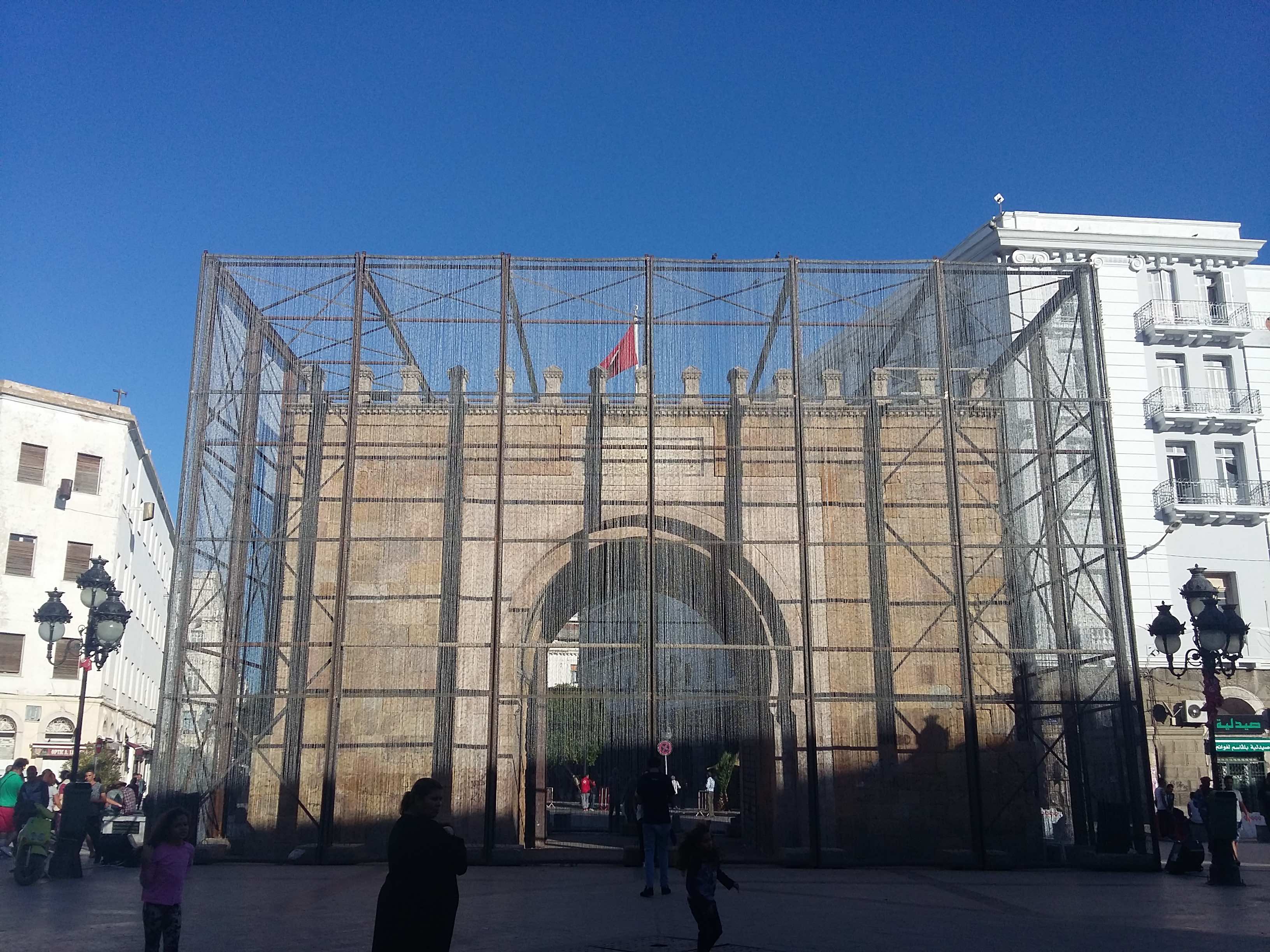
La meta del viaggio è stata Tunisi. Probabilmente la città è in questo momento un punto di riferimento per le arti performative della zona nord africana.
A differenza di altre aree del paese Tunisi vive un intenso ed interessante fermento artistico. Sono davvero numerose le esperienze che prendono vita, e molte sono in contatto continuo con gli scenari internazionali.
Ci è capitato di incontrare una compagnia di teatro di figura che lavora con pupazzi di gommapiuma e che porta i suoi lavori in molti festival internazionali.
Ma forse la realtà che sembra concentrare le più innovative esperienze artistiche, in particolare modo di teatro e danza, è L’Art Rue, una organizzazione che ha sede nella Medina (centro storico) di Tunisi.
Da molti anni obbiettivo dichiarato è quello di far abitare le arti performative all’interno di un luogo difficile. In questa chiave si inseriscono i progetti di collaborazione che l’organizzazione ha messo in piedi e il festival Dream City, vera e propria bomba artistica in un contesto diversamente dimenticato.
Tra le realtà che sono ospiti de L’Art Rue c’è anche l’associazione Corps Citoyen, un collettivo di artisti di origini Tunisine e Italiane.
Corps Citoyen lavora sulla mise en space di spettacoli costruiti con ragazzi che vivono nella medina.
Conoscevamo il collettivo artistico da qualche tempo e nella ideazione del nostro progetto per Matera 2019, quando ci siamo interrogati sul modo per coinvolgere una dimensione europea, in maniera molto naturale abbiamo immaginato un’Europa non chiusa nei confini geografici ma allargata alle persone che si sognano europee.
Abbiamo proposto a Corps Citoyen di entrare nel partenariato, per lavorare insieme sui ragazzi, coloro i quali probabilmente saranno i cittadini europei di domani.
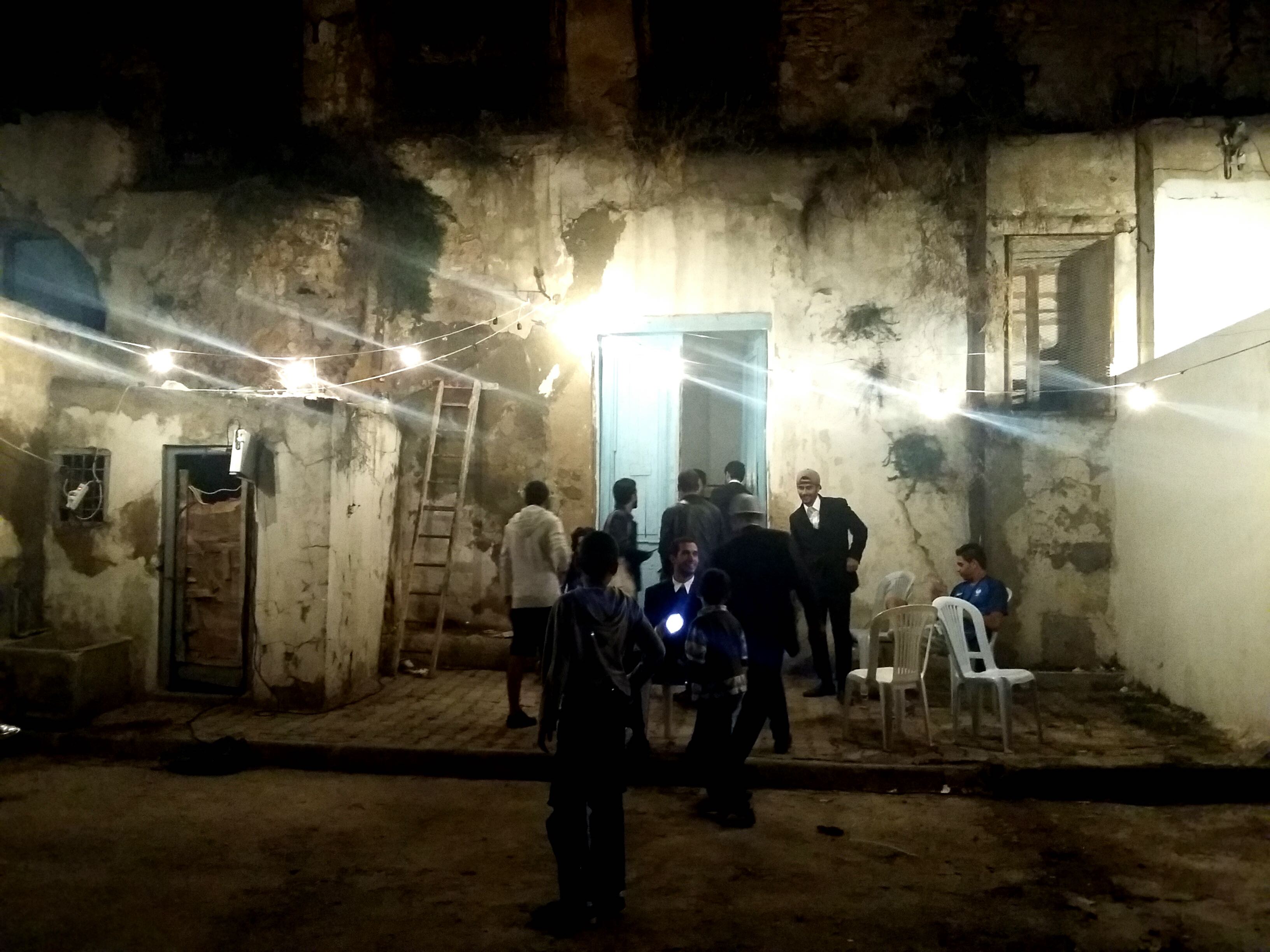
Durante il goo&see abbiamo assistito ad uno spettacolo itinerante con ha come tema le frontiere che dividono il mare mediterraneo. Un matrimonio tra le due sponde, a celebrare la fine sperata delle mura che le separano, la nascita di una narrazione nuova, che vede uomini e donne liberi di viaggiare come di restare.
Durante i giorni di permanenza abbiamo avuto modo di confrontarci sui rispettivi linguaggi artistici, sulle similitudini e sulle differenze. Il confronto è stato molto interessante, ci ha aperto nuove prospettive e nuove visioni sul mediterraneo e sul fenomeno della migrazione.
Nostro intento era anche quello di arrivare in Libia per coinvolgere una organizzazione che sta provando a fare teatro remando in modo caparbio contro corrente. Non è stato possibile poiché in questo momento c’è un nuovo inasprimento del conflitto interno, ma non demordiamo, proveremo a coinvolgerli comunque, per premiare quel coraggio da cui ci sentiamo contagiati anche un po’ noi.
Al termine del viaggio portiamo a casa un bel po’ di stimoli; è tempo di riorganizzarli e di rendere solido il nostro progetto.
IAC Centro Arti Integrate Go&See #2
Ci sono due modi per vedere Berlino dall'alto: il primo è salire sulla torre della televisione, nel cuore di Berlino, con un ristorante panoramico che girando permette la visuale su tutta la città. Si accede con un ascensore che in 40 secondi fa oltre 200 metri. Un viaggio brevissimo durante il quale non puoi vedere l'ascesa ma in pochi secondi sei sul tetto d'europa. è una sensazione mozzafiato, si accede ad un punto panoramico che ruota a 360° dove c'è un ristorante i cui prezzi sono proibitivi e dove puoi restare per poco tempo.
Il secondo modo di vedere la città è salendo a bordo di una recente attrazione: nei pressi del ceck point Charlye una mongolfiera ancorata a terra sale fino a 150 metri di altezza con a bordo un piccolo gruppo di persone. La salita in questo caso è molto più lenta e si ha la sensazione graduale del distacco dal terreno e della lenta scoperta; in altre parole una presa di coscienza consapevole di quello che ti circonda.
Il nostro secondo go&see ci ha provocato questa riflessione: come riuscire nella scommessa di far diventare i nostri progetti, le nostre produzioni artistiche di rilievo europeo? Beh! Ci sono almeno due strade: sfruttare l'ascesa rapida ed arrivarci in poco tempo e sentire il brivido di tutto e all'improvviso, oppure procedere un po' più gradualmente prendendo coscienza di quella salita che è ricca di particolari e che piano piano si fa meraviglia.
Berlino fa un po' questo effetto, l'effetto che dovrebbe fare tutta l'europa: fa nascere tante domande. E' una città mitologica bifronte, da una parte seduce con la miriade di possibilità che offre; dall'altra scoraggia e spaventa per l'estrema quantità di cose e per lo sconforto che provoca in tutte quelle anime artistiche che arrivate qui si perdono nel mare dei "creativi".
Forse anche questo è il senso della proposta materana, di una capitale europea della cultura ricca di altro tipo di contraddizioni ma sicuramente ricca anche di possibilità nuove.
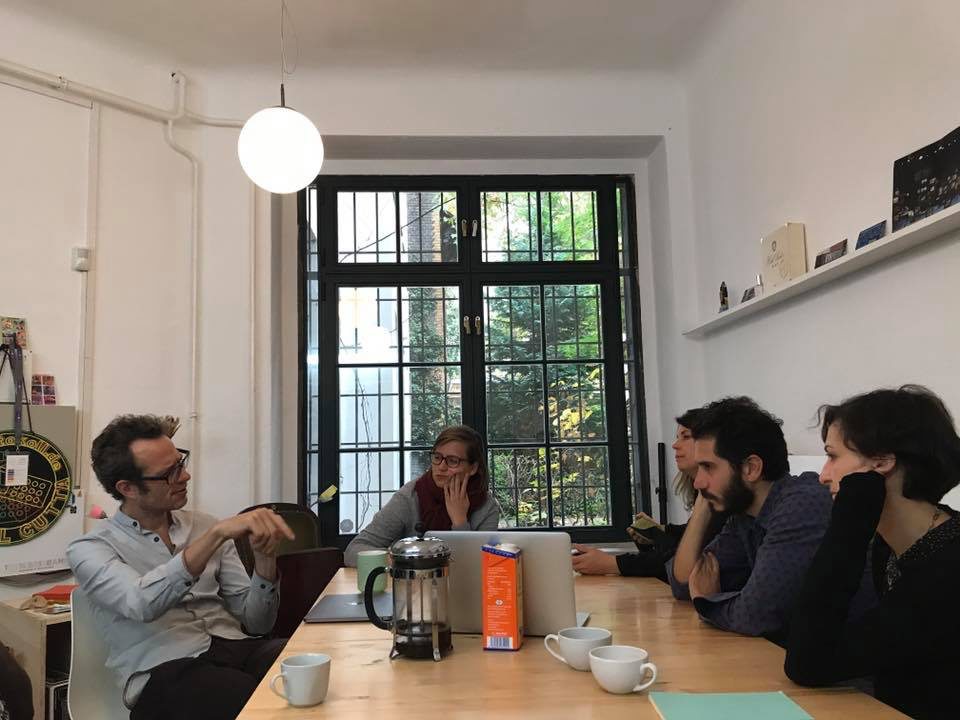
Il primo giorno di go&see a Berlino abbiamo avuto la fortuna di incontrare di Rimini Protokoll, per presentare e raccontare a Stefan Kaegi e al resto del team il progetto di Matera 2019, "Matera Città Aperta", di cui siamo Project Leader.
Ci siamo confrontati sui progetti di ognuno e provato a immaginare connessioni per progetti comuni.
Il lavoro da fare sarà moltissimo, ma abbiamo ricevuto i complimenti per l’idea di messa in scena dello spettacolo e abbiamo registrato un interesse da parte di Stefan.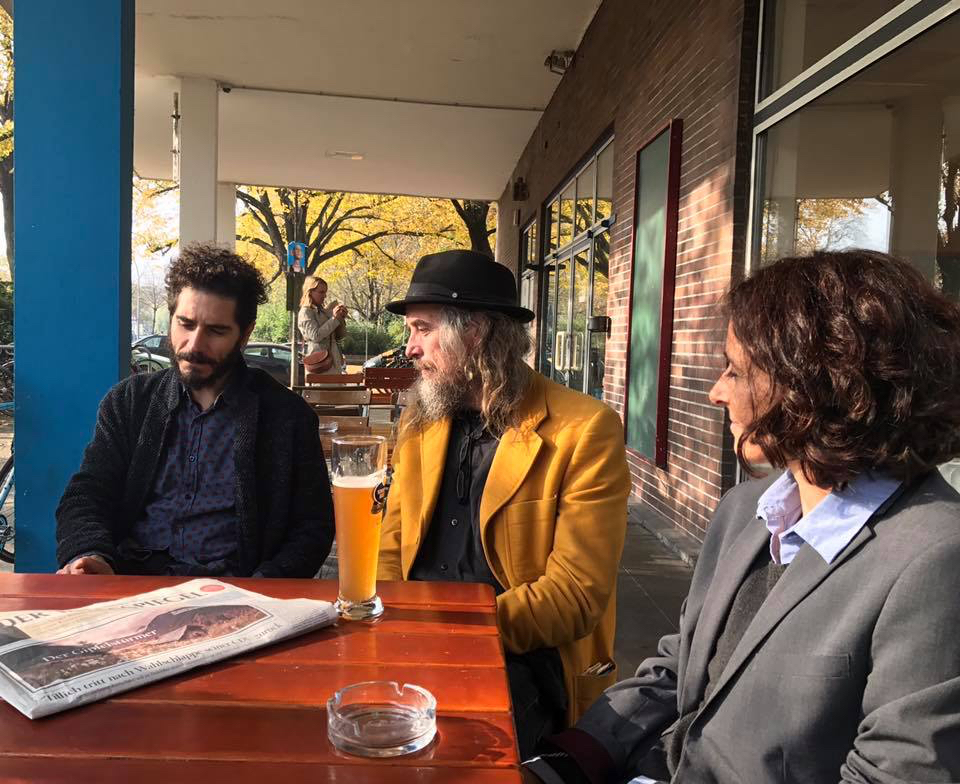
Il secondo giorno abbiamo incontrato Lea Barletti e Werner Waas, duo teatrale italotedesco.
Tante suggestioni, tanti punti in comune, una bella scoperta.
L’incontro è stato possibile grazie anche ad Andrea Porcheddu che ci ha suggerito il loro nome e ci ha messo in contatto per parlare del nostro progetto e per farci raccontare i progetti che loro realizzano da tempo a Berlino.
In particolare abbiamo trovato un’affinità di lavoro sul tema dei migranti e dei nuovi fenomeni di confronto e integrazione pluriculturale.
Iniziamo a costruire le basi per il bellissimo percorso di Matera Città Aperta.
Nel nostro viaggio a Berlino non poteva mancare una visita sui luoghi simbolici della storia di costruzione del Muro di Berlino. Per il nostro progetto è stato fondamentale lo studio di tutti i fenomeni sociali e culturali che sono scaturiti da quell’episodio così importante.
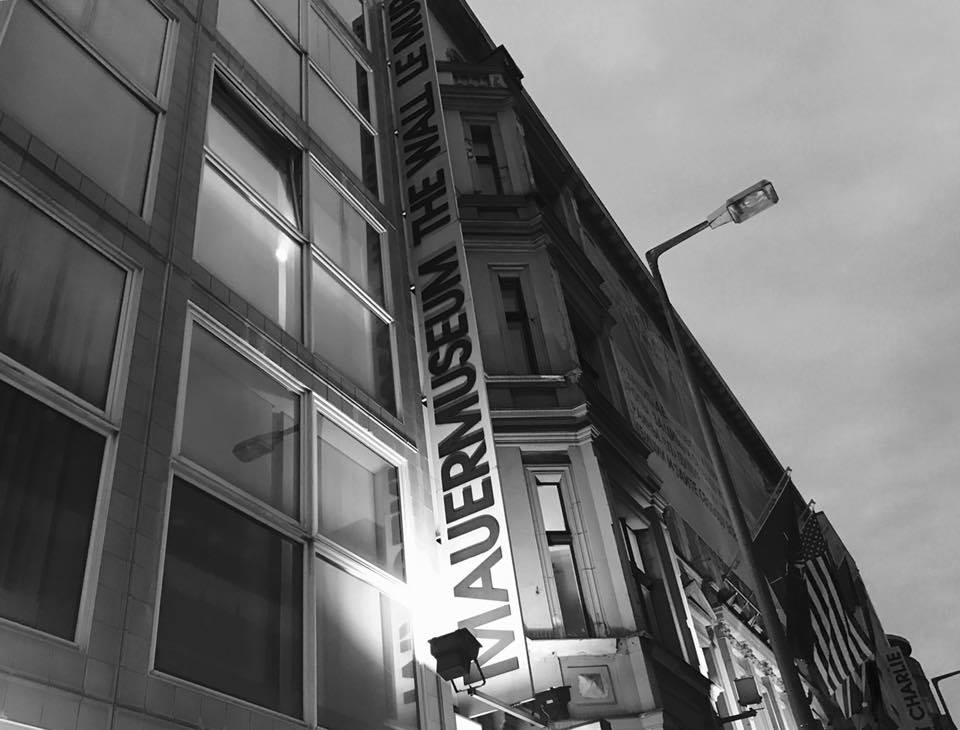
Siamo stati all'interno del Mauer Museum, il Museo del Muro, presso il Checkpoint Charlie, punto nodale della Storia Mondiale.
Concludiamo il nostro go&see con un bagaglio ricco di impressioni che ci daranno la possibilità di approfondire maggiormente il tema del limite e di tutte le interconnessioni sociali e culturali che si sviluppano in situazioni liminali o liminoidi.
Onyx Jazz Club Matera GO&SEE #1
Plovdiv: la periferia d’Europa
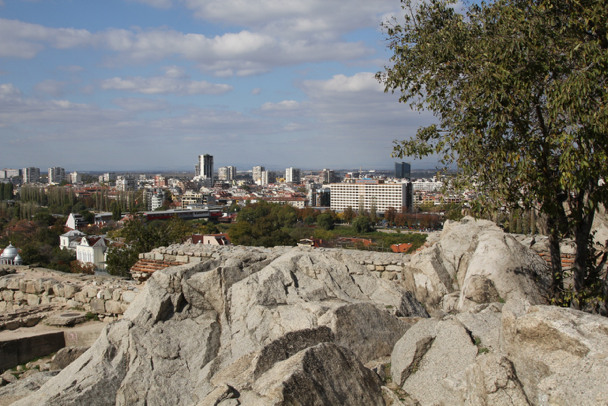
Poche volte capita di sentire il calore della terra natia e di sentirti a casa in un terra che non è la tua. A Plovdiv è successo.
Plovdiv, l’antica Filippoli e antica capitale della Bulgaria (come più volte ci ha tenuto a precisare la nostra guida Nikola), è un grosso centro cittadino nella zona sud della nazione, città di contatto tra Bulgaria, Grecia e Turchia. Seconda città bulgara per popolazione, è permeata di un senso di malinconia, quella malinconia tipica che traspare dalle architetture e dai volti della gente che ha sofferto e patito, che vede la luce dopo un lungo periodo di buio.
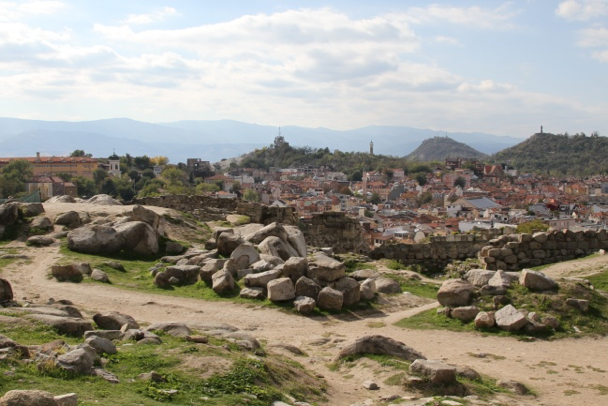
L’est Europa ha conosciuto anni difficili, a causa l’occupazione ottomana e dell’occupazione russa; per causa di quegli stessi russi che hanno respinto i Turchi fino ad Istanbul, regalando alle popolazioni balcaniche una parvenza di libertà. Ce lo ricorda Alyosha, il gigante custode della città, una imponente statua di granito che guarda Plovdiv dalla cima di una collina a pochi chilometri dal centro cittadino.
È una città estremamente affascinante, che ha attraversato la storia e che porta testimonianza di tutti i popoli che l’hanno abitata. Una città grande ma che resta semplice e pura, culturalmente viva e artisticamente molto interessante. Ma resta apparentemente isolata come lo è un quartiere di periferia: la periferia d’Europa.
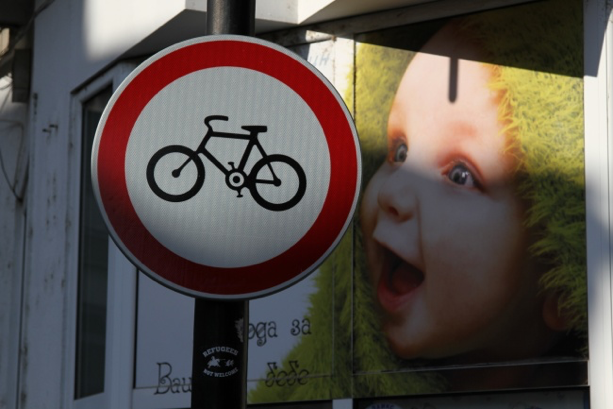
Siamo andati in Bulgaria per creare un ponte tra due terre così lontane eppure così vicine tra loro che si rispecchiano entrambe nel concetto di periferia isolata e fiera.
Il nostro primo contatto l’abbiamo avuto con i nostri rispettivi colleghi Bulgari, Tanko Karsarov e sua moglie Miroslava Katsarova. La loro Associazione culturale si occupa di organizzare uno dei più importanti Jazz Festivals Bulgari, per l’appunto il Plovdiv Jazz Fest, che si è inserito di diritto nell’ambito delle manifestazioni “adottate” dalla Fondazione Plovdiv 2019. Un festival che sposa perfettamente lo slogan della città e della Fondazione, “together”, una visione rivolta ad una produttiva integrazione di passato e presente, di gente e di culture, che elimini i confini e le diversità, in nome di una mutua, pacifica tolleranza che vede il primato dello sviluppo culturale, anche attraverso i mezzi delle tecnologie, sempre più imprescindibili nel tempo presente.
E’ proprio questa la sensazione che ci ha accompagnato durante la nostra permanenza, dalla condivisione del pranzo presso il ristorante Hemingway in compagnia dei vari artisti, per finire con le scatenate jam sessions presso il Bee bop cafè al termine dei concerti.
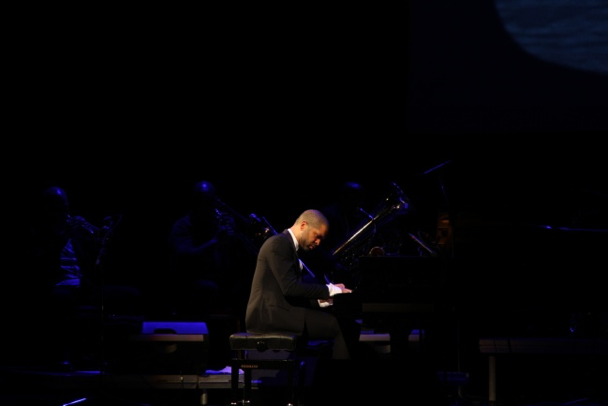
Un festival pieno e variegato che ha alternato a grandi musicisti d’oltreoceano (Jason Moran e Joshua Redman tra tutti), altrettanto grandi artisti locali (Antony Donchev, Hristo Yotsov, Arnau Garrofe), segno della frizzante energia e vitalità che permea la città e che, naturalmente, non manca di estendersi anche oltre i confini cittadini. L’enorme palla rosso fuoco, simbolo e logo del festival, che ha campeggiato immancabile alle spalle dei vari musicisti saliti a calcare il palco del bellissimo centro culturale “Boris Hristov”, recuperato alla città, bene simboleggia la forza, l’energia e la determinazione di Plovdiv nel voler mettere a frutto questa grandissima opportunità.
Proprio al fine di porre le basi di una collaborazione fattiva, attraverso l’aiuto di Tanko Karsarov, “patron” del festival, ed Evgeni Dimitrov, manager di BulFoto, internet-agenza fotografica e giornalistica basata a Sofia, abbiamo preso contatti con alcuni artisti locali, per verificarne il fattivo inserimento nell’ambito del progetto “Suoni del Futuro Remoto”, di cui l’Onyx Jazz Club è project leader.
Una significativa disponibilità ci è stata fornita anche dalla stessa Fondazione Plovdiv 2019, nella persona di Reneta Georgieva, cui abbiamo rappresentato a grandi linee il nostro progetto e la nostra “idea” di collaborazione/integrazione con artisti del luogo.
Raccontare il paesaggio attraverso i suoni.
Tell the landascape through the sounds.
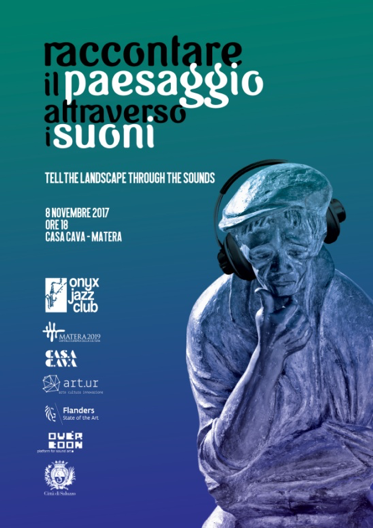
L’8 e 9 Novembre 2017 l’Onyx Jazz Club Matera ha ospitato in città i partners relativi alla prima fase embrionale del progetto “Suoni del Futuro Remoto, Gezziamoci Festival”.
L’obiettivo era quello di incontrarci tutti, una prima volta, per capire insieme come continuare la progettazione delle fasi che avrebbero portato alla nascita del progetto stesso.
L’incontro ha visto la partecipazione di:
- Scuola di Alto Perfezionamento Musicale di Saluzzo (CN);
- Comune di Saluzzo (CN);
- Rappresentanti della piattaforma artistica belga Overtoon, con sede a Bruxelles;
- Associazione culturale Art.ur con sede a Cuneo,
- Fondazione Matera-Basilicata 2019.
Naturalmente l’invito è stato esteso a tutta la cittadinanza, compresi ad alcune docenti dell’Università di Basilicata, con le quali abbiamo avviato una collaborazione nelle settimane seguenti all’incontro.
L’evento è stato ospitato da Casa Cava, luogo emblematico della rinascita della città di Matera e del nuovo filone culturale che sta prendendo forma in città.
Durante l’incontro l’Onyx Jazz Club ha avuto modo di far conoscere alla comunità il lavoro che la Fondazione sta svolgendo in collaborazione con la scena creativa locale e, allo stesso tempo, quello che l’Associazione si prefigge di realizzare con “Suoni del Futuro Remoto”.
La risposta del pubblico è stata ottima, coinvolto dalle tematiche affrontate ed affascinato da questo nuovo modo di raccontare il territorio attraverso i suoni che l’Onyx cerca di introdurre anche alle nostre latitudini.
Ancora l’Onyx ha avuto modo di confrontarsi con i partners, grazie ad una serie di tavoli tecnici organizzati durante le ore di permanenza a Matera degli ospiti, capendo insieme i punti di forza e quelli critici del progetto, scambiandoci idee e soluzioni.
Gli ospiti, naturalmente, sono rimasti affascinati dalla città e dallo spirito con cui Fondazione ed Associazioni si stanno avvicinando all’anno 2019.
Relazione programma Go&See - Vienna 12-16 dicembre 2017
Dal 12 al 16 dicembre 2017, una delegazione dell’Onyx Jazz Club di Matera, Project Leader per il progetto di Co-Progettazione “I suoni del futuro remoto”, formata dal Presidente dell’associazione materana il Dott. Luigi Esposito e del consigliere del sodalizio musicale il Sig. Raffaele Lamacchia, per il programma Go&See, finanziato dalla Fondazione Matera-Basilicata 2019, si sono recati a Vienna, per incontrare e discutere con i partner austriaci per progetto che candideremo alla Fondazione e delle varie fasi di lavoro che seguiranno il programma nelle fasi di accompagnamento al 2019.
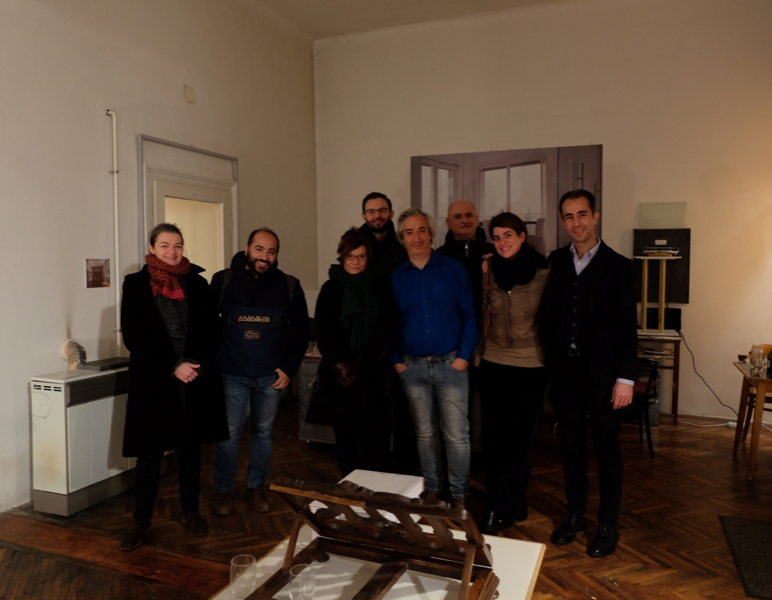
Sono stati tre giorni intensi, ricchi di incontri, visite e scambi di idee con i l mondo culturale e creativo viennese, che ha arricchito molto le nostre conoscenze ed è stato fondamentale per definire meglio i vari ruoli e arricchirla con altre partnership e conoscere il giovane panorama artistico delle Università di Linz e di Vienna.
Arrivati a Vienna, in treno, la sera di martedì 12 dicembre 2017, dal giorno mercoledì 13 dicembre abbiamo iniziato la nostra attività di stringere relazioni e ponti tra la capitale austriaca e la Capitale europea della Cultura, Matera, del 2019.
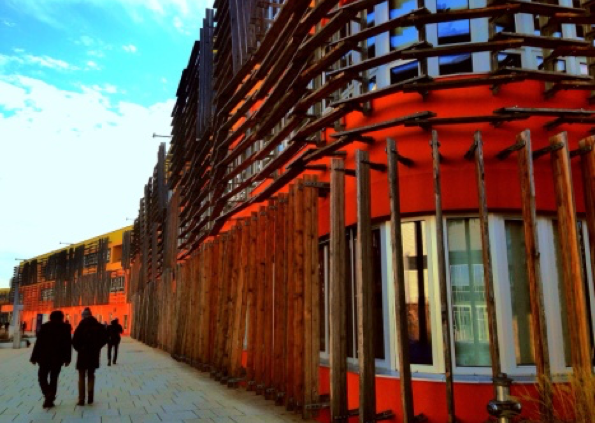
Da subito ci è sembrata la città ideali e piena di assonanze con la città dei Sassi. Elegante, città UNESCO, con tanta musica sia fuori, tra le piazze e le strade che all’interno dei famosi teatri della Musica.
Il nostro contatto a Vienna è stato il Prof. Architetto Angelo Stagno, che, nella mattinata di mercoledì 13 dicembre, ci ha illustrato l’architettura e le varie stratificazioni della città, l’assetto sociale e l’aspetto naturalistico del territorio. Nel pomeriggio nel quartiere Messe Prater, polo fieristico ed universitario di Vienna, presso il WU-Campus (Wirtschaftsuniversität Campus), una piccola cittadina, progettata a Vienna dalla celebre designer anglo-irachena Zaha Hadid che può ospitare tra i 23mila e 25mila studenti, dove le piazzette e vialetti diventano importanti punti di ritrovo e di raccordo e ogni slargo ha un suo tema e una sua personale conformazione e anche le piante che adornano le aiuole sono state scelte in base alla loro diversa stagionalità e fioritura, abbiamo lavorato sul progetto e sulle proposte da fare ai nostri partner di progetto, le strategie e sulle fasi e tempi.
Il pomeriggio è stata anche l’occasione per visitare uno dei numerosi Musei della capitale, l’Albertina, Museo di arte grafica (uno dei più ricchi al mondo), per ammirare e prendere spunto sulle numerosi istallazioni artistiche e la loro presentazione.
In serata eravamo attesi al Musikverein, che detiene il titolo di auditorio con la maggiore acustica di tutta l’Austria, per assistere all’esibizione dei celeberrimi Wiener Philharmoniker. L’esperienza ci ha aperto un mondo sull’acustica e sulla gestione di spazi destinati alla musica e alla preparazione di grandi eventi.
Il giovedì 14 dicembre si è tenuto il meeting di lavoro con i nostri partner di progetto.
Al Tavolo di lavoro erano presenti, oltre ai due rappresentanti Onyx, il Prof. Arch. Angelo Stagno, anche la Prof.ssa Andrea van der Straeten del Dipartimento di Arte Sperimentale (Experimentelle Gestaltung) della Kunst Universitat Linz, il Dr. Johann Groiss, musicologo e docente della Musik Universitat Wien e giornalista-conduttore radiofonico dell’emittente della prima radio nazionale ORF, studenti dell’Università di Vienna, Isabella Forciniti e Philip Rabelsberger. Il lavoro è stato subito intenso e propositivo, che ci ha portato a rivedere in parte le fasi e si sono gettate le basi per una possibile calendarizzazione delle attività con le delegazioni universitarie a Matera per la fase di campionamento e di installazioni/performance artistiche nei luoghi. La ORF si è resa disponibile a partecipare al progetto come partner attivo nella produzione e promozione dell’evento.
Gli incontri sono continuati anche in serata con un gruppo internazionale di architetti nella studio dell’Arch. Ruffo Wolf, dove abbiamo parlato di cultura, Matera 2019, del nostro progetto e della possibilità di organizzare un ciclo d’incontri sull’architettura e gli spazi a Matera, portando grandi nomi dell’architettura contemporanea.
Venerdì 15 dicembre è stato il nostro ultimo giorno a Vienna, dove ne abbiamo approfittato per la visita ad uno dei Jazz Club più importanti della capitale austriaca, Jazzland, prendendo contatti con vari gruppi che si esibivano dal vivo.
Il rientro è stato sempre in treno la sera, facendo Vienna-Venezia, Venezia-Bologna e Bologna-Bari, arrivando il 16 dicembre.
Il Sicomoro Come&See
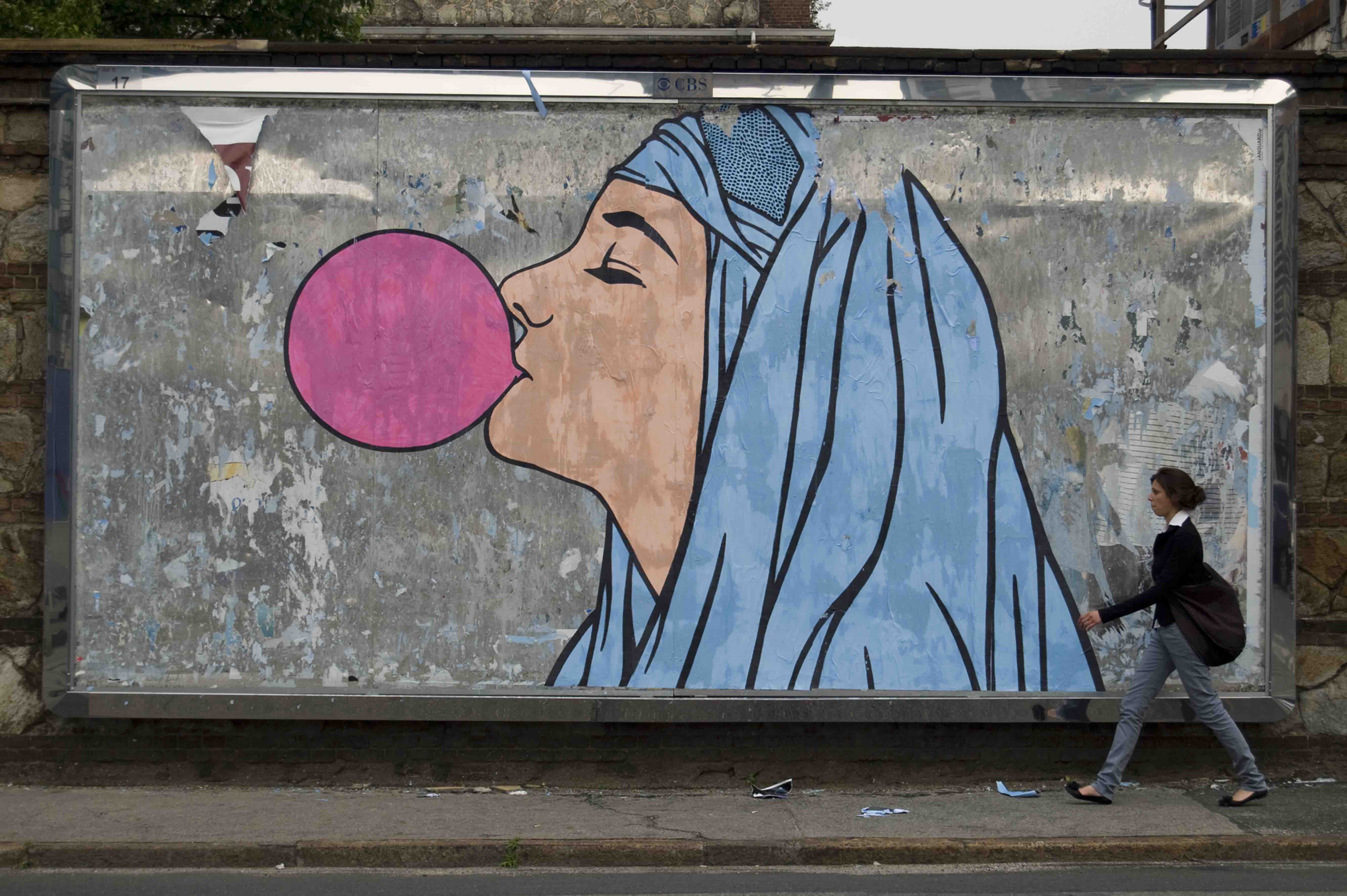
BR1, Welcome Big Babol, Torino 2012
Per il 2019, noi del Sicomoro stiamo lavorando affinché abbia luogo una “scuola” che valorizzi le competenze dei migranti, che metta in luce i talenti e le abilità di ognuno. È un percorso lungo e bellissimo che vede all’orizzonte una meta ben precisa: l’inclusione sociale.
La nostra scuola, ispirata dall’esperienza internazionale della Silent University, prenderà una forma esclusiva nel genere, evolvendosi in un’operazione che combinerà le competenze personali dei migranti con le esigenze del nostro territorio, della Basilicata. Ma perché una vera inclusione avvenga, abbiamo pensato, questa ha bisogno di qualcosa di più, di una sorta di “collante” che faciliti il processo attraverso momenti di aggregazione, riflessione, di condivisione di valori. Abbiamo così guardato all’arte come il luogo di incremento del benessere personale, e all’arte pubblica come luogo del benessere collettivo.
Dopo aver individuato la tipologia creativa della nostra “Silent University”, mancava solo scegliere chi nell’ambito nazionale e internazionale dell’arte pubblica si fosse distinto per operazioni di natura sociale e con una particolare attenzione verso la questione dell’immigrazione. A seguito di un’attenta analisi abbiamo deciso che l’artista guida della nostra esperienza dovesse essere il torinese BR1.
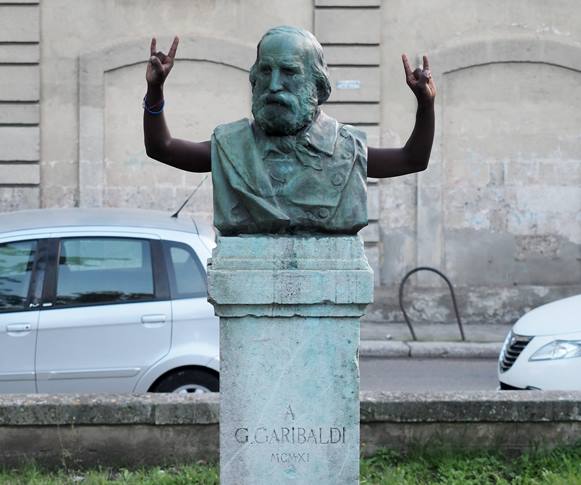
BR1, Il Garibaldi di Matera, Matera 2016
BR1, laureato in giurisprudenza con una tesi in diritto islamico, svolge una ricerca artistica che indaga le contraddizioni generate dalla collisione del modello capitalista con la cultura e la tradizione dei popoli mediterranei. Lo scenario in cui la sua pratica artistica prende forma è lo spazio pubblico, operando in tutto il mondo: dagli Stati Uniti alla Germania, dalla Tunisia all’Italia. Attraverso poster incollati su cartelloni pubblicitari, performance e interventi urbani, BR1 riflette sulle ambiguità di una società globalizzata, che invece di attenuare i limiti e le frontiere, crea nuovi livelli di esclusione sociale. Negli ultimi anni ha realizzato una serie di opere che indagano con passione le migrazioni, fenomeno sociale in cui la vita e l’identità degli stranieri è spesso contrapposta ad un'opinione pubblica ostile e ad un potere politico che non riesce a gestire le conseguenti problematiche.
Tramite il programma Come&See della Fondazione Matera-Basilicata 2019, abbiamo ospitato l’artista dal 26 al 30 novembre 2017. Insieme abbiamo lavorato assiduamente per dare alla luce ad un progetto interno della “Silent University” lucana che rispondesse agli obiettivi prefissati.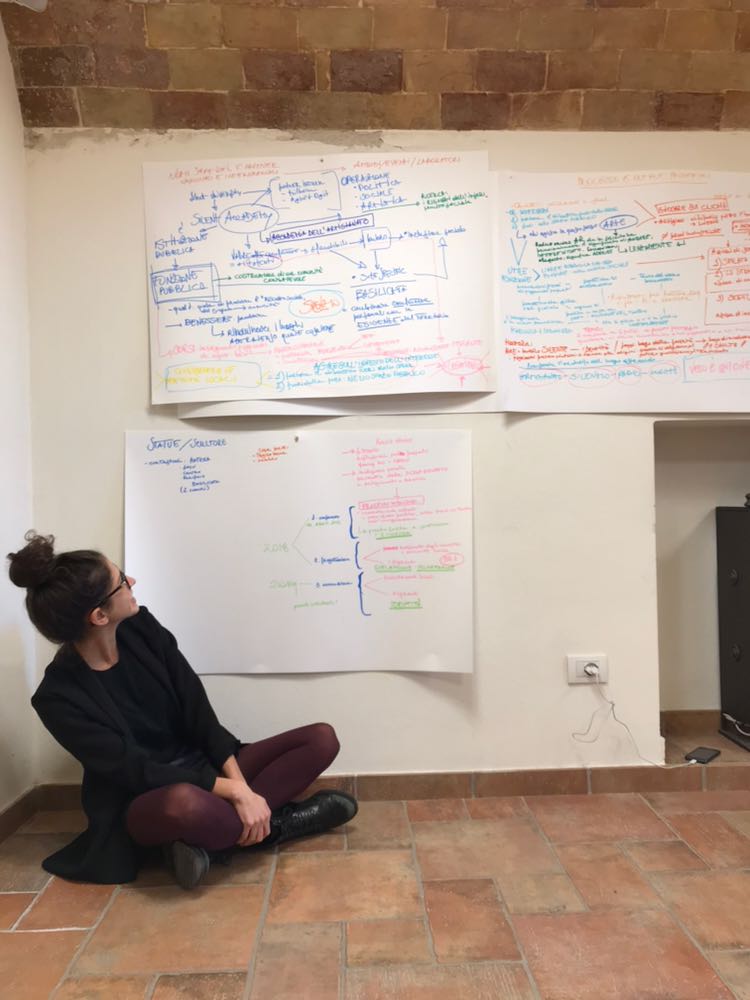
BR1 accompagnerà la nascita e l’evoluzione della nostra “scuola” dal 2018 al 2019, e magari oltre. Insieme, con un lavoro sincrono tra comunità locale e comunità ospitata, produrremo tre azioni che rappresentano allo stesso tempo tre step fondamentali di crescita: la sensibilizzazione; la contaminazione e l’inclusione.
Adesso non ci resta che iniziare e augurare a tutti noi un buon lavoro!
MurgiaMadre Go&See #1
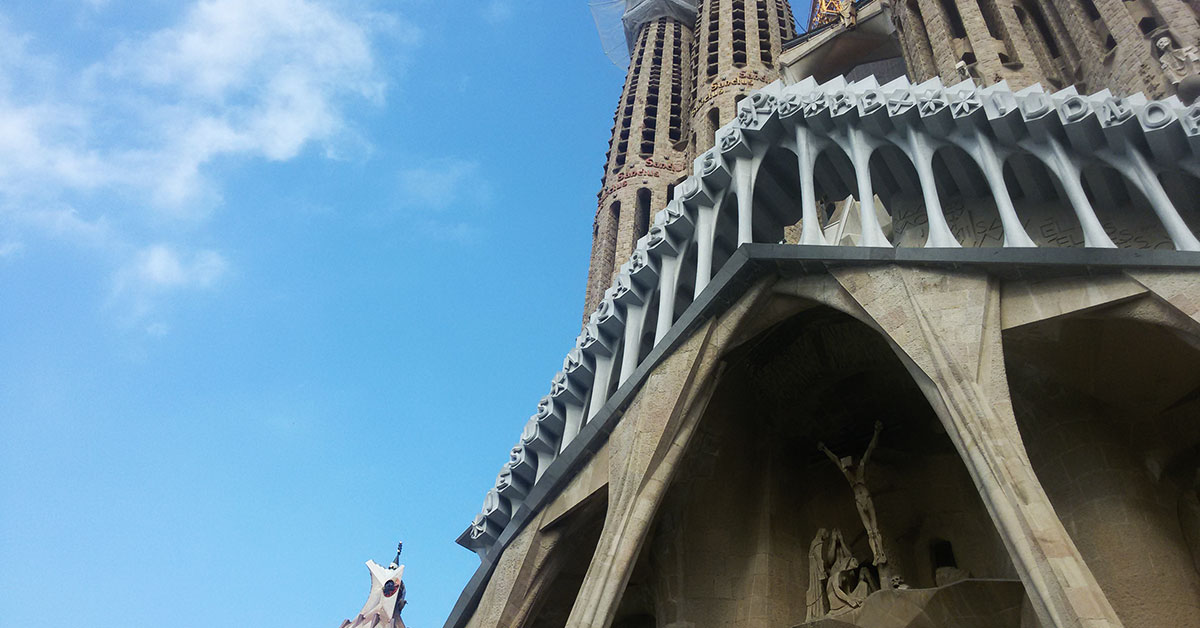
E’ stata una fantastica avventura quella del nostro Go&See che ci ha visti lasciare la Murgia, aspra e sassosa, per approdare in terra catalana. Cinque giorni molto interessanti e abbastanza proficui che ci hanno permesso di confrontarci con realtà altamente innovative ed importanti nel panorama internazionale e crescere nel nostro cammino di evoluzione professionale ed umana. Ma, andiamo per ordine.
13 giugno 2017. Una mail, mittente la Fondazione “Matera-Basilicata 2019”: siamo stati selezionati, con l’idea progettuale “Breadaway – Le vie del Pane”, come Project Leader insieme ad altre organizzazioni di creativi lucani per sviluppare i contenuti del dossier di candidatura.
L’avventura è iniziata!
Dimensione europea, dimensione artistica, management, produzione di output per un pubblico e sostenibilità delle produzioni. Sono stati questi gli argomenti affrontati durante la fase di co-creazione che ci ha visti impegnati a fianco della Fondazione “Matera-Basilicata” 2019; un percorso che ci ha dato la possibilità di confrontarci con la scena creativa lucana e, allo stesso tempo, arricchire e migliorare le nostre idee progettuali. È stato proprio in questo contesto che è maturata in noi la voglia di connotare il nostro progetto con aspetti più vicini alle nuove modalità di fruizione della cultura, dando così alla tradizione un taglio innovativo ed internazionale. Quindi è stato necessario studiare il vasto panorama europeo e selezionare le realtà che avrebbero avrebbero potuto accompagnarci in questa nuova avventura. La scelta è caduta sul distretto artistico e creativo catalano. È qui che doveva approdare la creatività del lievito madre lucano.
Day 1
Bari – Roma – Barcellona. Ci siamo, l’Europa ci aspetta. Il Go&See ha finalemente inizio.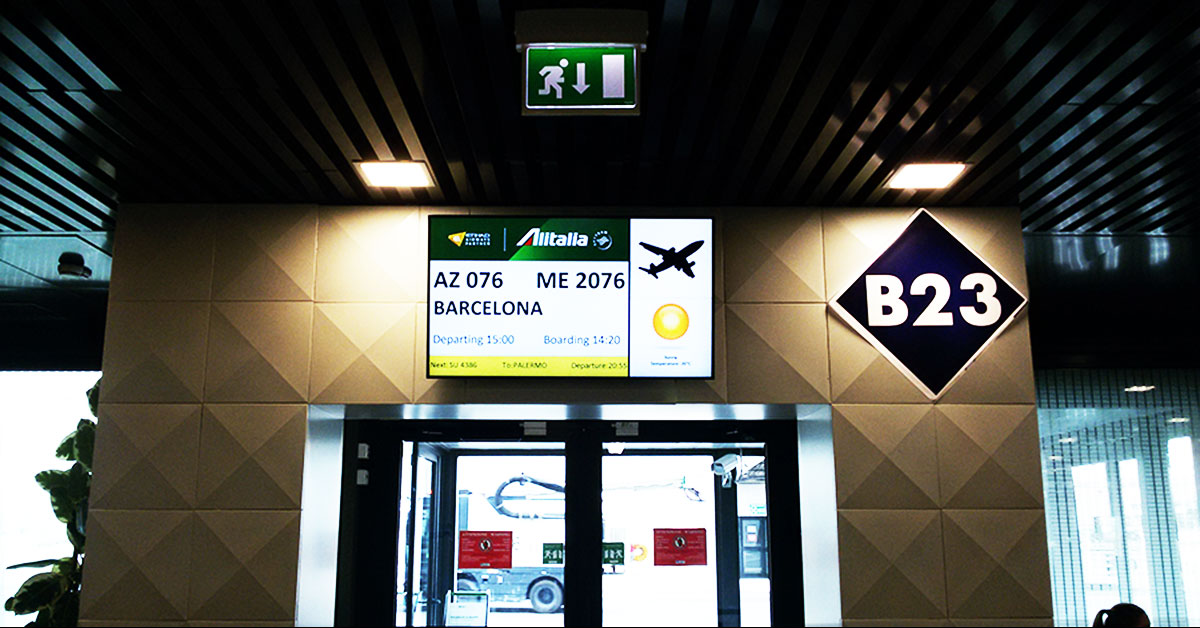
Day 2
“Te ganarás el pan con el sudor de tu frente”
Il primo volto a darci il benvenuto in quel di Barcellona è quello della solare Andrea Paz Cortés, attrice ed artista italo cilena, ideatrice e regista dello spettacolo “Harinera”. Come il pane è il risultato del mescolarsi di elementi quali acqua, farina, sale e lievito così “Harinera” è la somma della precarietà mista al profitto e alla relazione dell’essere umano con lo spazio.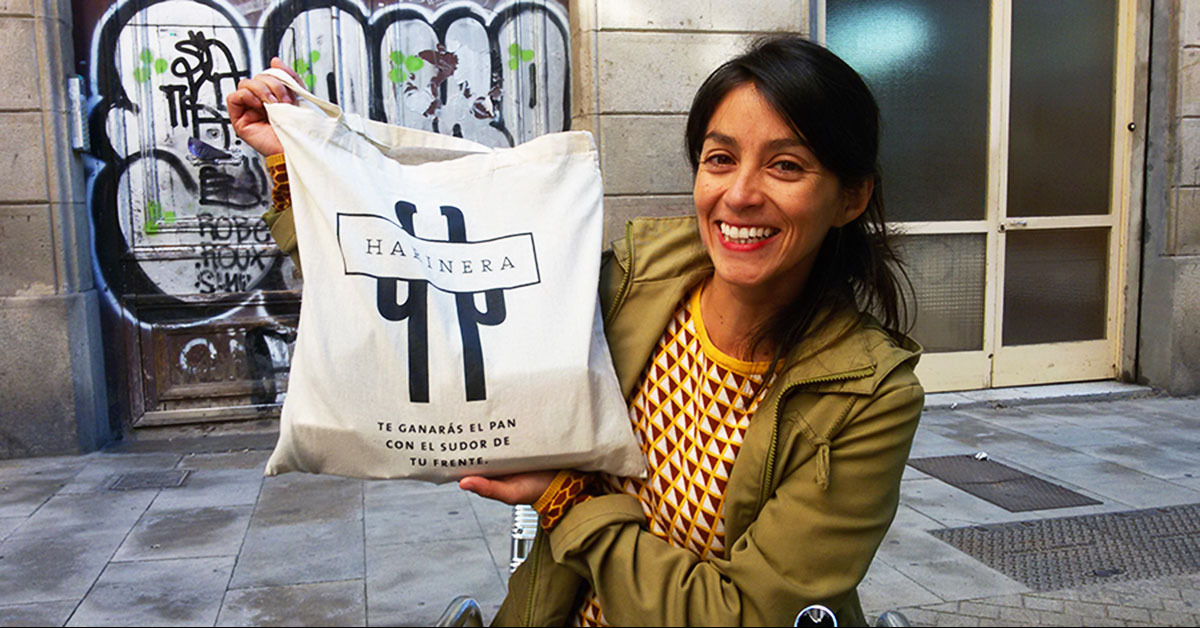
Con lei ci siamo confrontati sull’aspetto sociale che si cela dietro l’elemento pane, sullo sfida, sulla creatività e sullo sforzo che ha da sempre contraddistinto l’umanità nella sua lotta per la sopravvivenza. Ed è con altrettanta caparbietà che è possibile relazionarsi con i vari livelli di audience per veicolare messaggi importanti, in un contesto che trasporta lo spettacolo teatrale tradizionale in uno spazio pubblico. È questo lo spirito di “Harinera”, perfetto esempio di coinvolgimento ed inclusione sociale.
“Nos unen las ideas”
La giornata prosegue con destinazione il quartier generale del FAD (Fostering Arts and Design), primo centro di riferimento in Catalogna e in Spagna per la progettazione e l’architettura, nonché promotore da sempre della cultura creativa attraverso molteplici forme.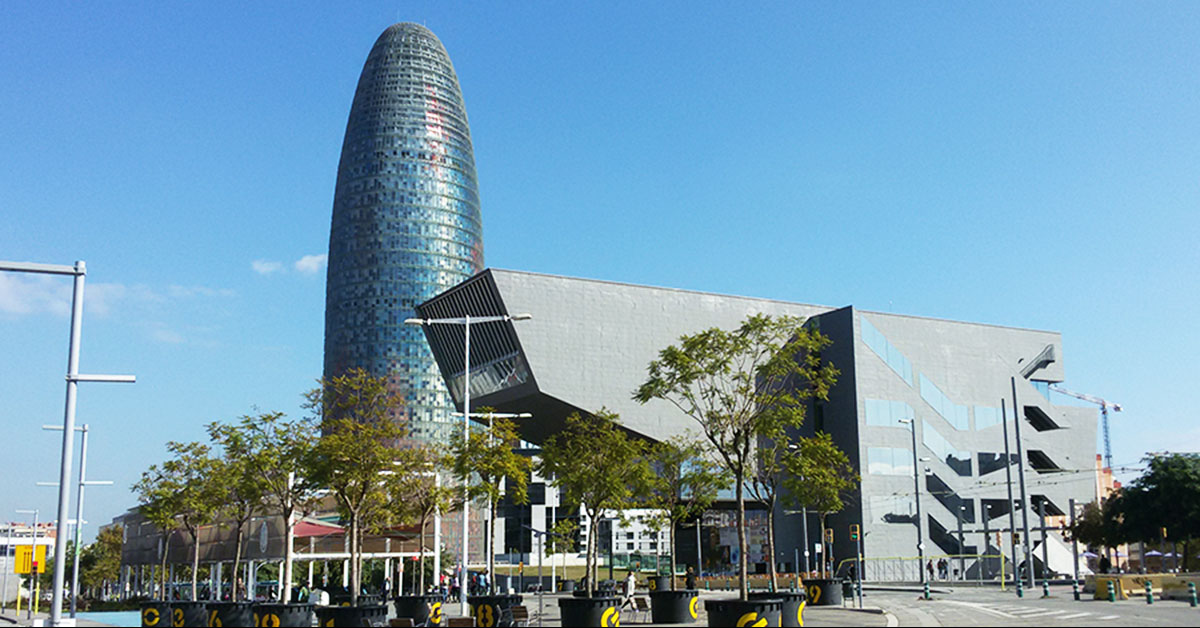
È nel suo core pulsante che il nostro Go&See si è tinto di creatività e innovazione; è qui che arte, design, culture e tradizioni diverse si sono mescolate; è qui che la città di Matera si è presentata all’Europa e l’Europa a Matera. Una tavola rotonda di alto livello alla quale hanno preso parte le più importanti personalità artistiche catalane: Jordi Torrents per il FAD, Valerie Bergeron per Materfad, Arianna Mazzeo per Elisava, Raffaella Perrone per ADI FAD e IED, Mathilde Marengo e Marco Ingrassia per lo Iacc, Curro Claret, disegnatore industriale, gli artisti Eva Serrat e Jordi Enirch Jorba.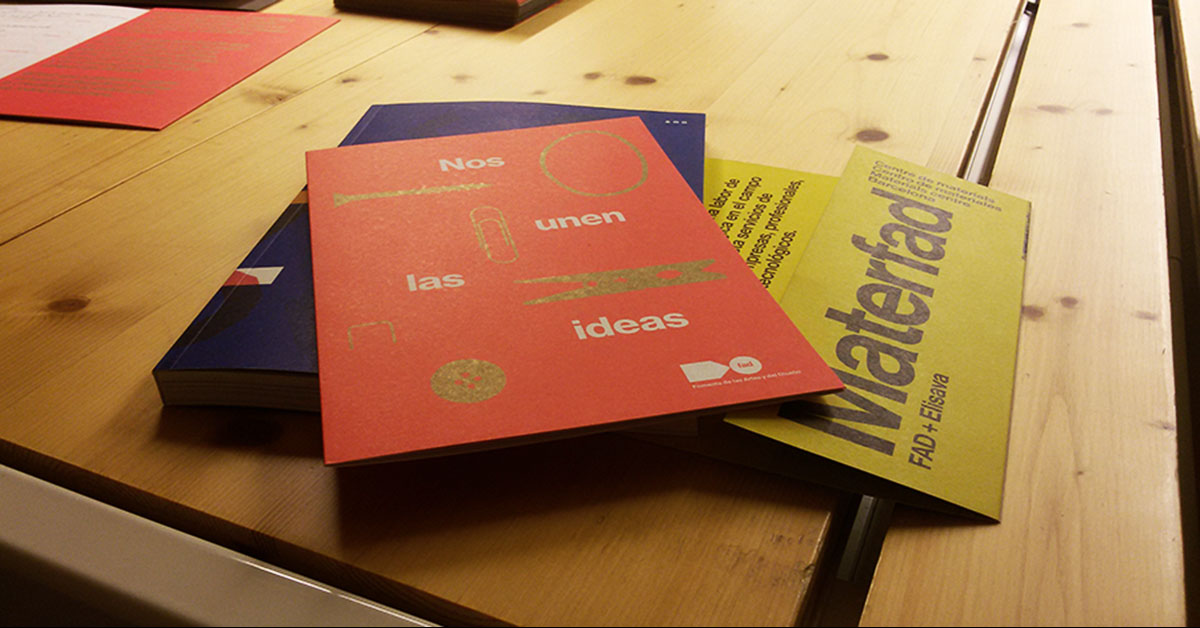
“Breadaway” si è svelato e con esso tutta la città di Matera e la sua cultura legata al pane. Il grande pane di Matera 2019 ha iniziato a prendere forma, arricchendosi di spunti, riflessioni. Le papille gustative culturali hanno iniziato ad assaporare il sapore di innovazione, la fragranza della creatività, elementi imprescindibili per dare nuovo slancio alla tradizione.
Day 3
È arrivato il momento per la creatività catalane di svelarsi ai nostri occhi e alle nostre menti, sempre più avide di nuova linfa culturale.
“Por qué estoy aquí? Por qué todo está aquì?”
La prima tappa della giornata ci vede far visita al Materfad, centro di ricerca e sviluppo di nuovi materiali.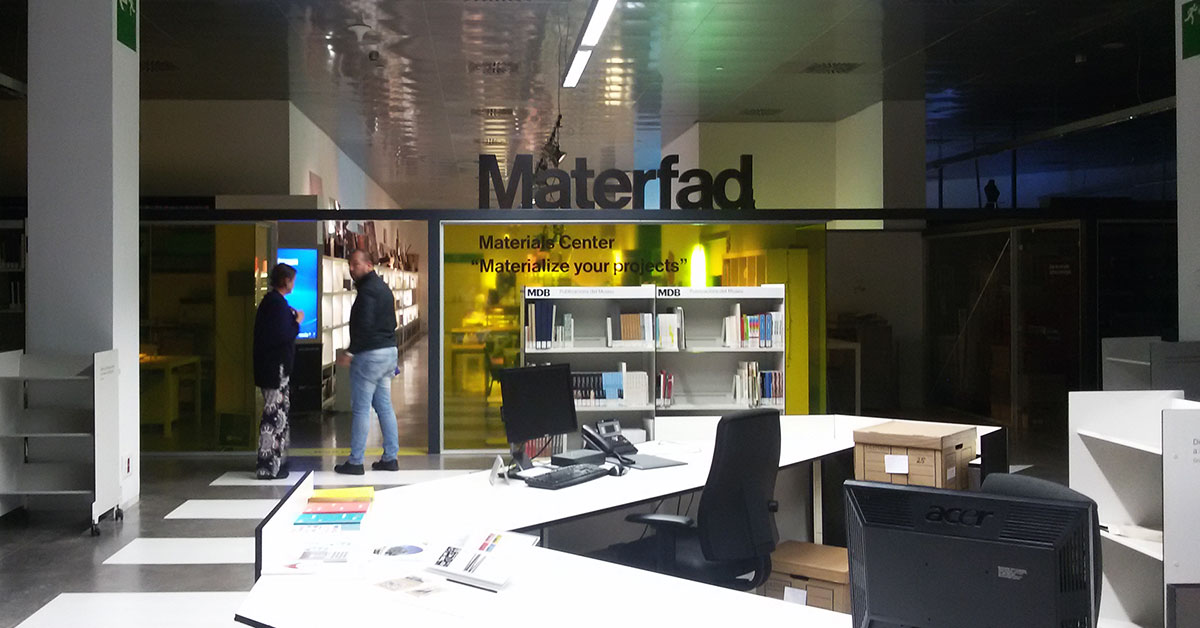
È qui che la creatività umana da ampio sfoggio delle sue potenzialità per cercare nuove risposte alla sfida con la contemporaneità.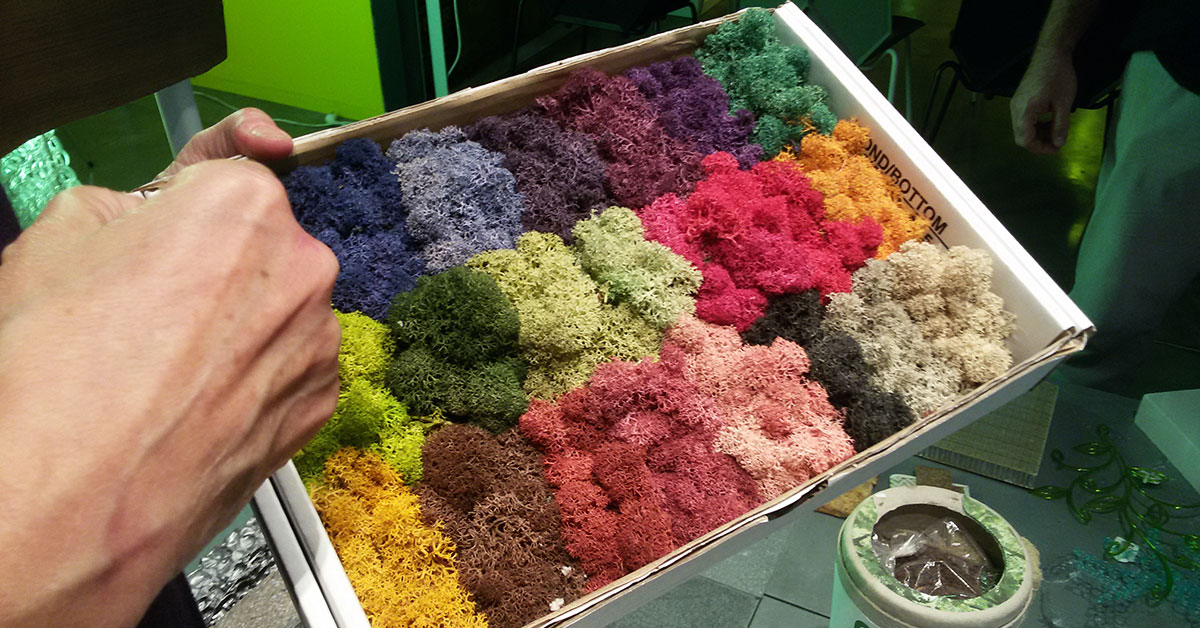
Le più inimmaginabili sostanze assumono un nuovo significato nel grande cerchio della vita.
“Dal món al museu”
L’arte, quella misteriosa! Ci lasciamo affascinare dal Museo del Design di Barcellona, in un viaggio nel tempo tra la storia del disegno grafico, del costume, del design e delle arti decorative.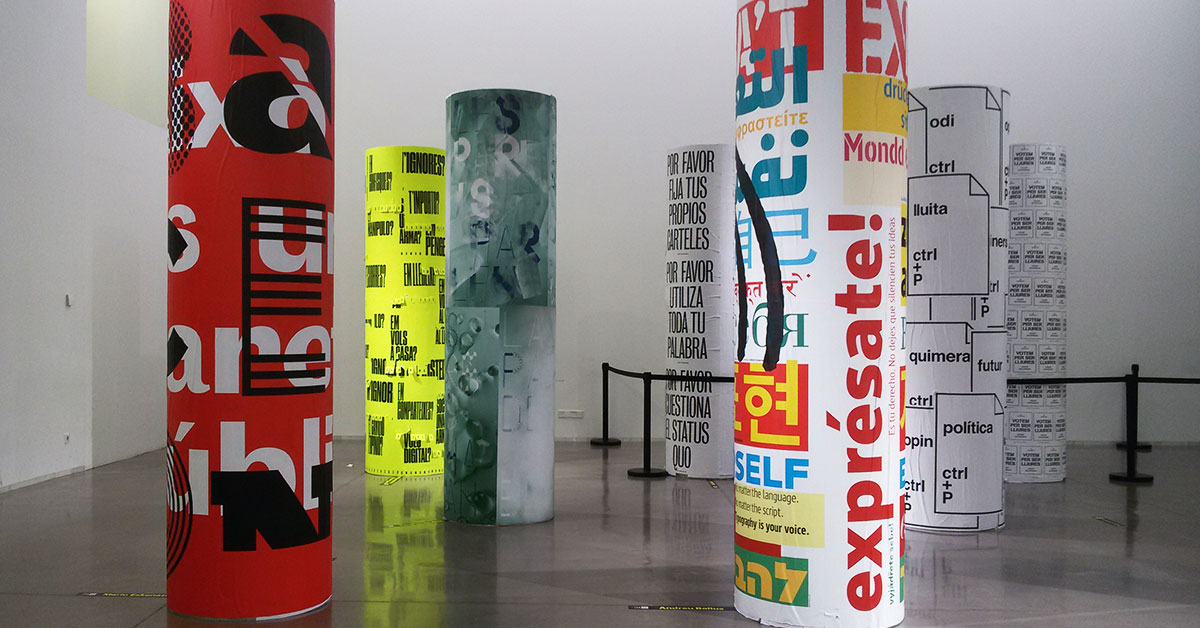
“Design attitudes”
Bienvenidos en Elisava, la prima scuola di design ad essere inaugurata in Spagna.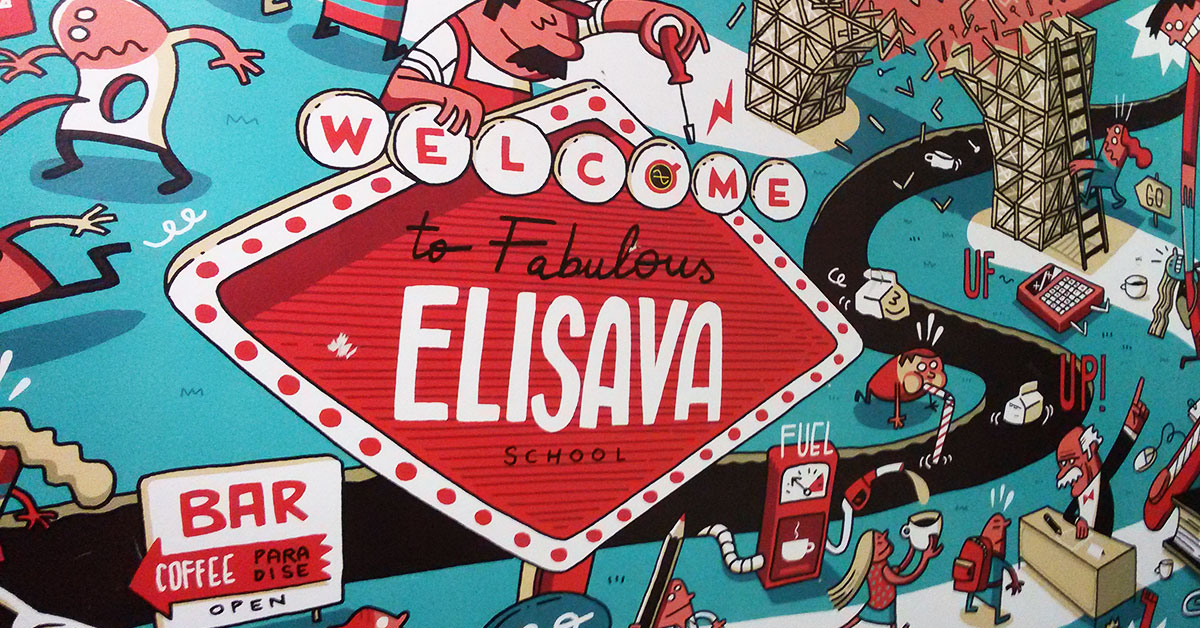
Dal 1962, Elisava promuove la formazione, la conoscenza, la ricerca, lo sviluppo e l’innovazione nel campo della progettazione, dell’ingegneria e della comunicazione.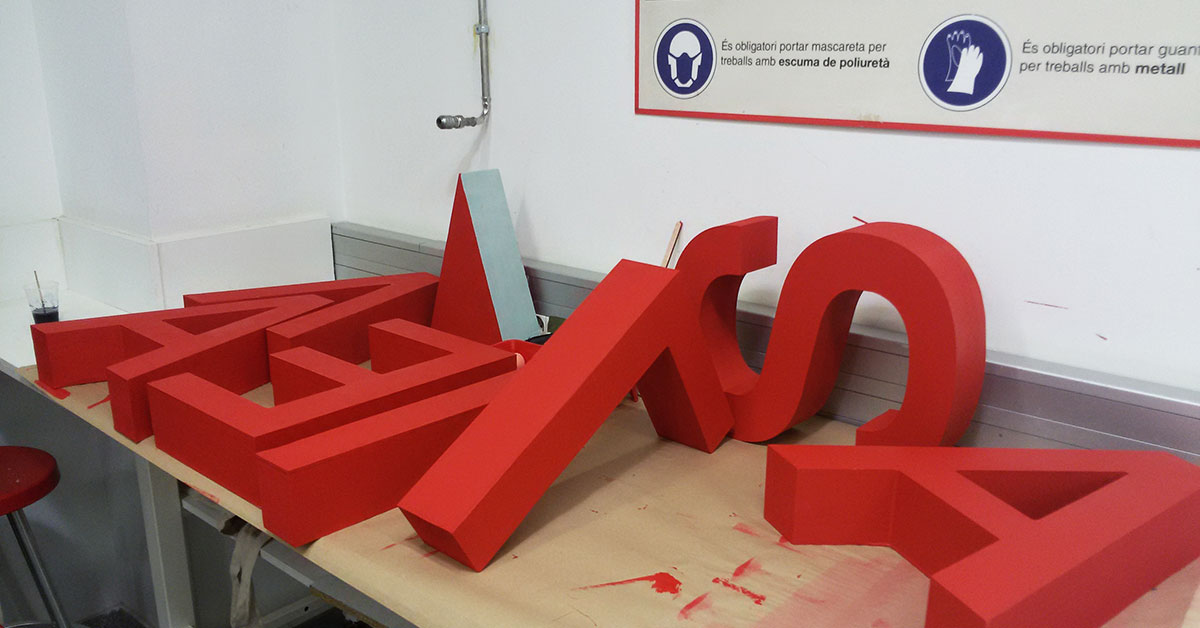
“Shaping the future”
Il nostro cammino nelle strade di Barcellona ci porta a far visita allo Iacc, (Institute for Advanced Architecture of Catalonia), centro per la ricerca, formazione e produzione nel presente dei futuri modelli di vivere i luoghi.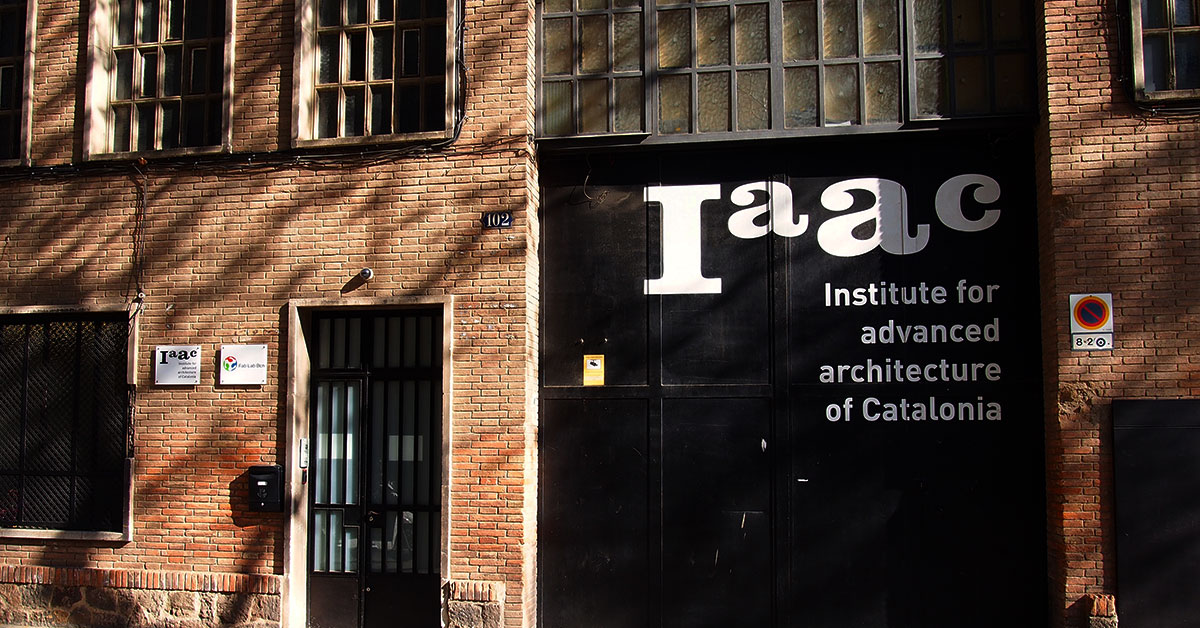
Tra realtà aumentata e stampa 3D, si respira un profumo di radicale innovazione.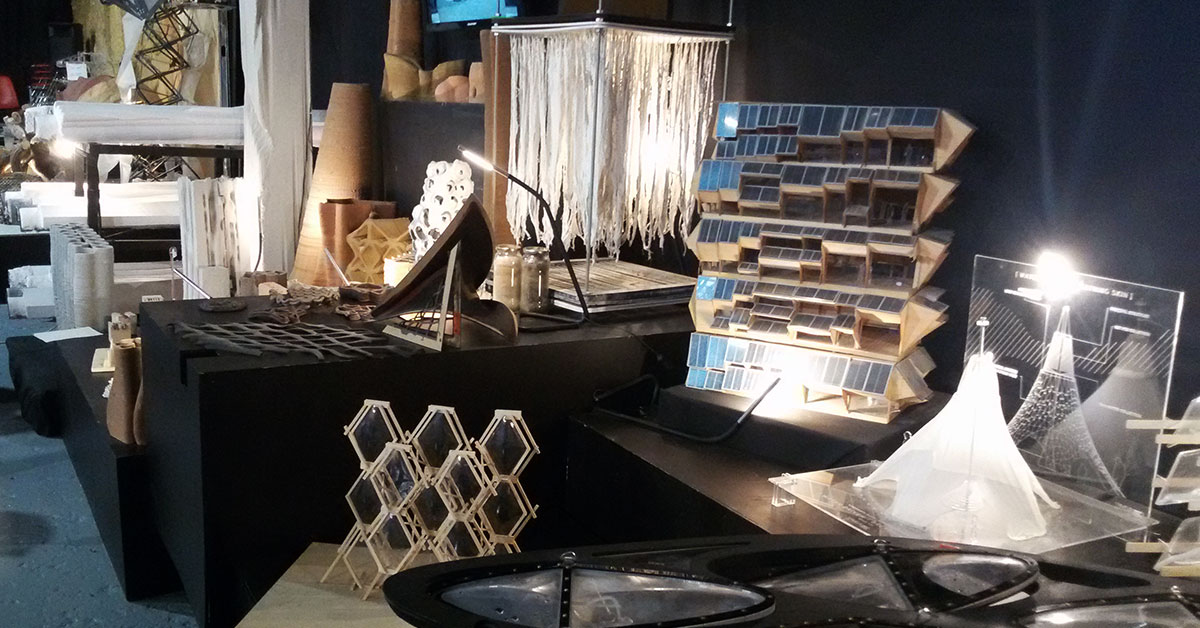
Qui la rivoluzione digitale è analizzata e seguita in ogni sua forma e dimensione, per poter allargare gli orizzonti dell’architettura e del design e affrontare con un nuovo spirito le sfide del domani.
Day 4
“Un món d’emocions úniques”
È arrivato il momento di lasciarsi alle spalle la travolgente ventata di innovazione e creatività made in Barça. Si riparte verso l’entroterra, destinazione Món Sant Benet, un progetto culturale e turistico di una bellezza singolare.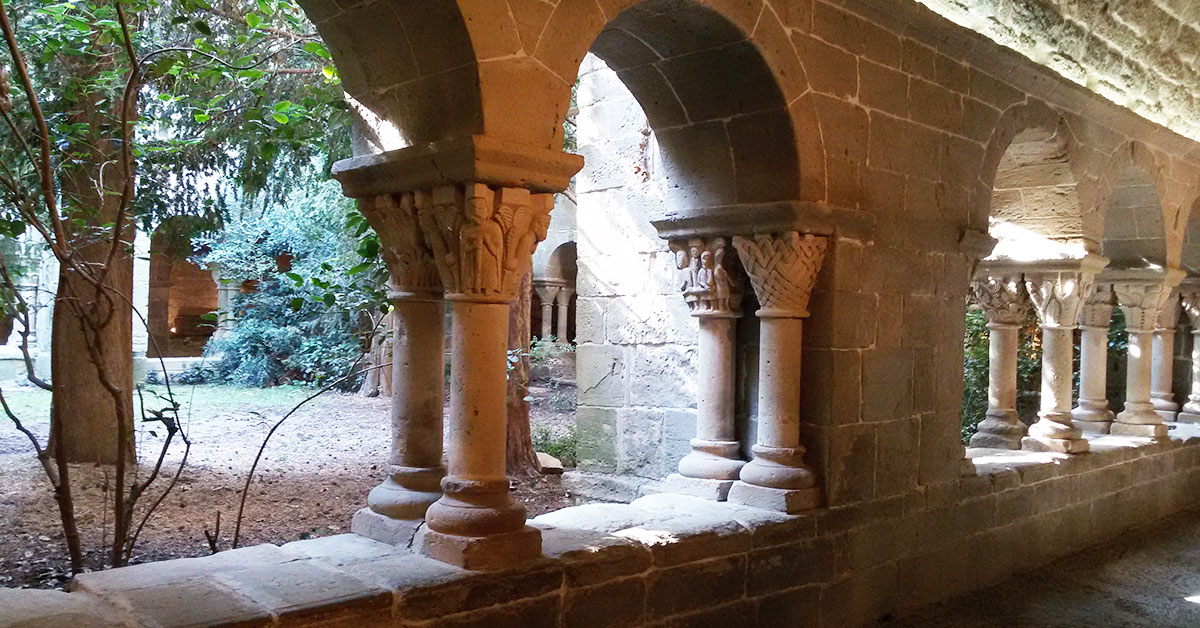
Tra innovazione tecnologica e tradizione, ci lasciamo catturare dai mille anni di storia del monastero benedettino, dalla sua fondazione, nel X secolo, fino all’inizio del XX secolo, quando il pittore Ramon Casas ne ha fatto la sua abitazione.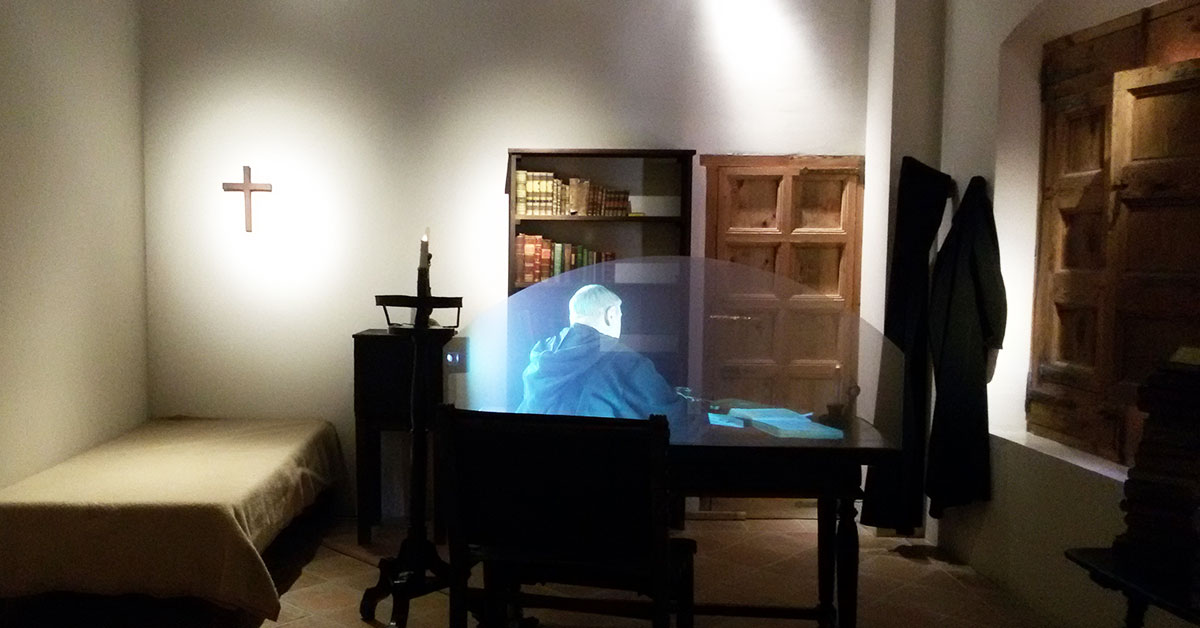
Oggi il monastero è un centro culturale e quartier generale della Fundació Alícia, punto di riferimento nell’ambito del food research.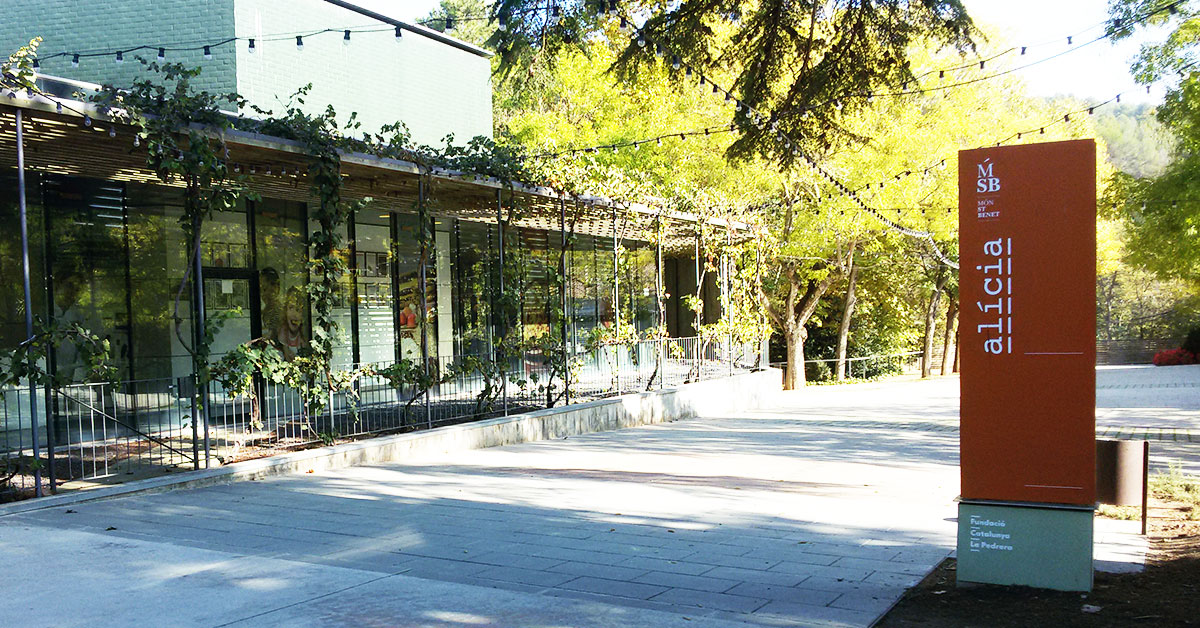
Centro di ricerca dedicato all’innovazione tecnologica nella cucina, al miglioramento delle abitudini alimentari e alla valutazione del patrimonio alimentare e gastronomico, Alícia ci ha accompagnati in un viaggio nel mondo dell’alimentazione, dove abbiamo acquisito maggiore consapevolezza su quello che è e su ciò che mangia.
Day 5
“Un globo no es un muro. Es algo que construye lazos entre las personas.”
Il nostro Go&See sta per volgere al termine. Decidiamo di ritornare lì dove la nostra avventura catalana è iniziata, tre anni fa. Sarà stato un segno del destino?
Next stop Igualada. Ad aspettarci c’è il nostro amico di sempre, Mr. Jordi Enrich Jorba, che da tre anni accompagna la nostra evoluzione professionale e che, anche in questa occasione ha deciso di affiancarci in questa nuova “fragrante” avventura.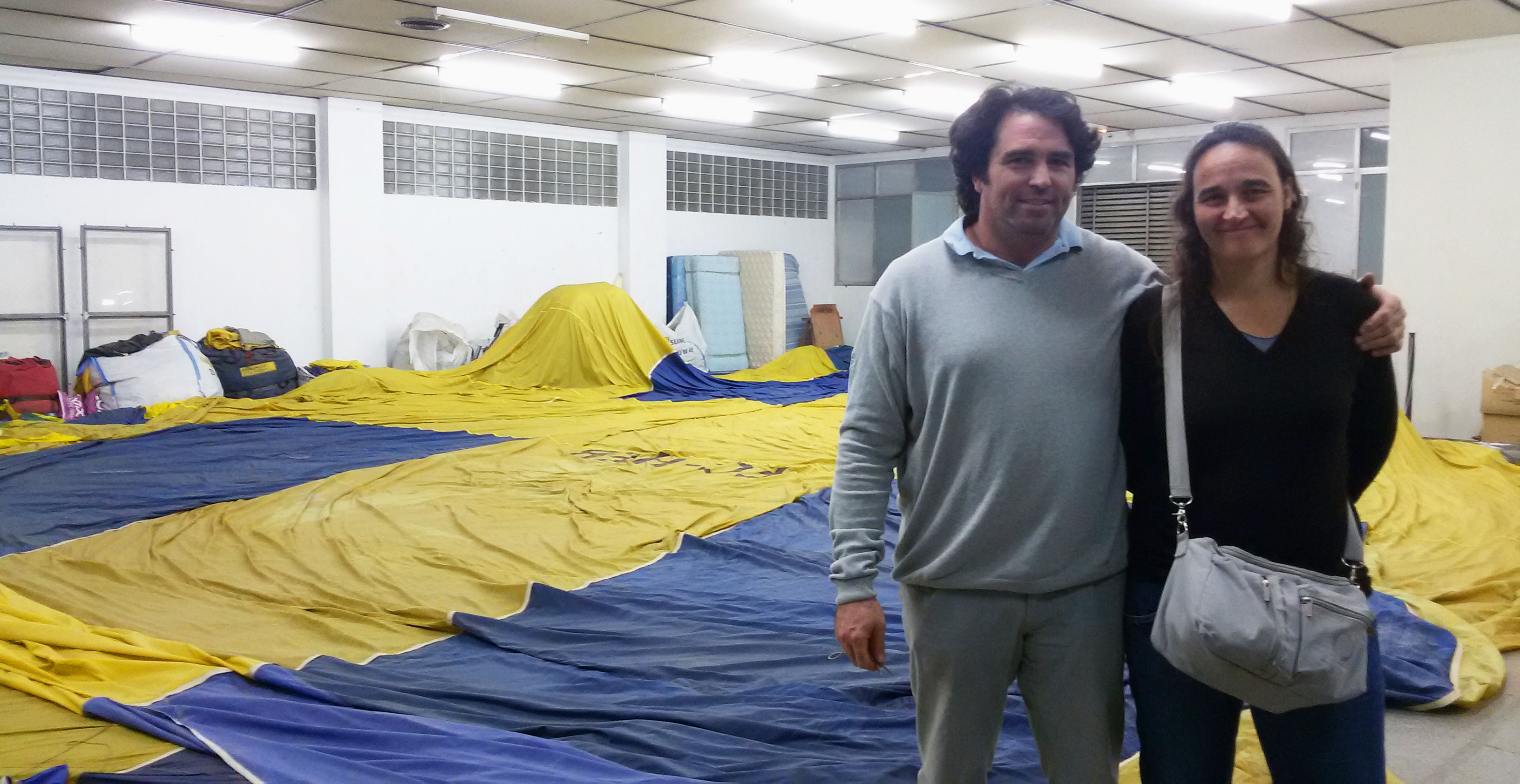
Centro di ricerca dedicato all’innovazione tecnologica nella cucina, al miglioramento delle abitudini alimentari e alla valutazione del patrimonio alimentare e gastronomico, Alícia ci ha accompagnati in un viaggio nel mondo dell’alimentazione, dove abbiamo acquisito maggiore consapevolezza su quello che è e su ciò che mangia.
Day 5
“Un globo no es un muro. Es algo que construye lazos entre las personas.”
Il nostro Go&See sta per volgere al termine. Decidiamo di ritornare lì dove la nostra avventura catalana è iniziata, tre anni fa. Sarà stato un segno del destino?
Next stop Igualada. Ad aspettarci c’è il nostro amico di sempre, Mr. Jordi Enrich Jorba, che da tre anni accompagna la nostra evoluzione professionale e che, anche in questa occasione ha deciso di affiancarci in questa nuova “fragrante” avventura.
Go&See #1 Il sicomoro
Dal 9 al 12 novembre 2017, noi della cooperativa “Il Sicomoro” siamo andati in Germania a conoscere la “Silent University” di Ruhr grazie al programma Go&See della Fondazione Matera-Basilicata 2019.
Come Sicomoro siamo project leader per Matera-Basilicata 2019 di un programma che mette insieme migranti, rifugiati e comunità locale, università e formazione tecnica, creatività e arte pubblica, all’insegna di valori come la dignità umana, l’identità della persona e l’inclusione sociale.
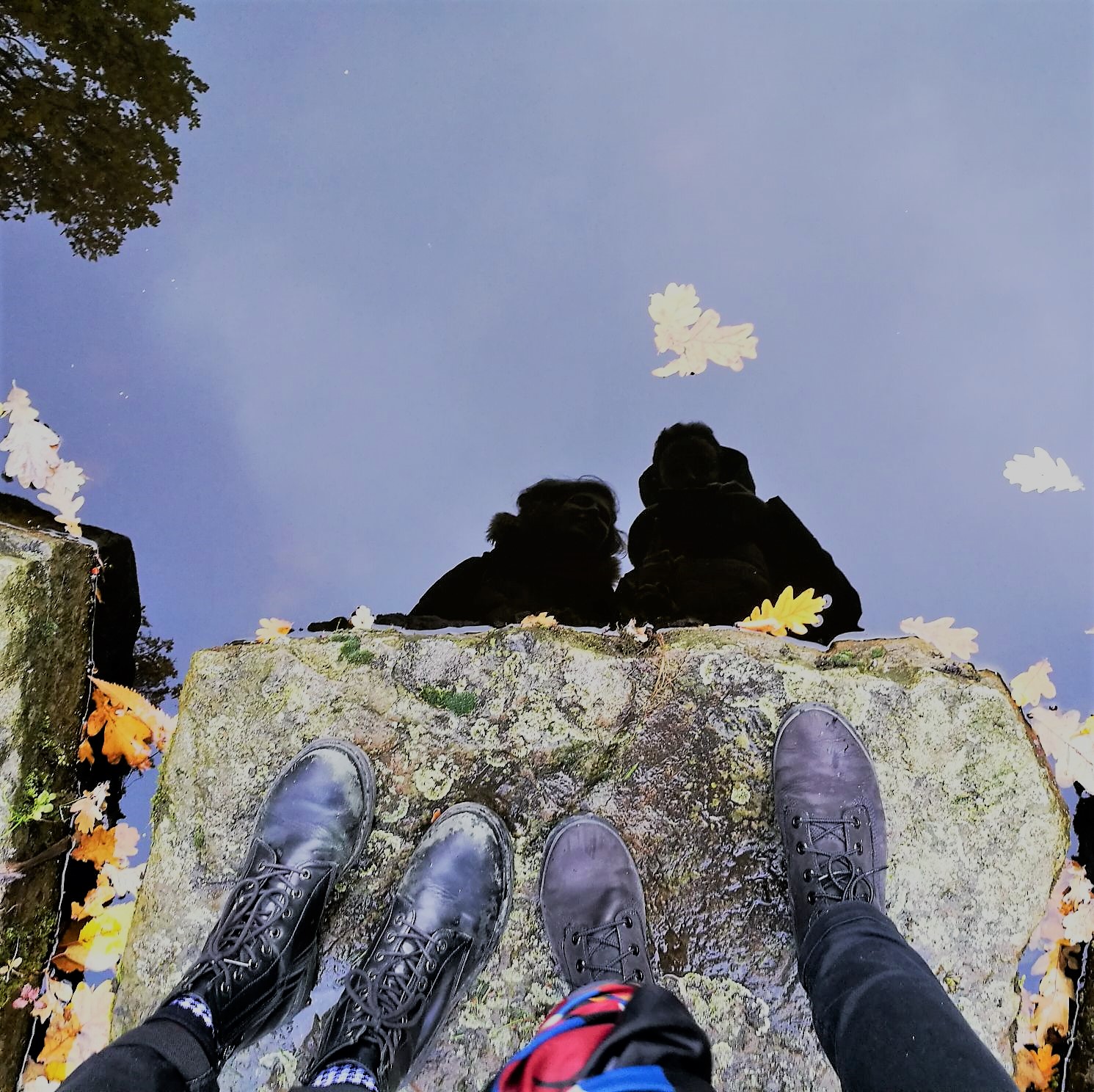
Nel parco del Ringlokschuppen Ruhr, ente dalla cui iniziativa nasce la Silent University di Mülheim
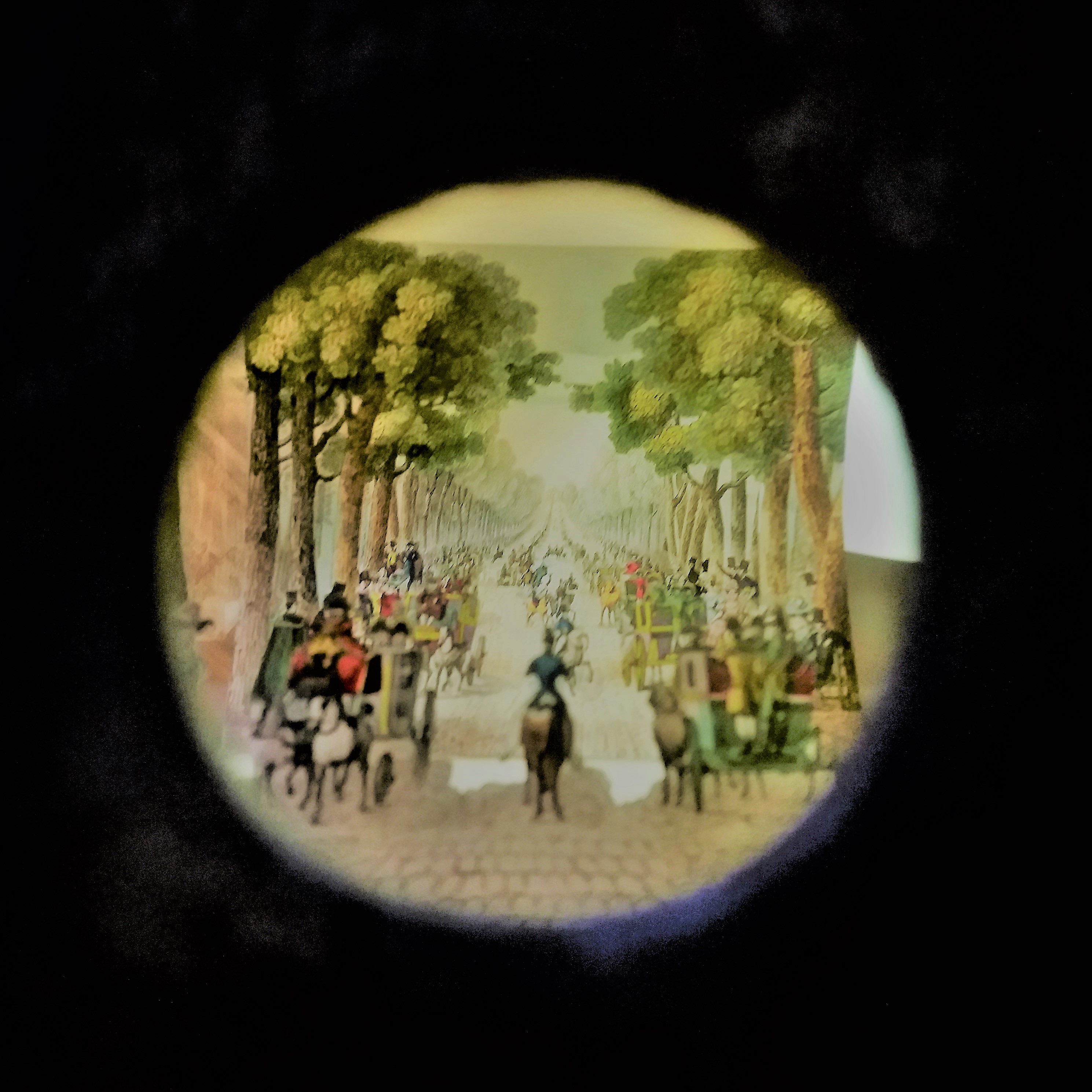
Nel museo della Camera Oscura di Mulheim, una delle più grandi al mondo. Qui ritratto uno degli esempi di sovrapposizione di piani che amplifica la visione prospettica.
Qualcosa su cui The Silent University lavora già da diversi anni. Nello specifico la prima Silent University nacque a Londra nel 2012 su iniziativa dell’artista kurdo Ahmet Ögüt, nella cooperazione fra la Tate Gallery e la Delfina Foundation. Da allora si sono aperte nuove sedi in tutto il mondo, da Stoccolma e Amburgo ad Amman e Atene, fino all’inaugurazione nel 2015 della Silent University di Ruhr a Mülheim.
Siamo dunque andati a scoprire più da vicino di cosa si trattasse.
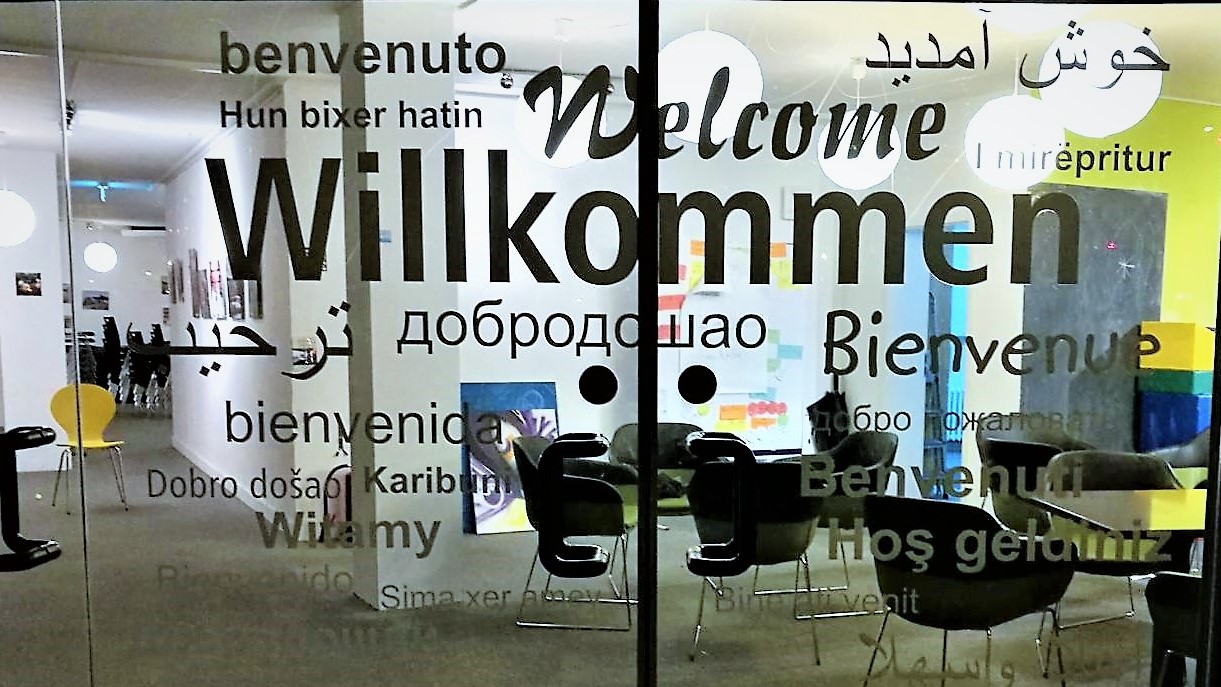
L’ingresso della Dezentrale, il luogo a Mülheim in cui ha sede la Silent University di Ruhr
Logo della Silent University di Ruhr
La Silent University nasce come una piattaforma indipendente online basata sullo scambio di conoscenze da e per i rifugiati, i richiedenti asilo e gli immigrati. L’obiettivo è riattivare le conoscenze e le competenze dei partecipanti che non sono in grado di utilizzare il proprio background accademico a causa dello stato di residenza in un paese diverso da quello d’origine. La piattaforma offre dunque un programma accademico con conferenze, discussioni, ecc. Per la Silent University il silenzio e la lentezza sono i valori costituenti, gli stessi che la accomunano con la visione Open Future di Matera 2019, gli stessi con cui noi del Sicomoro ogni giorno fondiamo il nostro lavoro.
A Mülheim abbiamo avuto il piacere di incontrare la coordinatrice e il consulente della Silent University di Ruhr, Kirsten Ben Haddou e Justin Fonkeu, e abbiamo partecipato ad uno dei loro eventi, il vernissage della mostra “C’era una volta in Siria”.
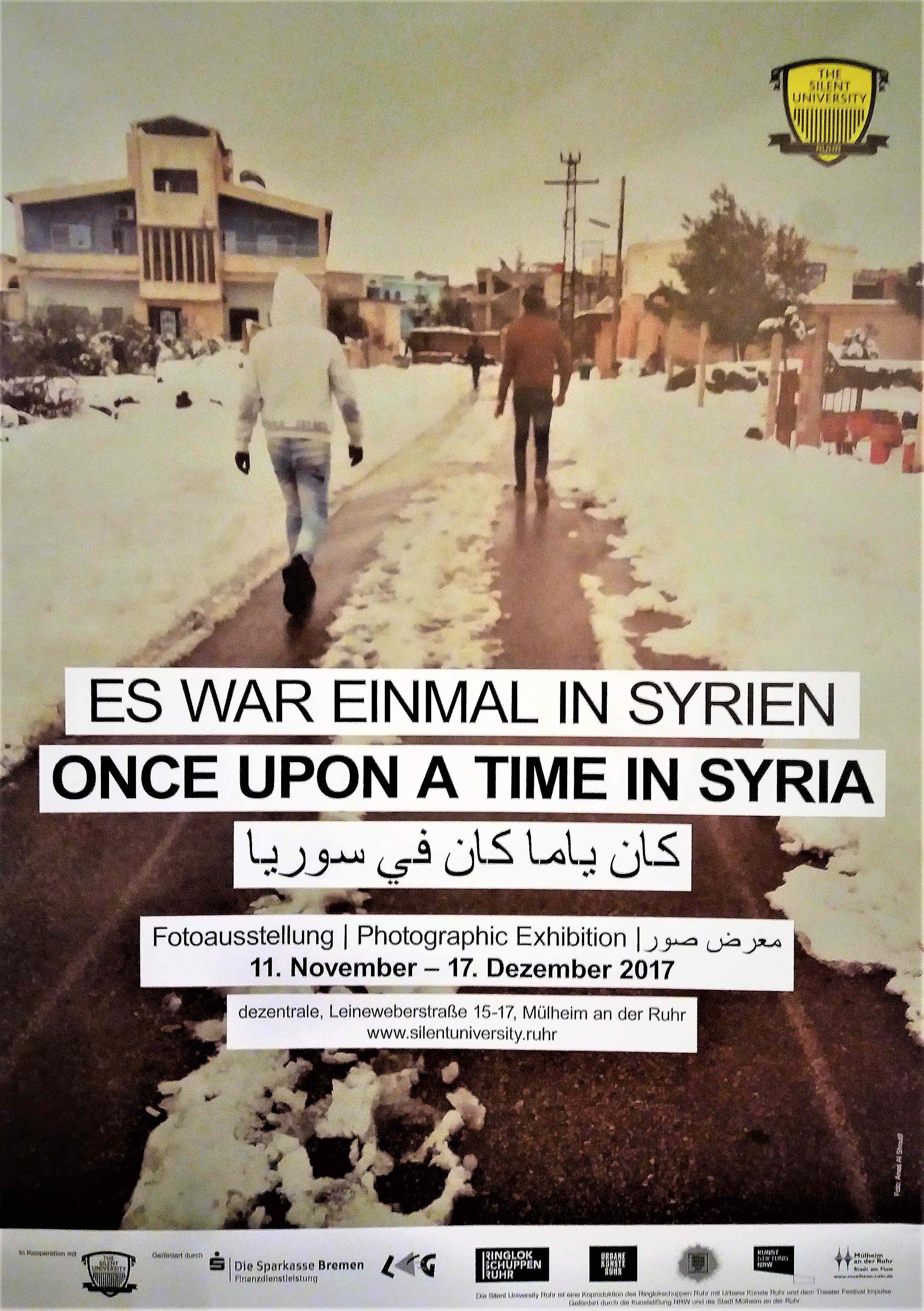
Locandina della mostra “Es war einmal in Syrien”
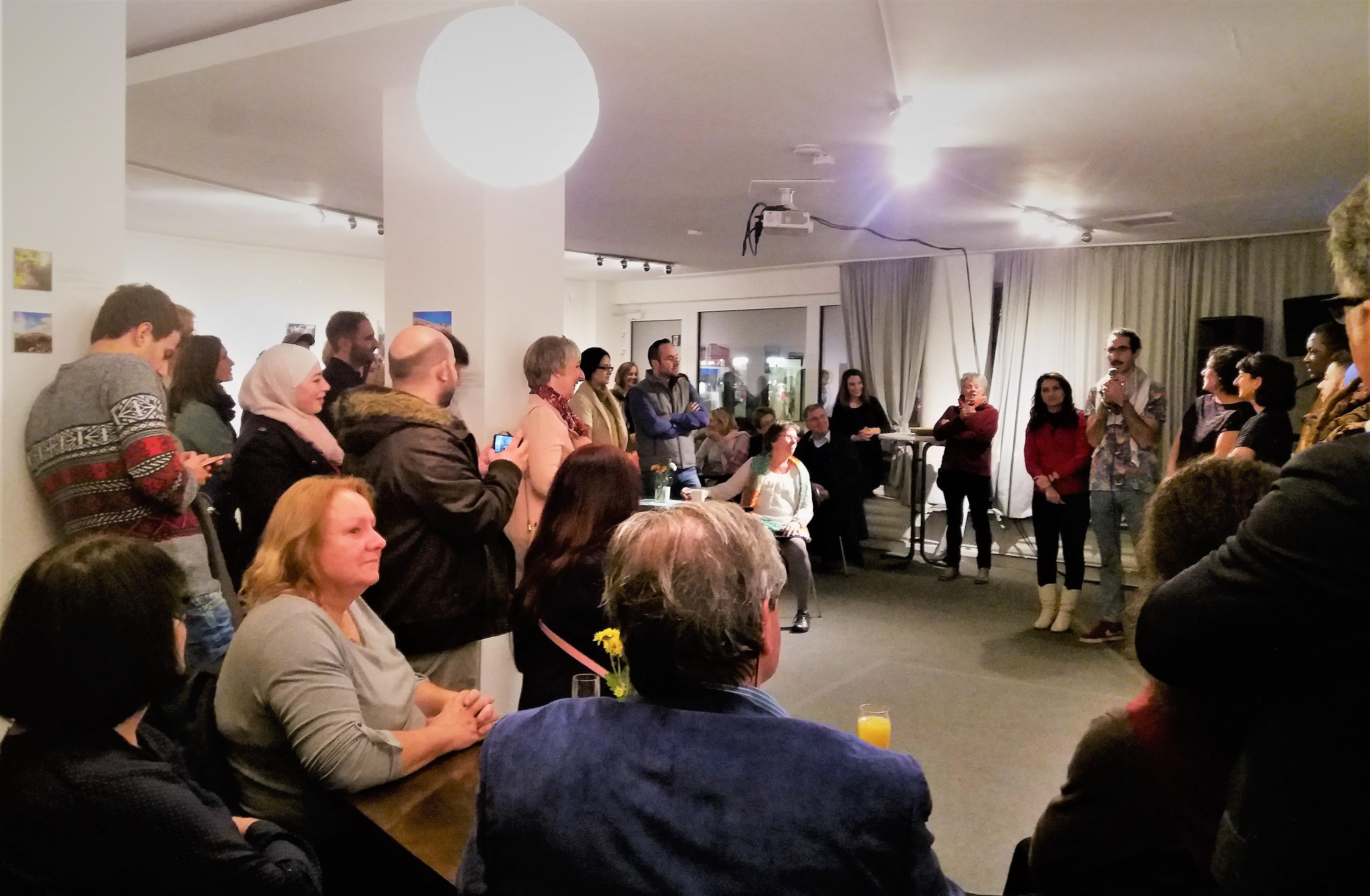
Conferenza di presentazione alla mostra
Stefania Dubla e Marta Schiavone, le nostre portavoce a Mülheim, hanno discusso a lungo con loro, confrontandosi sui punti di forza e di debolezza dell’iniziativa nella prospettiva di replicarla a Matera e in Basilicata per il 2019.
“The Silent University Ruhr – dicono Kirsten e Justin – is located in the center of Mülheim on the edge of the pedestrian zone. Known as the Dezentrale, and already established as the site for a variety of artistic and social projects in the past, it has an open door policy. It’s place where people in the city can meet. A place where knowledge which has been silenced can be heard once again”.
La cosa più bella è stato conoscere e vedere con i nostri occhi lo spirto di quest’iniziativa, il senso di appartenenza nell’incontro fra mondi lontani che diventano una sola cultura.
Ringraziamo allora Kirsten e Justin, per il fruttuoso incontro. Torneremo presto a Mülheim. Intanto, avanti tutta verso la co-creazione della più bella delle capitali!
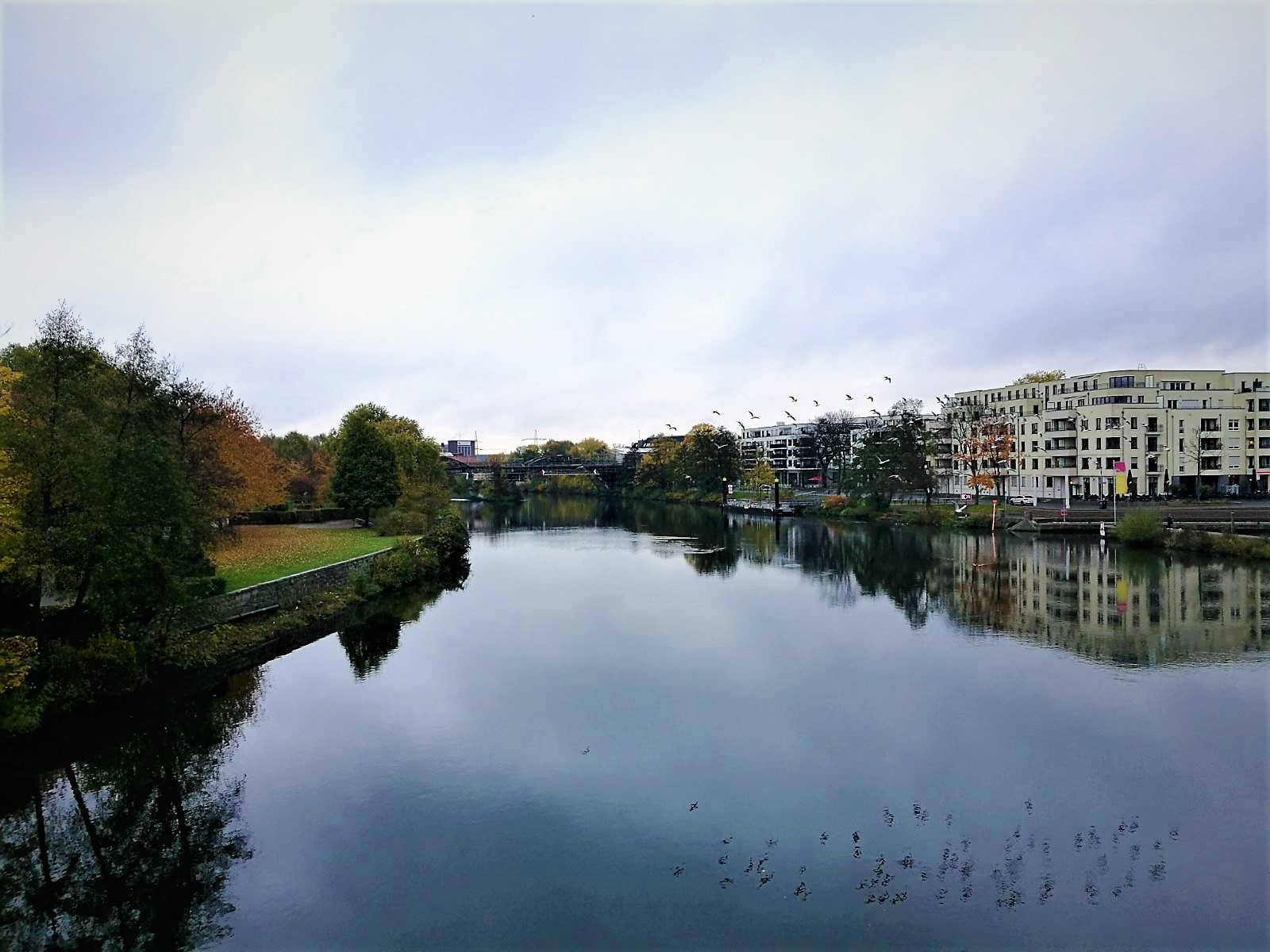
Vista di Mulheim
Teatro dei Sassi Go&See
29th August: Matera
We reach Naples because tomorrow we leave from Capodichino to reach Stefano Faravelli in Turin.
30th August: Turin.
We meet Faravelli. His house inspires us with solutions for the ‘camera secretissima de lo core'. Stefano listens very carefully, then shows us some of his emotional maps. We agree upon everything, we take note of critical issues, too. We say goodbye holding three of his maps in our hands as if to say that we have already started working together.
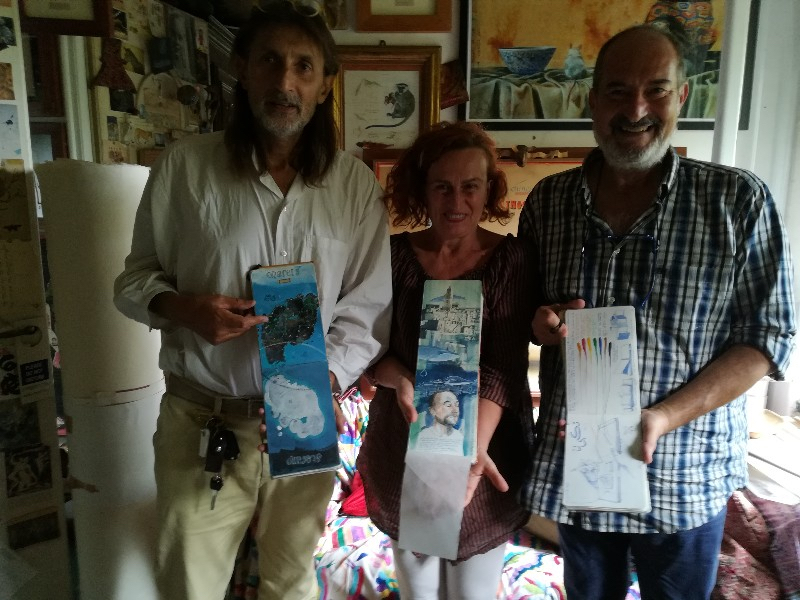
August 31st: Berlin
We leave from Bergamo and in an hour and a half we are in Berlin. Andrea, kind soul for us, comes to pick us up at the airport and takes us to his house. That afternoon we go to the Radial system V,seat of the Sasha WalzCompany, to meet her art director, as well as her husband, Jochen Sandig. First, he wants to show us their work space: just great. After the long interesting visit to their place, Jochen leads us outside where, around a coffee table, we start telling about our project. As soon as Matera is mentioned, Jochen nicefully requests a long digression about the town and the Sassi, surfing the Internet with his mobile, as if he needs to be sure that what we are describing is real ... Even with his great ability in digressing Jochen is very interested in the project and immediately shows his understanding of it. He has taken notes of everything and asks to know the possible dates for the next meetings as soon as possible. He tells us that he immediately wants to report to Sasha Walz the contents of our meeting and agrees to submit by 15th September their commitment to the project together with the broad economic proposal, the hypothesis of co-financing and also the best period for their participation. We suggest the following: 1-a couple of workshops aimed at ordinary people,not at professional dancers, held in 2018 by Sasha Walz together with at least 4 dancers from her company; 2- to perform,with her dancers and the participants to the workshops, at least five short stories to be told through dancing in an equal number of places in the city of Matera in 2018; 3-to be present at the crash tests planned in 2018; 4-to perform the 5 stories with 5 mini-choreographies for two consecutive weeks in 2019.
Before leaving, we remind each other that we will meet again later that night to see the show 'Women’ by Sasha Waltz at the festival “Tanz Im August” and also the next morning to meet Sasha Walz after taking part to a virtual reality experiment precisely on the show ‘Women’.
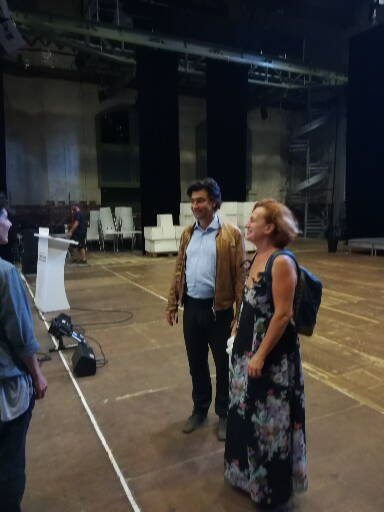
1st September - Berlin
At 1.30 p.m. we meet AlessioTrevisani in front of the restaurant Oxymoron, Rosenthaler Str. 40-41, a beautiful road full of buildings which were restored after the fall of the Wall. We are on time but he is already there. We settle in and begin a business lunch. Alessio immediately looks like a gentleman: speaking of ideas for our ‘Atlante’ he tells us about angels and about his desire to make the authors of the stories dance. Around 15th September he will also send us the project proposal and financial plan. He will ask his theatre in Leipzig for a possible co-financing.
1st September - Berlin: Meeting with Heike Hennig, choreographer from Leipzig.
In the afternoon of September 1st we meet Heike Hennig in a café. She is from Leipzig and is half an hour late: in a message she describes a huge unexpected traffic jam. She arrives with a bright smile on her face and apologizes. She is with her husband, a big man who turns out to be shy and nice. We get straight into the heart of the matter and we tell her about the project, Andrea Villani, our good soul from Berlin, translates every German phrase. She often nods and,as we speak, she shows us some photos and brochures that she brought with her, as if to stress the fact that our project tells about people, methods and ideas that already belong to her. Indeed it does look just like that and we feel we have found a potential great workmate. At the end, before we say goodbye, she brings out a box of chocolates and gives it us as a present. We greet each other reminding her our mutual commitments, but with big hugs and smiles.
1st September - Berlin: "Women" by Sasha Walz
At 9:00 p.m.,at St. Elisabeth-Kirche, a deconsecrated church, we watch the show ' Women’ by Sasha Walz. After that, the choreographer joins us for greetings and for asking further details about our project.
2nd September - Berlin: Virtual Women.
As promised, in the morning of 2nd September we go back to the church where the night before we watched the show ‘Women’ by Sasha Walzthe. There we watch a 30-minute virtual version of the same show. At 12 o'clock we, along with about twenty people, are invited by the technical staff to wear special glasses, which have a cell phone instead of lenses. In the scene that we see there are the women sitting around four tables arranged in a square. The prospect of vision is central: we are in the middle and the dancers sitting around us that act and dance. They invite us to get up and move in that space. We have a 360-degree view so that, when we move our head or turn back, we see exactly what happens behind us. At the end, we think about the sensations felt and we agree that the augmented reality we imagine for our project does not exactly match what we've seen and felt this morning.
2nd September - Berlin: we meet the Grape shade
Our last meeting before reluctantly leaving Berlin is with a member of the Grapes hade, a group of ‘tough’ dancers on the up-to-date Berlin scene. We liked them on you-tube during a long surfing on the Net looking for new trends in European dance. The representative of the group listens to the translation by our exhausted good-soul Andrea and constantly takes notes. When we speak of co-financing, he tells us that also in Berlin the Ministry of Culture has recently been asking artists for a 20% co-financing on each proposed project. Groups like them-he explains- aren’t able to work with local authorities any more, precisely because they can't support that 20%. Anyway, he seems interested in our project, but he says he needs to talk about it with the others in the group. In any case, they will write to us by the deadline. After this, our meetings with German artists are finished. Tomorrow we leave to Verona, to Padua and then to the Venice BIENNALE!
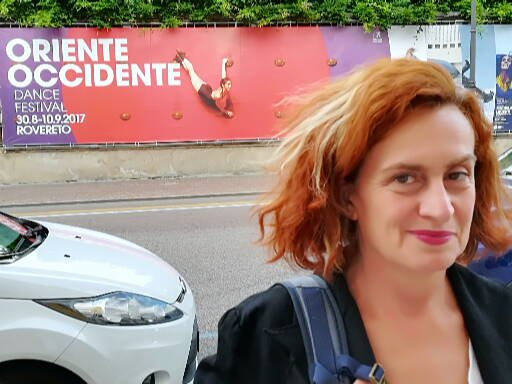
3rd September - Rovereto, at the ‘Oriente Occidente’ Festival
We say goodbye to Berlin and Andrea. We take a flight to Verona and then a train to Rovereto. In the early afternoon we meet Paul Manfrini, one of the two artistic directors of the festival. They are interested in participating in our project and they suggest us to go to the Mart and see the exhibition by Salvo Lombardi, performer and choreographer, who has used augmented reality. If his work were to be interesting to us, says Manfrini, the Festival might consider his presence in Matera as some form of co-financing. They also ask if it could be possible to make a further 'stage ' after 2019 in Rovereto. So, we go and see the exhibition by Lombardi: it seems interesting but we can't imagine a version for our project. At 6.00p.m. we watch the show on the terraces of the Mart: OSCYL VARIATION by the French company of Eric Lamoureux and Héla Fattoumi. In the evening we go to the theatre to watch Lutz Forster and we are fascinated and moved.
4th September - Padua, towards the ART BIENNALE
In Padua we join Marco at his home, where he will host us during our two-day visit scheduled in Venice for the BIENNALE. Our good soul from Padua shows us the city and relieves our exhaustion.
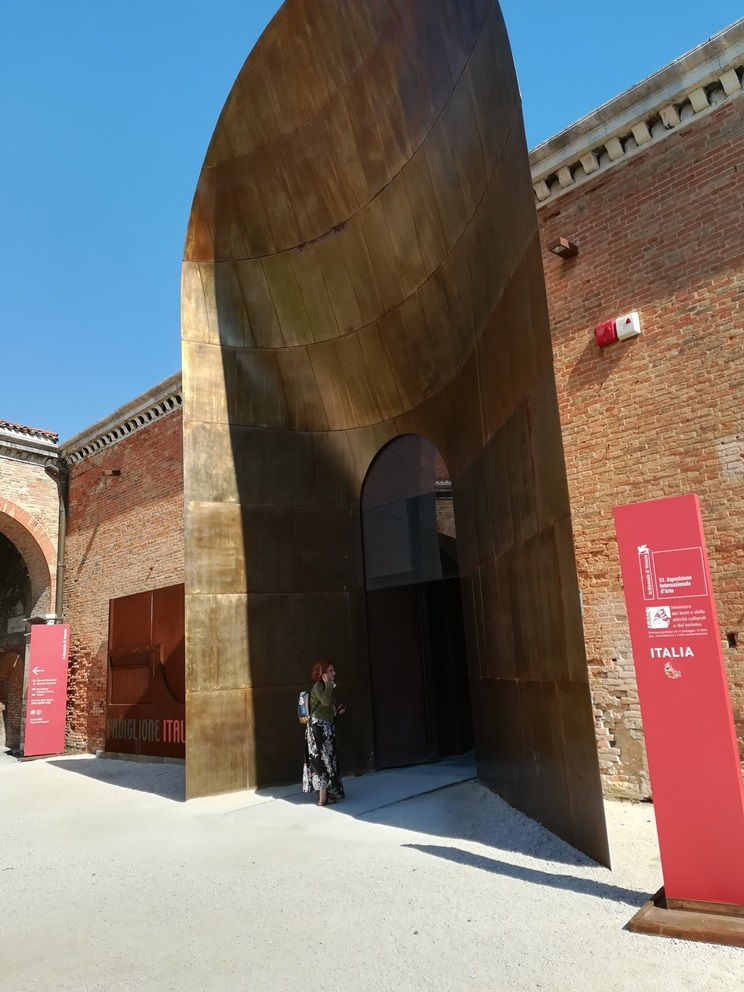
5th September - Venice, Biennale, Arsenale
We spend two days at the Biennale in Venice, starting from the Arsenal: we find many ideas for our project. Many thanks to Ariane for having recommended this visit. How many books, how many maps!
6th September – Venice Biennale, Gardens
A great part of this section also seemed very interesting. We were especially fascinated by the Russian and Japanese pavilions, but many others really deserve a visit.
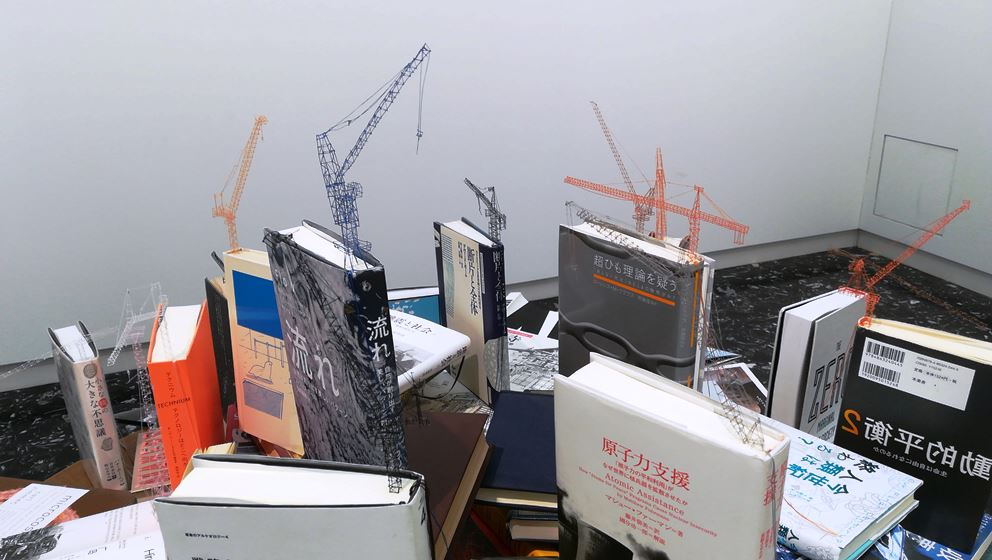
7th September, Turin - meeting with Alessandro Baricco at the Scuola Holden
We are back in Turin, this time to meet Alessandro Baricco and the people in charge of the Scuola Holden. We are impressed by the beauty of the building. Alessandro walks towards us along the corridor on the first floor with Marta, his assistant. His kindness makes us feel immediately relaxed. While sitting around a table Luciana explains our project in detail: both Alexander and the director of the Scuola Holden really like it. Alessandro intends to oversee the work done by three or four very talented graduates of the school, including young people coming from the South of Italy, who would be in Matera for two or three weeks to analyse stories, to meet the authors of maps and maybe to helping us even collect stories so that they would have an insight of how the people and the city are. Alessandro tells us that he has to finish his latest book by May, so he could start working by June; anyway he promises that he will be with us in Matera for a week in March, after the collection of maps will be completed. We also ask him to plan an overall idea of narrative drama. By 15th September, as we requested, the school will make a proposal specifying whether and which co-financing they plan to adopt. This brings our go&see to an end. We are very tired but really happy.
Il vagabondo Go&See #1
Our go&see took us to Copenhagen to meet two international experts in l.a.r.p. (live roleplaying games) in order to see how they work and start a discussion on our project. It was a very busy and fruitful 5- day working session, which made us fly to the Danish capital from Matera as well as from Pavia, from Poland, from Sweden and Finland.
The weather was gloomy and the temperature was not exactly the one we are used to in summer but, after all, we had to work. After stopping over in Naples for a conversation with the President, we spent the first European day sharing opinions on several issues related to the project. Then, two experts in larp arrived and we went straight to the heart of the discussion.
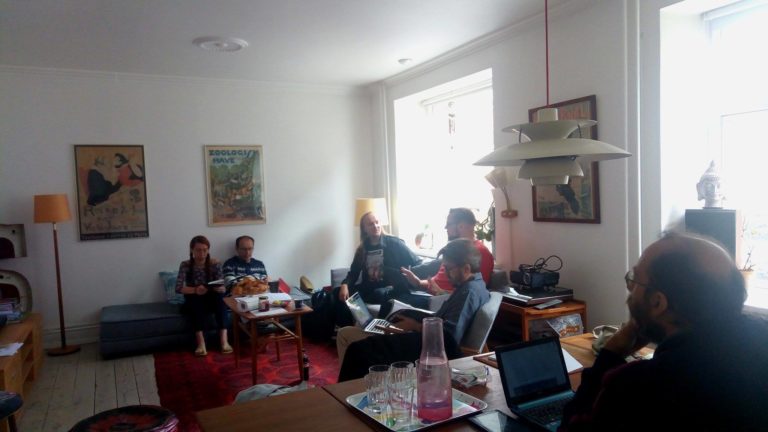
Sergio explained the objectives of the project and the steps outlined by the Foundation, in addition to the assumptions about the outputs. Then, two producers took the floor: Bjarke Pedersen told us about various larps he performed and explained the different technical aspects, targets and organizational features. He addressed the issue of the locations and the various practical options between sets, which may be either closed or blocked off, and larps, which involve people. Then, he presented his latest creation, the hamlet.
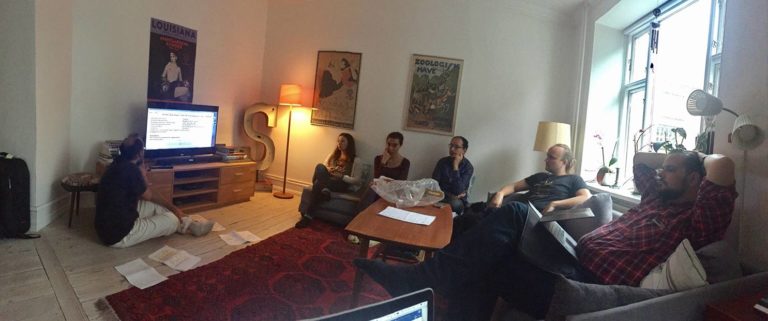
After that, we listened to Mike Pohjola, producer of larp and other transmedia experiences. And, in order to understand how a larp works/is carried out, he guided us on a 3-hour tutorial.
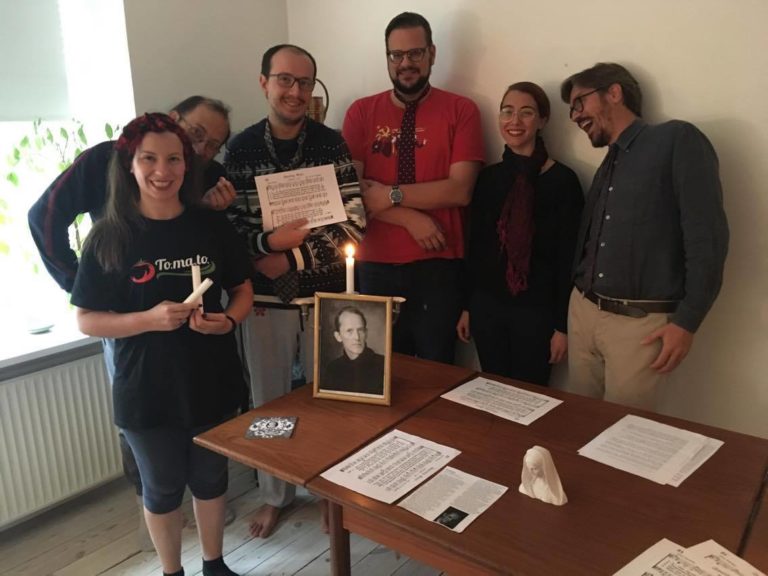
The last sessions of our tour included a discussion on the possibility to cooperate and details on the production costs of a larp and on the technical profiles required.
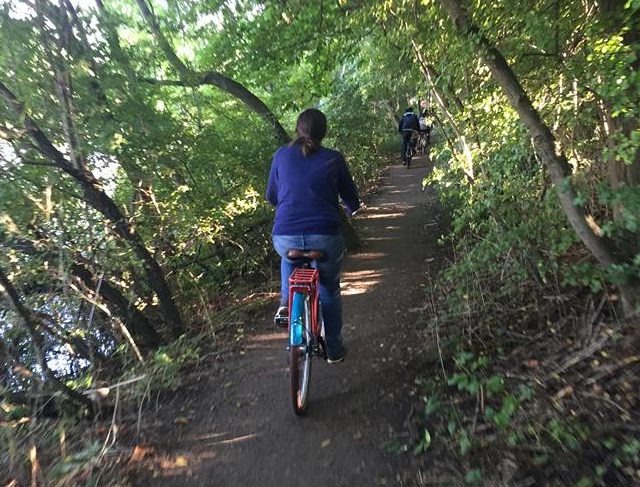
Finally, on the last day the sun came out and, to unleash our creativity, we went for a bike ride.
La luna al Guinzaglio Go&See #1
Objective: meeting one of the key partners of the Luna al guinzaglio proposal for Matera 2019, that is to say the Mediterranean expedition that will arrive in Favara, in the province of Agrigento, on 26th August, to support the Farm Cultural Park, an urban regeneration project that is facing a critical period within the local government.
It is the right time to explore a territory where contemporary art will be used to regenerate the entire inhabited centres, spoilt by illegal building, worsened by catastrophic events. A typical example: Gibellina Nuova. After the earthquake in Belìce, the small town has been well known for the reconstruction of an open-air artistic park whose works of art are closely related to the Museum of the Mediterranean Wefts.
25th August: Potenza-Favara on the road
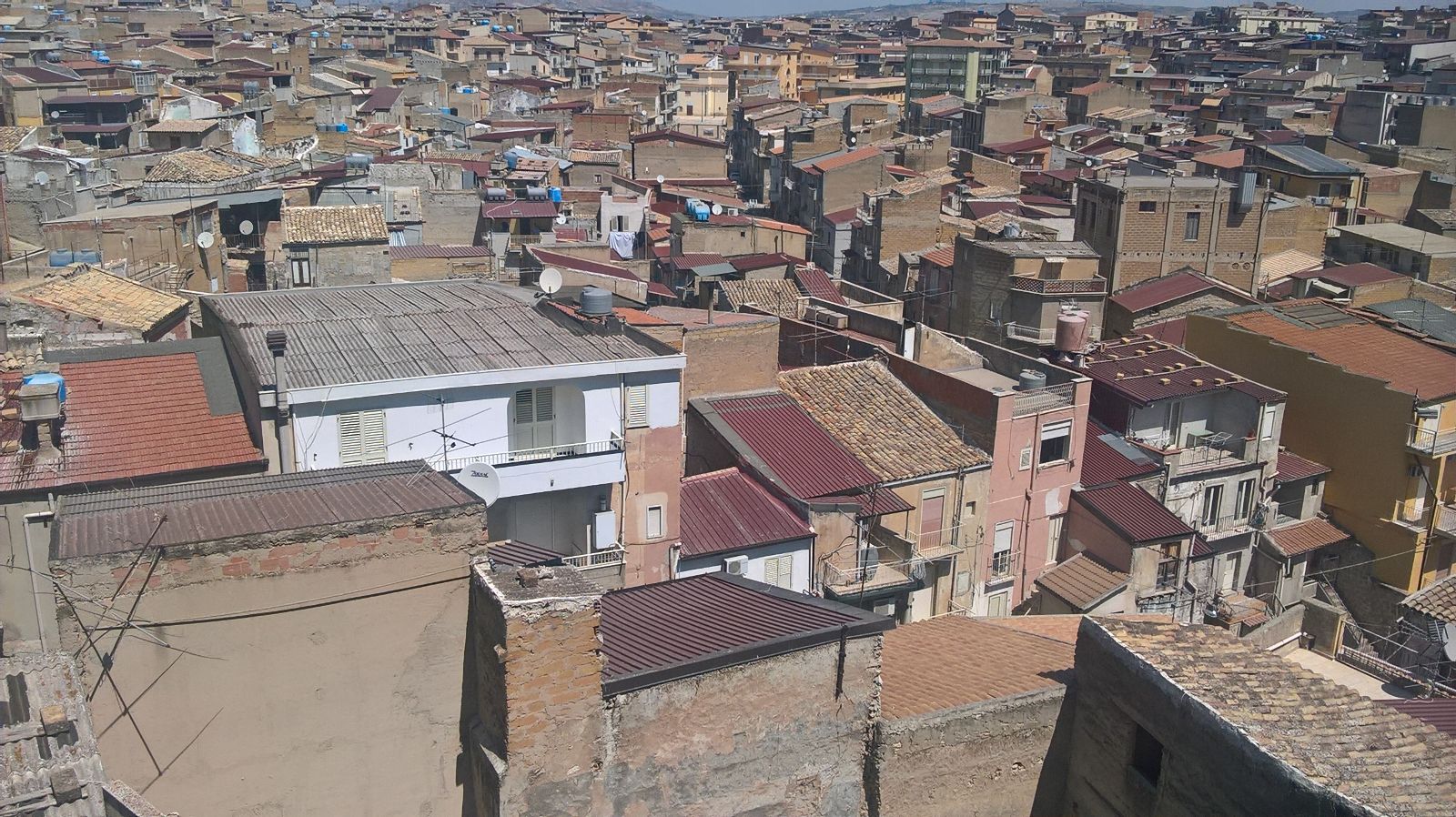
The Salerno-Reggio Calabria highway is now beautiful and easy to be driven across, thus letting people enjoy the night journey to Sicily with the sunset on the nice, hot and red sea. Almost nobody is taking the ferry boat to Messina late at night, the air is mild and after half- an- hour ferry boat the challenge starts: we arrive in Favara on time for the midnight check-in at the Community, that is the B&B inside the Farm Cultural Park.
But Gaetano, who is the owner of the B&B, already knows that in the darkness, the road will not meet the expectations.
We arrive in Favara at night,we are exhausted, we do not seize immediately the greatness of the site, but even in tourist accomodations you can ‘live’ design everywhere, which highlights mass architecture in a pleasant cosmopolitan contrast.
26th August: Mediterranean at the Farm Cultural Park
Designed by Andrea Bartoli and Florinda Saieva back in 2010, the cultural park was built in order to make art revitalise a territory affected by a high percentage of delinquency and illegal building. Thanks to this project it was possible to import good practices from all over the world, thus getting inspired by containers of International contemporary art, rather than by districts built in the big worldwide capitals where it is possible to find manufactured products, food from all over the world and innovative experiences.
A regenerated inhabited district that develops in 7 courtyards with a Moroccan garden, a social kitchen, a co-working space, a gallery for temporary exhibitions, a school of architecture for children, several spaces where to drink and eat, tourist accomodations managed by the buildings’ owners who started their business within the framework of the regeneration project.
It looks like a gallery-district where every year artists, architects and the creative community are invited to replace the installations and the works of the continuously developing collection.
It looks like a big machine that requires a huge effort and that involves most of the community directly or indirectly.
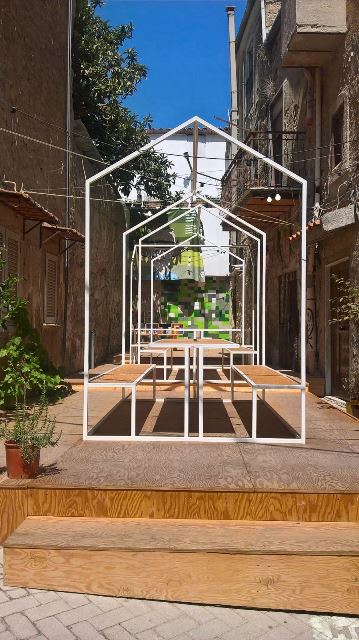
The positive effect of the project can be immediately noticed wandering around the town, starting from the Castle that hosts temporary exhibitions in compliance with the schedule of the Farm. The aesthetic contamination can be noticed in the urban furnishings of gardens, benches, signs etc. It seems that some other activities and places might have been contaminated by this innovative atmosphere: the Museo della Mandorla (Museum of the Almond) - that unfortunately is shut down but a glimpse of it can be caught from the windows - restaurants with tables in the yards and street art on the walls, unique corners standing out among the run-down lanes and pervasive incomplete buildings!
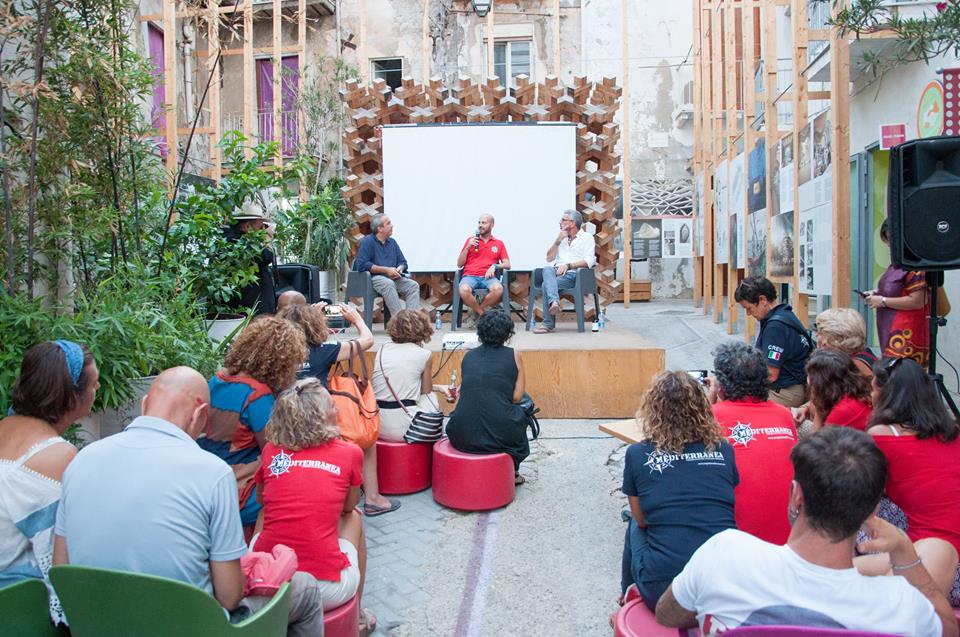
In the evening the expedition Mediterranea organizes an unscheduled event at the Farm Cultural Park to raise the interest in the project by comparing the two realities that are putting their efforts to change difficult situations.
Mediterranea is an expedition that was founded in 2014 by a group of people sharing the passion for sailing and the wish of using the energy of a boat in a mission aiming to let people know the other Mediterranean countries, to build peace bridges and to offer a tool to carry out scientific research, like the study on plastic wastes in the water. It is a project open to new collaborations. On the way to Favara, we decide to stop at Porto Empedocle, even if it was not planned because for La luna al guinzaglio it was an opportunity to meet the partner with whom we worked out the proposal for Matera 2019 within the framework of “Coast to Coast”.
The dialogue between Simone Perotti, writer, sailor, designer, heart and soul of Mediterranea, and Andrea Bartoli, founder and artistic director of Farm, opens a public debate on the importance of long-term planning like this one and on the need of having visionaries who can look towards new development opportunities and community prospects.
At the end of the event, we meet Francesca Piro, sailor and President of Mediterranea together with Simone Perotti, to discuss about next year’s projects and organize an inspection on the boat. 2018 expedition has to be completely organized because the captain and the crew must be identified. Every year the crew alternates the founders with the project’s partners. However, we have already decided which countries we are going to, such as: Tunisia, Morocco, the Strait of Gibraltar and Portugal. “In October we will plan other activities”, Mr. Perotti concludes and puts off a more operative meeting with Francesca to the following day.
The evening goes by very fast until late at night. Tasting a small rice croquette and an artisanal beer, we visit all the spaces and every corner of the gallery with the electro-soft dj-set. We are surprised to see the huge quantity of people strolling down the narrow streets of the Farm and the absolute transversality, despite the most popular festival of the village is underway in the central square! Groups of youngsters, families and couples of adults stroll down and mix with young people and people looking for an alternative evening, while a film on the street art in Grottaglie is projected and followed by an interesting debate on the creator, thought-provoker, art dealer and internationally-lauded artist: Angelo Milano, tag Momo.
27th August: The Museum of Mediterranean Weft in Gibellina and Mediterranea in Sciacca
At breakfast the President of Mediterranea explains to us thoroughly the 2018 programme of the expedition, highlighting any unexpected events, presenting the local interlocutors, like the Institutes of Culture, Embassies and Port authorities that are usually involved to start planning meetings, research and events.
After scheduling the next dates, an inspection of the boat is carried out at the Porto of Sciacca where it is tied up at the dock.
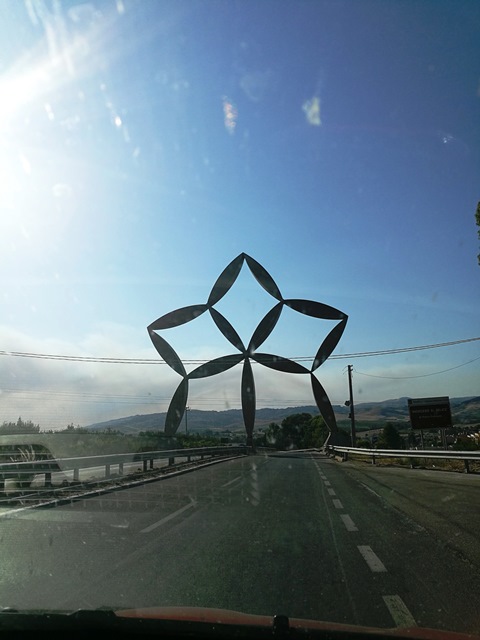
In the meantime, turning and heading towards west, La luna al guinzaglio continues up to Gibellina, where it discovers a town that is the symbol of the post-earthquake regeneration hosting the Museum of the Mediterranean Wefts.
Favara is 120 km away from Gibellina, that is two-hour drive through contrasting landscapes.
The degradation caused by illegal building is replaced by the beauty of the Valley of the Temples and of the coast.
Driving northwards on Sunday afternoon we can see an arid and dormant landscape and Gibellina Nuova looks surreal, among impressive incomplete and complete monuments whose value is unknown to the most!
All is quiet, while the big works of art display a recent past to the foreigners, a past that has marked history only in the art textbooks, without giving way to a better future for the community.
This place is a true open air museum, where Ludovico Quaroni built the Mother Church with the shapes of a suburban planetarium, Consagra built a big portal at the entrance to the town and an incomplete theatre, Mendini built the Civic Tower-Carillon, Accardi decorated entire walls with hand-painted local ceramics.
We drive through the town to admire the art in the street. We do not have enough time to arrive at the old town of Gibellina where Burri turned the ruins of the town erased by the earthquake of Belice into a permanent memorial known as the “Cretto gigante”, one of the world’s biggest land art works. After the earthquake of 1968 Gibellina was rebuilt near the motorway, on the lands of a mafia family. The mayor at the time invited the most important artists and Gibellina started to be mentioned in the textbooks of contemporary history of art but its reputation stopped there.
The Foundation Orestiadi deals with interesting activities. It organizes the festival of the theatre and international music that can boast big settings like the huge cretto by the master from Città di Castello and promoted the Museum of Mediterranean Wefts, that celebrates Sicily as the outpost in the exchanges between Greece, Middle East and Africa.
We are interested in craft works and works of art that mix and convey the know-how of remote places. The famous artists who are included in the exhibition raise the expectations. In fact, the great work by the Stalkers in primis, “Tappeto volante” does not disappoint them: stalactites made of ropes with copper ends make up a suspended sky and devise a travelling place, where stillness mingles with movement. The installation is the result of a multicultural lab aimed at redesigning the wooden ceiling of the Cappella Palatina in Palermo, a manual activity which can involve everyone in the research on the Iranic origins of the building that has been implemented within the travelling exhibition “L’Islam in Sicilia”.
The collection of impressive and unique installations is a proof of the time spent in Gibellina by artists like Boetti, Pomodoro, Isgrò and Accardi. We cannot but mention the impressive view of the “Montagna di sale” by Paladino, in which the power of the black horses sucked by the whiteness of the salt is thrown towards the dry landscape beneath the impassive sky.
Unfortunately, the remaining works and artifacts in the exhibition disperse this great energy. Paintings, sculptures, artifacts, handicrafts, traditional textiles and costumes are exhibited mixing them up along a completely confusing space-time; moreover, they are blurred by the neglected settings, which sometimes are almost kitch!
The attempt to put everything together hasn’t been very successful. It is clear that adding new luster to this great treasure has been necessary, as the closure of the seat of the Foundation in Tunis some years ago shows.
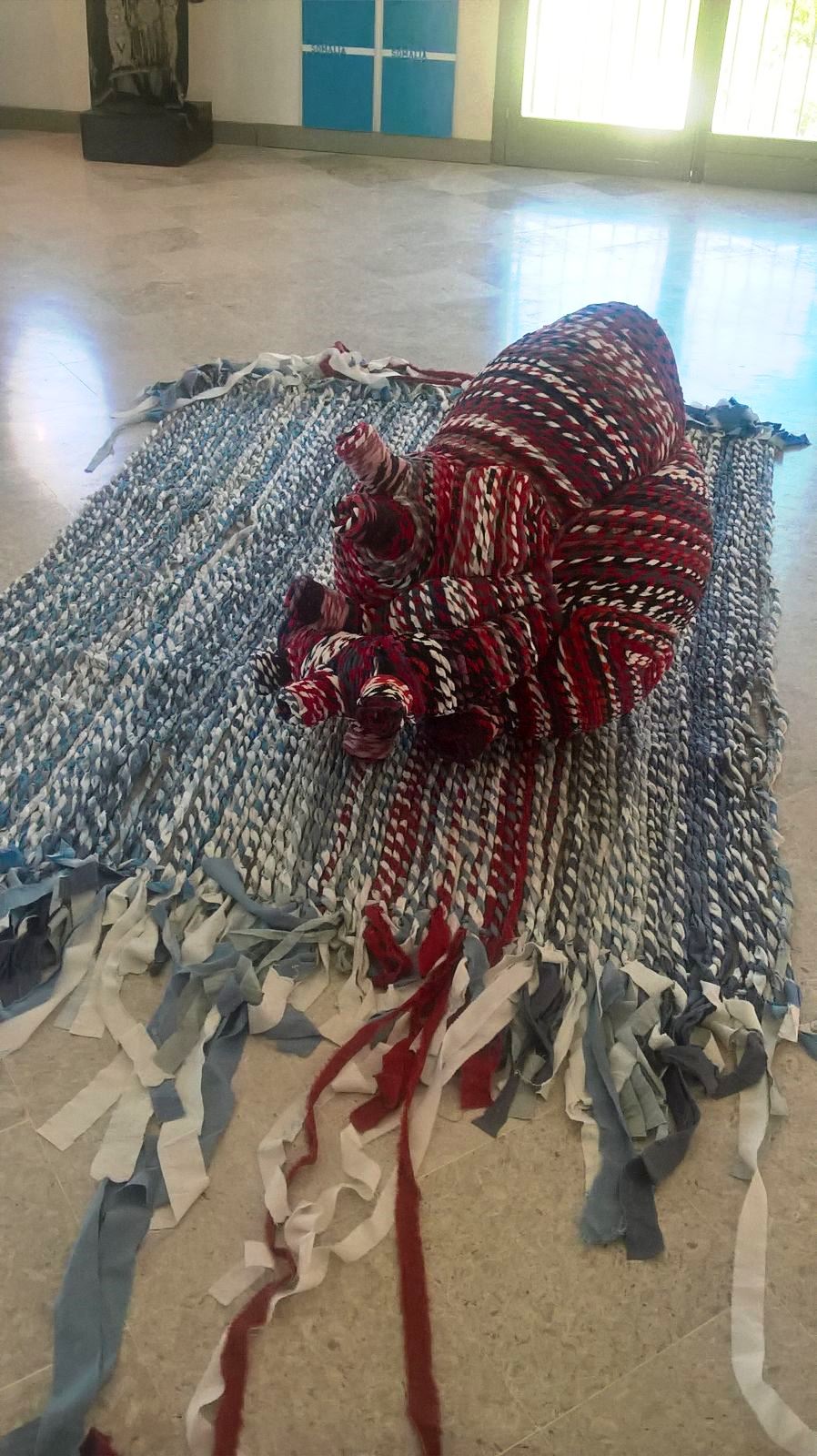
Therefore, we set off for Sciacca, our mind full of visions.
We are going to visit the only sailing boat arriving at the port tonight. We arrive at the same time as the 17-metre blue and white sailing boat that manoeuvres and ties up at the dock. Simone Perotti helps us get on the boat to introduce us to the crew and show us the spaces that 14 people have been sharing for three years during this expedition in the Mediterranean Sea.
A masterpiece of wooden joints and details with all the necessary stuff to live together, to read, to discuss, to study and to relax. Cabins and control boards are located together with cupboards, a small library, a table for everyone and the plotter to display the routes on the maps.
At last we are on the vessel that will spread the wings of our imagination wide, from Basilicata to the Mediterranean.
La luna al guinzaglio is ready!
The new captain will join the crew in October. We have to wait!
After a relaxing stop over in Catania, where new and old friends welcome us, we are ready to go back to Basilicata.
Casa Netural Go&See #1
The Matera EuropeanCapital of Culture 2019 candidature bid book foresees a number of projects that are to be carried out by the Matera - Basilicata 2019 Foundationin co-creation with the Lucanian creative scene.
Casa Netural is one of the 31 Lucanian creative realities chosen as Project Leaders to design and develop the bid book projects together with the Foundation, and more specifically is working on the co-creation of a project regarding food within the Roots and routes theme of the bid book.
Among the various tools foreseen in the co-creation process (meetings, workshops, mentoring), we have the "go&see": a voucher to go to Europe, in search of encounters and sources of inspiration; to forge new relationships and partnerships.
We at Casa Neturalhad our first "go&see" in Ganges, in southern France, to meet John Thackara, our European project partner. Part of the IdLab team was also with us, project partner in charge of the communication and digital aspects. It was a meeting of discovery and knowledge.
Discovery of a territory that has many affinities with Matera, and in general, with Lucania; knowledge of the many projects that, at European level, are designing new models of community and local development by enabling forms of circular economy.
Projects in line with the goal that Casa Netural has set for 2019: to use food, a catalyst of cultural identities, to build relationships of proximity between peripheral territories seeking new forms of sustainable development.
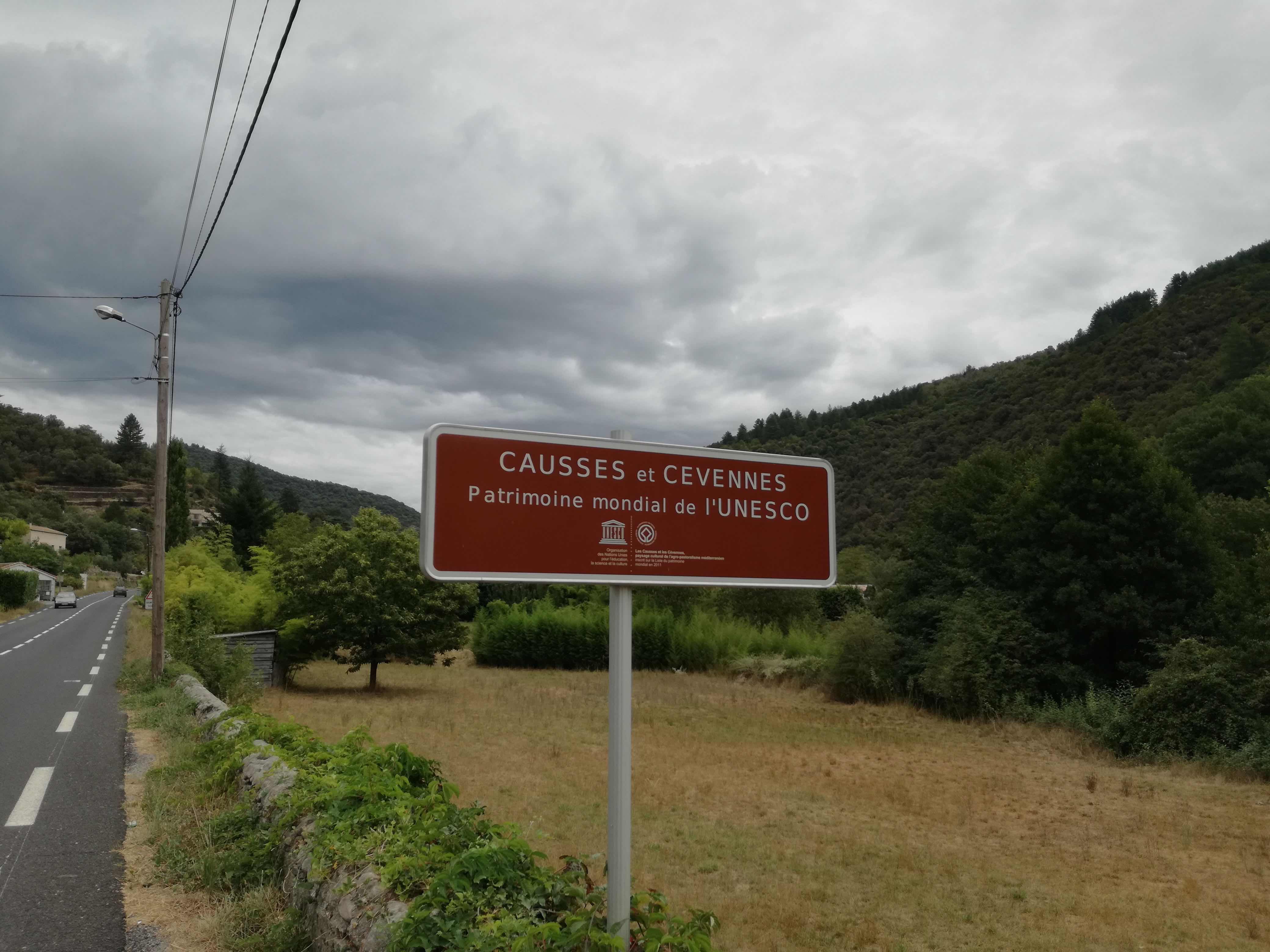
Ganges is the "South Gate" of the Causses and Cévennes territory, inscribed in the Unesco World Heritage list in 2011 as a Mediterranean agro-pastoral Cultural Landscape.
There are many affinities with Basilicata: from the geological diversity of the landscapes, to still being a testament of an “ancient” world closely linked to agricultural and pastoral traditions.
In this vast territory we find the last places where they still practice the traditional summer transhumance, a seasonal droving between pastures.
A territory which, like Matera, but, in general, Basilicata, can count on a vast landscape, natural and cultural heritage to be valued, developed, and at the same time preserved.
Beautiful places, rich in history and traditions, which invest on their heritage to no longer be "economic peripheries" but "European economic provinces": places where you can live, produce and make economy, without traumas, and preserving quality of life.
If Ganges was the door to discover a territory so akin to Basilicata, John Thackara was our bridge to meet those who, in those places, organize from the bottom up, to carry out community projects able to draw a sustainable economic development in the region.
John Thackara, English philosopher and journalist, has been living in Ganges for several years.
He was the founder of "Doors of Perception", a programme of conferences where, for the first time, a connection was created between the world of design and the environmental movement. John Thackara continues to work on his research and writing with the objective of deepening this relationship, to find new solutions for sustainable development. He is working to foment visibility and networking of all the organizations experimenting with this type of solutions.
John thus introduced us to this world, telling us several stories and describing realities.
We met and got to know Kristi van Riet, Co-Director of Doors of Perception, who shares not only a life with John, but also research work on these issues.
One afternoon during our stay was dedicated to meeting with Elise Boissiere.
Elise lives in a beautiful stone house, in the Cévennes National Park, which has belonged to her family for generations.
Web designer by training, she chose to live in her region of origin and to apply her experience and work to the service of a new development of this area, which, like Basilicata, registers a strong risk of desertification. She is working on networking all the local realities and expertise to design and implement a form of light and environmentally friendly tourism, source of economic sustainability for all affected areas, while preserving environmental and ecological sustainability.
More specifically, Elise works within the municipal administration of Vallerauge and manages two projects in particular: the Meteosite du Mont Aigoual, and Les Ecovoisins for Cévennes Ecotourisme.
The Meteosite, museum and interpretation centre dedicated to meteorology, is the last mountain observatory in France and one of the last in the world.
Les écovoisins is a project to build mini-réseaux of tourist, cultural and economic actors who work together to develop tourist practices based on the values of sharing and respect for the environment and to enable a reflection on possible forms of economic development in a rural area.
Lastly, we collected the testimonies of other "non-French" individuals, who like John and Kristi, live in one of the small towns in this region, bringing content and a European scope into small almostrural realities, chosen for the quality of life they offer:
Walter Tjantele– photographer and cycle tourism expert
Valerie Katz – chef, hotel manager, and wellness tourism expert
Walter and Valerie, in addition to pursuing their professions, own a large and historical house near Ganges, in which they combine tourist and artistic initiatives. In this way, they have made their Maison du Pont Vieux into a point of reference and of building proximity relationships at local and European level.
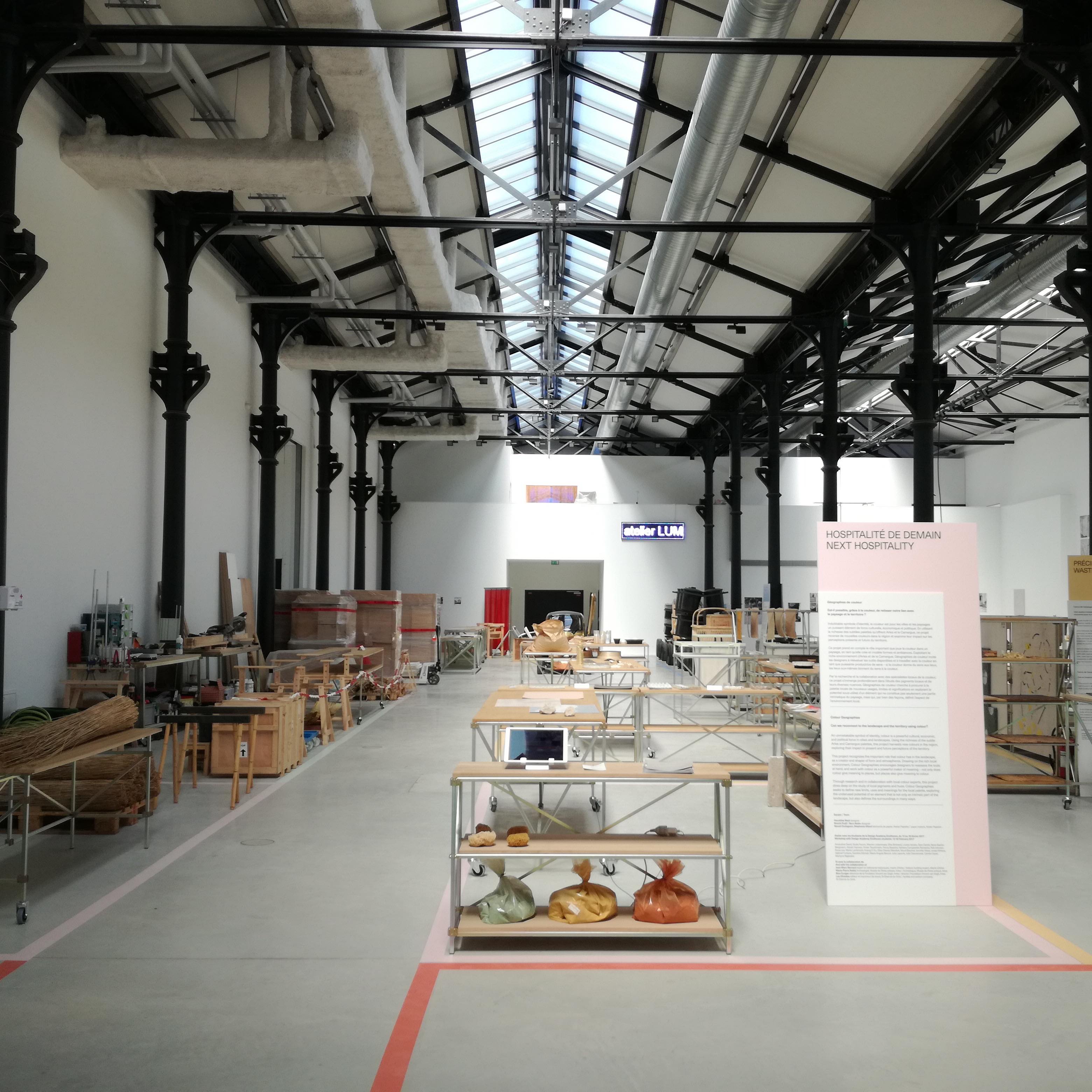
Our "go&see" in southern France ended with a bang, with a visit to Arles and Luma Arles.
Luma Arles was launched in 2013 by Maja Hoffmann – president and founder, in 2004, of the Luma Foundation – to design, develop and manage the "Parc des Ateliers", a large industrial area which has been converted into a cultural institution that hosts the various activities of the Luma Foundation.
What really impacted us is that Luma Arles aims to be an ecosystem where culture and the environment are interconnected in research and in the activation of a circular economy that starts from the use of local natural resources to return to the territory.
In its programming Luma Arles has implemented the "Cuisine des Forges" project, motivated by the belief that cooking is a universal way of sharing and promoting interpersonal and cross-cultural exchange.
We also visited there, with great interest, the Atelier Luma; the exhibition dedicated to the photographic archives of Annie Leibovitz: "Annie Leibovitz The Early Years: 1970-1983. Archive Project #1"; "The Visible World" an installation created by Peter Fischli and David Weiss.
To conclude, a long journey home which, between bad weather, delays and a long wait at the airport, got us home at 3 o’clock in the morning.
We were undoubtedly tired upon our return but completely satisfied with the experience.
Besides the beauty of the places we visited and the intensity of the meetings, we brought home living testimony of "peripheral" areas which, thanks to projects and communities built around the development of natural and cultural heritage are claiming European citizenship anew.
Gommalacca Theatre Go&See #2
At the end of this journey in the towns of the French Loire Valley between Nantes and Angers we will return to Basilicata bringing a precious commodity:
art in public space, the role of the artist in a world of active and sentient citizens, des rêves sauvages (wild dreams), the actual "cultural landscape" of people and places, of a widely-looking grey city (Nantes) with an economy made of industrial activities ranging from metallurgical to shipyards, rediscovered as European green capital, symbol of bien vivre, of the ugly turned beautiful because it is finally made visible, understood, valued, politically imagined, loved… and above all "recognized" as a common good.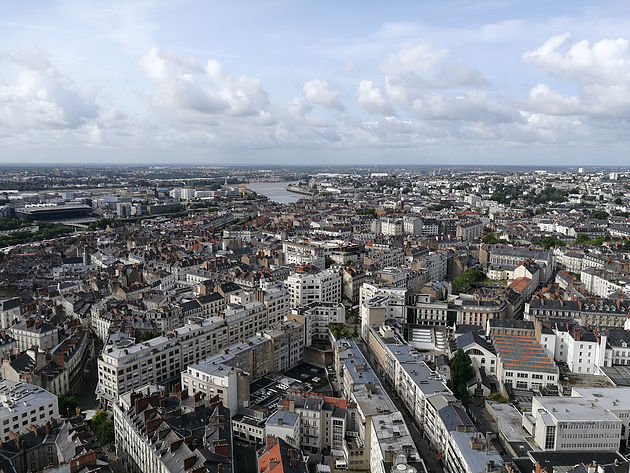
Nantes, city of Jules Verne, whose Museum watches from above the Loire River as it penetrates the city, and draws the "Ilê de Nantes" river island-in the past no man's land-former railway area dotted with warehouses for the shipyards, reborn thanks to urban redevelopment and which has become: industrial heritage, landscape of contemporary architectural experimentation, unusual space that houses the fantastic machines (mechanical 20-metre-tall elephants, large spiders and rides inspired by Da Vinci), lunar landscapes on which to jump, Cranes repainted and lit up like spaceships, small beaches equipped for barbecues by the river, vast urban vegetable gardens, art galleries, extravagant venues, schools, nurseries, green spaces, socio-cultural centres, and many people, of all ages.
A city that from the 15th to the 19th century was the first point of entrance for slaves destined for France and many other European cities of that era, and that speaks of its past through the "Memorial de l'abolition de l'esclavage", an underground walk along a corridor made of concrete and glass: we find that the names of the ships that transported hundreds upon hundreds of slaves were inspired by friendship, beauty and the Saints: L’Amitié, la Belle Marie, le Saint Paul.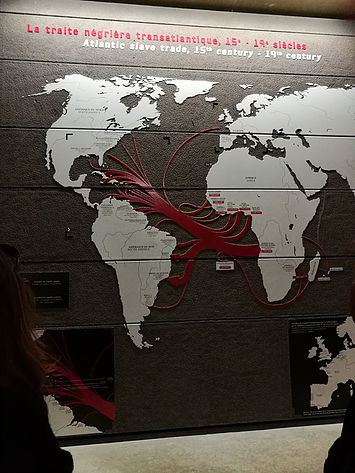
Literally every single part has been thought to welcome the presence of children and all play areas represent great opportunity to express art, curiosity and beauty. Near the Place Mercoeuris a big wooden sea monster, freed from deep sands as told by the author, artist and architect Kinya Maruyama, that puffs steam, offers gymkhanas through its belly, slides along its tongue and "waters" its back decorated with hanging plants. In addition to fountains/pools, Paysage Glissé (slipped landscapes) around the castle of the Dukes of Brittany and numerous artistic interventions of large dimensions that stimulate the city, its residents and visitors.
In the city you just have to simply follow the now famous "LigneVert", the green line drawn on the asphalt along the pavements, pedestrian bridges, iron railings to follow the 52 stages of this year. Every year since 2012 summer in the city is enriched with new visions while keeping past ones alive, including everything up to the delicious Talensac market which displays the art of presenting food.
It is impossible to summarize this trip. We will cite only three works, the ones that impacted us the most, as it is worth considering their meaning.
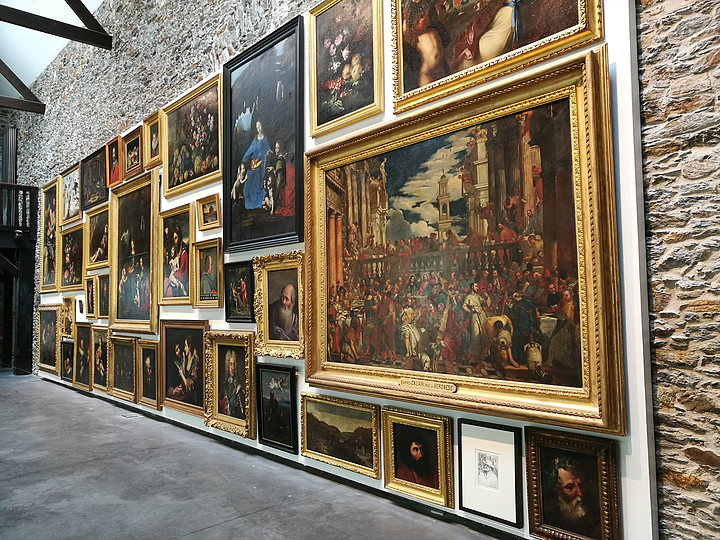
Mon nom est personne (translator’s note: my name is nobody), exhibition by Alexandre Périgot, a total artist in his use of languages that infiltrates the saturated network of entertainment and art images shaking this mechanism at a standstill by proposing Les anonymes. All museums have a part of anonymous works among their collections. These unsigned works authorize us to tell of various scenarios. An opportunity to look at a work produced between the 17th and 20th centuries, without the presence of the artist, free from panels, signatures, fame and explanations. Man and his vision of the work, a simple and shocking exercise through which we feel the "weight" of a spoiled look.
Entrez Libre by Pick Up production.
A historic jail in Nantes that will be demolished soon. Its external and internal walls portray the mural art of a collective of artists that have given voice to the excruciating suffering of its inhabitants over the years. "To provoke the inner traveller, an invitation to cross the prison bars, its madness, live its saturation". An ephemeral work of dreamlike evasion and magnificent escape.
BLKNTRNTL by Nicolas Darrot.
The Graslin Opera Theatre in Nantes has an immense mechanized black cloth flying slowly on stage. A work designed to connect the outside with the inside. When we discovered it, it was in the foyer of the theatre between the statues of Graslin and Moliére. The code is that of International Black, the first group of anarchists in London at the end of the 19th century. Seen in this way, this approximately 10 metres long flagpole, rhythmically shaken by a mechanism looks mean and vindictive. In the artist’s vision it is the extension of the conductor's baton, and the 45° inclined drape is agitated by simulating the sound of time and reflects the city’s silhouette on the glossy surface. Hypnotic, for us a representation of the ghost of the theatre, dead and buried.
Impossible not to mention Le Lieu Unique, former biscuit factory of le LU (the small butter biscuits more specifically). It is the current benchmark for the contemporary scene of many performative languages, with a brasserie, a library and a hammam downstairs.
All this and much more (the Art Museum, Le Jardin des Plantes, La Tour de Bretagne and the immense stork of Le Nid by Jean Jullien, the Art Nouveau brasserie La Cigale, unchanged since 1845) is Le Voyage a Nantes the public company that has joined the institutions and artistic sites representative of the Ville de Nantes and Nantes Métropole, a cluster of 24 municipalities with a total of 600,000 people that gathers the whole population of the agricultural areas and urbanized areas of the Loire, and which in 20 years has increased the number of residents by 100,000 and expects the same growth until 2030.
A fabulous trip along the 70-km river estuary ensures the discovery of landscapes and collections of contemporary works of art perfectly integrated with the natural resources along the route. Voyage a Nantes is one of the last projects, perhaps the culmination, of a socialist political vision which has used art and culture as a political weapon against their opponents, conceived and designed by current artistic director Jean Blaise, and the current Minister of Foreign Affairs Jean-Marc Ayrault, Prime Minister from 2012 to 2014 and beforehand president of Nantes Métropole.
Nantes is also the city where the Royal de Luxe theatre company is located, in two huge harbour hangars ceded by the city, at 1, Quai Cordon Bleu street.
The artistic director is Jean Luc Colcourt, who in 1996 received the Grand Prix National du Théâtre, the very same received by Ionesco, Beckett, Barroult, Mnouchkine and Anouilh to name a few. To penetrate the fortress means crossing a shipyard to discover the head of a life-size rocket that just came out of a Verne novel, climb several stairs which walls speak of decades of work and of a trip around the world of their productions.
Before meeting the Executive Director GweanelleRaux, with whom all previous contact had been by mail and by phone, I am taken to the "Museum" as they call it. We usually call where all the props are locateddeposits, but theirs are truly special. Indeed,MessieurColcourt had a poetic intuition in 1993, and dropped a giant from the sky. Yes, a giant, a being of wood, machines and cloth wearing a diving suit. It is 15 metres tall and in the costume room I find myself in front of its actual coat. It is hanging on a hanger and starts from the top of the warehouse.
In the dim light I see the feet of the little giant, its niece, and suddenly I cross its eyes, its head is packaged and it looks at me.
Therein lies a life of visions born in principle from Jean Luc Colcourt and Didier Gallot-Lavallée (already starring our first go&seein Rome).
In the days spent in Nantes, after seeing the new show "Les miniatures" twice and having met GwenaelleRaux, the desire to develop the project for which we were selected by the Matera 2019 Foundation grew more and more. To have the possibility of dealing with extraordinary characters means bringing to Potenza and Matera and all of Basilicata giants falling from the sky that tell extraordinary stories of simplicity and poetry made for everyone.
One of the most memorable performances in Liverpool succeeded in attracting 3.5 million viewers.
Colcourt from the beginning chose street theatre because he believed it to be the best way to approach people, subvert reality and inject irony and poetry into the streets, places often neglected or lived daily absent-mindedly. All done following two golden rules: the shows take place outdoors, and are free of charge.
We hope to speak to you about the developments of this dialogue. In the meantime we are preparing for our September-October go&see where we will see giants falling from the Geneva skies.
This trip has allowed us to experience places overturned by cultural operation, a non-invasive artistic dimension in the promotion of events, short and quickly moving queues, a solution that allows us to appreciate the city in a short period of time, to feel it regenerated, from the looks and presence of tourists who really become at this time “cultural residents”, with a European spirit that goes beyond characteristics and "nationalities".
We conclude by saying that without a real political vision no town of Basilicata may really benefit from the arrival of money, relationships, and great artists that Matera2019 will be able to attract.
It is necessary to try to love this land politically, and when we say politically we are addressing administrators and citizens.
To those who open businesses, those who volunteer, to artists, to Mayors and councillors.
Basilicata has an inexhaustible heritage of the past and present, expresses a contemporary soul while remaining deeply rooted to its original characteristics. It is a good thing to finally become politically aware of this. And if the electorate may have to spur our administrators, be aware that ART has an extraordinary power, far more than favouritisms and short-term relations. ART, understood as in all its expressive languages, connects people with each other, improves life, gives hope for the future to the young people of this land. Invest in art not only in oil, wind, and everything else that seems to have a priority, sooner or later everything will dry up, with the exception of man’s imagination.
Gommalacca Theatre Go&See #1
The first step has been taken. A very quick Roman go&see, with the fear of going mad because of 42°C temperature, and literally going crazy with Emmanuel and Didier Gallot-Lavallée(the theatre equivalent to the Lumière brothers), but let’s go in order.
Towards the end of April the Matera Basilicata 2019 Foundation, in order to accomplish the cultural programme that determined the selection of Matera, posted a call to select suitable "project leaders" to develop the contents of the bid book.
Our company was selected along with 31 organisations dealing in various ways of dissemination and cultural production.
We await between October and November a further selection based on the quality and cohesion of the executive project, result of the co-production carried out in July and September with the team of the Foundation including cultural manager Ariane Bieou, Agostino Riitanoand Ida Leone.
One of the first actions proposed by the Foundation was exactly this go&see: a voucher to fund travel and explorations to meet the project partners, nourish ourselves on experiences, visions, festivals; anything that can help the candidature project to find the maximum expressive strength in artistic and organizational terms.
Our company responded to the Circulating Entities project within the Roots and routes theme.
We intend to apply our maximum efforts and strengths over the next few years to turn what we have learned about Basilicata into a spectacular poetic tale, leaving a lasting impression in the places from which it originates and in which it arrives.
To start building this route and identify a "great and powerful narrative" we returned to our roots as actors with Emmanuel Gallot-Lavallée our art source and life coach. A "non-master" more precisely that in 2005 resulted in the artistic association between myself and Mimmo Conte, Gommalacca Theatre.
And in the vitality of this process we sought the extraordinary vision of his brother, Didier, co-founder of the Royal-de-Luxe company in Nantes.
Two brothers, inventors of epic narratives, of Giants covered up in sand, of hanging gardens, flags for the windy city, mechanical costumes, headdresses and masks of the subsoil with which, yesterday in a little bar in Happio, between the coloured snails that climb the grey walls of the shopping centre in the Appia we have "upturned the earth", to bring out the underground sounds of a Basilicata made of ash men who have lost their memory, angels and buildings that weep tears of colour.
Emmanuel and Didier, welcome to our dreams, 2019 will be a heavenly year.
Sponsors
Matera 2019 provides an opportunity for organisations to increase their visibility on the international stage.
Main Sponsor

Gold Sponsor

Silver Sponsor

School Sponsor
Essential Sponsor
Bronze Sponsor

Project Sponsors





Comfort Supplier

Coffee Supplier
Shopping Supplier

Sustainability Partner

Volunteer Sponsors


Official Carriers


Media Partner

Institutional Partner Matera 2019

merchant partners

Jewelry, clothing items, air refreshers. These are the items signed by Matera2019 and produced by the merchant-partners which will participate in Matera 2019 European Capital of Culture through the production of personalised products with the logo Matera2019 OpenFuture.
The official merchant-partner, which obtained the license to use the Matera2019 logo for commercial purposes, are the following:
FAQ
My friend would like a Matera 2019 Passport. Can I buy one on their behalf? What details do I need?
If you know your friend's name, surname and date of birth you can purchase a Passport on their behalf and then send it to them via email or print it out for them.
If you don’t know their details, you can purchase a Matera 2019 Passport VOUCHER. Then all you have to do is forward the voucher confirmation email to your friend who will be able to pick up the Passport at one of the Matera 2019 information points. Remember to note how many Passports you’re buying as a gift (1 or 2). On collection you’ll be asked to provide a name, surname and data of birth for each Passport.
Whilst attending the events you may be asked to show your ID to confirm your personal details.
I was born or live in Matera but I’m not registered as a resident in the Basilicata region. How much will I have to pay for a Passport?
The full adult rate for the Passport is 19 euros.
I bought my passport online but I can't find it in "My Orders". What can I do?
If you didn't download your passport immediately after you bought it, it's very likely that you won't be able to find it in TicketOne's "My Orders" and that you haven't received an e-mail allowing you to download it again. To recover your passport in digital format, you need to send an e-mail with your first name, last name and date of purchase to This email address is being protected from spambots. You need JavaScript enabled to view it..
If you are unable to obtain your passport in this way, please go to our Info Point in Matera (Via Lucana 125) and ask to have a paper copy printed.
What if my child turns six during 2019?
Children under six years old are entitled to a free Passport. For children 6 years old or over, to continue attending official calendar events a reduced price Passport, costing 5 euros, will need to be purchased. This is reserved for children and teenagers between the ages of 6 and 18.
Please note, when purchasing a reduced price Passport you may be asked to show proof of ID which shows your child’s date of birth.
What if I turn 19 during 2019?
Up to the age of 19 you can purchase the reduced price Passport for 5 euros. This is reserved for children and teenagers between the ages of 6 and 18.
Once you are 19 or older, if you would like to continue attending official calendar events, you’ll need to purchase a full adult Passport for 19 euros. If you think you might like to use your Passport after your 19th birthday, you should purchase the adult rate Passport to begin with.
Please note, when purchasing a reduced price Passport you may be asked to show proof of ID which shows your date of birth.
I’m a registered resident of Basilicata and want to buy the Passport in person, not on TicketOne. Where do I need to go?
You can go to the Matera 2019 Info Point, located at 125-127 via Lucana in Matera. This is currently the only available Info Point in the Basilicata region. More are opening soon.
If I have a Passport originally purchased as part of a group, can I reuse it on my own during the year?
Passports for participants of organised groups (defined as a minimum of 15 and maximum of 29 people) are valid for all of 2019. The group organiser, of which there can be only one per group, is entitled to a free Passport, registered to the group and valid only during visits with that specific group.
Is the reduced rate of 12 euros applicable to Italian residents living outside the country?
No, you are only entitled to the reduced rate if you are a registered resident in one of the municipalities of Basilicata.
How does the conversion of a digital passport into a paper passport work?
The digital Passport can already be used, and there is no need to convert it.
Passports printed at a Matera 2019 Info Point or at an approved TicketOne sales point are also valid for all purposes.
If you have received an e-mail confirming your purchase that expressly states that you need to pick your Passport up at a Matera 2019 Info Point, you will need to go to an Info Point to collect it.
All Passport holders can pick up their welcome kits at any Matera 2019 Info Point.
I'm about to buy my Passport. What does "collection at the event location" mean?
"Collection at the event location" means collection at the Matera 2019 Info Point in Via Lucana 125-127, Matera.
Where do I hand in the book I have to bring as a temporary citizen?
At the Matera 2019 Info Point at Via Lucana 125-127, Matera.
When can I book the events I want to attend?
It may be possible to book certain events at the time you buy your Passport, while booking for other events will open gradually during the course of the year. Booking regulations and schedules may vary for each event. They can be found in the details for each event at www.materaevents.it.
A newsletter with full details of all the event reservations opening up will also be sent to the e-mail address you provided when you registered.
I didn't provide my e-mail address when I registered. What do I need to do to receive the newsletter about booking events?
If you didn't provide your e-mail address at the time you bought your Passport, we suggest that you subscribe to the newsletter at the following link. This will enable you to stay up to date with the programme and the opening dates for bookings at all times.
How do I book an event I want to attend?
ou can book online at www.materaevents.it. Find the details of the event you're interested in, click on Book and follow the instructions.
You can also go to the Matera 2019 Info Point at Via Lucana 125-127, Matera.
Remember to bring your booking with you so that you can access the event, together with your Passport, an identity document and any document that gives you the right to a discount.
I've booked an event online. Where do I find the confirmation I need to show to get into the event?
You have three choices:
- At the end of the booking process, when it has been successfully completed;
- Go to the www.ticketone.it website, access it using your credentials, go to the "My TicketOne" area and click on "See my order history";
- After you’ve completed the booking process, you’ll receive a confirmation e-mail in which you will find a "Print Tickets" button. Download your tickets and show them on your smartphone (you don't need to print them).
I can't attend an event I've booked. What do I need to do?
To enable everyone to take part in the cultural events, and in order not to risk being refused entry on future occasions, you should cancel your booking no later than 3 hours before the event starts, as stated in the Regulations.
Terms and conditions for "Matera 2019 Passport"
(valid until 31 January 2020)
The Matera 2019 Passport entitles you to participate in all events of the Matera 2019 official programme.
Booking is necessary for some events. Choose the event you wish to take part in and book your seat.
The Matera 2019 Passport is not transferable and can only be used by the holder. You may be asked to show your identity document prior to the beginning of the event in order to check your personal data.
The Matera 2019 Passport also provides you with free urban public transport in Matera.
Would you like to treat somebody to a year of events in Matera, the 2019 European Capital of Culture? Buy a Matera 2019 Passport VOUCHER. You will be e-mailed a confirmation receipt of the purchase to show when you collect the Matera 2019 Passport at one of Matera 2019 Info Points (via Lucana 125-127). On collection of the Passport at the Info Points you will be asked for the name, surname and date of birth for each Passport.
Is your stay in Matera a short one? Buying the €10 Daily Passport gives you access to the exhibitions and events for a whole day. The Daily Passport is valid from the time it is first used until midnight on the same day*
The Matera 2019 Passport and the Daily Passport can be bought online** and at Matera 2019 Info Points (see Contacts for information and opening hours).
FULL PRICE
€19 for the Matera 2019 Passport (valid until 31.01.2020)
€10 for the Daily Passport (valid from first use until midnight of the same day)
REDUCED PRICE FOR MATERA 2019 PASSPORT HOLDERS
€15 for Intesa Sanpaolo customers***
€15 GROUPS (minimum15 people)
€12 BASILICATA RESIDENTS
€5 CHILDREN AND TEENAGERS AGED 6 - 18
€5 SCHOOLS
€5 STUDENTS OF 'UNIVERSITÀ DEGLI STUDI DELLA BASILICATA'
FREE FOR CHILDREN UNDER 5
REDUCED PRICES FOR DAILY PASSPORT HOLDERS
€5 Daily Passport for CHILDREN AND TEENAGERS AGED 6 -18
FREE FOR CHILDREN UNDER 5
All online purchases and purchases via TicketOne are subject to a 1€ pre-sale fee (+ commissions/expenses). No additional fee will be charged for purchases at one of Matera 2019 Info Points (via Lucana 125-127).
Passports can neither be cancelled nor refunded.
The Organisation reserves the right to make changes to the programme. Information, last-minute changes, cancelled or postponed events will be posted on the website.
*The Daily Passport is not valid as a fare on urban buses in Matera.
**You can buy the full price Matera 2019 Passport and the full price Daily Passport online, as well as some of the reduced prices.
***The Passport and the reduced rate Passport Voucher can only be purchased by and for holders of credit or debit cards issued by Intesa Sanpaolo. When holders of Passports that have been purchased for a reduced rate attend events, they may be asked to produce an identity document so that their personal details can be checked against the credit or debit card issued by Intesa Sanpaolo in the name of the Passport holder.
When you buy your Passport you will receive a code to book your seat at the events for which booking is necessary. The booking code (made up of the letter M followed by 7 digits) will be either in the confirmation email or printed on the ticket, in pdf format (print@home ticket) and as a paper ticket.
Booking rules and times may be different for each event and will be shown on the event form. You will also receive this information via email at the address provided during either registration or purchase. If you don’t receive the email on events for Matera 2019, subscribe to the newsletter.
You can book any event on the official Matera 2019 calendar or at the Info Point (at Via Lucana 125-127). 30% of seats can be booked at the Info Point, while the rest are booked online. Please note that once the Info Point seat quota is reached, you should look online to see if there are any seats left.
Bookings are personal (enter your name, your surname and date of birth) for each seat booked. These details cannot be changed. It is only possible to cancel your booking and to book another seat if there is still one available.
Bookings are subject to availability. Seats can be booked up to 30 minutes before the start of the event.
You can read the list of events you booked your seat for in the TicketOne user area. Each account entitles you to book an event for a maximum of 2 people (only one repeat performance is included).
Any cancellations will free up seats online, so please check availability.
A reservation is required for children aged between 4 and 5, which must be combined with the free passport available at the Info Point. For children aged under 3 booking is not necessary.
Bookings are valid up to 15 minutes prior to the start of the event. If you arrive late, your booking will be cancelled.
In order to avoid overbooking and allow everybody to take part in the cultural activities, please book your seat only for the events you wish to participate in.
Last minute tickets can be purchased for all events that require booking, except for those with minimum capacity. Last minute tickets will be available two days before the event from 15.00.
Last minute tickets can only be booked at the Info Point and make up around 5% of available seats.
Some events have a waiting list posted at the entrance. Putting your name down does not guarantee a seat. These will be allocated on a first-come-first-served basis where seats are not filled (if booked seats have not been cancelled).
We remind you that prior to the beginning of the event you will be asked to show:
- your printed confirmation receipt if you booked your seat at the Info Point or the print@home Pdf confirmation receipt if you booked your seat online
- your Matera 2019 Passport (ticket)
- (if you paid a reduced price) the entitlement to the reduction
- your passport or identity card
Without your Passport you will not be allowed to attend the event even if you booked it.
Bookings are valid up to 15 minutes prior to the start of the event. If you arrive late, your booking will be cancelled.
In order to avoid overbooking and allow everybody to take part in the cultural activities, please book your seat only for the events you wish to attend.
If you booked at an Info Point you can either cancel online by sending an email to This email address is being protected from spambots. You need JavaScript enabled to view it. or go to an Info Point at least 3 hours before the start of the event. If you booked online you can only cancel by sending an email to This email address is being protected from spambots. You need JavaScript enabled to view it. at least 3 hours before the start of the event.
To cancel an event you need to indicate:
- the name and surname provided for registration or login on booking
- the title, date and time of the event you want to cancel your booking for
- the number of bookings you wish to cancel
Please follow the rules as indicated above regarding booking cancellations in order not to be refused participation in future events; if you fail to attend events without giving notice, you will not be entitled to book a seat for other scheduled events.
Bookings are valid up to 15 minutes prior to the start of the event. If you arrive late, your booking will be cancelled.
The Matera 2019 Passport is personal and not transferable. You may be asked to show your ID prior to the beginning of the event so that your personal data can be checked.
If you used a reduced rate, you may be asked to show the document that entitles you to the reduction. If you do not have this document with you, you may not be able to access the event, and your contravention may be reported to the Offices, which may decide to put your Passport on the blacklist. This will mean that you will not be able to attend any subsequent events.
If you are resident in Basilicata and are entitled to the reduced rate, you may be asked to show either your Matera 2019 passport or your ID.
Do not make a laminated copy of your Passport or Daily Passport: the thermal card reacts to heat and the Passport will longer be usable.
Please ensure that the photo in your Passport is clear (legible personal data and barcode). This will help if you lose or damage the Passport.
Passaporto per Matera 2019:
Matera 2019 Passport
If you are a wheelchair-user, you are entitled to a free Passport; your carer is entitled to a Passport at the reduced price of €12.
If you have a disability (100% disability) and are able to walk you are entitled to a passport at the reduced price of €5; if you need assistance, your carer is entitled to a Passport at the reduced price of €12.
If your disability is less than 100%, you are entitled to the reduced price of €15.
Daily Passport:
If you have a disability and are unable to walk you are entitled to a free Daily Passport.
If you have a 100% disability and can walk or you have a disability less than 100% you are entitled to the reduced price of €5.
If you need to be accompanied, your companion will be entitled to the reduced price of €5.
As well as the Matera 2019 Passport or the Daily Passport, when attending events you may be asked to show proof that you are entitled to receive a discounted price or tickets free of charge.
If you are a wheelchair-user, specify which events you wish to attend so as to check the accessibility of each venue and, if necessary, to book the seats in the reserved area.
For further information, please contact This email address is being protected from spambots. You need JavaScript enabled to view it.
Children aged up to 5 are entitled to a free Matera 2019 Passport that can be collected at one of Matera 2019 infopoints (via Lucana 125-127).
You can also buy a 2019 Matera Passport by calling the TicketOne Sistemi Culturali number +39 (0)835 1833002 from Monday to Friday from 09.00 to 18.00 and on Saturday from 09.00 to 13.00 (closed Sundays and public holidays).
If you represent a school or are the leader of a group of minimum 15 people, or if you want to buy more than 150 passports you can contact the TicketOne Sistemi Culturali office:
- Email address: This email address is being protected from spambots. You need JavaScript enabled to view it.
- Telephone number: +39 0835 1833002
from Monday to Friday from 09.00 to 18.00 and on Saturday from 09.00 to 13.00 (closed Sundays and public holidays)
PRICES AND INFO FOR SCHOOLS
A student Passport is €5.
The nursery schools of Basilicata are entitled to free Passports.
Schools are required to forward a list of the names of the children attending the event.
Passports are personal and non-transferable; they are valid throughout 2019.
Teachers accompanying the students (2 teachers per class are allowed) are entitled to a free Passport that will be issued to the School and will be valid only for the event the students attend.
PRICES AND INFO FOR GROUPS
A group Matera 2019 Passport is €15 per person.
Group size is from a minimum of 15 to a maximum of 29 people. Group leaders are required to forward a list of the participants in the event.
The Passport is personal and non-transferable; it is valid throughout 2019.
To be entitled to the reduced price, the first access to the events and exhibitions must be made by the whole group.
The group leader (1 per group) is entitled to a free Passport, in the name of the group, which is valid only for the visit by that group.
PRICES AND INFO FOR PURCHASING A LARGE NUMBER OF PASSPORTS
If over 150 Passports are purchased, the prices are reduced as follows:
€14 from 150 to 499 Passports
€13 from 500 to 999 Passports
€12 for over 1000 Passports
Passports are personal and non-transferable. Therefore, if the person buying the Passport does not know the names of all the Passport holders, they can give each Passport holder a valid receipt for the purchase when collecting the Passport at one of Matera 2019 Info Points (via Lucana 125-127). When collecting a Passport, the name of each Passport holder must be provided.
Purchase of the Passport cannot be cancelled or reimbursed.
MATERA 2019 PASSPORT
Name change
The name can only be changed if the Passport has not been used.
After the first use it will no longer be possible to change the name. If it is necessary to change the name on the Passport, the Matera 2019 Info Points will issue a ‘Name Change Receipt’ to be shown with the Passport at events.
Change of Passport type
Returning one type of Passport and purchasing another Passport for a different price (e.g. receiving a Basilicata Resident’s Passport as a gift for a recipient not resident in Basilicata) is only permitted up to the Opening Ceremony of Matera 2019 (19 January 2019) and not possible thereafter for administrative reasons. Please note that once the Passport has been purchased it cannot be cancelled or reimbursed.
Theft or loss of the Passport
You should photograph your Passport so that you can keep all the identification data (clear photo, legible personal data and barcode).
In case of theft or loss, you should report it to one of the Matera 2019 Info Points. The Passport holder will be able to fill in a theft/loss self-certification form in two copies (one for the offices and the other for the Passport holder).
The lost or stolen Passport will need to be identified so it can be entered on a blacklist and access cancelled to electronically controlled events.
It will then be possible to buy a new Passport (Replacement Passport) at the special price of €1.
On attending events, holders of the Replacement Passport may be asked to show their copy of the loss/theft self-certification form they have filled in and signed.
The Daily Passport cannot be cancelled, reimbursed or replaced, not even in case of theft or loss.
Anyone buying a Passport to attend Matera 2019 events may be photographed and / or filmed in the venues or near the venues and the images and sound recordings may be broadcast live or deferred and/or projected on the giant screens set up inside the venue and /or used to produce promotional and / or commercial material related to the event and/or to the performers.
Therefore, by buying a Passport and attending Matera 2019 events, Passport holders, as members of the audience, freely consent to being filmed, to having themselves, their children and any minors filmed for whom they have parental responsibility. The Passport holders also consent to the production, full or partial use, reproduction, modification, publication by any technical means, dissemination in any form or by any technical means (for example but not limited to: electronically, journalism, television for exhibitions, competitions, film showings, internet, advertising, publications, printing, etc.) of the images in any printed form (photos, videos, drawings, films, etc.) as well as their storage in the Matera-Basilicata 2019 Foundation IT archives for subsequent use.
With regard to the above and on signature of this document, pursuant to Article 98 of Law No. 633/41, the Matera-Basilicata 2019 Foundation acquires ownership of all original recordings and photographs in any form whatsoever (digital source files and/or film negatives, drawings, videos, etc.).
During the events and in particular during television recordings, the audience is required follow rules of good conduct as appropriate to the needs of audio-visual or photographic recording. The Matera-Basilicata 2019 Foundation reserves the right, at its discretion, to turn away members of the audience who interfere with television filming (e.g. use of mobile phones during the event).
You are not allowed to attend the event if you do not want to be filmed. The withdrawal of consent does not constitute an unlawful act by the Matera-Basilicata 2019 Foundation. For further information, see the privacy policy of the Matera Basilicata Foundation 2019.
Your data, consisting of your image, as indicated above, will be processed using paper and electronic methods and will be disseminated to advertise and promote the activities and events you have attended or other events or initiatives of the data controller, as well as for direct marketing activities related to the Matera 2019 initiatives.
Data processing is subject to your consent, which is optional and may be withdrawn at any time. The withdrawal of consent does not affect data processing before the withdrawal. The data will be processed by authorized internal entities and by external entities specifically authorized for any processing, editing, graphic or audiovisual reproduction of the material. Your data will not be transferred to foreign countries. The data will be kept for the time necessary for the purposes indicated and then deleted. At any time it is possible to exercise the rights provided for by Article 15 et seq. of EU Regulation 679/2016. These rights may be exercised by sending a registered letter to Fondazione Matera-Basilicata 2019, via Madonna delle Virtù CAP 75100 Matera (the data controller) or certified email to This email address is being protected from spambots. You need JavaScript enabled to view it..
In case of breach of the aforementioned rights, please contact a competent authority to lodge a complaint (for more information: www.garanteprivacy.it).
As a temporary citizen, you have the special ‘responsibility’of bringing to Matera a book as a legacy to pass on to the citizens who will animate the city, which will enrich the community library on the occasion of the "Open Culture Festival”.
Subcategories
Matera 2019 Article Count: 25
Mettiti in gioco Article Count: 2
Programme Article Count: 164
Open Design School Article Count: 1
Ancient future Article Count: 36
The cultural projects contained in the “Ancient Future” section allow for a careful reflection on the millennia-long relationship of humanity with space and the stars. By retracing the steps of Pythagoras, one of the region’s most illustrious residents , it explores the ancient universal beauty of mathematics. At the same time, the infinite possibilities of dialogue between man and nature will be analysed, through concerts and visits to spiritual places - such as rock-hewn churches - or places of cosmological interest - such as the Space Geodesy Centre- . Very old practices and new life models will be put on trial, hypothesizing new development models for the coming decades.
Continuity and disruptions Article Count: 24
As in many other European cities, Matera’s relationship with modernity is conflicting. Twenty-five years after the inclusion of the “Sassi”, once a “national shame”, in the UNESCO World Heritage list, the city is still trying to come to terms with its physical identity. The section of the program called “Continuity and Disruptions” represents an opportunity to develop a collective therapy and the possibility to face not only the shame of the city itself but also its multiple forms at the European level. These range from increasing social inequalities, to the resurgence of racism, the inability of many European countries to offer a future and hope to their youth and the drama of the exodus of desperate people fleeing the ongoing wars in Africa and Asia. Matera 2019 will be an opportunity to witness the beauty of the city, not only in theatres and museums, but also in the spaces we live in everyday.
Reflections and connections Article Count: 45
The theme “Reflections and Connections” starts from the classic Latin motto, later adopted by Lorenzo de’ Medici, “Festina lente” (make haste slowly). We must rediscover the value of time and slowness, distance ourselves from the hegemony of the immediate present and take a step back from the accelerated pace that marks life in the 21 st Century. The cultural program also intends to prove that art, science and widespread practice of cultural citizenship can represent, throughout Europe, the catalysing elements of a new, revolutionary model of community rooted in the “practice of daily life”. The physical environment of Matera encourages us to rethink things “ab initio” and to consider crucial questions and fundamental values.
Matera Residencies 2019 Article Count: 8
Utopias and dystopias Article Count: 16
Starting from the irrepressible utopian tension in the history of Matera, the theme “Utopias and Dystopias” intends to test new innovative schemes that represent a challenge to preconceptions about the cities of the South including that tourism is the only way to achieve economic stability, technology is the only model of mediation possible for relationships, industrial monoculture is the only opportunity for development and that food and wine are the main identifiers of a territory. There is a need for a profound change of mentality, which goes beyond fatalistic attitudes, amoral familism, and the opacity of information and management of public affairs, which have often hindered the renewal of Southern Italy. Through a series of urban and rural games and sports, Matera will be transformed into a terrain on which we can imagine possible alternatives to the realities that we take for granted.
Roots and routes Article Count: 39
The “Roots and Routes” section precisely explores the extraordinary possibilities of the mobility culture that unites Europe. The instinct for movement is rooted in the daily life of Matera, ever since the tradition of “transhumance”, which every year sees the herds of cattle move across the Murgia plateau. Mobility is the lifeblood of the region: from Magna Graecia to Rome, or from the age of the Byzantines and Longobards, Arabs, Swabians or Angevins, Basilicata has always been a place of meeting and convergence. Recently, like many other rural regions of Europe, Matera has had to face devastating migratory diasporas, to then see the recent beginning of a return of a generation of young people, attracted by the values rooted in southern Italian culture.