


Programme
Gens - Mutazioni
- Project Leader/Coproduzione/Ecc.:
Organizzato da
Associazione Culturale Terrarossa
- Immagine progetto:
- Titolo link 1: Tutte le residenze
- Url link 1:
- Project Partners:
Associazione culturale “La biblioteca rivellese”
Pro loco di Rivello
Patrocinio del Comune di Rivello
Anthea Engelhardt (operatrice culturale residente a Berlino) - Artists:
Julia Milz
Davide Lo Cascio

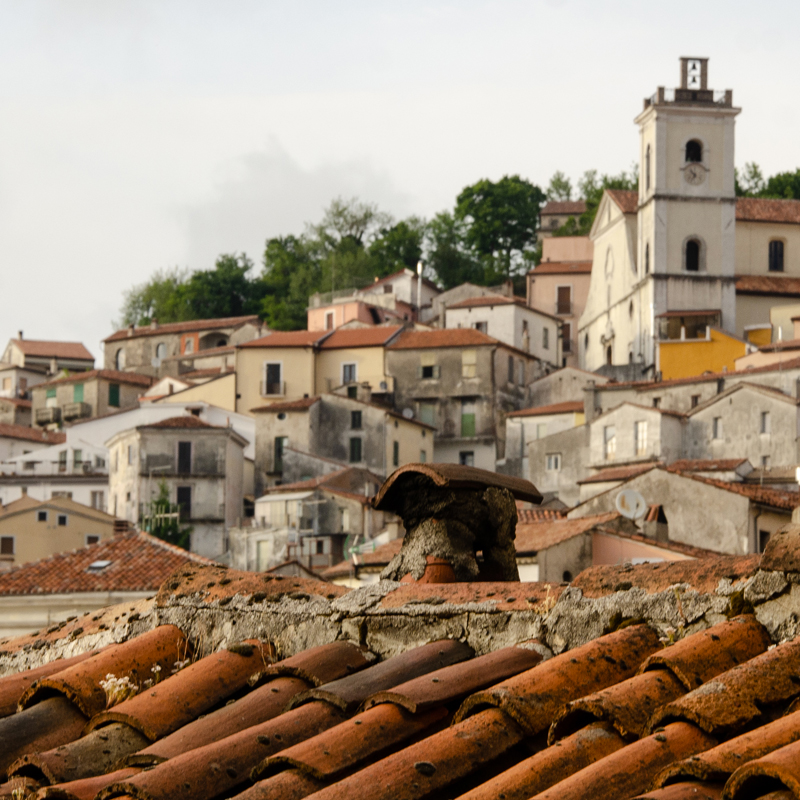
Fotografie dal passato, immagini dal futuro: Gens - Mutazioni è un lavoro collettivo di recupero del patrimonio fotografico del comune di Rivello che si svolgerà nei mesi di luglio e agosto 2019 e culminerà in una mostra e in un vero e proprio album di comunità consultabile online. Il progetto è fondato sulla collaborazione e l’interazione tra gli organizzatori, i partner, l’artista o operatore culturale scelto e la popolazione di Rivello.
A Rivello, come in molti piccoli centri abitati è diffusa l’idea di aver avuto un passato glorioso contro un futuro che si mostra sempre più desolato. Vogliamo cogliere questo sentimento e volgerlo al positivo. Siamo partiti dalla constatazione di quanto, a partire dai social network, sia diffusa l’esigenza di condividere le immagini del passato. Il progetto mira a dare a questi episodi isolati lo slancio e la perseveranza per diventare autentici momenti collettivi, crediamo che la riscoperta e la narrazione del passato comune possano riportare i rivellesi a comprendere meglio il loro presente ed aprire una riflessione sul futuro della comunità.
Il lavoro principale verrà svolto dai due artisti internazionali che risiederanno nel centro storico di Rivello, la prima fase consisterà in un’opera di ricerca e analisi del repertorio fotografico indagando il lavoro svolto dai fotografi che hanno frequentato il paese nei decenni passati e chiedendo agli abitanti di aprire i loro album di famiglia. Saranno quindi scelti gli scatti più rappresentativi che possano costituire il primo capitolo di quest’album fotografico collettivo, digitalizzato e tramandabile. Gli artisti, chiamati a questa prima attività, saranno a stretto contatto con la popolazione, entreranno nelle case e percorreranno i luoghi di cui le fotografie sono testimonianza. La fase di ricerca lancerà dunque la seconda fase durante la quale gli artisti raccoglieranno le testimonianze del presente immortalando volti, luoghi, paesaggi, storie.
Da un’attenta osservazione di quello che è stato si può immaginare quello che sarà. Gli artisti inizieranno a porre e a porsi delle domande sul presente e sul futuro della comunità, futuro sul quale saranno chiamati ad uno slancio di creatività. La residenza artistica terminerà con l’inaugurazione della mostra che racchiuderà tutto il lavoro svolto durante la residenza artistica. Tutto il materiale realizzato, grazie ad un’attenta opera di digitalizzazione, sarà consultabile grazie ad un sito internet dedicato anche dopo la chiusura della mostra.
La radio da quaggiù
- Project Leader/Coproduzione/Ecc.:
Organizzato da
Associazione Al Parco Onlus
- Immagine progetto:
- Titolo link 1: Tutte le residenze
- Url link 1:
- Project Partners:
Ivy Tour di Scopica s.r.l.s.
Comune di Satriano di Lucania
- Artists:
Andrea Semplici, Italia
Klaas Hübner, Germania
Jonathan Frigeri, Belgio
Daniel Kemeny
Stefano Cuzzocrea, Italia
La radio da quaggiù è un articolato percorso che dall'esperienza fattuale (il fare manuale, il fare intellettuale) si indirizza all'essenza stessa della radio: la sua immaterialità. La radio è presente nello spazio, lo invade. Supera i confini ma non ha forma, riempie i vuoti.
Stefano Cuzzocrea e Daniel Kemeny, ideatori e curatori del progetto, coordineranno il lavoro degli artisti invitati, ognuno dei quali creerà due differenti opere: una specifica al proprio saper fare; e una nuova, in questo perdere i confini, rappresentata da un episodio radiofonico.
Mezzi, strutture, linguaggi sono liberi. Gli artisti hanno la possibilità di definire la forma a loro più consona: suoni trovati, field recording, registrazioni, suoni con/dal telefono, esperimenti vocali, suoni magnetici, radio magic, radio scultura, wireless happening, sound-art.
Lo scopo è quello di far interrogare gli artisti in residenza sulle possibilità, ancor oggi vive, di un mezzo considerato remoto, vecchio, tradizionale ma che, sempre, sa reinventarsi, sa creare futuro. Ed anche porgli una domanda: quali valori e quali connotazioni assume oggi ill concetto di "tradizione"? Quali "interferenze", dettate dal contesto specifico da cui ci muoviamo ed agiamo, hanno influenzato questa categoria del pensiero?
Le residenze si sviluppano circolarmente con il principio del passaggio delle conoscenze: uno scrittore scrive racconta e analizza il territorio, uno scenografo la trasforma in scena, un musicista suona questa scena come se fosse uno spartito. Insieme a loro, un nucleo fisso di due artisti, guiderà il lavoro radiofonico.
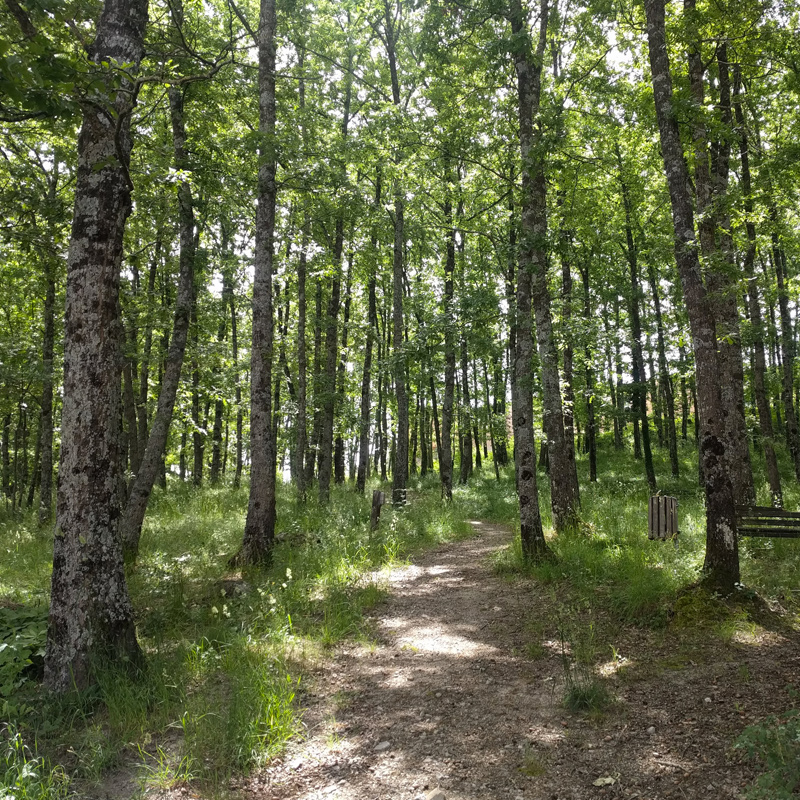
Questa materia così costruita che si poggia sull'esplorazione dei luoghi; la ritualità in parte dimenticata e quella nuova che aggrega "differenti comunità" (i giovani, gli anziani; chi è partito, chi è ritornato, chi non si è mai mosso); la tradizione che senza passione muore, confluiranno in uno spazio finale, conosciuto e condiviso che è il Boschetto Spera: un bosco di cerri da dove è rinato il Rumita, con la Foresta che cammina. Da dove è rinata una pratica tradizionale.
Il bosco, lo stare in un luogo che respira, accoglierà le stratificazioni delle differenti residenze, in particolare la scenografia/scultura vera opera di land art ed il concerto/dj set ed ospiterà una festa.
Icone per il futuro
- Project Leader/Coproduzione/Ecc.:
Organizzato da
Centro Carlo Levi
- Titolo link 1: Tutte le residenze
- Url link 1:
- Artists:
Jorit Agoch
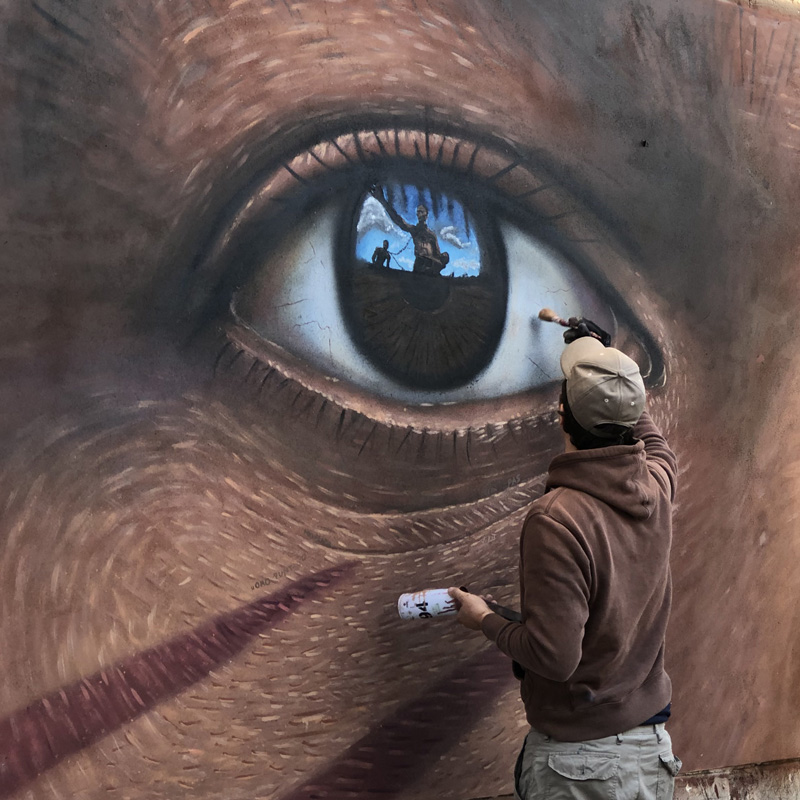
Il Centro Carlo Levi di Matera ha chiesto allo street artist partenopeo Jorit Agoch, ormai attivo in tutti i continenti, di passare due settimane di settembre a Matera per elaborare e dipingere un ritratto-icona di grandi dimensioni sulla testata cieca di un edificio di uno dei quartieri popolari della città. Il soggetto del ritratto sarà scelto insieme ad un gruppo di ragazzi del Liceo Artistico cittadino nel corso della residenza artistica. Dovrà essere una ragazza o un ragazzo che si sono distinti per il proprio impegno nel supportare una causa importante per la propria comunità. Trasformato in gigantesca icona, il suo ritratto potrà ispirare le giovani generazioni ad emulare il suo impegno.
Il progetto nasce da quella che avvertiamo come una necessità per tutto il mondo, ed in particolare per il Sud Italia, dove a problemi mai risolti come la disoccupazione giovanile e la presenza opprimente delle mafie, se ne aggiungono nuovi come lo sfruttamento brutale dei migranti nei campi, l’aumento del divario economico, i danni a paesaggio, ambiente e salute dovuti alla produzione industriale ed energetica. Davanti a tali questioni, purtroppo, si stenta a cogliere l’interesse da parte delle generazioni che vi si scontreranno presto o si trovano già ad affrontarli. Un altro chiaro indice di ciò è l’aumento dell’astensionismo alle elezioni, soprattutto tra i giovani.
Con l’incredibile facilità grazie alla quale un messaggio può oggi raggiungere milioni e milioni di giovani iperconnessi, potrebbe sembrare altrettanto semplice inviare loro input virtuosi e coinvolgenti. Eppure, le nuove generazioni sono per lo più distanti dalla politica, sempre meno scelgono di essere attivisti in campo sociale, pochi aspirano ad essere qualcuno in grado di cambiare davvero il mondo in positivo, preferendo ambire a diventare influencer. Giovani, belli e in grado di influenzare milioni e milioni di giovani, esercitano il loro potere per spingere i ragazzi ad acquistare determinati prodotti.
Per questo speriamo che, attraverso l’arte di Jorit e di altri artisti come lui, possano nascere dei nuovi influencer in grado di spingere migliaia di ragazzi ad essere, anziché consumatori di prodotti, fautori ed attori protagonisti di una rivoluzione civica e sociale in grado di salvare il futuro delle nostre comunità.
Qualcuno che ne carpisca il segreto
- Project Leader/Coproduzione/Ecc.:
Organizzato da
Soc. Coop. Synchronos
- Immagine progetto:
- Titolo link 1: Tutte le residenze
- Url link 1:
- Project Partners:
Il Sicomoro
- Artists:
Sandra Hauser
Il 27 settembre 2019 ricorre il centenario della nascita di Maria Lai (Ulassai, 27 settembre 1919), una delle artiste italiane del secondo '900 più note al mondo. Negli spazi del MUSMA sono presenti tre sculture dell’artista sarda e due cancellate da lei progettate e realizzate da maestranze artigiane locali.
L'idea è di allestire una grande opera collettiva che coinvolga i cittadini, prendendo spunto dai numerosi interventi di arte pubblica organizzati e allestiti da Maria Lai nella sua carriera in collaborazione con diverse comunità della Sardegna e del territorio nazionale.
Il legame tra artista scelto per il progetto e comunità sarà rappresentato dalla tecnica artigianale della sartoria. La sartoria come metafora del tenere insieme rapporti consolidati dal tempo e ricucire legami interrotti.
Raffinatissime tecniche di tessitura sono conservate nei paesi della provincia lucana in cui sono state più continuative le commistioni con popolazioni provenienti dall’Oriente. Il progetto trae linfa dalla straordinaria continuità storica delle tradizioni che si sono succedute nel territorio e mette a confronto generazioni diverse: leggende e miti antichi, ancora nella memoria dei cittadini più anziani che li ricordano e raccontano in dialetto, diventano fonte di ispirazione dell’arte contemporanea.
Si prenderà inoltre spunto dalle tradizioni e dalle tecniche sartoriali dei cittadini immigrati, completando in questo modo il confronto tra artista e comunità.
Le opere d’arte collettiva consentono uno scambio di conoscenze, competenze e stati d’animo: l’artista rende lo spettatore partecipe del suo mondo e questi, a sua volta, nella veste di artigiano, lo rende partecipe della sua professionalità e competenza e, nella veste di fruitore dell’opera, mette a disposizione dell’artista sensibilità e desiderio di confronto.
“Qualcuno che ne carpisca il segreto” prevede il coinvolgimento di un artista contemporaneo che sappia utilizzare diversi linguaggi, dalla scultura alla pittura, dalla performance alla video-arte. Questo consentirà l’engagement dei cittadini nella produzione di un’opera di Arte pubblica vicina al proprio sentire di uomini contemporanei ma, nel contempo, ispirata alle leggende e ai miti del passato con cui essi hanno maggiore familiarità.
Insidesouth
- Project Leader/Coproduzione/Ecc.:
Organizzato da
Plus Pisticci laboratorio urbano sostenibile
- Immagine progetto:
- Titolo link 1: Tutte le residenze
- Url link 1:
- Artists:
Diego Orlando
Fatima Abreu Ferreira
Annalisa Natali Murri
Annalisa D’Angelo
Mariano Silletti
Marina Di Tursi
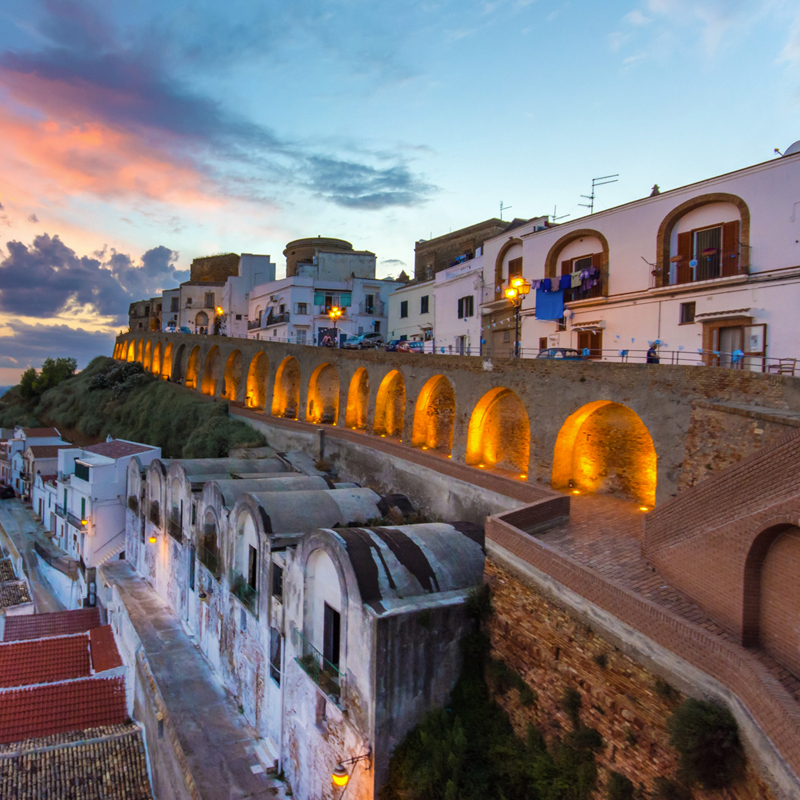
InsideSouth è un progetto di residenza artistica di fotografia, finalizzato a comporre immagini sul non apparentemente visibile e a costruire uno strumento di riflessione collettiva sulla fragilità del territorio e di sperimentazione del possibile riuso del patrimonio edilizio storico, oggi in abbandono o sottoutilizzato. Con la fotografia si intende non documentare la trasformazione dei luoghi fragili in abbandono ma una riflessione sulle trasformazioni possibili per gli stessi luoghi. Si ha occasione di attivare un processo laboratoriale aperto nel quale diversi artisti (fotografi, curatori e photo editor), italiani ed europei, con un gruppo di esperti locali (PLUS) sperimenteranno nuove interazioni con gli abitanti, approfondendo con essi la conoscenza dei luoghi e della storia. La partecipazione di due fotografi locali, nonché la presenza del gruppo di lavoro dell’associazione proponente, favorirà l’integrazione con il territorio e l’accesso alle informazioni.
La residenza e le attività ad essa connesse si svolgeranno a partire dal 2 settembre fino al 5 novembre 2019. Ogni artista avrà una settimana di tempo per la fase di ricerca; una settimana sarà dedicata alla residenza young (per i giovani locali) e l’ultima settimana prevede la presenza simultanea degli artisti coinvolti che lavoreranno alla produzione della mostra finale, di una ricerca sugli archivi storici di famiglia ed una pubblicazione. Sono previste iniziative di coinvolgimento dei residenti.
Il progetto sarà sviluppato in maniera diffusa nei luoghi significativi del centro storico (le lammie) e nelle abitazioni che ospiteranno l’allestimento finale, attraverso eventi di narrazione e dialoghi sul paesaggio. Si tratta di spazi marginali, frugali nei quali tutta la comunità (oggi diffusasi nelle frazioni urbane e rurali) affonda le proprie radici: luoghi dove sono ancora visibili i segni delle frane che storicamente hanno determinato l’assetto socio urbanistico del territorio e la sua attuale frammentazione.
La residenza si svolgerà presso una abitazione nel centro storico di Pisticci. Presso la Biblioteca Comunale di Pisticci si svolgeranno attività di divulgazione, workshop con i cittadini e la fase di produzione degli output finali. Dall’indagine sulle fragilità del territorio e dei suoi abitanti, InsideSouth mira a stimolare la costruzione di una comunità che, consapevole delle proprie radici, si apre a nuove contaminazioni. Pisticci diventa luogo di sperimentazione di un metodo replicabile ed applicabile ai luoghi della Basilicata fragile, dell’Italia interna e in abbandono, le cui comunità si ricostruiscono co-costruendo una visione di futuro possibile per riabitare i luoghi e dare risposte nuove a bisogni antichi.
Comics storytelling
- Project Leader/Coproduzione/Ecc.:
Organizzato da
Associazione Supertramp
- Immagine progetto:
- Titolo link 1: Tutte le residenze
- Url link 1:
- Project Partners:
GAT (Gruppo di Animazione Territoriale)
Cuore Basilicata
Comune di Viggiano
Serival
- Artists:
Giulio Giordano
Alessandro Nespolino
Fabio Folla
Saverio Calabrese
La “Comics storytelling” si configura come un nuovo modello di residenza artistica, finalizzato alla rigenerazione dei borghi montani attraverso la valorizzazione del patrimonio culturale, delle identità locali e della comunità, filtrata attraverso lo sguardo di artisti fumettisti.
Piccole storie che narrano il territorio della Val d’Agri, una “graphic novel” che guida alla scoperta dei luoghi più significativi del comprensorio valdagrino. Tra le finalità, la rivitalizzazione culturale dei luoghi e del tessuto sociale, attraverso l’attivazione di uno scambio tra la comunità locale che offre accoglienza e gli artisti ospitati per la progettazione e la realizzazione delle opere. Infatti l’interazione con gli abitanti del luogo in laboratori strutturati, favorirà la creazione della prima “Contemporary Art Map”, una guida-raccolta di storie nate dall’incontro tra l’arte del fumetto e alcune installazioni di arte contemporanea.
Durante la residenza gli artisti avranno oltre alla disponibilità della location operativa anche spazi che faranno da cornice a iniziative culturali per un percorso di conoscenza e sperimentazione dei linguaggi artistici contemporanei interpretati in chiave fumettistica. La produzione di eventi e performance uniche forniranno visibilità internazionale al piccolo borgo grazie allo scambio con artisti provenienti dall’estero e consentirà la messa in rete delle risorse e delle identità dei luoghi attraverso forme d’arte contemporanee: un’occasione inedita per l’attivazione delle comunità attraverso la co-progettazione dell’evento e l’accoglienza e il soggiorno degli artisti; uno spazio di incontro e sinergia tra nuove e vecchie generazioni attraverso una riscoperta dei valori e della cultura locale espressa tramite un mezzo artistico in grado di rileggere il passato in chiave moderna.
Torre Stormita
- Project Leader/Coproduzione/Ecc.:
Organizzato da
Associazione Terre Joniche Magna Grecia
- Immagine progetto:
- Titolo link 1: Tutte le residenze
- Url link 1:
- Artists:
Matteo Nasini
- Campo aggiuntivo 5:
Curatrice
Nicoletta Guglielmucci
Il progetto Torre Stormita prenderà il via nel mese di agosto con l’invito rivolto all’artista romano Matteo Nasini a trascorre un periodo di residenza e progettazione artistica per l’antica Torre Bollita di Nova Siri.
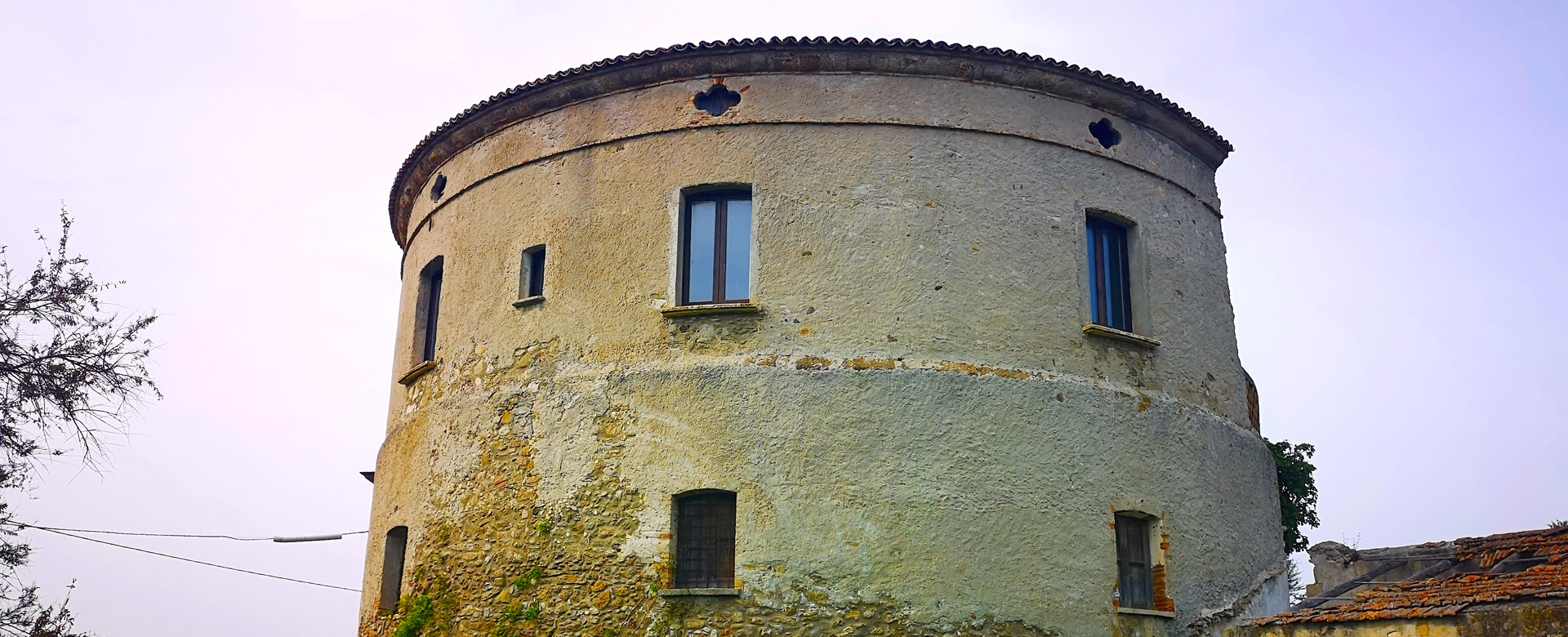
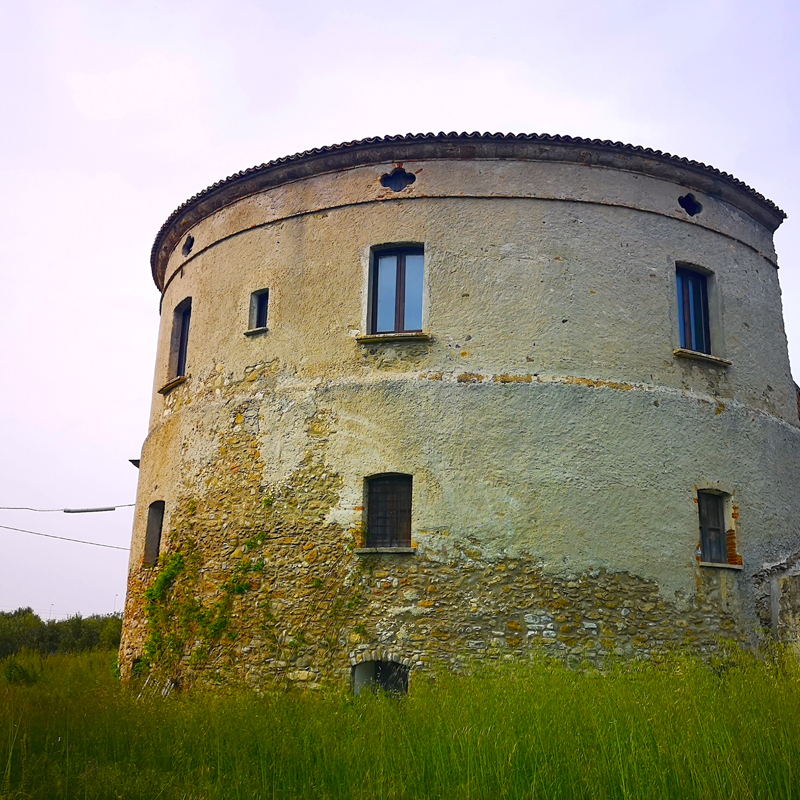
La torre, interessante costruzione cilindrica situata a pochi metri dal mare, eretta nel 1520 per volere del Vicerè di Napoli a difesa dalle incursioni dei pirati turchi, è un simbolo per la città jonica di Nova Siri, un tempo conosciuta con il nome di Bollita. Qui, Matteo Nasini – con i membri dell’associazione e i proprietari del sito – ha avviato una fase di ricerca e conoscenza del bene che porterà alla realizzazione di un’opera site-specific per la Torre.
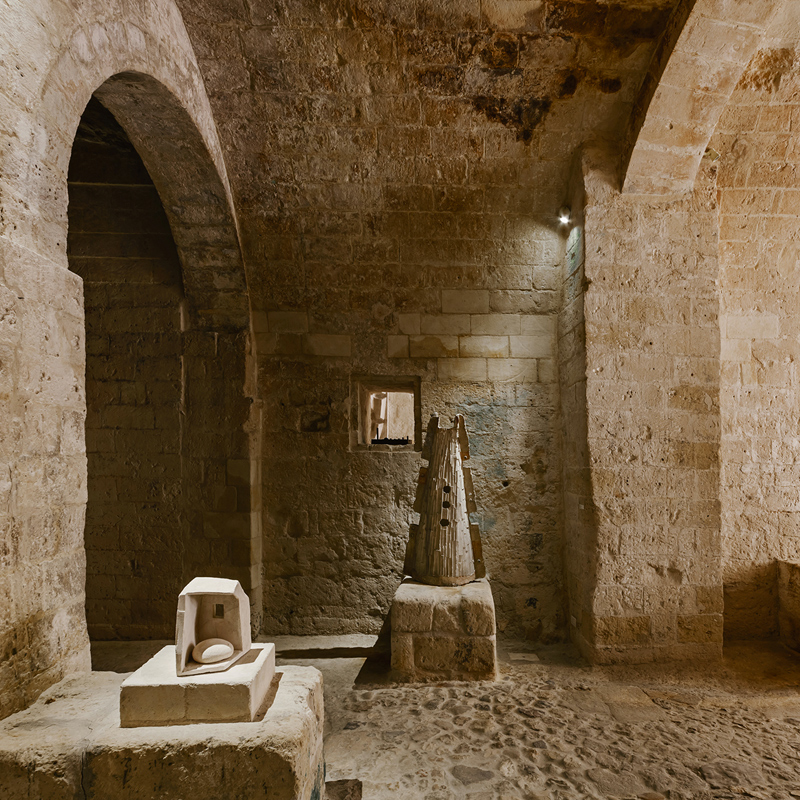
Partendo da uno studio delle caratteristiche architettoniche e dell’acustica degli spazi ed entrando in contatto con l’identità del luogo e con il territorio circostante, l’artista progetterà un’installazione che troverà la propria formalizzazione in sculture in grado di convertire l’energia degli elementi atmosferici, in suono. Gli elementi scultorei dell’installazione, composti da sistemi di corde musicali e casse di risonanza azionate dalle correnti d’aria, daranno forma e consistenza allo stormire del vento che, dal vicino mare, s’incanala tra i vigneti fino al cuore della torre, in una tensione continua tra l’udibile e l’invisibile.
L’obiettivo della residenza è quello di riabilitare un luogo, senza intaccarne minimamente l’architettura o il valore identitario, enfatizzando la dimensione dell’attesa e dell’ascolto per invitare i visitatori ad entrare in contatto con il corpo vivo della Torre e con il riverberare della sua ‘voce’ nello spazio.
L’opera Torre Stormita di Matteo Nasini sarà visibile fino al 23 agosto, durante il periodo di apertura della Torre sono previste visite guidate ed eventi collaterali organizzati dall’associazione Associazione Terre Joniche.
Ars Excavandi
- Project Leader/Coproduzione/Ecc.:
Co-produced by Polo Museale della Basilicata
- Immagine progetto:
- Immagine condivisione Facebook:
- Evento:
- Campo aggiuntivo 5:
Curator:
Pietro Laureano
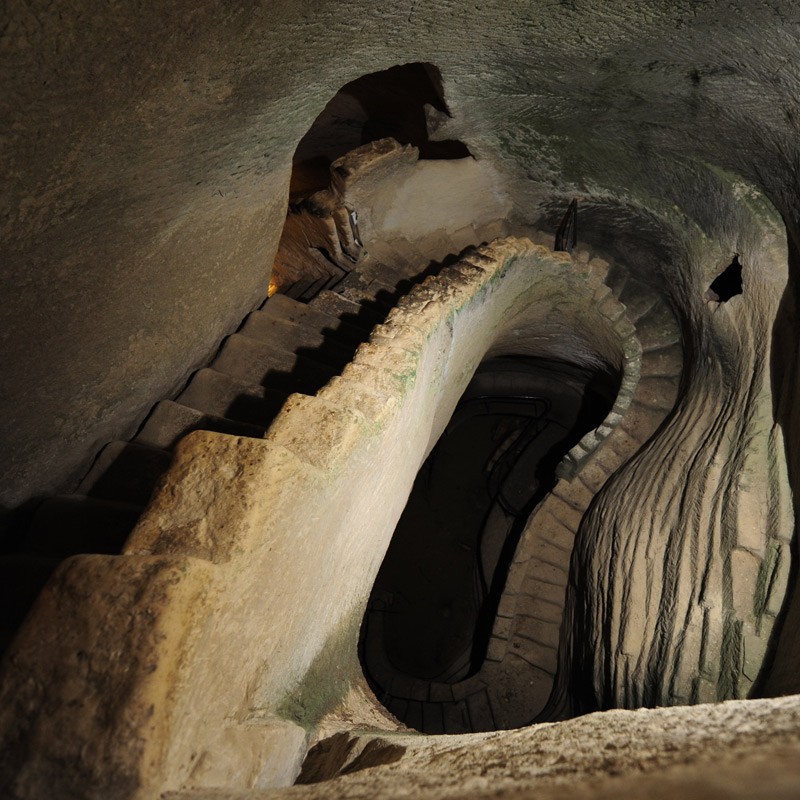
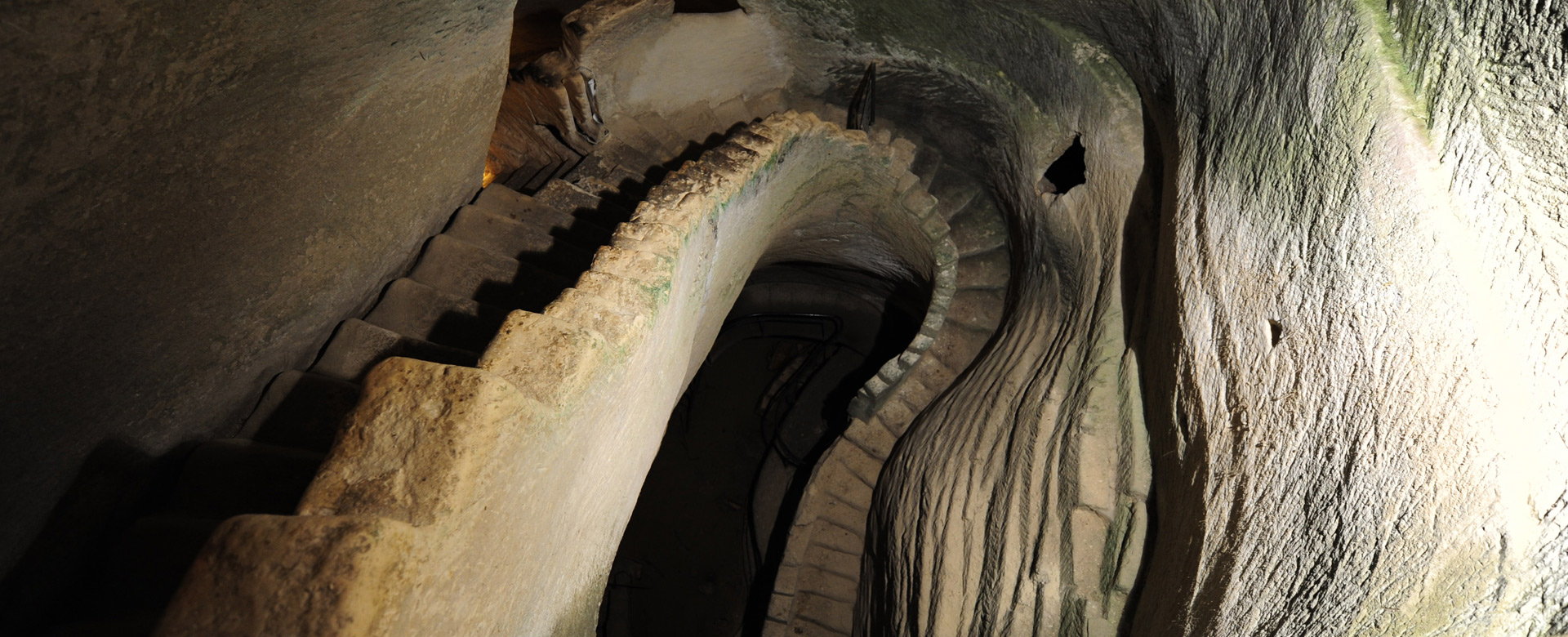
Can a thousand-year-old hypogeal environment provide us with information on how to build the cities of the future, or even how to face life on another planet?
The answers can be found in Ars Excavandi, which launches the Matera European Capital of Culture 2019 exhibition.
Circus+
- Immagine progetto:
- Project Partners:
Circostrada – European Network Circus and Street Arts
Circus Next
Forum nuovi circhi - Artists:
Flavia Mastrella and Antonio Rezza, Italy
El grito, Italiy
Phia Menard (Compagnie Non Nova), France
Ziya Azazi, Turkey
Cecile Mont Reynaud (Compagnie Lunatic), France
Martina Nova, Italy
Jörg Müller, Germany
Okidok, Belgium
Groupe Acrobatique de Tanger, France
The Black Blues Brothers, Italy
Hisashi Watanabe, Japan
Conservatorio Statale di Musica "E.Duni", Italy - Evento:
- Campo aggiuntivo 5:
Supported by
Embassy of France in Italy
Institut Français
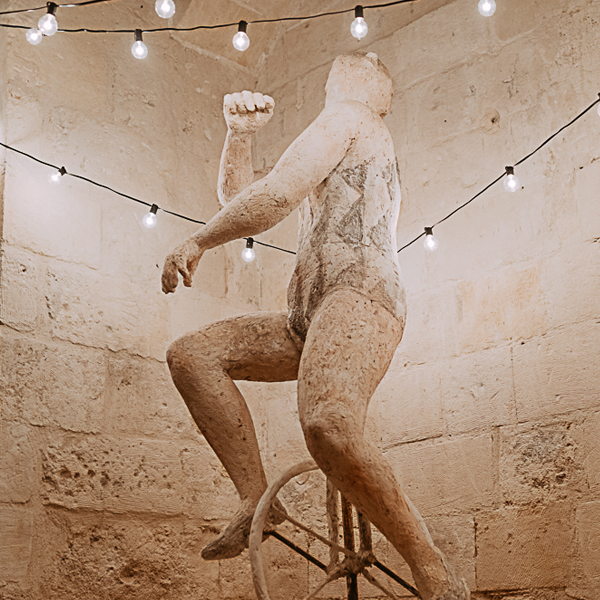
Some stories can be expressed with a single word. The Latin word Circus, for example, meant 'circle', referring to the shape of the venues that originally housed these shows, made up mostly of carriages or horses.
Matera Alberga
- Project Leader/Coproduzione/Ecc.:
Curators:
Francesco Cascino
Christian Caliandro - Immagine progetto:
- Immagine condivisione Facebook:
- Project Partners:
Consorzio Albergatori Matera, Italy
Comune di Matera, Italy
- Artists:
Filippo Riniolo, Italy
Georgina Starr, England
Alfredo Pirri, Italy
Dario Carmentano, Italy
Giuseppe Stampone, Italy
Salvatore Arancio, Italy - Sponsor:
- Evento:
Thanks to the Matera Alberga project, contemporary art is leaving the museums. It has moved to places that have always been a symbol of hospitality and meeting between the inhabitants of a city and its visitors: hotels.
Urban Games
- Project Leader/Coproduzione/Ecc.:
Co-produced by
Plovdiv 2019 - Immagine progetto:
- Evento:
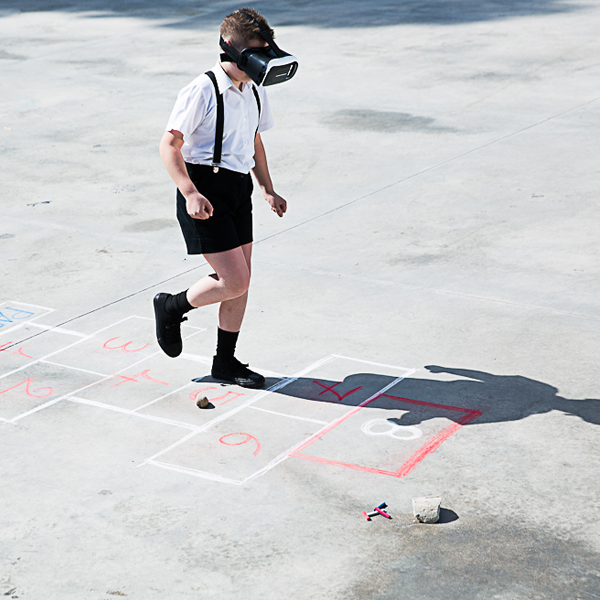
'You can deny justice, beauty, truth, goodness, mind, God. You can deny seriousness. But not the game'. To quote Johan Huizinga, the philosopher convinced that play occupied a fundamental role in the production of culture.
Gardentopia
- Immagine progetto:
- Artists:
Curator: Pelin Tan, Turkey
ABOUT A WORKER, France
Anton Vidokle, Russia/USA
Atelier delle Verdure, Italy
Emily Jacir, Mediterranean
Errands, Greece
Futurefarmers, USA
Jeanne van Heeswijk, Holland
Leone Contini, Italy
Luigi Coppola, Italy
Martina Muzi, Italy
meson ro studio, Italy
Michael Leung, Hong Kong
Michela Pasquali, Italy
Nomeda & Gediminas Urbonas, Lithuania/USA
OrtiAlti, Italy
Otobong Nkanga, Nigeria/Belgium
Rirkrit Tiravanija, USA/Thailand
Volumezero, Italy - Sponsor:
Sponsor tecnico: Coldiretti Basilicata
- Evento:
- Campo aggiuntivo 5:
Community gardens: "Giardino dei MOMenti", "Giardino Spighe Bianche", "Giardino Agoragri", "Giardino L’erba del vicinato", "Giardino Namastè" in Matera and "Giardino Boschetto orizzontale" in Potenza.
Community gardens of the Region: in Barile, Bernalda-Metaponto, Campomaggiore, Castelsaraceno, Chiaromonte, Cirigliano, Irsina, Lavello, Maschito, Montemilone, Muro Lucano, Oliveto Lucano, Palazzo San Gervasio, Pietragalla, Pietrapertosa, Rapone, Rionero in Vulture, Salandra, San Costantino Albanese, San Mauro Forte, Sasso di Castalda, Stigliano, Vaglio, Vietri di Potenza.
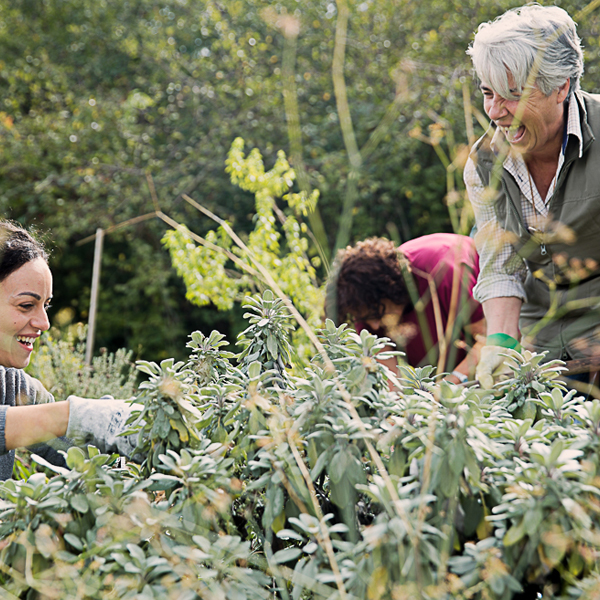
Happiness, according to Tolstoy, is being with nature, experiencing it and conversing with it, in an active relationship which changes the land, making it greener, making it ours.
Mater(i)a and P(i)etra
- Project Leader/Coproduzione/Ecc.:
Co-produced by Polo Museale della Basilicata and Jordan Tourism Board
- Immagine progetto:
- Project Partners:
Jordan Minister of Tourism and Antiquities, Jordan
Regione Basilicata, Italy
Petra Authority, Jordan - Artists:
Carlos Solito, Italy
- Evento:
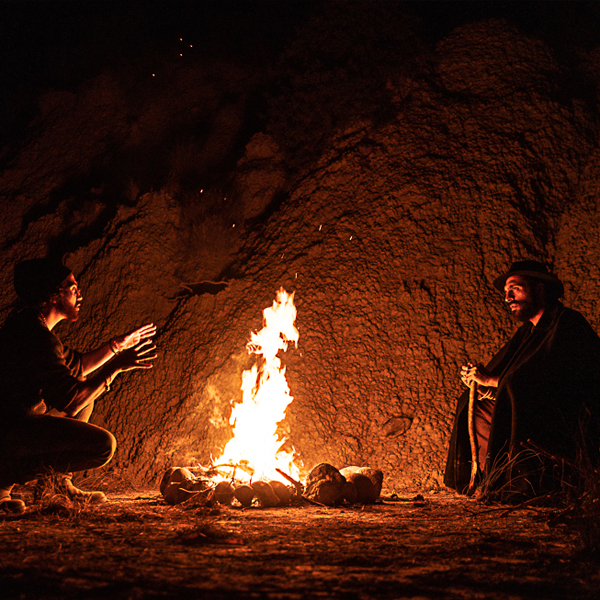
Few would admit it, but Petra and Matera are sisters, born of the same mother rock and connected by a common thread made of stone that unites them for thousands of kilometres.
Invisible Pavilions
- Project Leader/Coproduzione/Ecc.:
Co-produced by
SoutHeritage Foundation - Immagine progetto:
- Facebook:
- Twitter:
- Instagram:
- Project Partners:
Human ecosystems, Italy
Museo per la fotografia “Pino Settanni”, Italy
ENSA National Art School of Art, France
Global Grand Central, Sweden
BAICR - cultura della relazione, Italy
Fondazione Filiberto Menna, Italy
Fondazione Sinisgalli, Italy
Associazione Giovani Unesco Basilicata, Italy
- Artists:
Riccardo Arena, Italy
Eric Aupol, France
Bianco Valente, Italy
Tomaso Binga, Italy
Thomas Bontemps, France
Monica Bonvicini, Italy
Giuseppe Fanizza, Italy
Yona Friedman, Hungary
Andrew Friend, Great Britain
Peter Fischli & David Weiss, Switzerland
Ferenc Gróf, Hungary
Kyo-Hyun Kim, South Corea
Gustav Metzger, Germany
Maurizio Mochetti, Italy
Clara Noseda, France
Renzo Piano , Italy
Angelo Vermeulen, Germany - Evento:
- Campo aggiuntivo 5:
Supported by BCC Basilicata
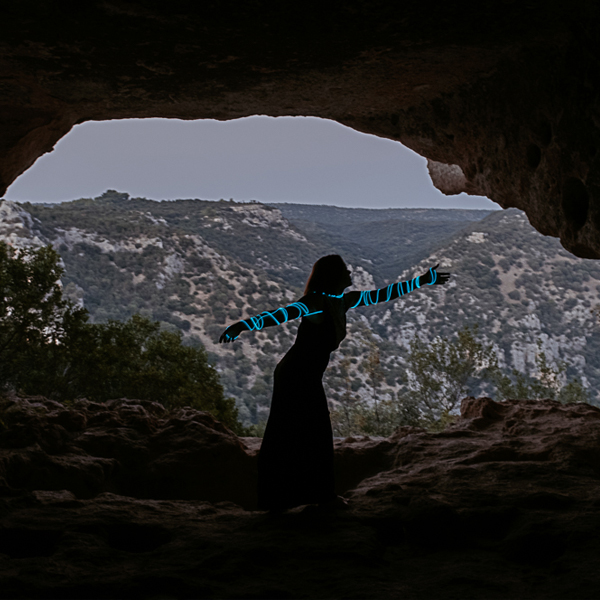
The excavated subterranean architecture and the extensive system of cisterns in the Sassi area represent the visual, spatial and structural element that has established the city of Matera as a World Heritage Site.
Open Playful Space
- Project Leader/Coproduzione/Ecc.:
Co-produced by
UISP - Unione Italiana Sportpertutti - Comitato Regionale Basilicata - Immagine progetto:
- Facebook:
- Twitter:
- Instagram:
- Project Partners:
Momart Gallery, Italy
Teatro Potlach, Italy
ISCA, Denmark
Giallo Sassi, Italy
BG Be Active, Bulgaria
MOVE, Malta
Associazione Culturale Pachamama, Italy
Teatro Pat, Italy
Associazione Joven, Italy
Basilicata Board, Italy
Uisp Nazionale, Italy
Asd Lacaposciuc, Italy
Muvt le Parkour, Italy
Asd Sk8ong Team, Italy
Asd Oltredanza, Italy - Artists:
Laurent Piemontesi, France
The Sprockets
Davis Dudelis
Mister Thoms
Giorgio Bartocci
Nico Skolp
São Salomão, Brazil - Evento:
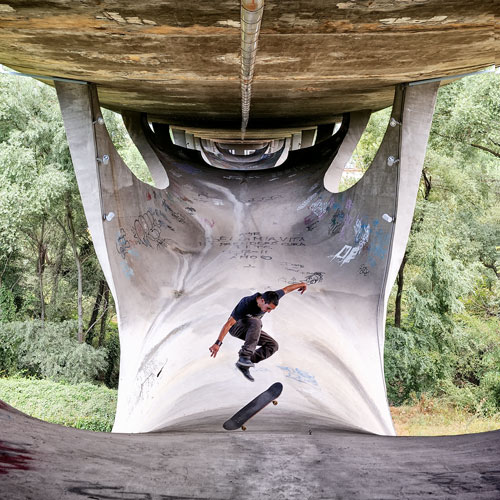
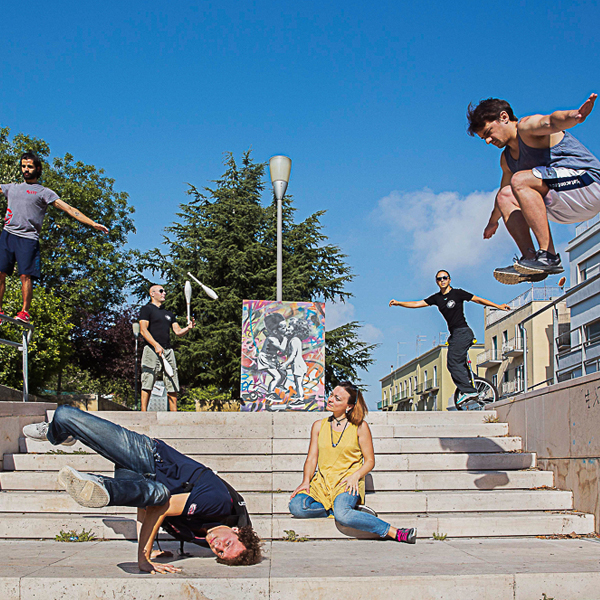
As early as 2018, a crew of athletes and street artists were roaming around the streets of Matera. Their mission? To uncover 'invisible' spaces, transform them into playgrounds, canvases and stages and give them back to the community.
Matera Città Aperta #MCA (Matera Open City)
- Project Leader/Coproduzione/Ecc.:
Co-produced by
IAC Centro Arti Integrate - Immagine progetto:
- Facebook:
- Twitter:
- Instagram:
- YouTube:
- Project Partners:
C-Fara, Italy
Ravenna Teatro, Italy
Polo Museale della Basilicata , Italy
New Art Exchange, England
Corps Citoyen , Tunisia
PAV Roma, Italy - Artists:
Andrea Santantonio (director) Italy
Nadia Casamassima, (performer) Italy
Rabii Brahim, (performer) Tunisia
Lily Benromdhane (performer), Tunisia
Alessandra Crocco (performer), Italy
Annamaria D'Adamo (performer), Italy
Alessandro Miele (performer), Italy
Ali Sohna (performer), Gambia
Franck Tchagou Jerry, Cameroon
Anna Serlenga, Italy
Joseph Geoffriau, Italy
Erica Z. Galli, (script) Italy
Martina Ruggeri, (script) Italy
Soyoung Chung, (installation) South Korea
Daniele Ninarello, (choreography) Italy
Vincent Longuemare, (lights) France
Valerio Rocco Orlando (video), Italy
Teho Teardo,(music) Italy
Luca Centola, Italy - Sponsor:
- Evento:
- Campo aggiuntivo 5:
Supported by BCC Basilicata
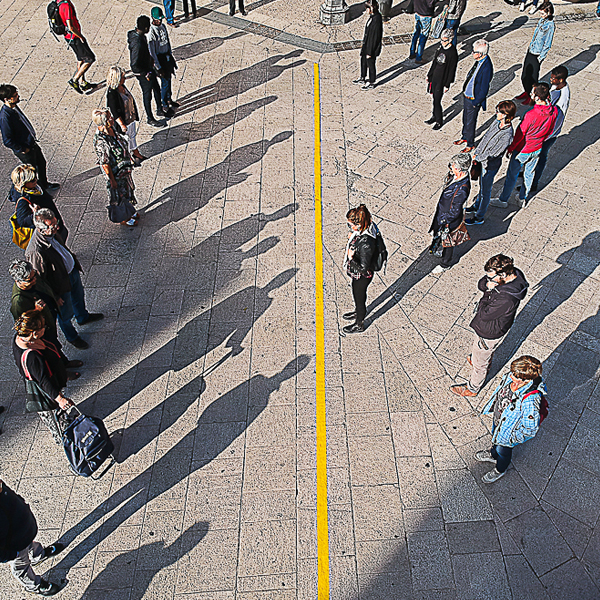
For one year Matera will be the door to Europe, and also its mirror. The project Matera Open City is an experiment to understand how the City, and therefore Europe, is truly 'open'.
Movimento libero
- Project Leader/Coproduzione/Ecc.:
Co-produced by
British Council - Immagine progetto:
- Project Partners:
IAC Centro Arti Integrate, Italy
UniBas - Architecture Department, Italy
Comune di Matera, Italy
Lenz Fondazione, Italy
Oriente Occidente Dance Festival, Italy - Artists:
Stopgap Dance Company, United Kingdom
The DisOrdinary Architecture Project, United Kingdom
Monica Barone, Italy
Zoe Partington, United Kingdom
Noemi Lakmaier, Austria - Sponsor:
- Evento:
- Campo aggiuntivo 5:
Photo Credits: Christopher Parkes
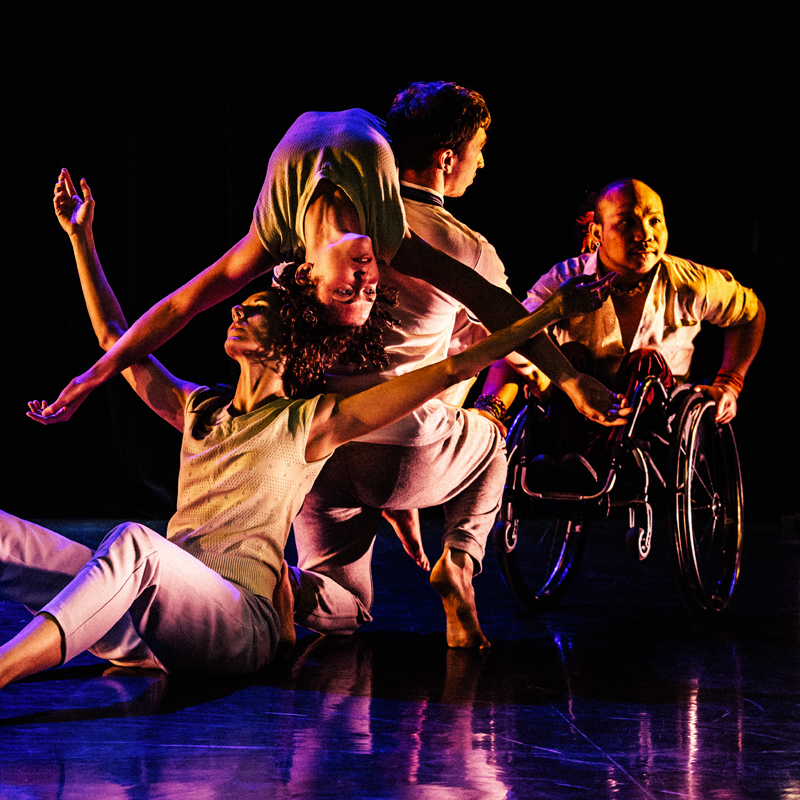
Movimento libero is a project that investigates the relationship between art and different abilities with a special focus on accessibility. In partnership with the Oriente Occidente Dance Festival, Matera 2019 and the British Council are promoting a three-part project which highlights the role of people with disabilities as agents of change.
The Count’s Utopia
- Project Leader/Coproduzione/Ecc.:
Realized in co-production by
Municipality of Campomaggiorefor Capital for one day
- Immagine progetto:
- Sponsor:
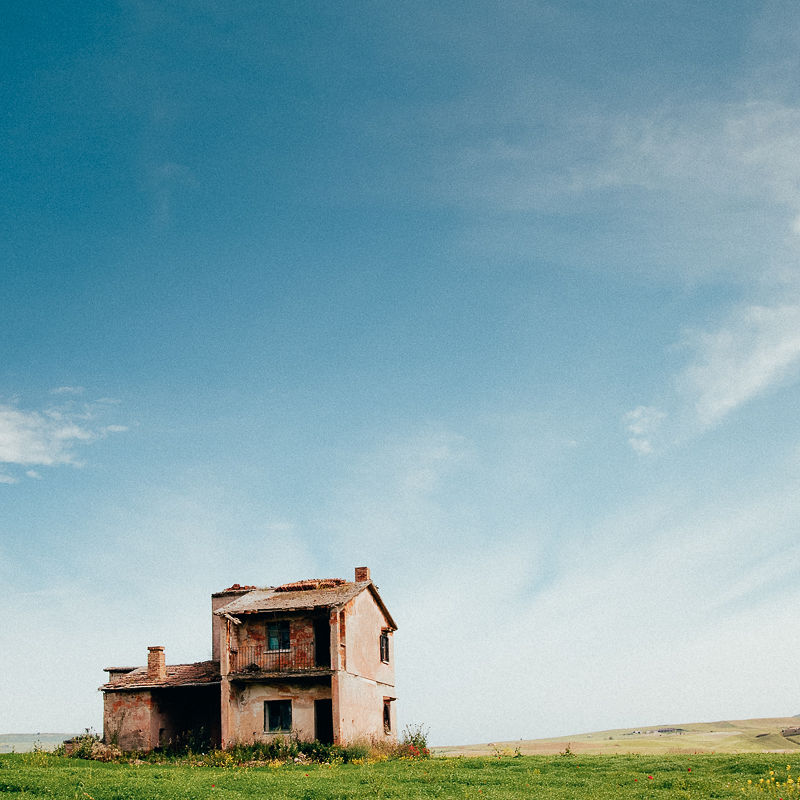
A difficult and risky idea, almost impossible. We are in 1741 and count Theodor Rendina has an ambitious project: to repopulate Campomaggiore, a small village of eighty people given to his family by King Philip the Fourth in 1673. Count Theodor Rendina has a big dream, he imagines a village without poverty: the city of Utopia.
Fly with eyes by Carlo Levi
- Immagine progetto:
- Venue and Date:
25th May 2019 at Aliano
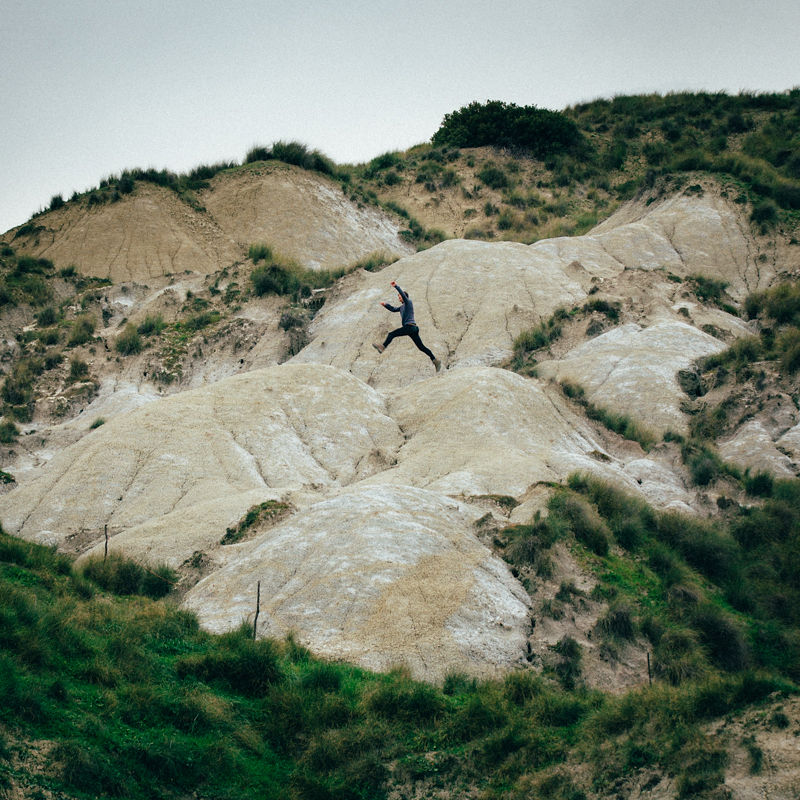
Aliano: a city of exchanges, of passage and of connections. Aliano that hosted Carlo Levi during his toughest and most famous years, and where the writer chose to rest, to exchange a promise of reciprocal friendship. Aliano, the symbol of Lucania, as an exchange of populations and culture, people and traditions, Southern Italy and the Mediterranean, in the name of contamination and welcoming.
Light my fire

- Project Leader/Coproduzione/Ecc.:
Realized in co-production by
Municipality of Pignola for Capital for one day - Immagine progetto:
- Sponsor:
- Evento:
Fire is the most similar element to man. Far from the never-ending blow of wind, the cycle of water and the immutable presence of earth, fire is born and it grows and burns until it turns into ashes. Fire, like man, owns an enormous healing power ready to transform into destruction in a heartbeat. Pignola tells the story of the fire that heats and flares up in the 'Light my Fire' three-day event, which will take place between the summer solstice and the night of San Giovanni.
Pictures of poetry
- Project Leader/Coproduzione/Ecc.:
Realized in co-production by
Municipality of Valsinni
for Capital for one day - Immagine progetto:
- Sponsor:
- Evento:
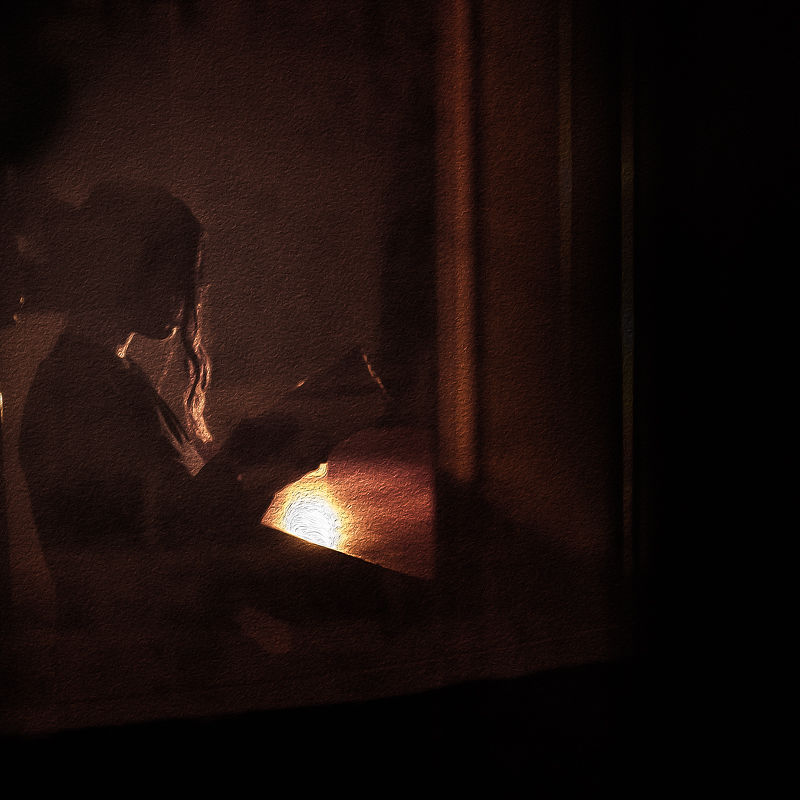
During the first half of the 16th century, the poetess Isabella Morra lived in Favale - today Valsinni - and she poured her short and tormented existence into a collection of poems. This year the collection is the pretext for transforming the old town in Basilicata into a large showcase for artists, artisans, musicians, where works in ancient and contemporary style blend together along a suggestive route that animates partial views, squares, lanes and house walls.
Pan: A Party For Everybody
- Project Leader/Coproduzione/Ecc.:
Realized in co-production by
Municipalities of San Mauro Forte | Salandra | Calciano | Oliveto | Rivello | Cirigliano | Gorgoglione
for Capital for one day - Immagine progetto:
- Project Partners:
Arterìa Ass. d'Arte e Cultura
- Sponsor:
- Evento:
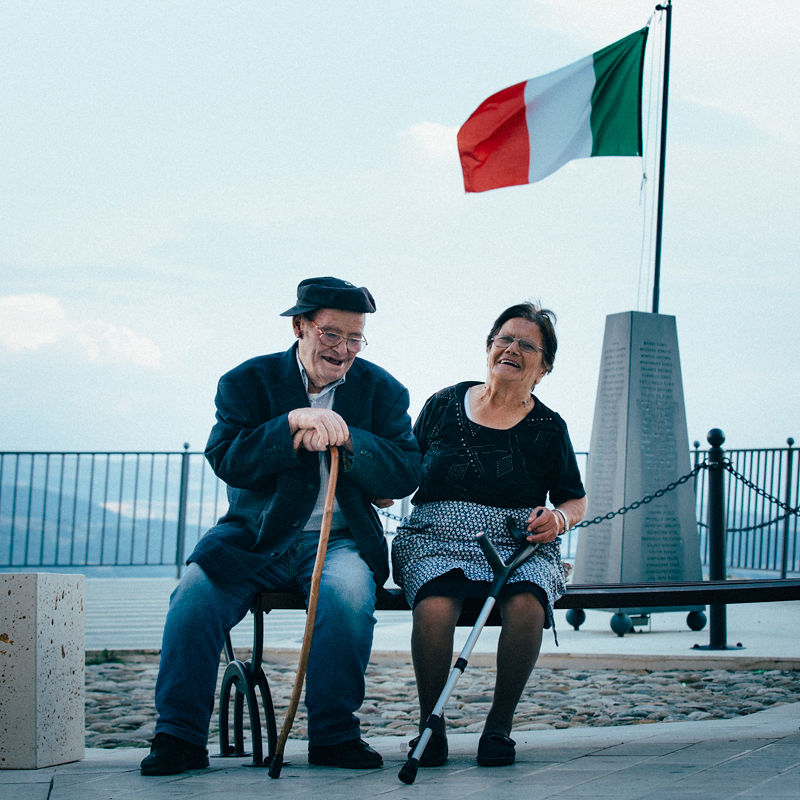
To resolve all contradictions, dichotomies and oxymorons linked to an extraordinary land in one day. Only one divinity can fulfil this task 'PAN – A Party for Everybody', an ambitious project involving all the municipalities of San Mauro Forte, Salandra, Calciano, Oliveto Lucano, Cirigliano, Gorgoglione e Rivello.
Cultured Manufacture
- Project Leader/Coproduzione/Ecc.:
Realized in co-production by
Municipality of Rionero in Vulture for Capital for one day
- Immagine progetto:
- Sponsor:
- Evento:
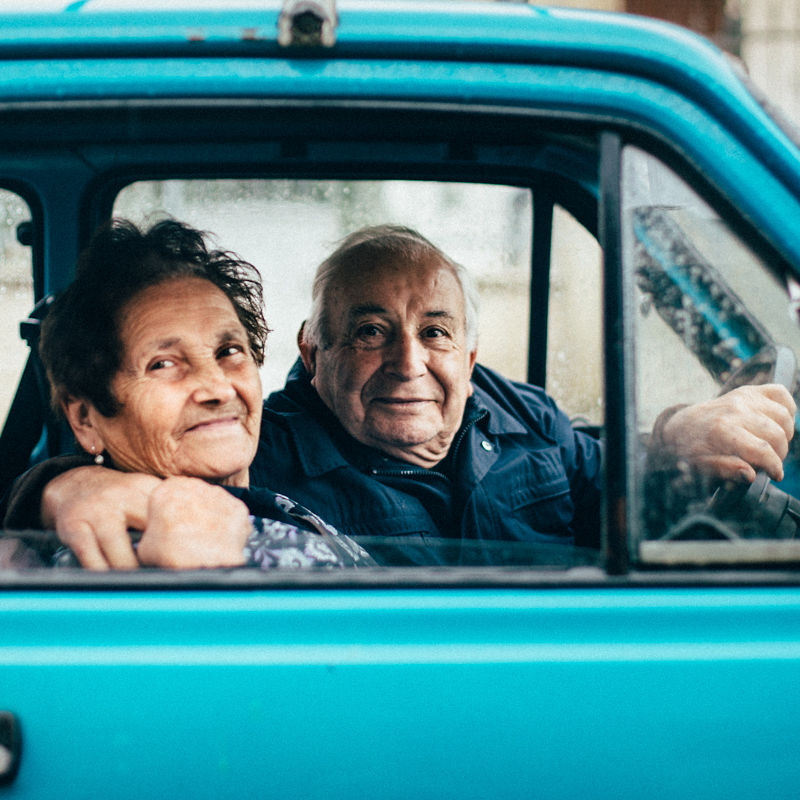
Technological evolution started when homo habilis used a sharpened stone to make his life simpler. We know that our ancestors used rudimentary tools more than two million years ago, and that the use of these tools was instrumental in developing human intelligence.
Therefore, the town of Rionero in Vulture has decided to highlight the importance of the artisan tradition that gave rise to these tools, which are the helping hands of those who use them on a daily basis, those craftsmen who create objects using local raw materials.
Trenodia (Threnody)
- Project Leader/Coproduzione/Ecc.:
Co-produced by
Sponzfest Sottaterra 2019 - Immagine progetto:
- Project Partners:
The municipal district of Matera
The municipal district of Calitri
The municipal district of Lacedonia
The municipal district of Cairano
The municipal district of Tricarico - Artists:
Vinicio Capossela (artistic direction)
Mariangela Capossela (artistic direction) - Venue and Date:
18 August First fire, Ionian coast of Calabria | 19 - 25 August Second fire, at Sponzfest, Alta Irpinia | 27 - 29 August Third fire, Lucania
- Evento:
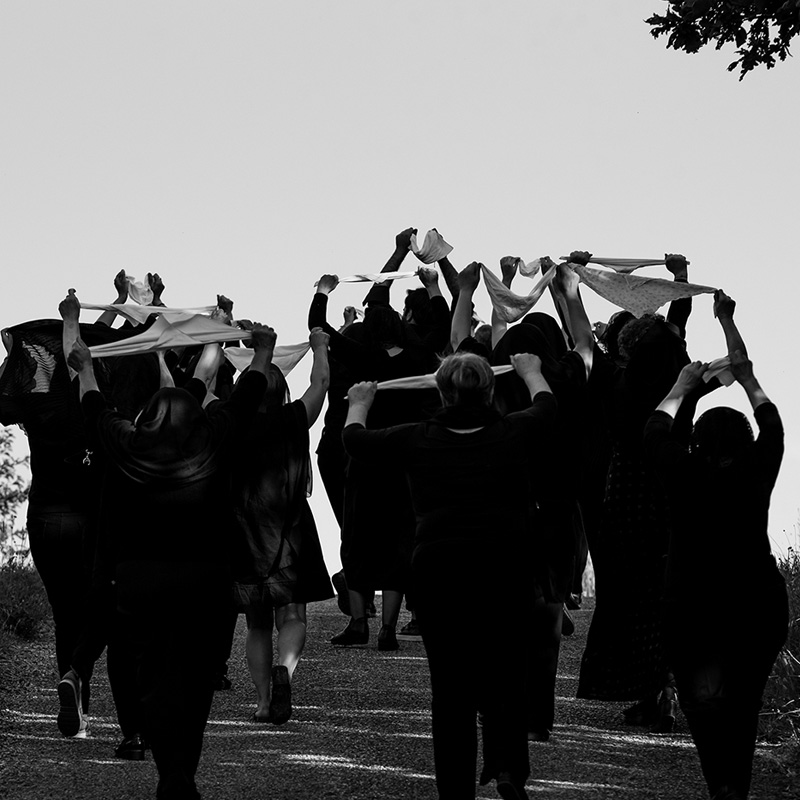
Trenodia (Threnody) is a participatory work of art that proposes to work collectively on crying for everything that is life-threatening in our world. The premise is to transform the grievances expressed as ritual tears, a resounding collective wailing and lamentation, into a creative and united form in order, as Ernesto De Martino says, 'not to die with what dies'.
Edible Orchestra
- Immagine progetto:
- Artists:
Vegetable Orchestra, Austria
Nick Difino, Italy
Don Pasta, Italy
Stefano Liberti, Italy
Federico Valicenti, Italy
Fabio Ciconte, Italy - Sponsor:
Coldiretti Basilicata
- Evento:
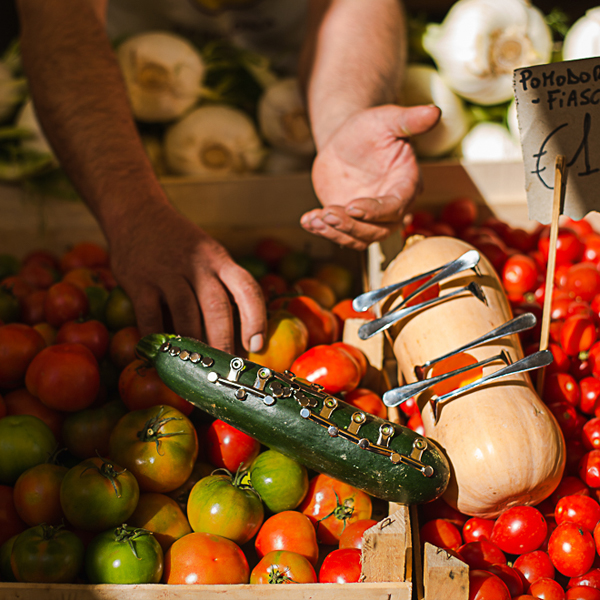
By 2050 the Earth will have 9 billion inhabitants. In other words, there will be 9 billion mouths to feed. Edible Orchestra’s role is to talk about food not only as an emergency, but above all as an indispensable asset for the wellbeing and economy of a community, as an incentive to be accountable, widen your horizons, care for the environment and look to the future.
The Routes

- Project Leader/Coproduzione/Ecc.:
Co-produced by
Parco Culturale Ecclesiale "Terre di luce" APSluce" APS - Immagine progetto:
- Facebook:
- Twitter:
- Instagram:
- Project Partners:
Matera-Irsina Archdiocese
Potenza-Muro lucano-Marsico nuovo Archdiocese
Acerenza Archdiocese
Melfi-Venosa-Rapolla Diocese
Tricarico Diocese
Tursi-Lagonegro Diocese
- Evento:
- Campo aggiuntivo 5:
With the patronage of:
National Office for Social Communications of the Italian Bishops'
Conference
Pontificio Consiglio per la Cultura (The Pontifical Council of Culture)
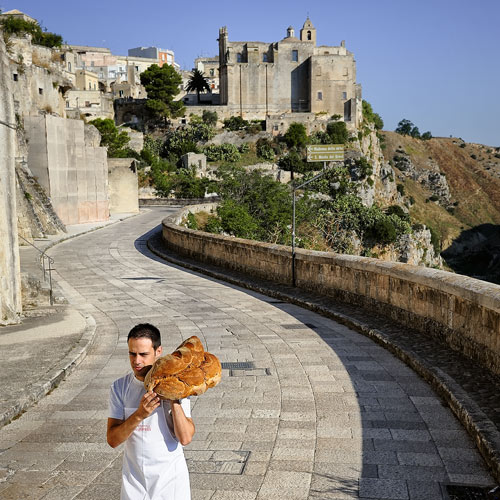
Worship, spiritual research, taking care of oneself and stewardship of creation: there are so many reasons for a pilgrimage. Particularly to Matera, where Mary is La Bruna for everyone and the patron saints are a tangible presence, animating religious celebrations and services.
The Land of Bread
- Project Leader/Coproduzione/Ecc.:
Co-produced by
Fondazione Sassi - Immagine progetto:
- Facebook:
- Twitter:
- Instagram:
- Project Partners:
Accademia di Belle Arti di Bari
Istituto Luce-Cinecittà
Università degli Studi della Basilicata - Dipartimento delle Culture Europee e del Mediterraneo
Association Tourisme et Dévelopement Duralble des Territoires (Master Université Paul-Valéry, Montpellier)
Associazione Giallo Sassi
Compagnie Famille Mundi
Conservatorio Statale di Musica Egidio Romualdo Duni di Matera
Consorzio La Città Essenziale
CVETOSCOP - Coop
Fondazione Archivio Audiovisivo del Movimento Operaio e Democratico (AAMOD)
Il Forno di Gennaro - Gennaro Perrone & C. s.r.l.
International Council for Cultural Centers (Bread house - Gabrov)
New Destination Network - Artists:
Pietro Pirelli
Teatro delle Ariette
Mykalle Belinsky
Scientific Commettee: Vincenzo Santochirico, Antonio Calbi, Giancarlo Chielli, Ferdinando Felice Mirizzi, Roland Seijko - Sponsor:
Bawer S.p.A.
Italcementi S.p.A.
Tecnoparco Valbasento S.p.A. - Evento:
- Campo aggiuntivo 5:
Supported by BCC Basilicata
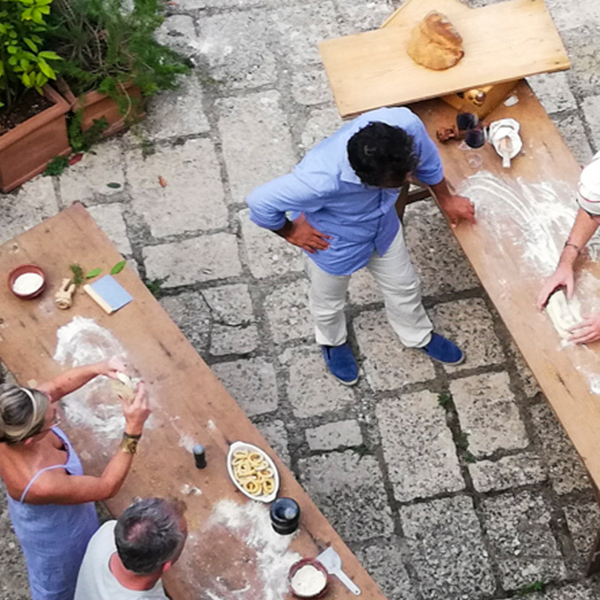
Once dough was kneaded at home, maybe by several hands. Then it was taken to the communal oven, where everyone waited their turn. And all this time, making the same food as the others but in their own way, they were never alone. A singular identity was formed from just two basic ingredients: flour and water.
Breadway
- Project Leader/Coproduzione/Ecc.:
Co-produced by
MurgiaMadre Società Cooperativa - Immagine progetto:
- Facebook:
- Twitter:
- YouTube:
- Project Partners:
"Università degli Studi" of Bari, Italy
IED Barcelona, Spain
ADI, Italy
ARTErìa, Italy
Consorzio Pane di Matera, Italy
Made in carcere, Italy
Città Famiglie.it, Italy - Artists:
Linda Di Pietro, art director, Italy
Loredana Paolicelli, Italy
Catalina Pollak, Chile
Andrea Paz Cortés, Chile - Evento:
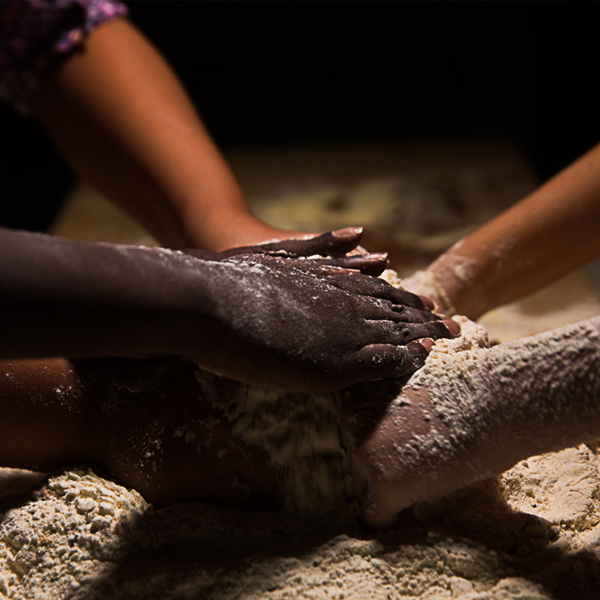
It’s a story starting with grains of wheat and ending with a fragrant loaf. Breadway is an immersive experience which takes place in the Piccianello district in Matera, in its bread-making streets.
M.E.M.O.RI. - Euro Mediterranean Museum of Re(f)used Objects
- Project Leader/Coproduzione/Ecc.:
Co-produced by
La luna al guinzaglio - Immagine progetto:
- Facebook:
- Twitter:
- Instagram:
- Project Partners:
CEMEA Centri di Esercitazione ai Metodi dell’Educazione Attiva, Italy
Festival della Scienza di Genova, Italy
Tribeka, Spain
Association des Amis du Belvédère, Tunisia
Centro Zaffiria, Italy
Digital Wolf, Italy - Artists:
La luna al guinzaglio (artistic direction), Italy
Fabio Fornasari (scientific direction), Italy
Maria Rosa Sossai (curator), Italy
Salone dei Rifiutati, Italy
Pilar Bandres e Cyro Garcia, Spain
Francesca Biasetton, Italy
Hassan Echair, Morocco
Duccio Canestrini (anthropologist), Italy
Massimo Gerardo Carrese (fantasiologo), Italy
Antonio Politano (photographer), Italy
Pilar Bandres, Spain
Cyro Garcia, Spain
Francesca Biasetton (calligrapher), Italia
Hassan Echair, Morocco
Kaori Kato, Japan - Evento:
- Campo aggiuntivo 5:
Supported by BCC Basilicata
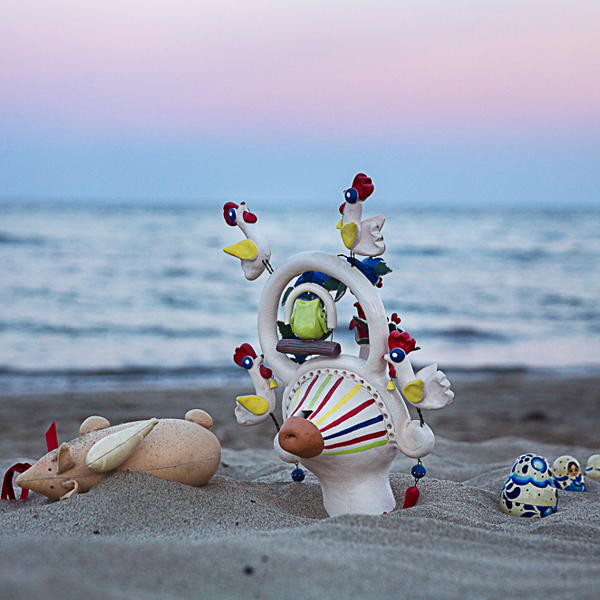
Flight tickets, packaging, leaves, forgotten objects found in your pocket or on the street: this is the collection presented by M.E.M.O.RI. Euro-Mediterranean Museum of Re(f)used Objects, an accidental museum of circumstances, in which the visitor physically interacts with the objects and is invited to embark on a 'hand-mission', to establish direct contact with the exhibits and access their internal memory.
Aware
- Project Leader/Coproduzione/Ecc.:
Co-produced by
Compagnia Gommalacca Teatro - Immagine progetto:
- Facebook:
- Twitter:
- Instagram:
- YouTube:
- Project Partners:
ReCollocal, Italy
Atelier Sudside, France
Scai Comunicazione, Italy
Comune di Albano di Lucania (PZ), Italy
Comune di Calciano (MT), Italy
Comune di Ferrandina (MT), Italy
Comune di Garaguso (MT), Italy
Comune di Oliveto Lucano (MT), Italy
Comune di Potenza, Italy
ANAS, Italy - Artists:
Carlotta Vitale, Italy
Mimmo Conte, Italy
Riccardo Spagnulo, Italy
La Klass, Italy
Sudside - Les Ateliers, France
Didier-Gallot Lavallée, Francia
SQx Dance, United Kingdom, Canada
Teatro dell'Argine, Italy - Evento:
La Nave degli Incanti
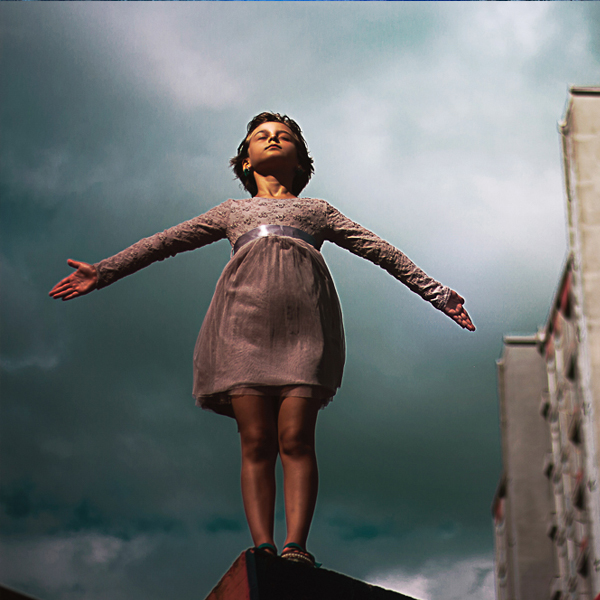
AWARE, from the neighbourhood that since 2012 has housed the premises of the Gommalacca Teatro company - the Cocuzzo district of Potenza, with its concrete Ship - is characterised by the conception of a travelling theatre, La Nave degli Incanti (The Enchanted Ship): a spectacular street machine travelling along the Basentana highway, circulating the multiple and constantly changing identities of contemporary Lucania, collected during the research/action phase and reinterpreted by the artistic direction of Carlotta Vitale, directed by Mimmo Conte and written by Riccardo Spagnulo.
Mammamiaaa
- Project Leader/Coproduzione/Ecc.:
Co-produced by
Associazione Casa Netural - Immagine progetto:
- Facebook:
- Twitter:
- Instagram:
- Project Partners:
IdLab, Italy
John Thackara, United Kingdom
- Artists:
Stefano Mirti, Italy
John Thackara, United Kingdom
Petra Tikulin, Croatia
- Sponsor:
- Evento:
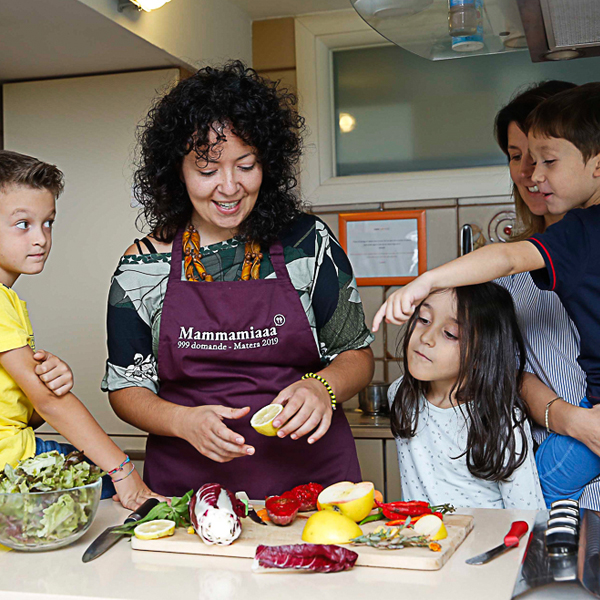
Taking part in the Mammamiaaa community is easy and anyone can do it. All you need is to have a family recipe and be ready to talk about it. Then you just serve it to family and friends, so they can organise lunch, a snack or an evening meal.
Mysterious Traveller
- Project Leader/Coproduzione/Ecc.:
Realized in co-production by
Municipality of Oppido Lucano
for Capital for one day - Immagine progetto:
- Sponsor:
- Evento:
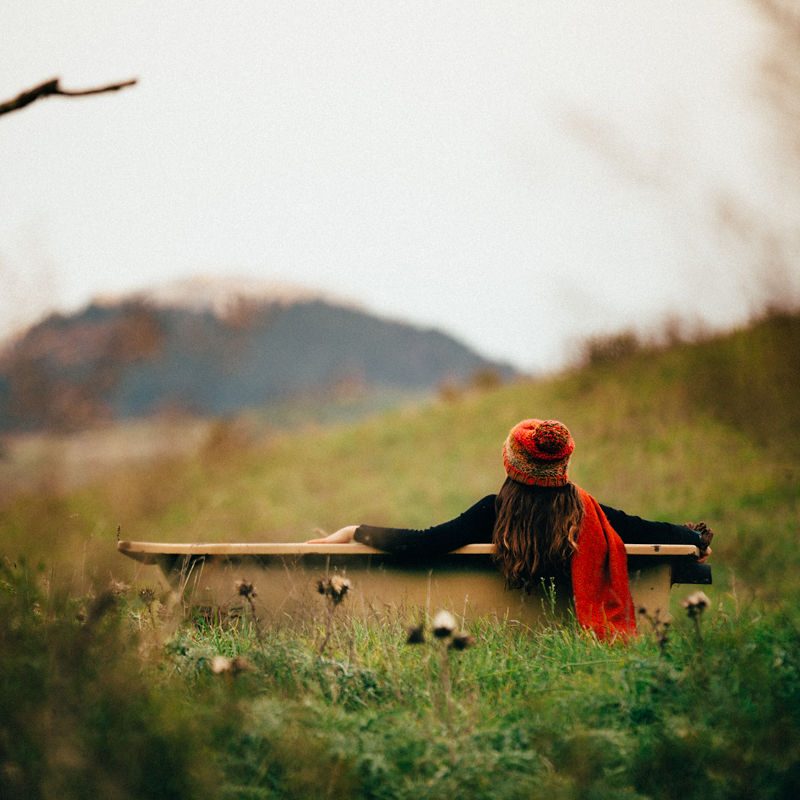
Who is the mysterious traveller who walks around the streets of Oppido Lucano? In its day as a Capital, the town will carry out a travelling show along the extra moenia (outside the walls) Trecedde, in order to enhance the unknown parts of the town which are of great historical and cultural importance. These locations will turn into multimedia sets with stories, music, artistic installations, projections and exhibitions, and every stop along this walk through art and nature will be divided into other micro events, forming a structural narration.
Proteus
- Project Leader/Coproduzione/Ecc.:
Co-produced by
Municipality of Montemurro
for Capital for one day - Immagine progetto:
- Project Partners:
Fondazione Leonardo Sinisgalli
Scuola del Graffito Polistrato di Montemurro
Ass. Bellivelgari
Pro Loco Montemurro - Sponsor:
- Evento:
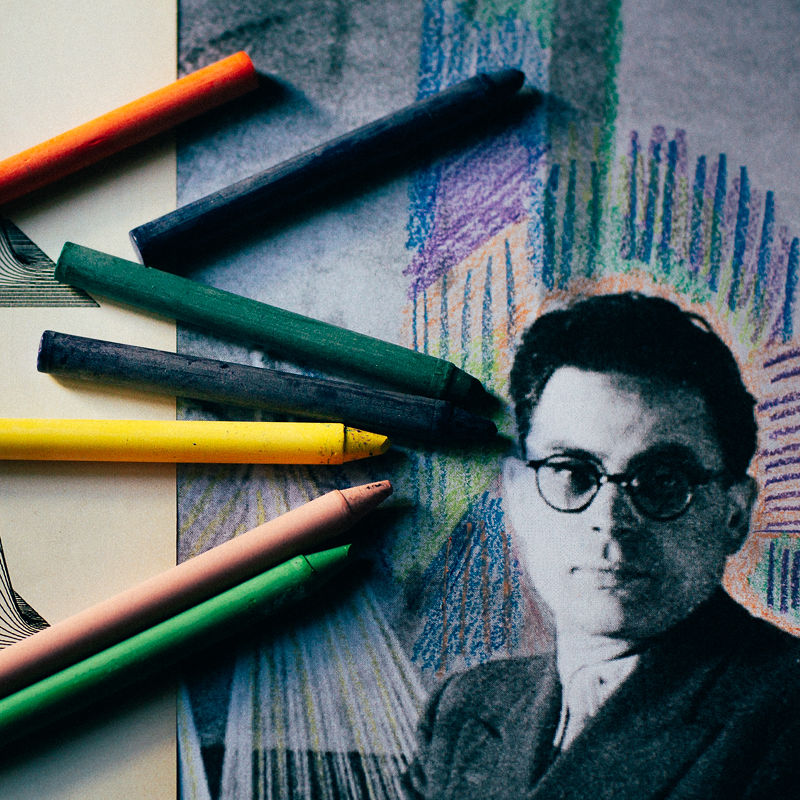
A divinity and a human being: this is the theme that inspires the Proteus project. Proteus is a shape-shifting Greek god, and Leonardo Sinigalli one of the most famous and versatile residents of Montemurro. Seven different areas will inspire seven different themes, with seven different colours and seven different itineraries. Montemurro celebrates its multifaceted nature and its ability to transform itself, while remaining itself.
Rotondella Round Town: A Circular Walk
- Project Leader/Coproduzione/Ecc.:
Realized in co-production by
Municipality of Rotondella - Immagine progetto:
- Venue and Date:
20th April 2019 at Rotondella
- Evento:
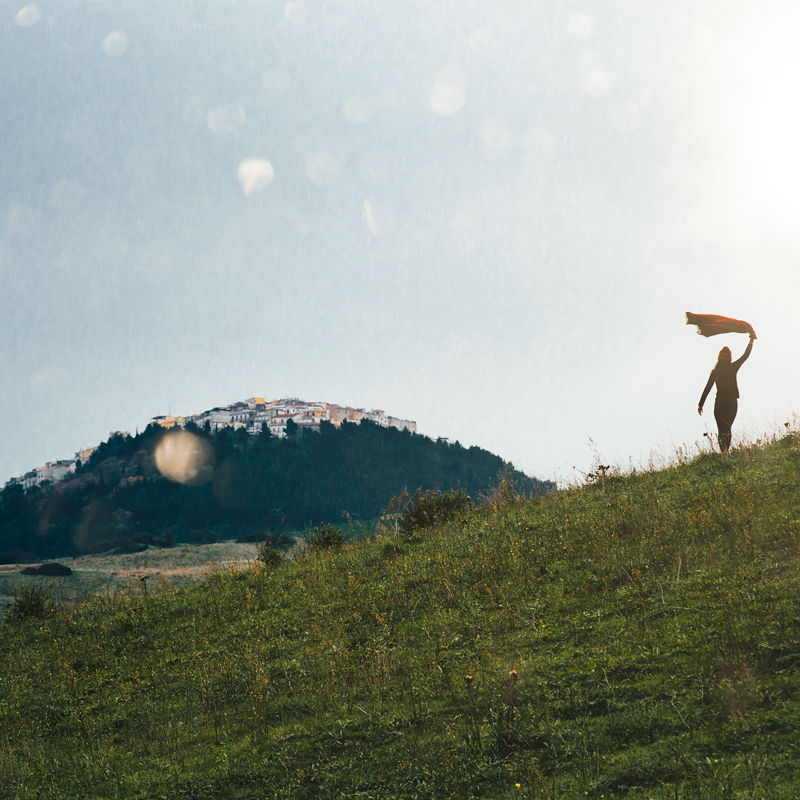
Imagine walking along a road and never turning, to find yourself back at the starting point. Now stop imagining, because this road exists - not only a road but an entire town, Rotondella, waiting to be discovered. The settlement, called in antiquity Rotunda Maris, has an urban configuration that is unique and shaped like a globe.
The Arbëreshë Community Network
- Project Leader/Coproduzione/Ecc.:
Realized in co-production by
Municipalities of San Paolo Albanese | Ginestra | Maschitofor Capital for one day
- Immagine progetto:
- Sponsor:
- Evento:
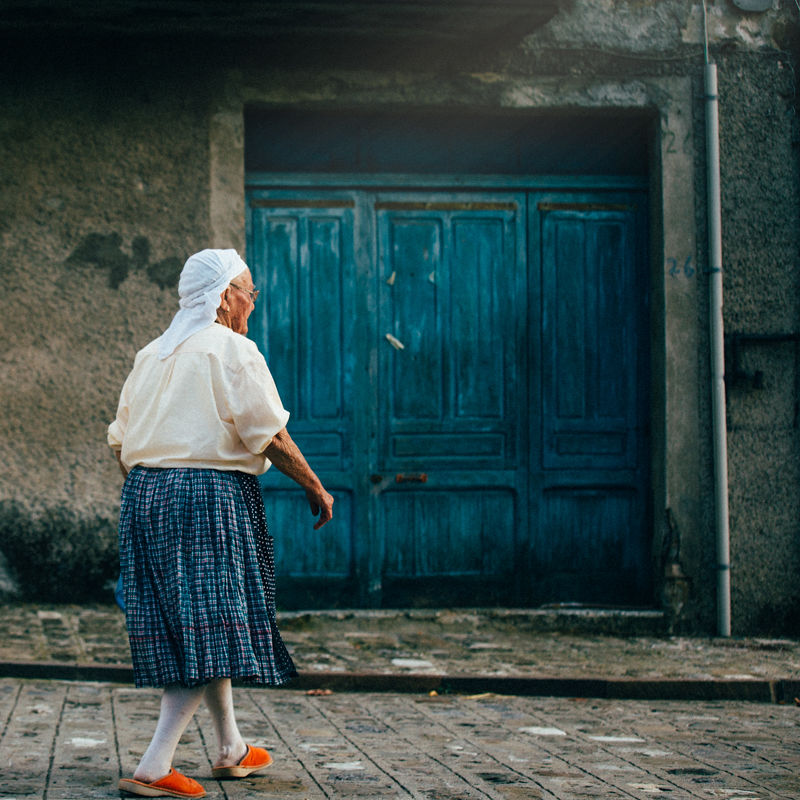
What element unites Matera’s culture with Albanian culture? The so-called Arbëreschë Community. In 1468 a number of Greek and Albanian groups fled from the Ottoman threat. They found refuge in Basilicata, in the three districts where the 'Arbëreschë Comunity network' is organised.
The project, organised by the 'Mediterranean Centre for Art' and recognised by the Ministry of Cultural Heritage, will be a journey through tradition and the ancient Arbëreshë culture, in a celebration of the benefits brought by these peoples.
The Land Of Saints And Brigands
- Project Leader/Coproduzione/Ecc.:
Co-produced by
Municipality of Ripacandida
for Capital for one day - Immagine progetto:
- Sponsor:
- Evento:
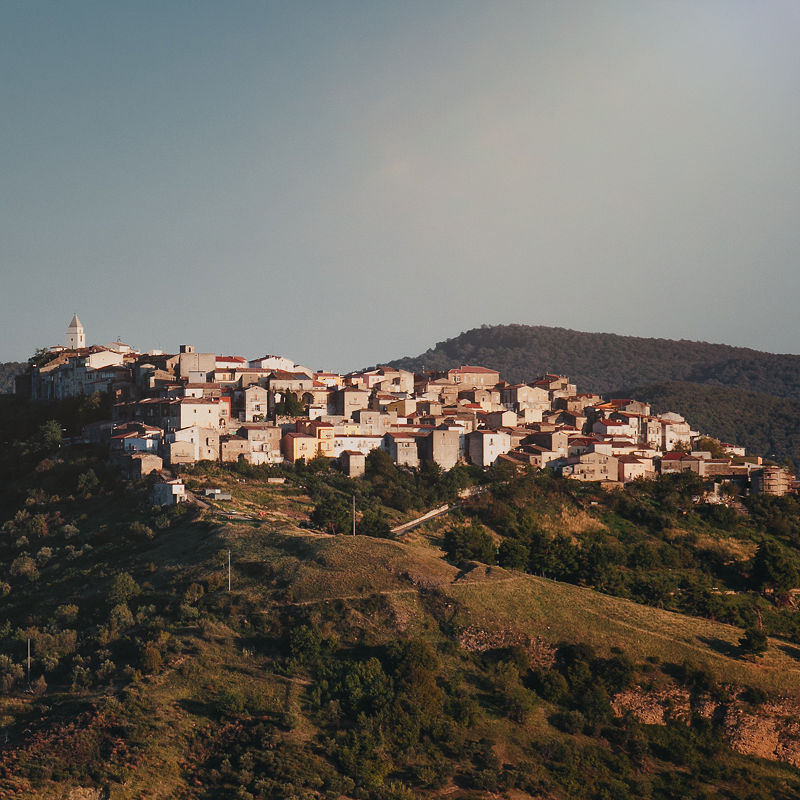
'We will make Italy or die' was Garibaldi’s motto during the war that led to the unification of the country. A violent and bloody road, linked in this area to the firsts episodes of banditry. In these lands a conflict brought the repression of more than a hundred male and female brigands. This fundamental period in the Unification of Italy will be recalled by the town of Ripacandida during the events of its Capital for a Day.
Grumentum: Discovering The Capital Of The Roman Basilicata
- Project Leader/Coproduzione/Ecc.:
Coproduced by
Municipality of Grumento Nova for Capital for one day - Immagine progetto:
- Project Partners:
Pro Loco
Compagnia teatrale "Le Voci di Dentro" Grumento Nova
Compagnia Arcieri "Artemide"- Grumento Nova - Sponsor:
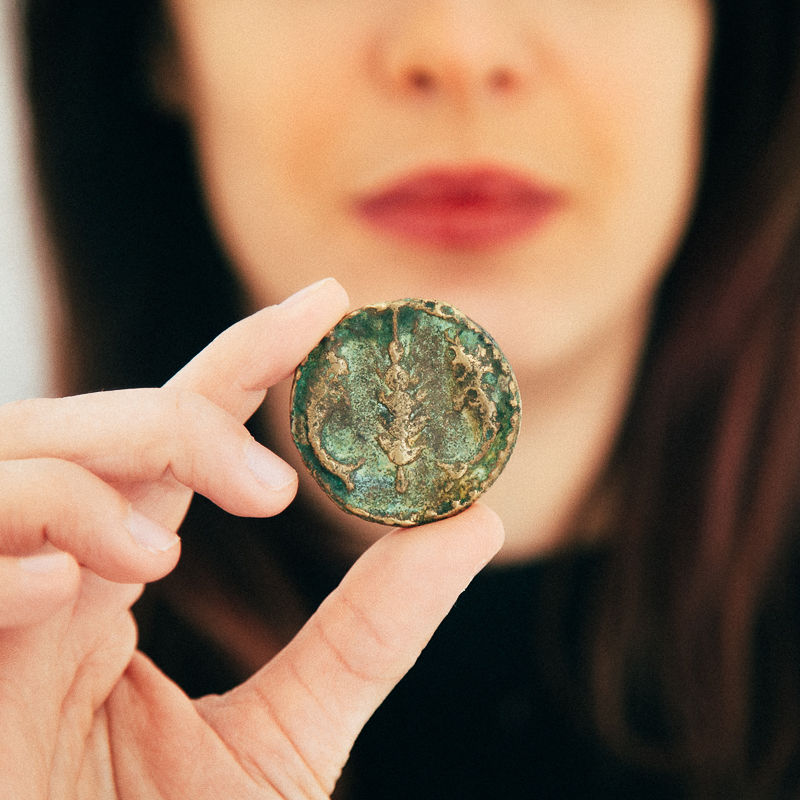
Tired of the 21st century? How about a walk through Hannibal’s battlefields, to meet the Emperor Augustus or support a gladiator? Ancient Rome awaits us in the heart of Basilicata, in the largest Archeological Park in the region: Grumentum.
The site, built in the 3rd century BC, developed into the most important Roman city in Basilicata, and will come back to life thanks to actors and re-enactments animated by a screenplay inspired by the Julius-Claudius sculptural group found here.
BellArte
- Project Leader/Coproduzione/Ecc.:
Co-produced by
Municipality of Bella for Capital for one day
- Immagine progetto:
- Sponsor:
- Evento:
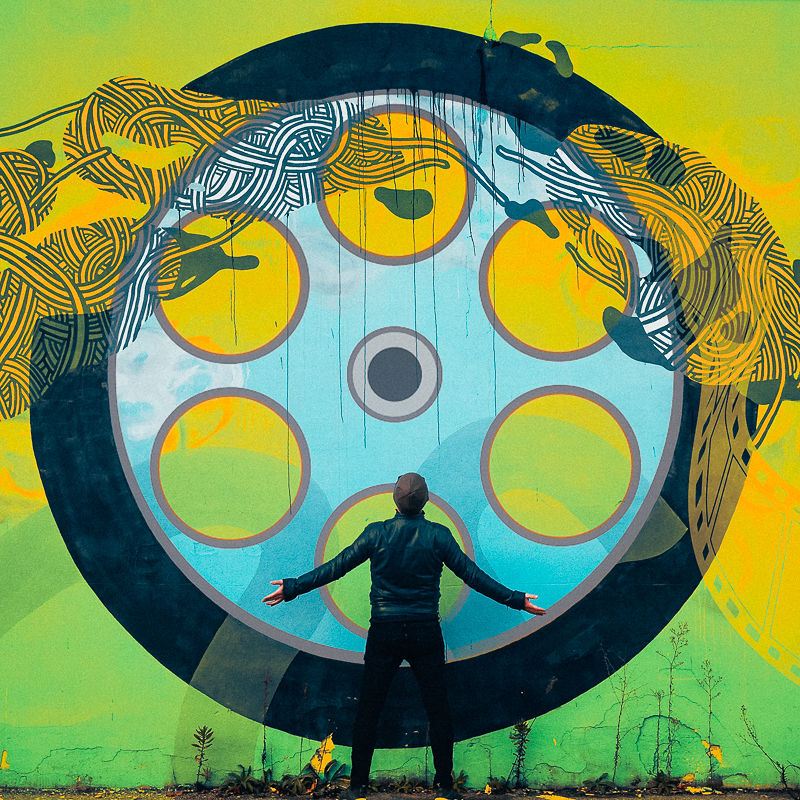
What do movies like 'La lupa' by Alberto Lattuada, the 'The Gospel According to St Matthew' by Pier Paolo Pasolini and 'The Passion' by Mel Gibson have in common? All of them have been produced in the Sassi (Matera’s Ancient Cave Dwellings), an enchanting and inspiring location which will regain its original beauty through art.
Senise 2019
- Project Leader/Coproduzione/Ecc.:
Realized in co-production by
Municipality of Senisefor Capital for one day
- Immagine progetto:
- Sponsor:
- Evento:
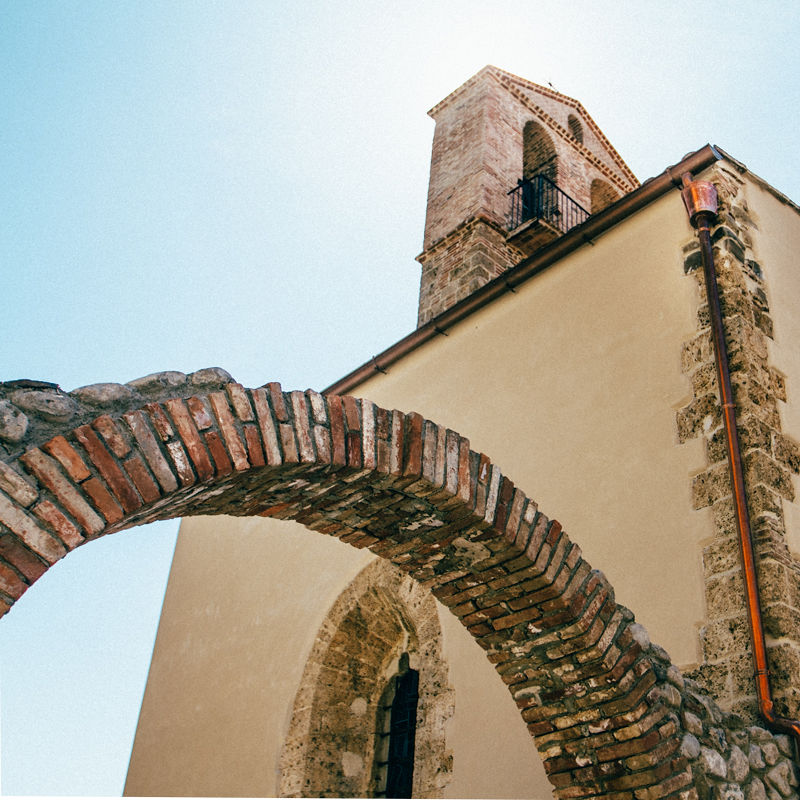
To enjoy the magic of Senise you have to go back in time. Starting from the 16th century, the village was a great cultural and artistic centre, with intellectuals and visionary artists. Senise 2019 wants to take us back to that world, by reading their works in a contemporary way. It will be a three-day journey through poetry and music, panting and jewellery, literature and theatre.
Matera Aquae Paterno Lignum: The Roots Of The Legends Along The Paths Of History
- Project Leader/Coproduzione/Ecc.:
Realized in co-production by
Municipality of Paterno for Capital for one day - Immagine progetto:
- Sponsor:
- Evento:
With patience and perseverance, a drop of water can wear away stone. The town of Paterno wants to lay its first stone of a large and evolving project, dedicated to the water heritage of this area. Aware of the tourism importance of the Great Agri Aqueduct, the artistic residency Mater aquae Pater lignum will start in May 2019, to enhance almost 250 km of the water supply network which runs between Potenza and Matera.
A 'bridge' Between East And West: Along The Byzantine Monks Path
- Project Leader/Coproduzione/Ecc.:
Realized in co-production by
Municipality of Carbone for Capital for one day - Immagine progetto:
- Sponsor:
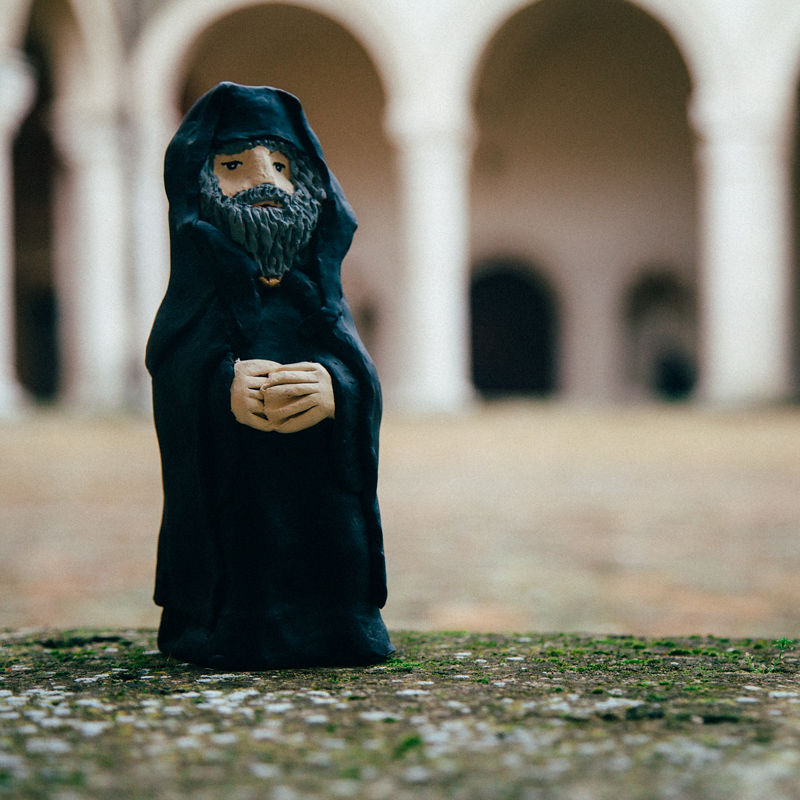
Basilicata is the land of the soul, that inspires silence, meditation and spirituality. Since AD 1000, many religious communities have settled here, leaving their traces. This was during the Byzantine era, when many monks lived in the southern part of Basilicata, seeking shelter from border wars and seeking solitude. Monasteries and abbeys were built in the most fertile areas, around which villages grew up.
Charm And Participation
- Project Leader/Coproduzione/Ecc.:
Realized in co-production by
Municipality of Lagonegro for Capital for one day - Immagine progetto:
- Sponsor:
- Evento:
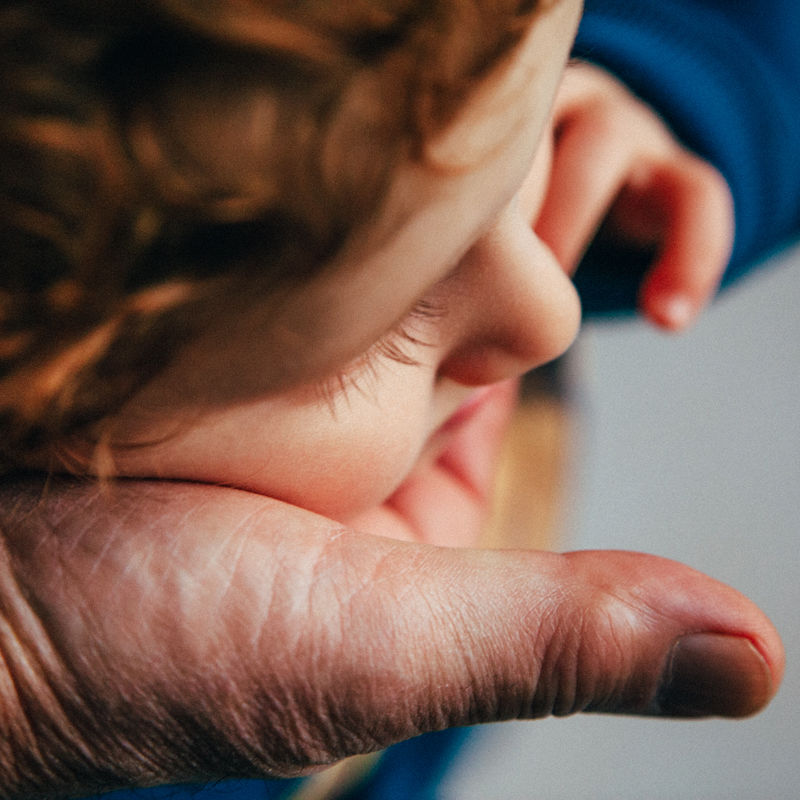
You can study all your life, but you’ll never learn something as well as when you do it with an expert. That is what people have been doing for centuries, passing on knowledge, from one generation to another, to reveal the secrets of a profession or a region. This is the aim of Charm and Participation project in Lagonegro, building an interactive workshop to pass on knowledge, know-how and traditions linked to painting, sculpture, photography and handicraft to future generations.
The Values Of A Community Through The Story Of A Famous Figure: Marcantonio
- Project Leader/Coproduzione/Ecc.:
Co-produced by
Municipality of Picerno
for Capital for one day - Immagine progetto:
- Project Partners:
Commissione Regionale degli Italiani all'Estero
Itis Albert Einstein
Vito Marcantonio Forum - Sponsor:
- Evento:
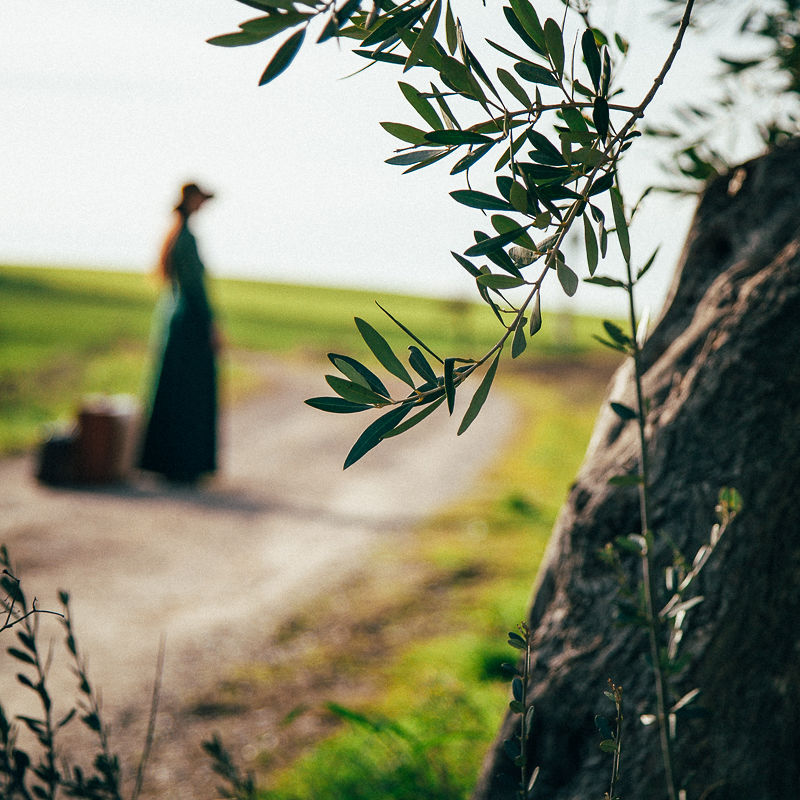
Picerno, The Capital Of Rights Of The Most Disadvantaged. Every story of migration is an exceptional tale of courage, strength and hope, and the story of everyone who leaves their life seeking a better one deserves to be told and never forgotten. The town of Picerno has decided to stage the incredible story of Vito Marcantonio, born in a family from Picerno, a second-generation immigrant raised in the ghetto of East Harlem, once entirely populated by Italians, Puerto Ricans and African Americans.
Brassens Prize
- Project Leader/Coproduzione/Ecc.:
Co-produced by
Municipality of Marsico Nuovo for Capital for one day
- Immagine progetto:
- Sponsor:
- Evento:
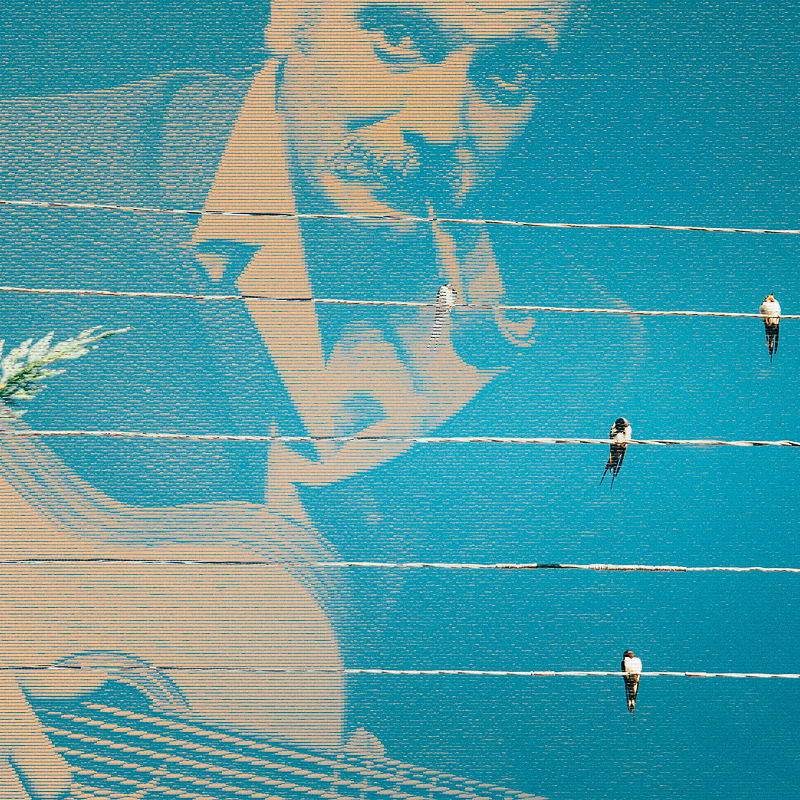
'Without technique, talent is only a dirty dress', remarked Georges Brassens, a musician from Basilicata, who has had a piazza named after him in Marsico Nuovo. Soon, his name will be used elsewhere: for a music competition, to be organised every year starting from 2019 to pay tribute to the combination of technique and talent: the Brassens Prize. There will be three aims: to highlight the profile of the French singer-songwriter, underlining his origins; to enable artists from all over Europe to perform in an important competition; and finally, to become an important reference point for national and international tourists.
Music, Tradition And Innovation: Montescaglioso Runs With Matera 2019
- Project Leader/Coproduzione/Ecc.:
Realized in coproduction by
Comune di Montescaglioso for Capital for one day - Immagine progetto:
- Project Partners:
Ass. Cult. L'amico del Cavallo
Pro Loco Matarazzo - Montescaglioso
CooperAttiva SOC. COOP - Sponsor:
- Evento:
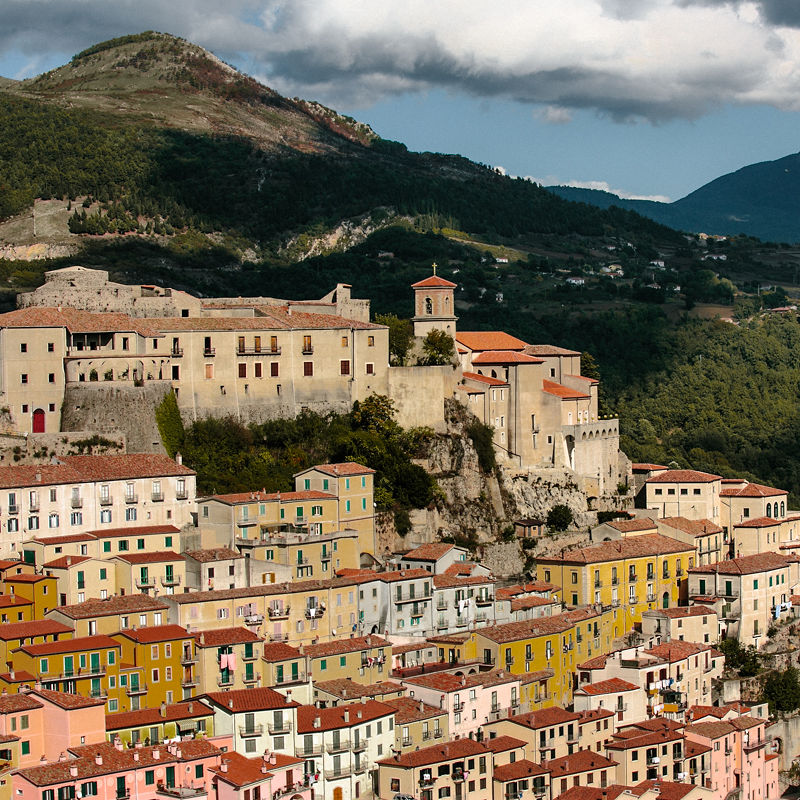
The ideal crest for Montescaglioso should have three symbols: an image of the Madonna, the plume of the Bersaglieri and a horse. Incredibly, Montescaglioso’s residents have managed to run an event that includes all three elements. Let’s take a step backwards: the people in the village find out that Matera will host the 67th national Bersaglieri rally on 19th May 2019, with the invitation to host a brass band.
CULTI: Innovative Local Culture
- Project Leader/Coproduzione/Ecc.:
Realized in co-production by
Municipalities of Tolve | Acerenza | Banzi | Cancellara | Forenza | Genzano | Pietragalla | San Chirico Nuovofor Capital for one day
- Immagine progetto:
- Sponsor:
- Evento:
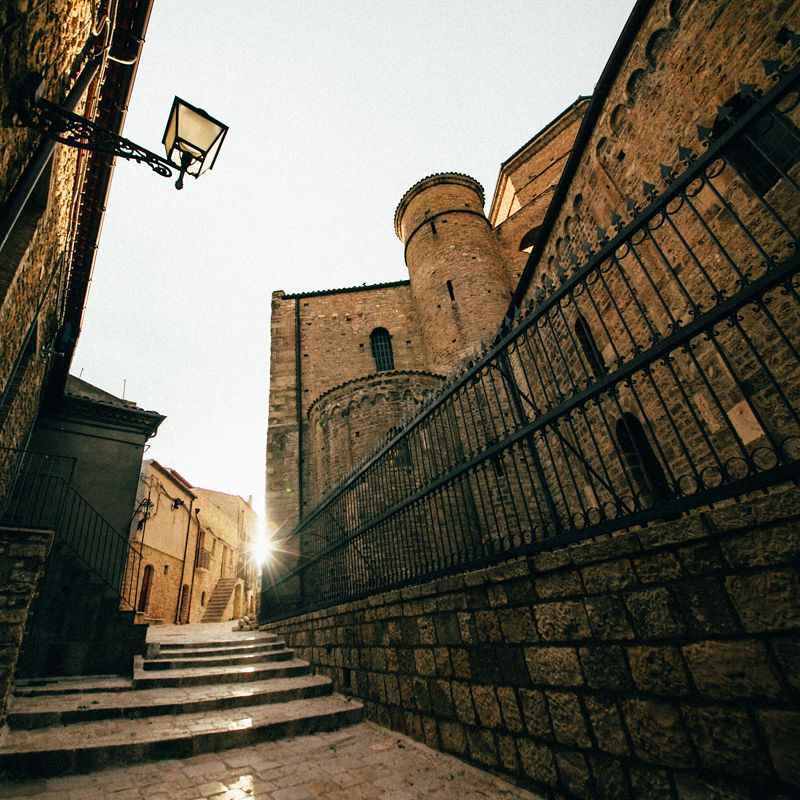
Creating a network between different municipalities, people, artists and complementary creative experiences. This is the Culti’s festival goal: Innovative Local Culture; three days focused on all the expressions in contemporary creativity. A new way of giving life to urban spaces, in order to celebrate culture and tradition and to present them in an innovative way. To unite a community in the name of art.
Traditions and Contaminations from the World

- Project Leader/Coproduzione/Ecc.:
Coproduced by
Municipality of Irsina for Capital for one day
- Immagine progetto:
- Sponsor:
- Evento:
Irsina is a town that changes through its residents. A lot of people emigrated, but in recent years there has been an influx of foreigners, who have bought houses and promoted new cultural initiatives, making Irsina a town with an international profile, but a town which has preserved its authenticity and tradition. One of the most ancient traditions is the cult of Sant’Eufemia, the patron saint, represented by a beautiful statue by Andrea Mantegna in the Cathedral with artifacts from the De Mabilia Collection. The aim of the project 'Traditions and Contaminations from the World' is to combine these two elements – international identity and deep-rooted traditions – through international and Italian artist residencies, where artists will re-interpret works in the Collection and the sacred rituals linked to the traditional cult of Sant’Eufemia.
Sound trails
- Project Leader/Coproduzione/Ecc.:
Co-produced by
Municipality of Viggianello
for Capital for one day
- Immagine progetto:
- Project Partners:
Ass. Cult Voltalacarta
- Sponsor:
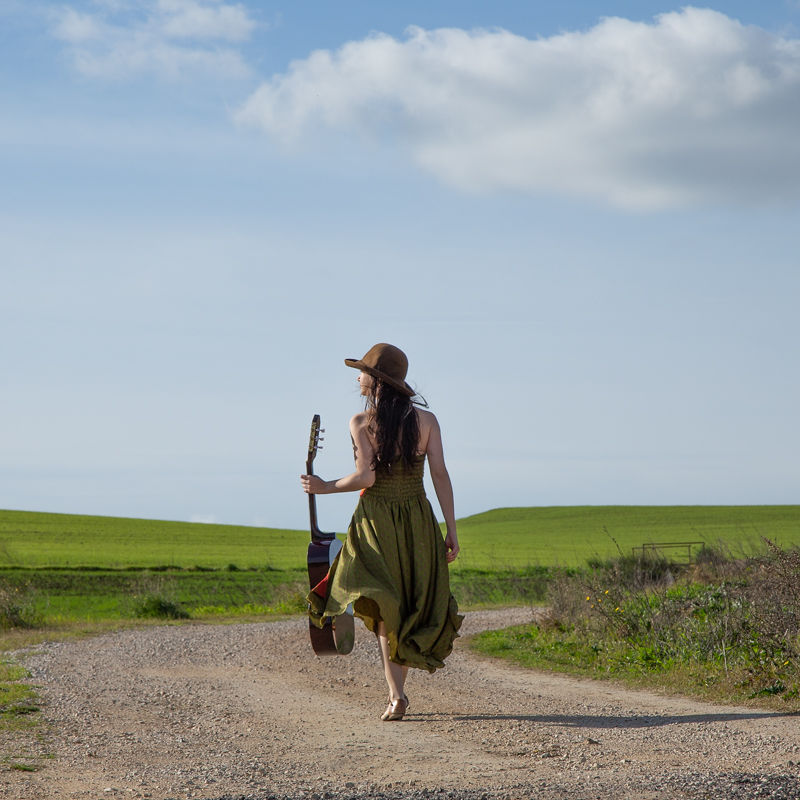
What sound does a route make? And a mountain? What music can you hear as you remain close to a secular tree? If we cannot answer these questions, it is because we have noisy, distracted lives, and we are losing the habit of beauty and wonder that certain natural scenarios continue offering us. Maybe we have also lost the habit of being together, meeting people, sharing thoughts and ideas without using a smartphone.
Artistic Routes Around Enzo Schillizzi (1955-2009)
- Project Leader/Coproduzione/Ecc.:
Co-produced by
Municipality of San Costantino Albanese
for Capital for one day - Immagine progetto:
- Sponsor:
- Evento:
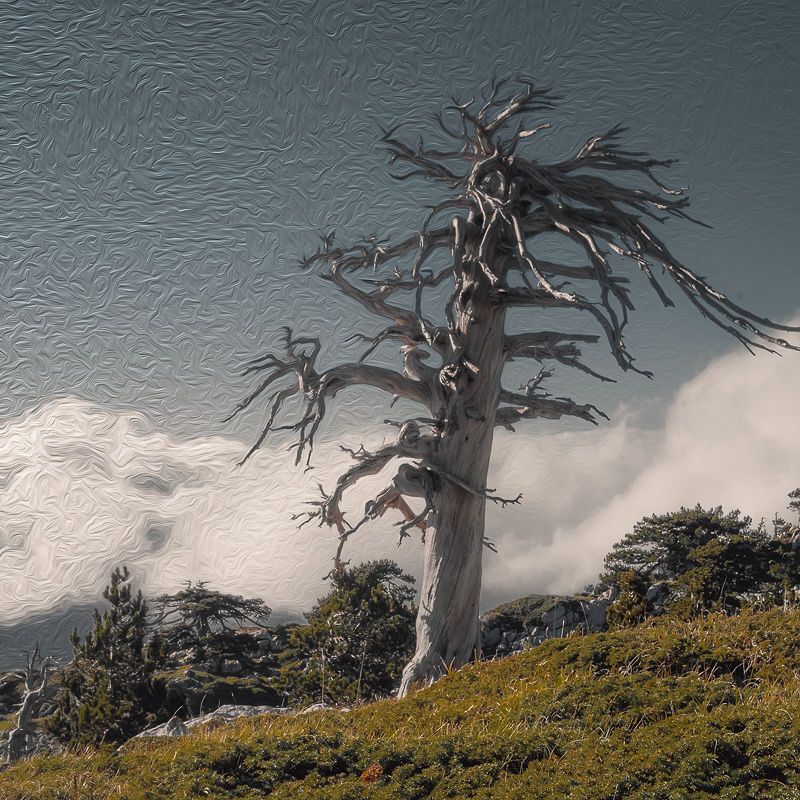
San Costantino Albanese becomes an open-air museum, to celebrate the life and works of its most famous citizen, Enzo Schillizzi.
A theatre production strongly linked to the artist’s homeland and rooted in the community will develop into two differently themed itineraries, the arbëreshe tradition and the rural world, which will be presented to the public on the tenth anniversary of the artist’s death, in a three-day event which expresses the town’s vision of the Capital for a Day event.
Basilicata Roots Festival
- Project Leader/Coproduzione/Ecc.:
Co-produced by
Municipality of Brienza for Capital for one day
- Immagine progetto:
- Sponsor:
- Evento:
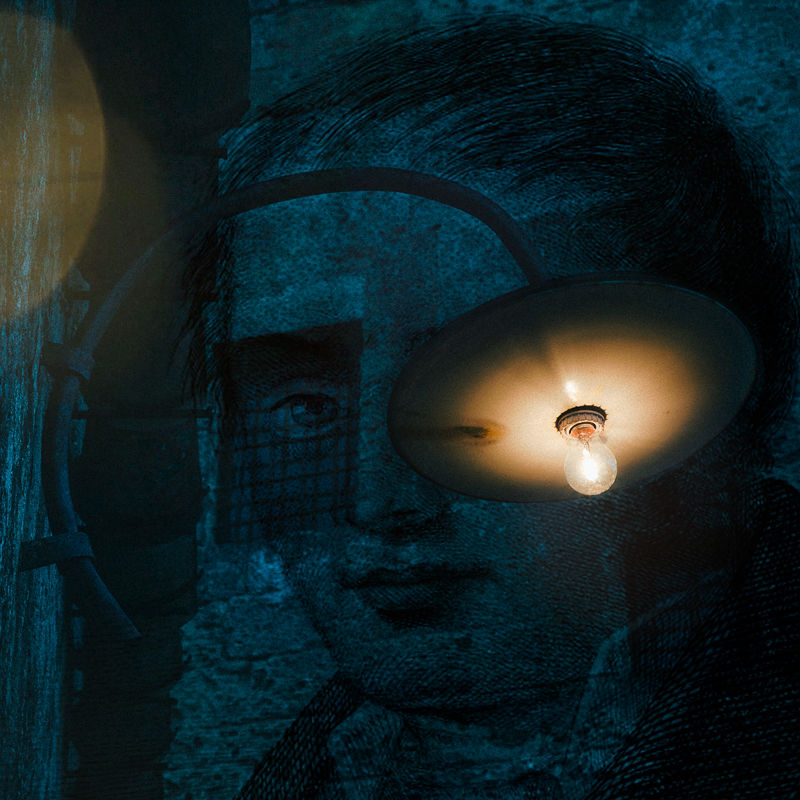
Roots anchor us to the land, they make us safe and stable, a place we can grow in. The Basilicata Roots Festival will take place from 29th March to 31st March in Brienza, and will be a tribute to one of its most famous citizens, Francesco Mario Pagano, known as 'the Plato of Naples', who played an important role in the Italian Enlightenment period and in Neapolitan politics. He was a historic and versatile figure, a legislator, a man of letters, and of culture, and a martyr for freedom.
Grassano: Roots And Routes
- Project Leader/Coproduzione/Ecc.:
Realized in co-production by
Municipality of Grassano for Capital for one day - Immagine progetto:
- Sponsor:
- Evento:
During the 1930s the writer Carlo Levi was forced into exile in Basilicata and became fond of the local community. The light, landscape, alleys and houses inspired his photographs, paintings and writing, which was used in his masterpiece Christ Stopped at Eboli. This human and artistic experience, can be followed by visitors through a guided tour of the places that inspired Primo Levi, which also shows the attractions of Grassano: Palazzo Materi, with its original late 18th century furniture, the Monumental Crib by the artist Franco Artese, the main church of San Giovanni Battista, the 18th century cloister and ancient 'Capo le Grotte'.
Ancient Hunting In Revertera
- Project Leader/Coproduzione/Ecc.:
Coproduced by
Municipality of Garaguso for Capital for one day
- Immagine progetto:
- Project Partners:
Telai e Pithoi - Ass. Turistico Culturale
- Sponsor:
- Evento:
Imagine going back to Magna Graecia, obliterating everything that followed: the sounds in particular; now all you can only hear is birds whistling, bushes rustling, moved by forest animals, and water running. The first thing you do is just listen.
In Garaguso we will go back in time for a day, rediscovering actions, tools and ancient flavours at the Marble Temple of Persephone and Palazzo Revertera, a beautiful hunting lodge. This location will inspire a large-scale re-enactment in two different timeframes.
The Christmas Of New Europe. The Route Of The Nativity Scene
- Project Leader/Coproduzione/Ecc.:
Realized in co-production by
Municipality of Castronuovo di Sant'Andrea for Capital for one day - Immagine progetto:
- Sponsor:
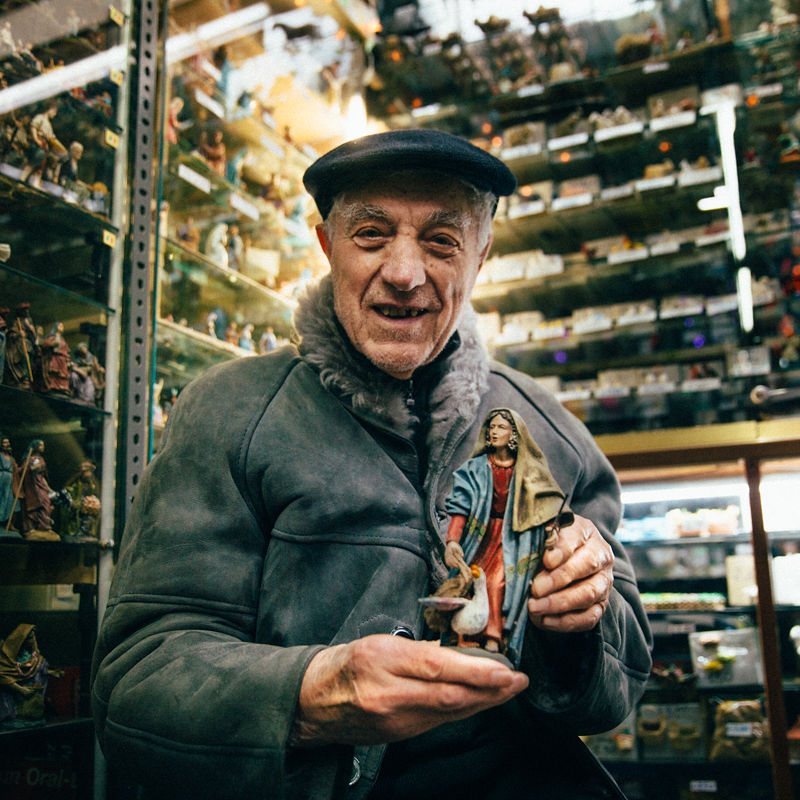
It seems incredible, but in Castronuovo di Sant’Andrea there are actually 250 cribs from all over the world. You can find them in the churches, caves, cellars, and abandoned houses. Most of them are kept in the Vanni Scheiwiller International Crib Museum in the medieval district of Manca. Four hundred years of history and art and craftmanship masterpieces are concentrated in just one town.
MurArtes
- Project Leader/Coproduzione/Ecc.:
Co-produced by
Municipality of Calvera for Capital for one day
- Immagine progetto:
- Project Partners:
Pro Loco di Calvera
- Sponsor:
- Evento:
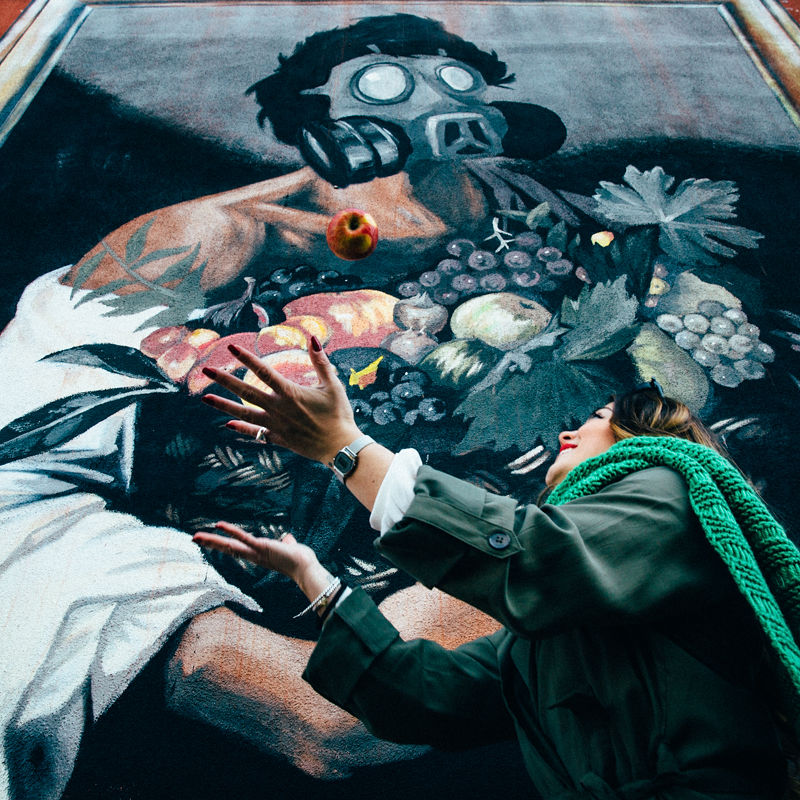
History is not only made of dates but of moments, events, everyday fragments. So what is the best way to represent it if not through images?
This is Calvera’s idea, with the support of the local administration and tourist office: telling the story of the city and its community through the figurative arts.
Calvello - Matera Round Trip
- Project Leader/Coproduzione/Ecc.:
Realized in co-production by
Municipality of Calvello for Capital for one day - Immagine progetto:
- Project Partners:
Musica in Fabula
- Sponsor:
- Evento:
Naples and Basilicata are only part of what used to be the Kingdom of Two Sicilies, which for 50 years covered the south of Italy before Italian reunification. They are divided by aspirations, landscape, geographical and strategic importance, and many migrants from Basilicata moved to Naples seeking a new life.
When Culture Meets Business
- Project Leader/Coproduzione/Ecc.:
Coproduced by
Municipality of Corleto Perticara for Capital for one day
- Immagine progetto:
- Project Partners:
Ass. Cult. Istinto Lucano
- Sponsor:
- Evento:
A short film 'Culture meets business' tells some wonderful family stories as an example to follow.
The starting point is very simple: we often consider business and culture as two separate entities, one inferior and the other superior, one with vested interests and the other impartial, one materialistic and the other idealistic. But it’s not like that at all. Especially in a historic time of great change, where small places face an economic crisis and youth emigration, it is helpful to think of culture and business as a single entity.
St Nicholas And The Three Maidens
- Project Leader/Coproduzione/Ecc.:
Realized in co-production by
Municipality of Brindisi di Montagna for Capital for one day - Immagine progetto:
- Sponsor:
- Evento:
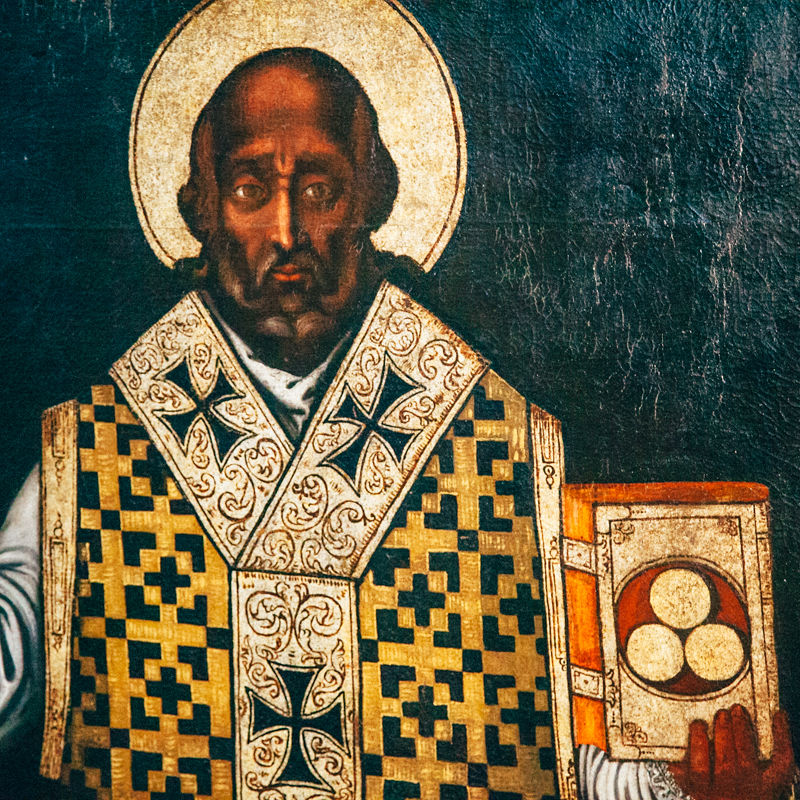
St Nicholas is a superstar! Worshipped and adored, altruistic and tenacious, St Nicholas from Myra inspired the figure of Santa Claus. His cult is shared by the Roman and Orthodox Catholic churches, and he is famous the world over, but nobody has ever made him into music. Until now. 'St Nicholas and the Three Maidens' is a musical, with nine singers and eight dancers, in the municipality of Brindisi Montagna, in a live performance based on important events in his life.
Human Stories
- Project Leader/Coproduzione/Ecc.:
Realized in co-production by
Municipality of Armento for Capital for one day - Immagine progetto:
- Sponsor:
- Evento:
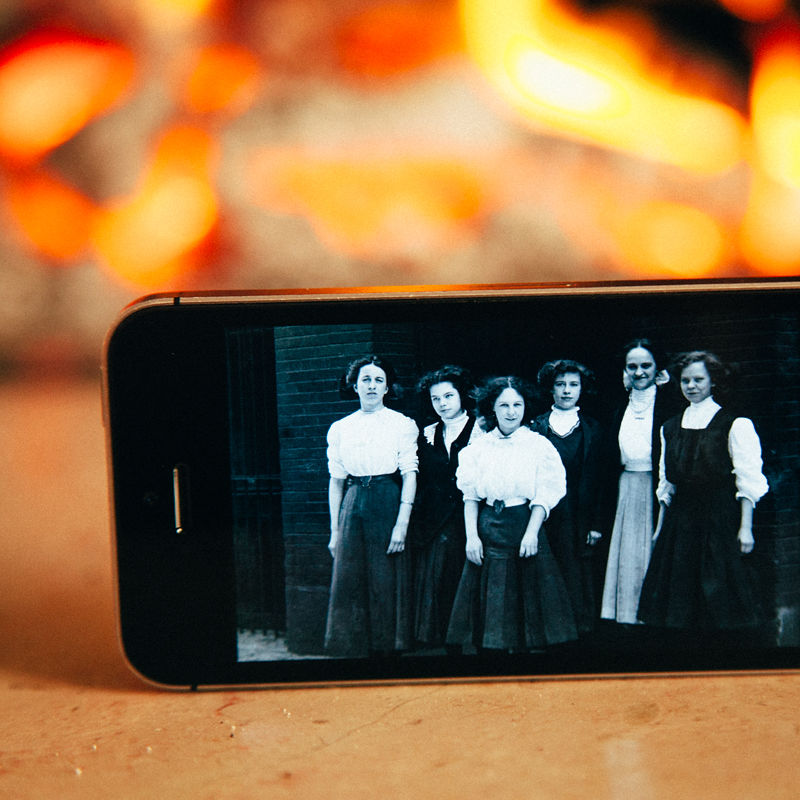
Isabella and Maria Giuseppe Tortorelli are two sisters from Armento, united by hope. In the early 20th century many Italians decide to travel to New York to find a job, and to live a better life. The two sisters find work at the Triangle Waist Company. They make fashionable blouses, that they may never wear.
Siris/Bollita/Nova Siri… A Journey Through History
- Project Leader/Coproduzione/Ecc.:
Realized in co-production by
Municipality of Nova Siri for Capital for one day
- Immagine progetto:
- Project Partners:
Pro Loco Nova Siri
Associazione culturale “Musicarte” - Sponsor:
- Evento:
Can a cake change a person’s destiny? Yes, if this timeless delicacy is the 'pastizzotto from Nova Siri', a typical traditional product which inspires “Joe’s Pie” from the final play in the Nova Siri’s Capital for a Day event.
'Joe’s Pie', a pure comedy with a retro edge, written by Elisabetta Tulli and directed by Serena Mastrosimone and Gino Matrunola, will stage a story of smiles and sweetness. The story tells about a small cafe in the suburbs which is waiting for the visit of a famous culinary critic, who is interested in the secret ingredient that makes 'Joe’s Pie' so special.
Flying Tony
- Project Leader/Coproduzione/Ecc.:
Realized in co-production by
Municipality of Grottole for Capital for one day - Immagine progetto:
- Project Partners:
Wonder Grottote Impresa Sociale
- Sponsor:
- Evento:
Grottole is a Genuine Old Town near Matera. It has an ancient story, and gets its name from the natural grottoes - prehistoric homes turned into ceramics workshops. Grottole is full of treasures, hidden in the churches, in the ruins of the Lombard castle, and in the beautiful landscape that surrounds it. Despite this, the village is emptying, as many other small Italian villages are, losing their inhabitants and sealing their fate. This is where Tony comes in.
Sacred Stones
- Project Leader/Coproduzione/Ecc.:
Realized in co-production by
Municipalities of Melfi and Rapolla for Capital for one day
- Immagine progetto:
- Sponsor:
- Evento:
On the night of 21st September 2019, eight beams of light will shine down from the sky. Under every beam, like a treasure at the end of a rainbow, there will be eight cave churches. Visitors will have to just follow the path indicated by the light.
The eight churches on this itinerary are: Santa Margherita, Santa Lucia dei Giaconelli, Spirito Santo and Madonna delle Spinelle in Melfi, and Crocifisso, Santa Barbara, Sant’Elia and Santa Maria della Stella in Rapolla. The churches were built between the 10th and 13th centuries, and link the two towns which already share much history.
Walking with Mary
- Project Leader/Coproduzione/Ecc.:
Co-produced by
Municipalities of Terranova di Pollino | San Severino Lucano | Episcopia
for Capital for one day
- Immagine progetto:
- Sponsor:
- Evento:
There is a tradition at the Madonna del Pollino Sanctuary in San Severino: walk three times around the temple, on the summit of a cliff, before entering the church on your knees. In the past, the faithful also used to beat their chest, cross the nearby river barefoot as a symbol of purification, touch a holy image with flowers gathered in the woods, or organise nightly wakes.
OPEN THE FUTURE!
- Project Leader/Coproduzione/Ecc.:
Realized in co-production by RAI – Radio Televisione Italiana (Italian Public Broadcasting Company).
Co-organizers: Town councils of Matera and Basilicata, ECoC network - Sponsor:
Sponsor tecnico: Coldiretti Basilicata
- Evento:
- Campo aggiuntivo 5:
Artistic coordinator:
Roberto Tarasco
Opening Ceremony of Matera European Capital of Culture
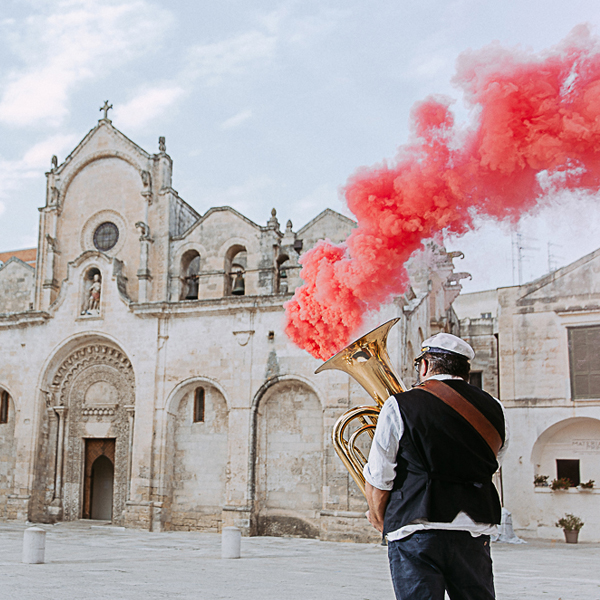
To play in a band, teamwork is needed: not only complete knowledge of the instrument and of music, but also coordination and commitment to creating a common work together. All of this is part of the tradition that for centuries has been carried out by the musicians of Basilicata in the 131 municipalities that make their marching bands a source of local pride and the real cultural strongholds around the area.
These musicians have been chosen to start the opening ceremony for Matera: European Capital of Culture 2019 and they will not do it alone: bands from all over Europe will march alongside, making a total of 2019 musicians who will converge in Matera as they make their way via the main routes from Murgia and Gravina, their music resounding throughout the city streets.
During this extraordinary outdoor party, of unprecedented size, the musicians will be welcomed by residents in their homes in the districts of the city, decorated for the occasion. When the sun goes down, the Sasso Barisano and the Sasso Caveoso will be illuminated by thousands of lights and the technological installations of the Lumen/Social Light project. An exceptional artist, Stefano Bollani, will conduct the musicians during the jam session at 7 pm, followed by the President of the Republic Sergio Mattarella, who will give the official opening speech of the event.
Find out the programme!
Subcategories
Open Design School Article Count: 1
Ancient future Article Count: 36
The cultural projects contained in the “Ancient Future” section allow for a careful reflection on the millennia-long relationship of humanity with space and the stars. By retracing the steps of Pythagoras, one of the region’s most illustrious residents , it explores the ancient universal beauty of mathematics. At the same time, the infinite possibilities of dialogue between man and nature will be analysed, through concerts and visits to spiritual places - such as rock-hewn churches - or places of cosmological interest - such as the Space Geodesy Centre- . Very old practices and new life models will be put on trial, hypothesizing new development models for the coming decades.
Continuity and disruptions Article Count: 24
As in many other European cities, Matera’s relationship with modernity is conflicting. Twenty-five years after the inclusion of the “Sassi”, once a “national shame”, in the UNESCO World Heritage list, the city is still trying to come to terms with its physical identity. The section of the program called “Continuity and Disruptions” represents an opportunity to develop a collective therapy and the possibility to face not only the shame of the city itself but also its multiple forms at the European level. These range from increasing social inequalities, to the resurgence of racism, the inability of many European countries to offer a future and hope to their youth and the drama of the exodus of desperate people fleeing the ongoing wars in Africa and Asia. Matera 2019 will be an opportunity to witness the beauty of the city, not only in theatres and museums, but also in the spaces we live in everyday.
Reflections and connections Article Count: 45
The theme “Reflections and Connections” starts from the classic Latin motto, later adopted by Lorenzo de’ Medici, “Festina lente” (make haste slowly). We must rediscover the value of time and slowness, distance ourselves from the hegemony of the immediate present and take a step back from the accelerated pace that marks life in the 21 st Century. The cultural program also intends to prove that art, science and widespread practice of cultural citizenship can represent, throughout Europe, the catalysing elements of a new, revolutionary model of community rooted in the “practice of daily life”. The physical environment of Matera encourages us to rethink things “ab initio” and to consider crucial questions and fundamental values.
Matera Residencies 2019 Article Count: 8
Utopias and dystopias Article Count: 16
Starting from the irrepressible utopian tension in the history of Matera, the theme “Utopias and Dystopias” intends to test new innovative schemes that represent a challenge to preconceptions about the cities of the South including that tourism is the only way to achieve economic stability, technology is the only model of mediation possible for relationships, industrial monoculture is the only opportunity for development and that food and wine are the main identifiers of a territory. There is a need for a profound change of mentality, which goes beyond fatalistic attitudes, amoral familism, and the opacity of information and management of public affairs, which have often hindered the renewal of Southern Italy. Through a series of urban and rural games and sports, Matera will be transformed into a terrain on which we can imagine possible alternatives to the realities that we take for granted.
Roots and routes Article Count: 39
The “Roots and Routes” section precisely explores the extraordinary possibilities of the mobility culture that unites Europe. The instinct for movement is rooted in the daily life of Matera, ever since the tradition of “transhumance”, which every year sees the herds of cattle move across the Murgia plateau. Mobility is the lifeblood of the region: from Magna Graecia to Rome, or from the age of the Byzantines and Longobards, Arabs, Swabians or Angevins, Basilicata has always been a place of meeting and convergence. Recently, like many other rural regions of Europe, Matera has had to face devastating migratory diasporas, to then see the recent beginning of a return of a generation of young people, attracted by the values rooted in southern Italian culture.