


Home
Stati Generali della Cultura 2025: Matera chiude il percorso con uno sguardo condiviso sul Mediterraneo

La tappa conclusiva degli Stati Generali della Cultura si è svolta a Matera il 3 dicembre, nei suggestivi spazi di Casa Cava. Una giornata intensa, attraversata da interventi e prospettive che hanno restituito l’immagine di un Mediterraneo vivo, complesso, fatto di continuità più che di confini. Studiosi, amministratori, ricercatori, artiste e rappresentanti istituzionali hanno composto un mosaico di voci che ha raccontato come le città – grandi e piccole, costiere o interne – siano oggi impegnate a ridefinire il proprio ruolo in questo scenario.
Fin dall’avvio è emersa una consapevolezza condivisa: il Mediterraneo non è soltanto un mare o una linea di separazione, ma una trama di passaggi, rotte, memorie che ancora oggi modellano territori e comunità. Gli interventi della mattina hanno riportato alla luce storie e dinamiche che attraversano l’area euro-mediterranea, mostrando quanto queste stratificazioni continuino a incidere sulle identità contemporanee.
La sessione dedicata alle culture condivise ha messo a fuoco temi che da anni accompagnano il lavoro della Fondazione: il valore delle relazioni tra territori, la necessità di costruire reti solide e inclusive, la ricerca di nuove forme di cooperazione culturale. Molti dei relatori presenti sono interlocutori con cui, nel tempo, la città e la Fondazione hanno condiviso riflessioni, progettualità o percorsi comuni: la loro presenza ha fatto emergere continuità, non solo spunti teorici.
Il confronto sul welfare culturale ha mostrato come la cultura può contribuire in modo concreto alla qualità della vita, rafforzando legami sociali, contrastando solitudini, generando benessere. Un tema che risuona in modo particolare nel contesto lucano, dove negli ultimi anni diversi comuni e istituzioni hanno avviato sperimentazioni che intrecciano servizi alla persona e pratiche culturali.
Nel pomeriggio l’attenzione si è spostata sulle città come luoghi di progettazione culturale continua. Da Matera a Bari, da reti locali a relazioni internazionali, sono emerse esperienze che mostrano come la cultura possa entrare stabilmente nei processi amministrativi e nella vita quotidiana delle comunità. Matera e Gorizia – entrambe coinvolte in percorsi di carattere europeo e internazionale – hanno portato un contributo che intreccia responsabilità istituzionali, visioni future e possibilità di cooperazione.
La giornata si è chiusa con la proiezione del video Mediterraneo, il video ufficiale di Matera Capitale Mediterranea della Cultura e del Dialogo 2026, diretto da Alessandro Rak e prodotto da Riva Dei Ginepri Production e Mad Entertainment Spa per MaTiFF – Matera International Film Festival: un racconto visivo che restituisce l’essenza di un Mediterraneo che unisce, custodisce tracce e ricompone memorie in nuovi immaginari.
L’incontro di Casa Cava Casa Cava ha offerto alla Fondazione un’ulteriore occasione per ascoltare, mettere in relazione, far dialogare competenze diverse. Un passaggio che rilancia il percorso verso il 2026: un cammino che continuerà a intrecciare ricerca, prossimità e apertura, guardando a un Mediterraneo capace di generare visioni condivise e processi di trasformazione reale.
Il programma completo della giornata e le registrazioni dei panel saranno disponibili sul sito del Sole 24 Ore https://24oreventi.ilsole24ore.com/stati-generali-della-cultura-2025-matera/
Córdoba and Saida, Mediterranean Capitals of Culture and Dialogue 2027: a Mediterranean that grows together
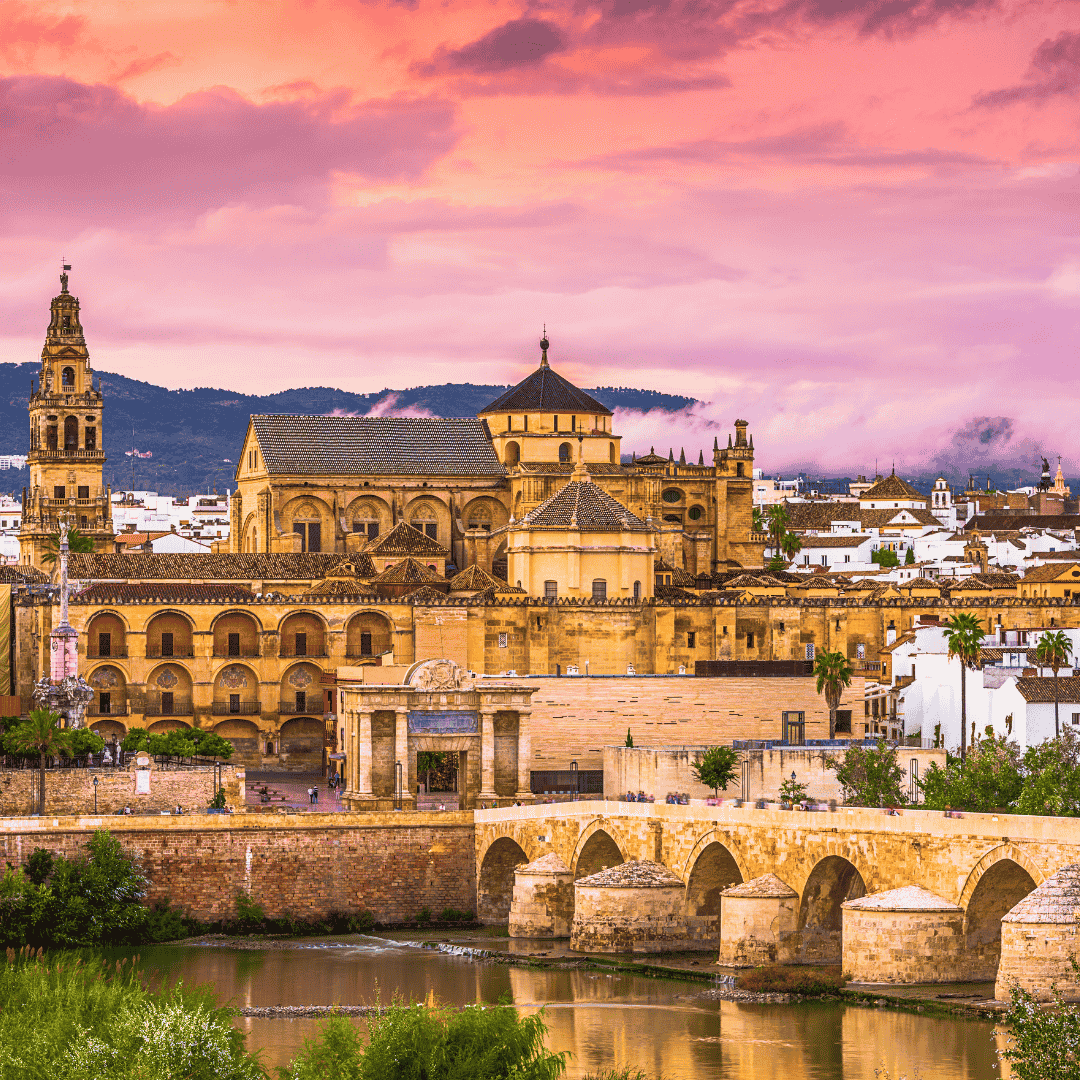
We are glad to welcome the designation of Córdoba (Spain) and Saida (Lebanon) as the Mediterranean Capitals of Culture and Dialogue 2027, announced during the 10th Regional Forum of the Union for the Mediterranean, held on the Mediterranean Day.
The choice highlights once again the growing relevance of the MCCD (Mediterranean Capitals of Culture and Dialogue) programme in strengthening cultural cooperation across the region.
The motivations behind the selection describe two cities that are different yet deeply complementary.
Córdoba, shaped by a long history that saw it as a Roman capital and the heart of the Caliphate of al-Andalus, is today a place of coexistence, intellectual vitality, and a true fusion of cultural languages.
Saida, a coastal city with more than six thousand years of continuous habitation, is one of the oldest crossroads of the Mediterranean—where Phoenician, Roman, Arab, Crusader, and Ottoman memories coexist with a young, diverse, and dynamic cultural scene.
Two perspectives that interpret the Mediterranean identity in distinctive ways and open new paths for dialogue between its shores.
For Matera, Mediterranean Capital of Culture and Dialogue 2026, this new designation naturally extends the shared trajectory already underway.
The Foundation, which has followed the entire process from Matera’s application to the current implementation of the programme, sees in this continuity an important element of the collaborative effort developing within the Euro-Mediterranean framework.
At the same time, international attention to the MCCD programme has continued to grow.
During the meeting of the EU Council of Ministers of Culture, the Italian Minister of Culture Alessandro Giuli highlighted the significance of the 2026 edition of the Mediterranean Capitals of Culture and Dialogue, which will involve Matera and Tétouan in a year dedicated to cooperation between the northern and southern shores of the Mediterranean. He emphasised the initiative’s cultural and social value, underlining the need for shared efforts to counter forms of exclusion, discrimination, or marginalisation based on ethnic or religious identity, and encouraged European partners to support more open and collaborative approaches.
Stati Generali della Cultura 2025: Matera hosts the final stage
On 3 December, the Stati Generali della Cultura 2025 will arrive in Matera for the closing event of this year’s programme. For us it is a moment that allows us to reconnect with relationships, encounters and collaborations that have shaped shared visions and projects over the past years.
Together with the Municipality of Matera and Il Sole 24 Ore, we have prepared a day that brings together different voices and perspectives. Many of the speakers have accompanied or crossed our path at various moments, helping to weave that geography of relationships which now sustains the vision of Matera as the Mediterranean Capital of Culture and Dialogue 2026.
The programme focuses on themes that are particularly close to us: the cultural routes linking Europe and the Mediterranean, the identities stratified across inland landscapes, cities as crossroads of stories and proximity, and cultural welfare as an infrastructure of well-being and social cohesion. A dialogue shaped by ideas and practices that inhabit and transform the “inner” Mediterranean.
Throughout the day, scholars, administrators, writers, economists and cultural practitioners from across Italy and the Mediterranean will take the stage. We will begin with the stories and routes that have shaped the Mediterranean, moving into the themes of shared cultures, cities as places of research and innovation, and cultural welfare as a lever for community well-being. The afternoon will feature authorial reflections and experiences that are reshaping territories, leading towards the perspectives connected to Matera 2026.
For us this event is an opportunity to continue the work that defines us: weaving relationships, creating dialogue between different experiences, and fostering a cultural ecosystem that remains inhabitable, shared and forward-looking.
A day open to both in-person and online participation, to imagine together what awaits us in 2026 and beyond.
>> The full programme and free registration are available at this link: https://24oreventi.ilsole24ore.com/stati-generali-della-cultura-2025-matera/
The visual identity of Matera Mediterranean Capital of Culture and Dialogue 2026
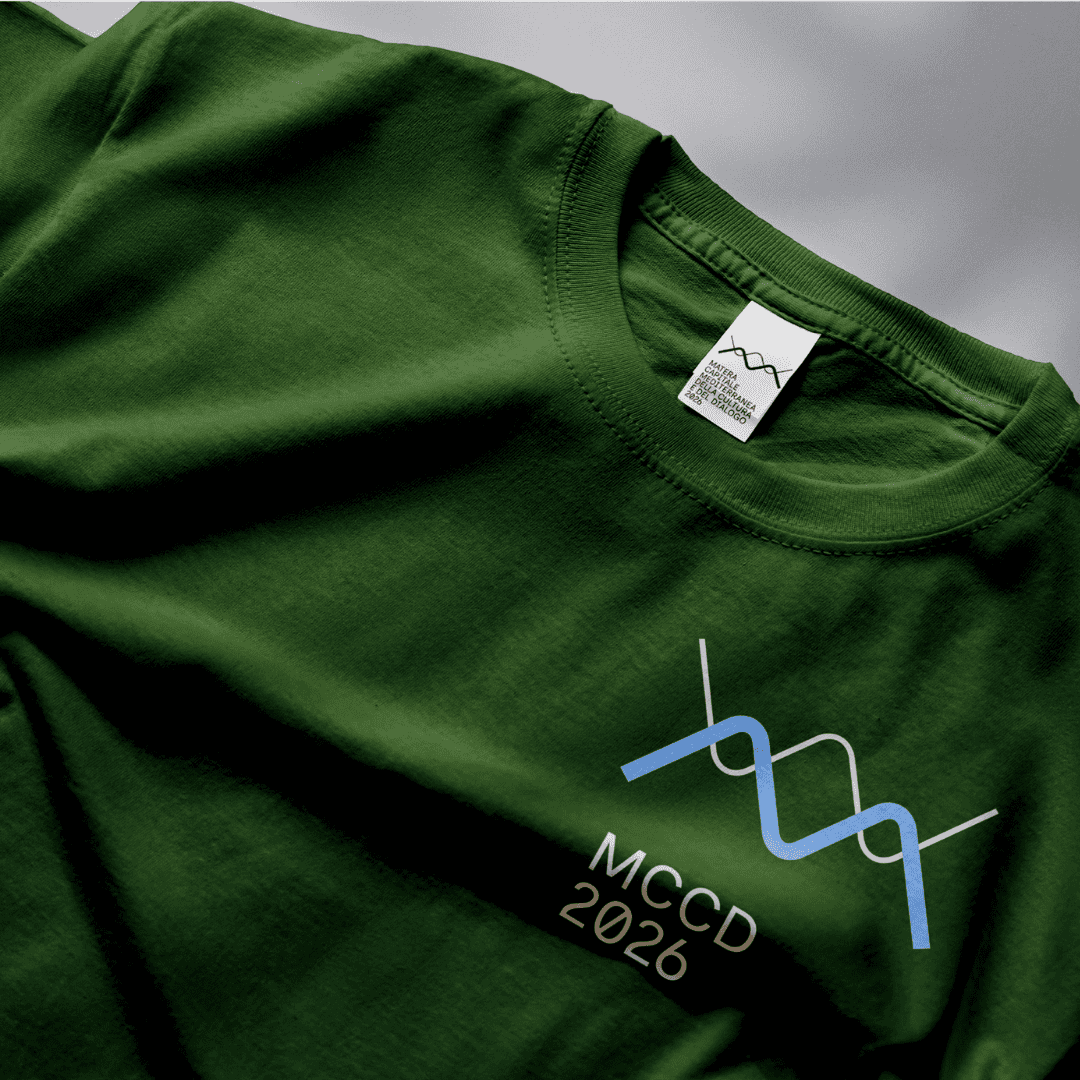
Here is the official logo of Matera Mediterranean Capital of Culture and Dialogue 2026 that is the result of a public call launched in collaboration with AIAP – the Italian Association for Visual Communication Design.
The logo was selected from among 80 proposals submitted by Italian and international design studios, evaluated by a panel of experts. Five finalists were invited to develop full projects. The competition also required the active involvement of young professionals under 25 as part of the creative teams.
The sign
The logo was designed by studio FM milano. At first glance, it appears as the letter “M”, but it quickly reveals itself to be much more: a universal, fluid, essential, and modular sign. Its strength lies in its ability to contain multiple meanings without losing any.
The logo’s key feature is its double curved profile. Two lines run parallel, intertwining and touching – evoking a sound wave. This movement expresses the idea of dialogue: a continuous exchange, a vibration crossing languages, cultures, times, and territories.
These same curves can also be read as geographical reliefs, marine horizons, or geological layers – visual elements that recall Matera, the Mediterranean, and a history made of sedimentations and crossings.
In this way, the “M” is not only the initial of Matera, but also a visual synthesis of a complex and layered territory, and a symbol of a shared and evolving project.
A dynamic identity
The visual system that accompanies the logo is designed to be dynamic, accessible, and contemporary.
The shape of the “M” is modular: it can be compact or expanded, expressing different degrees of message intensity – from a whisper to a call.
The colour palette is inspired by the Mediterranean scrub: deep, earthy, plant-based tones that evoke the atmosphere of the South. The chosen typeface, Inclusive Sans, ensures readability and accessibility, even in digital environments.
The identity is completed by a set of icons and a flexible visual system, adaptable to the wide range of cultural communication formats to come.