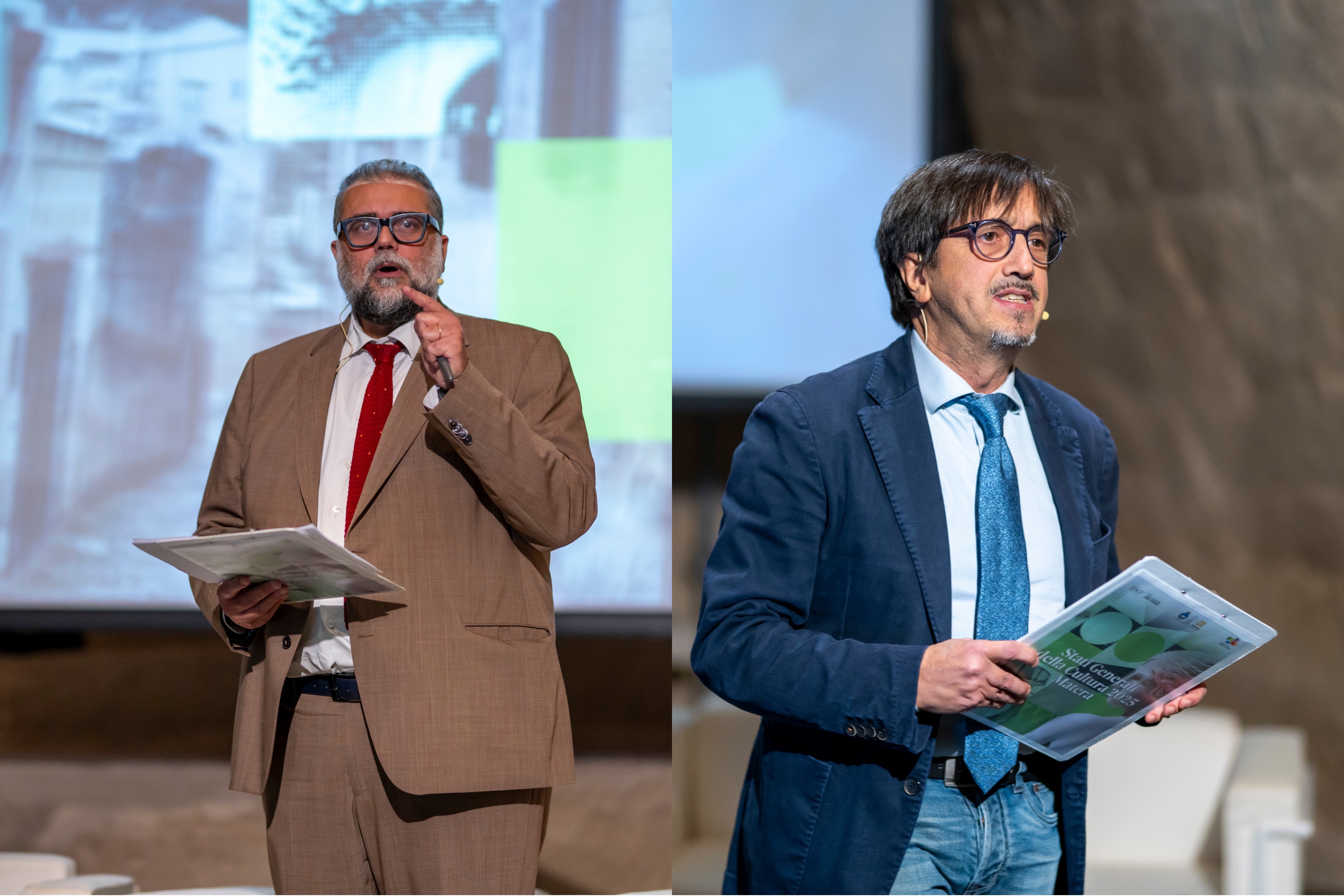
Stati Generali della Cultura 2025: Matera concludes the journey with a shared look at today’s Mediterranean
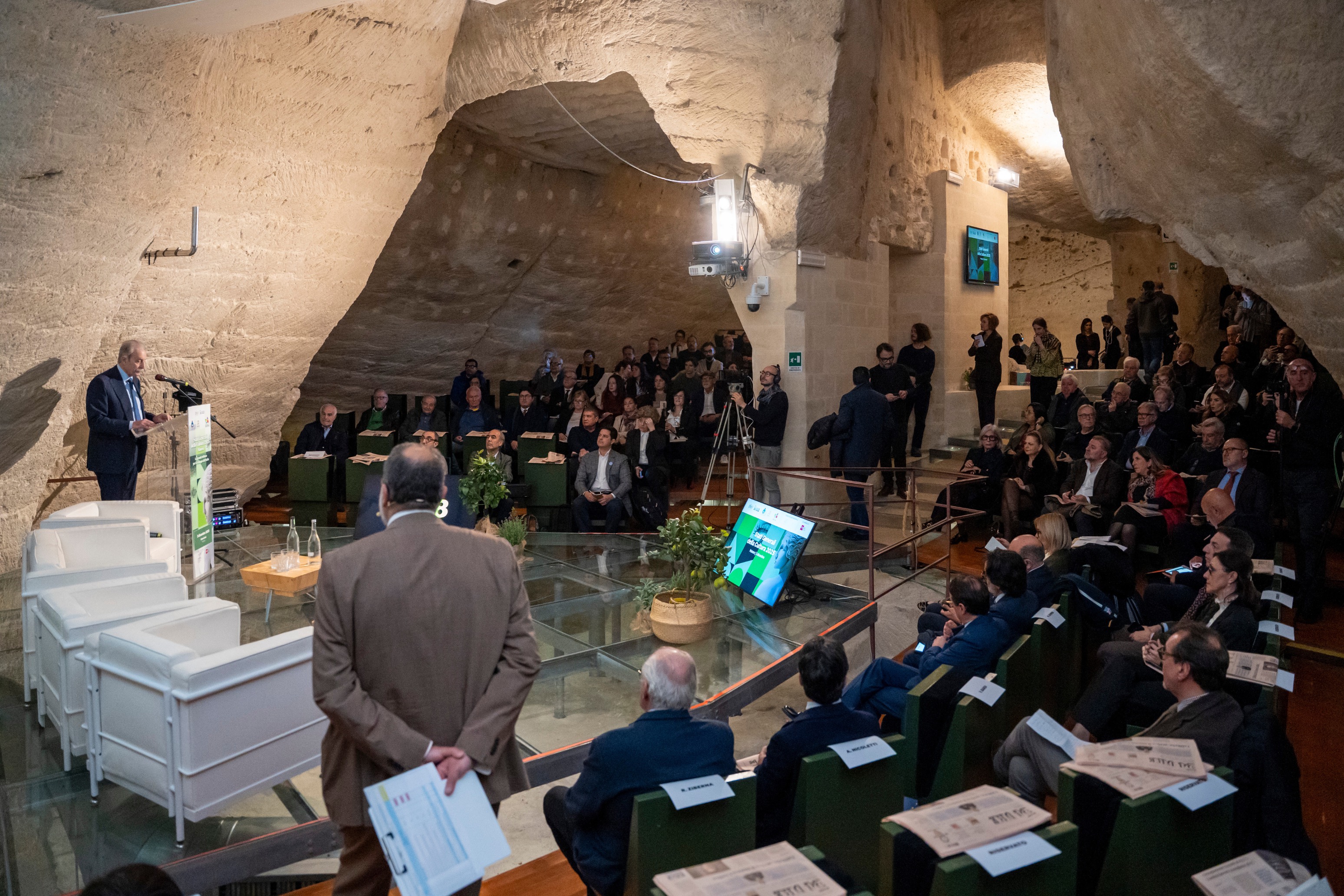
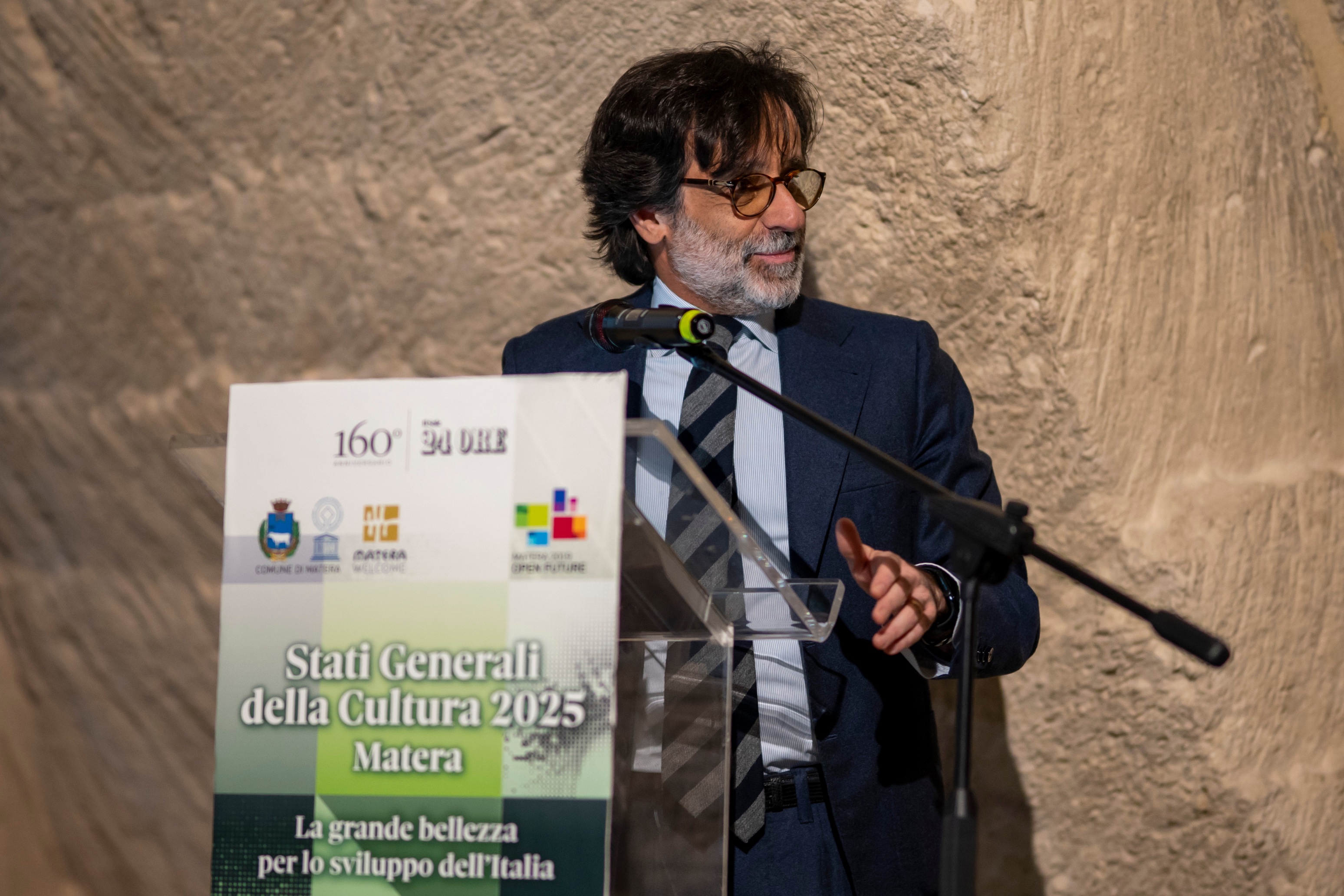
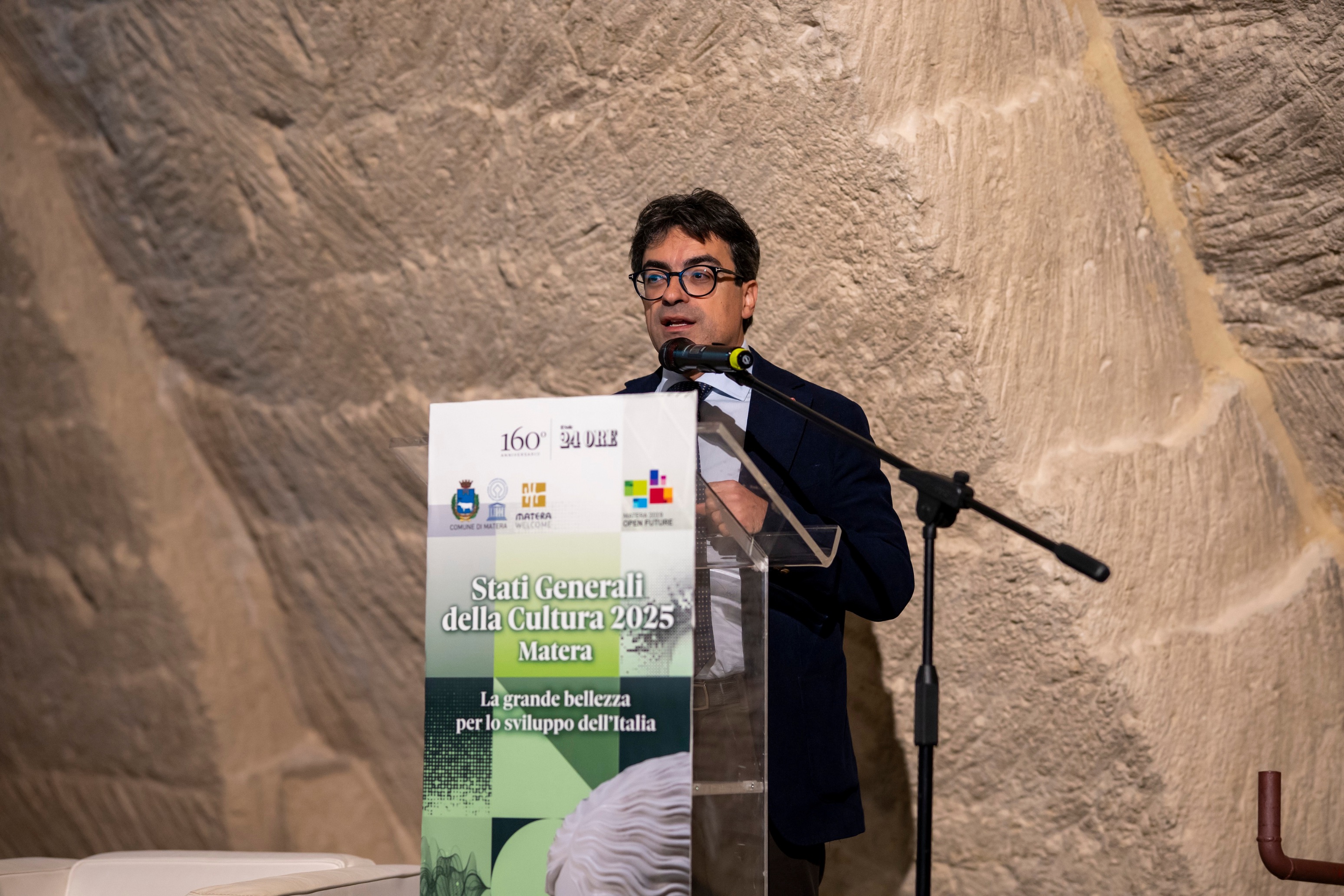
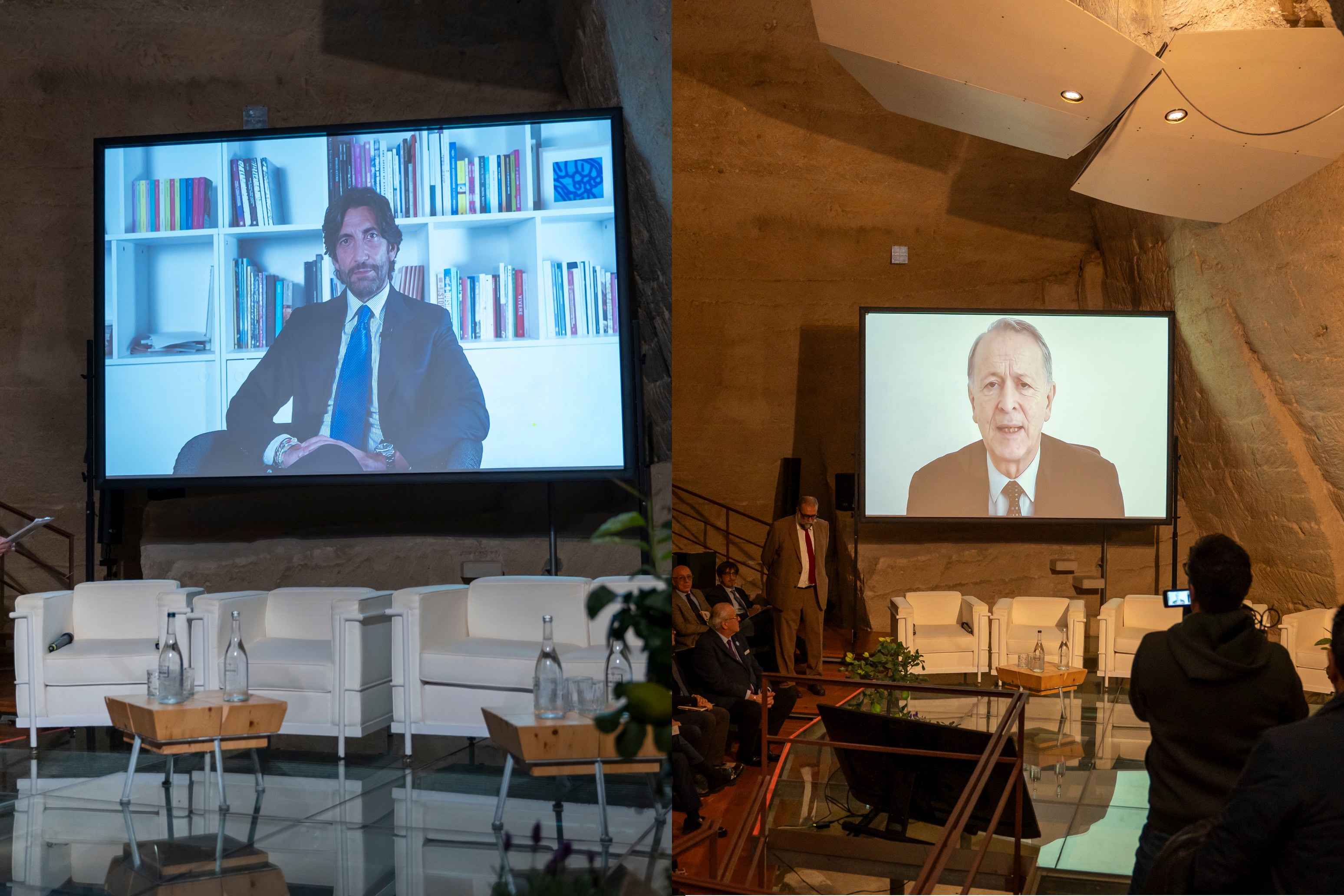
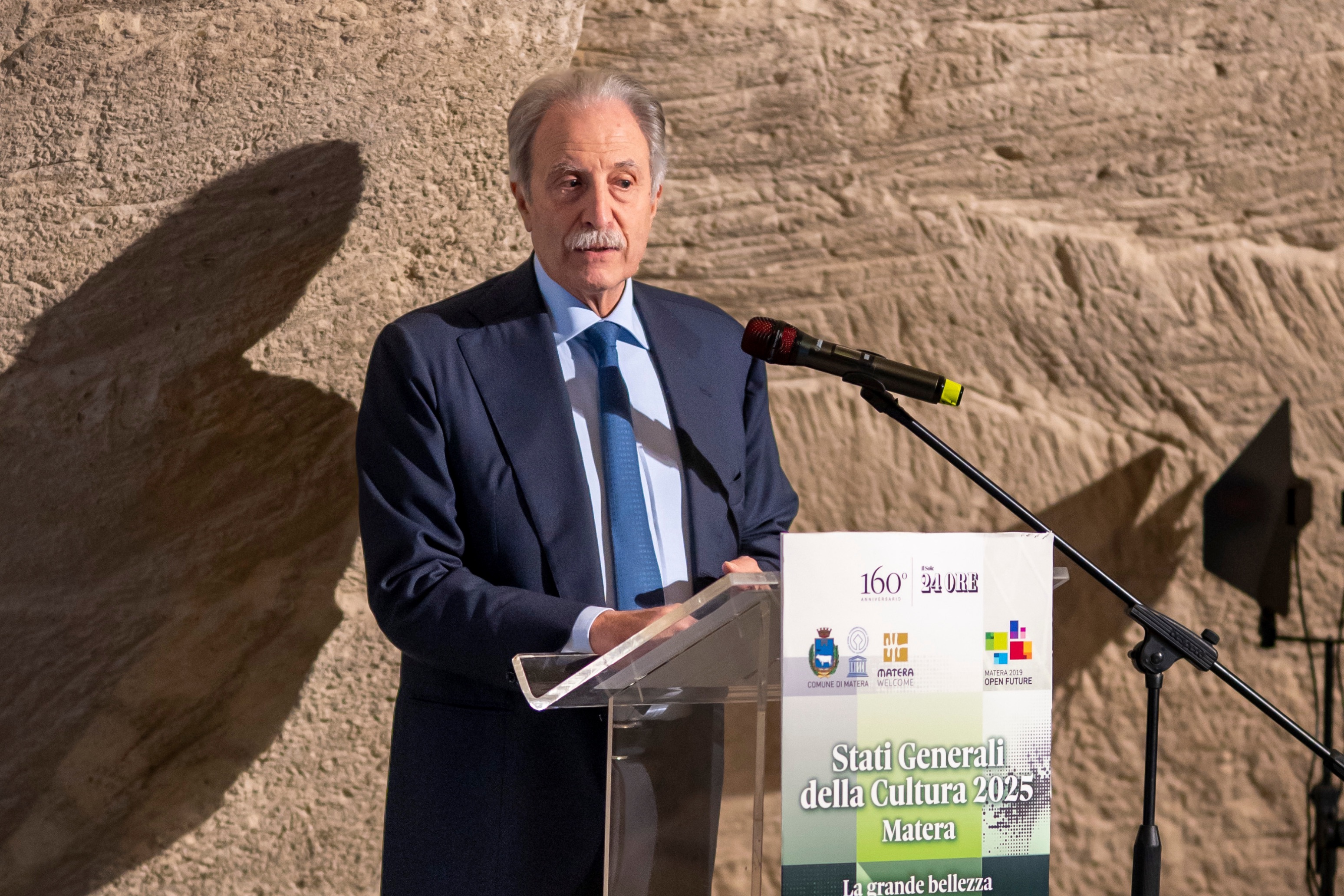
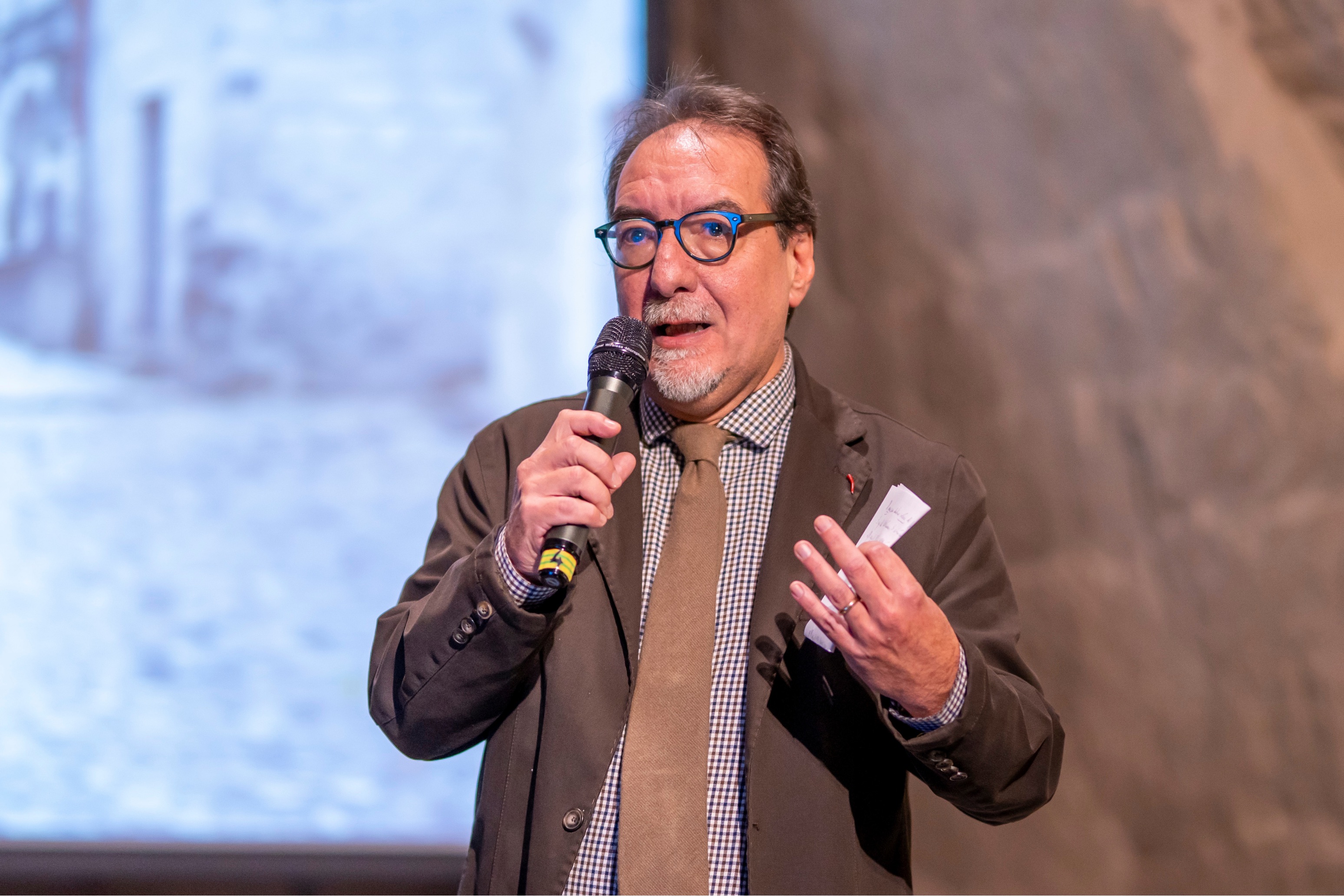
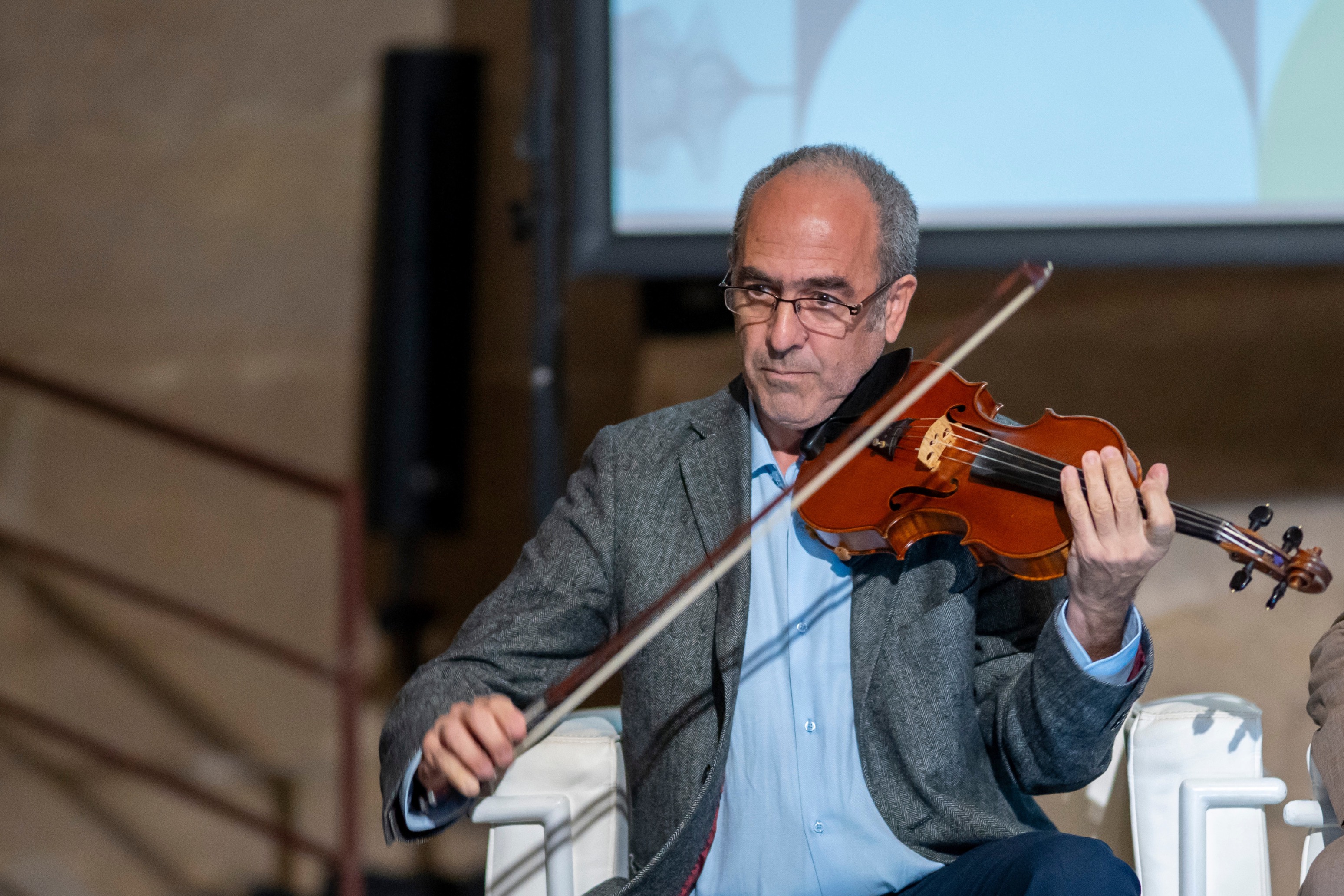
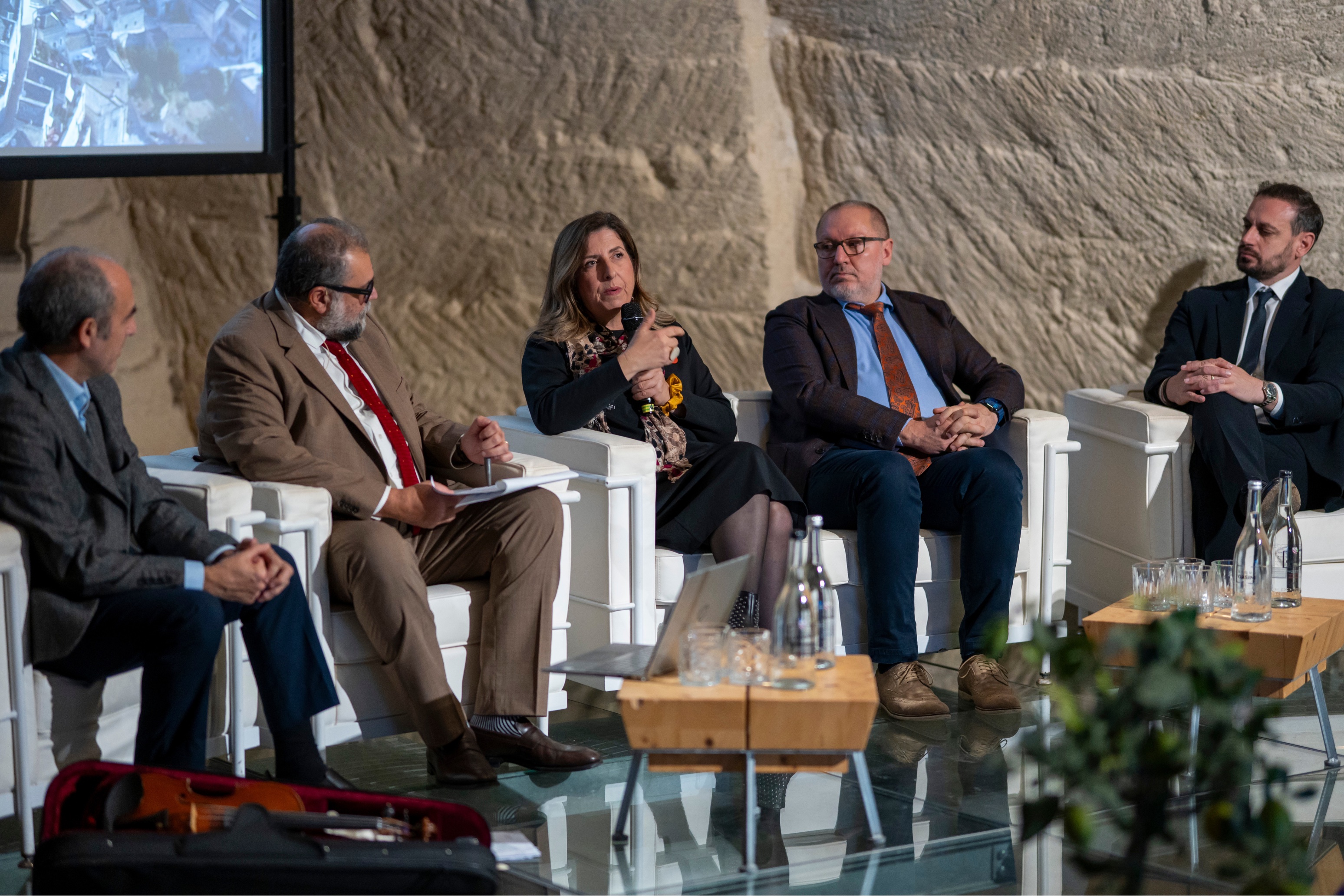
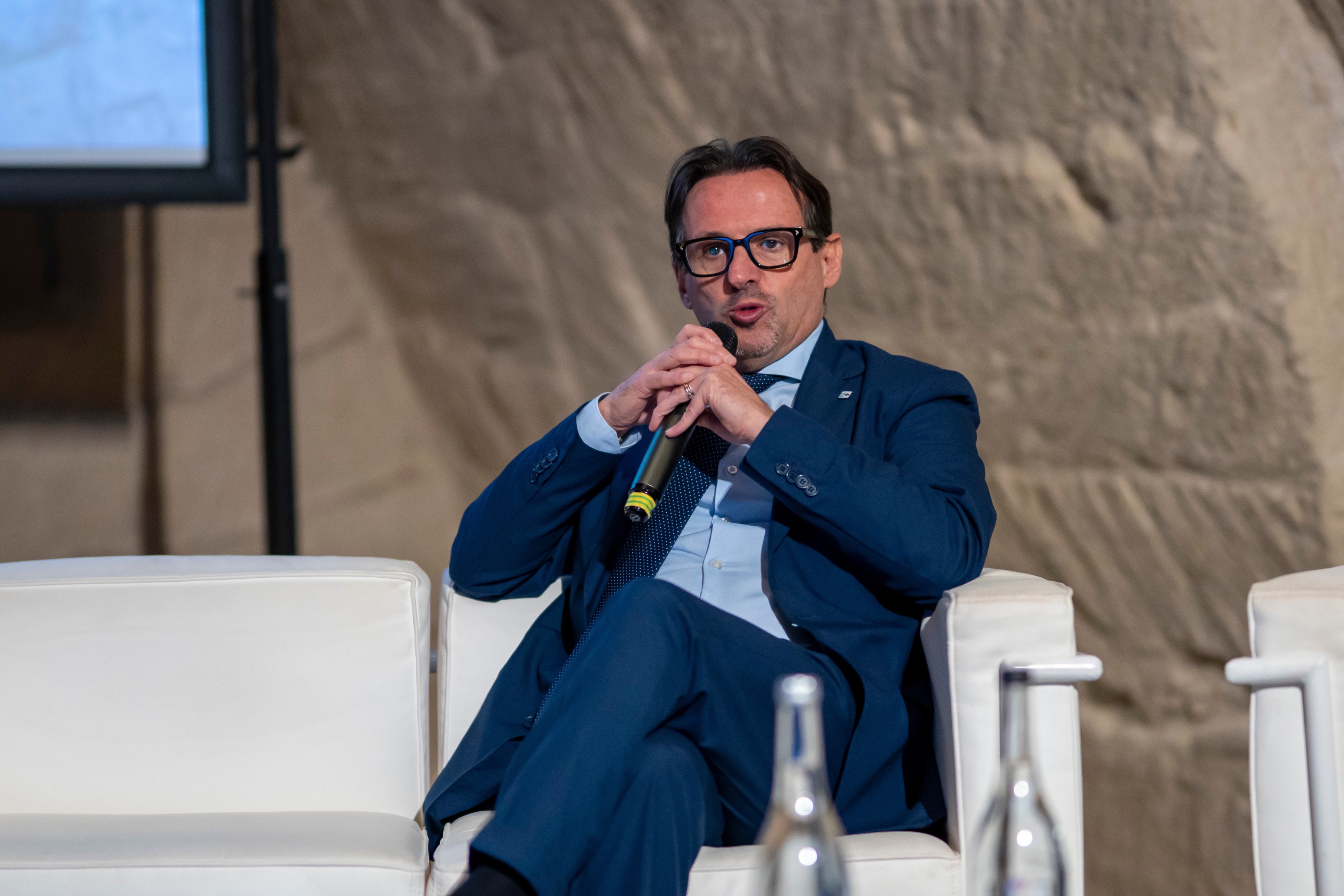
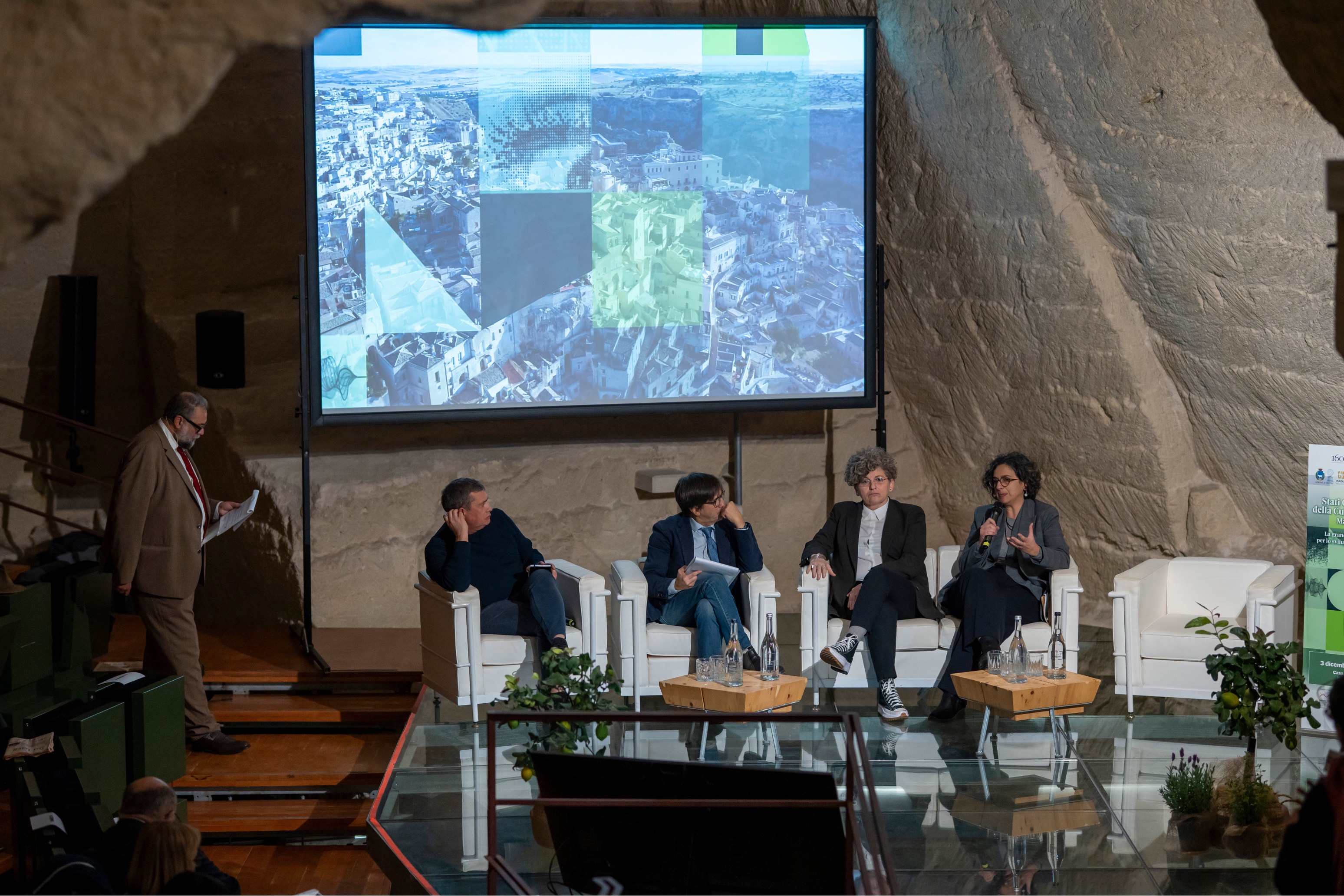
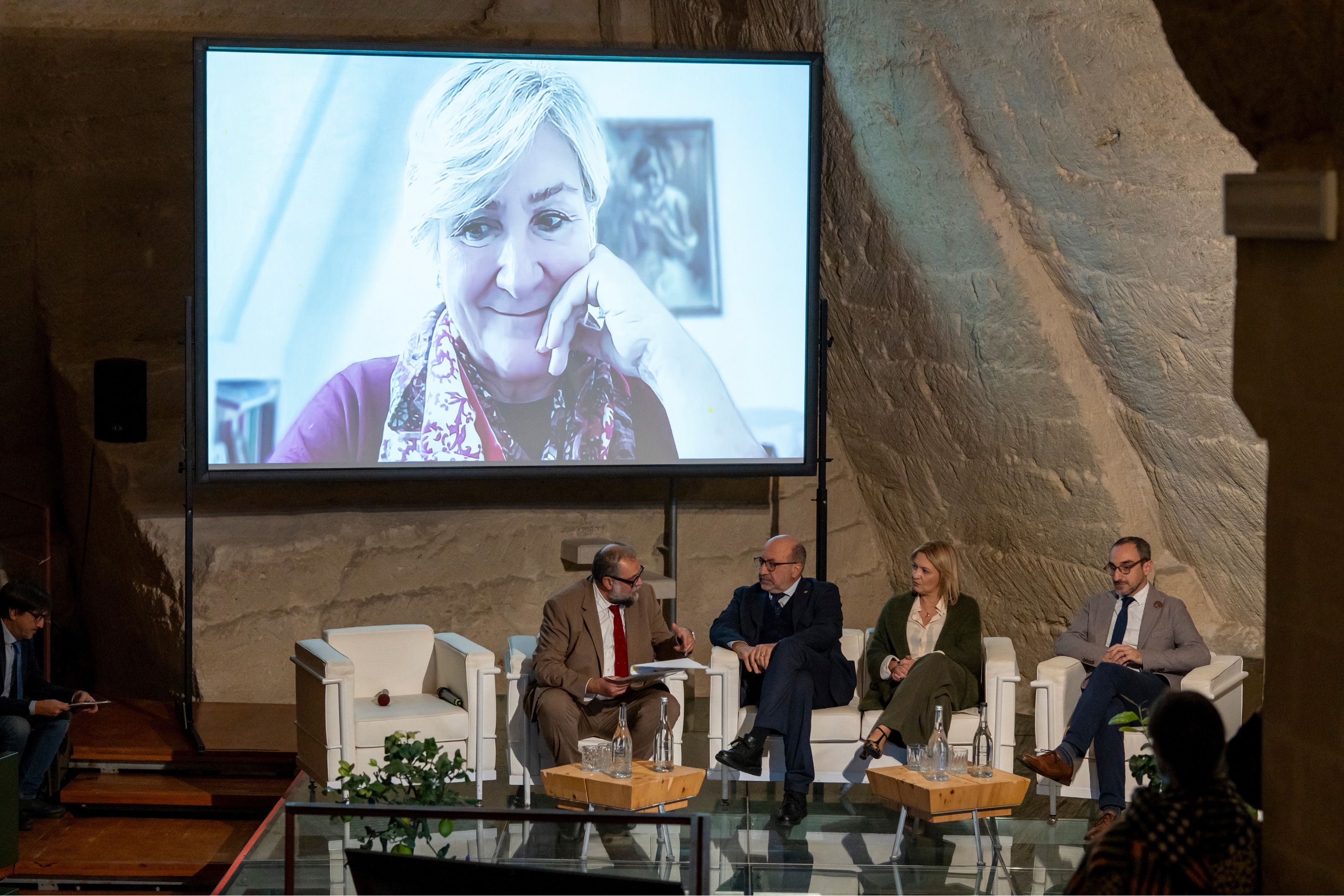
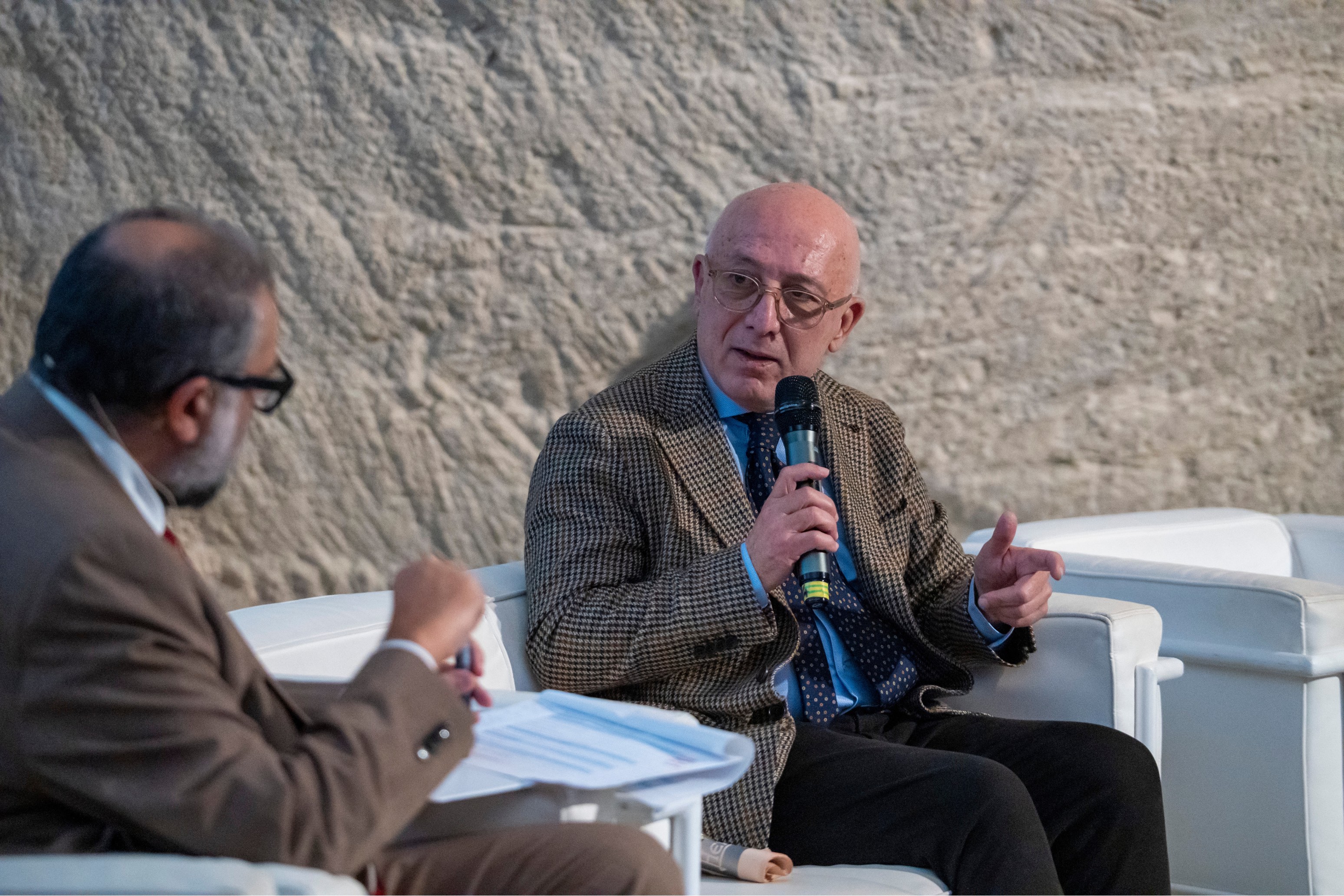
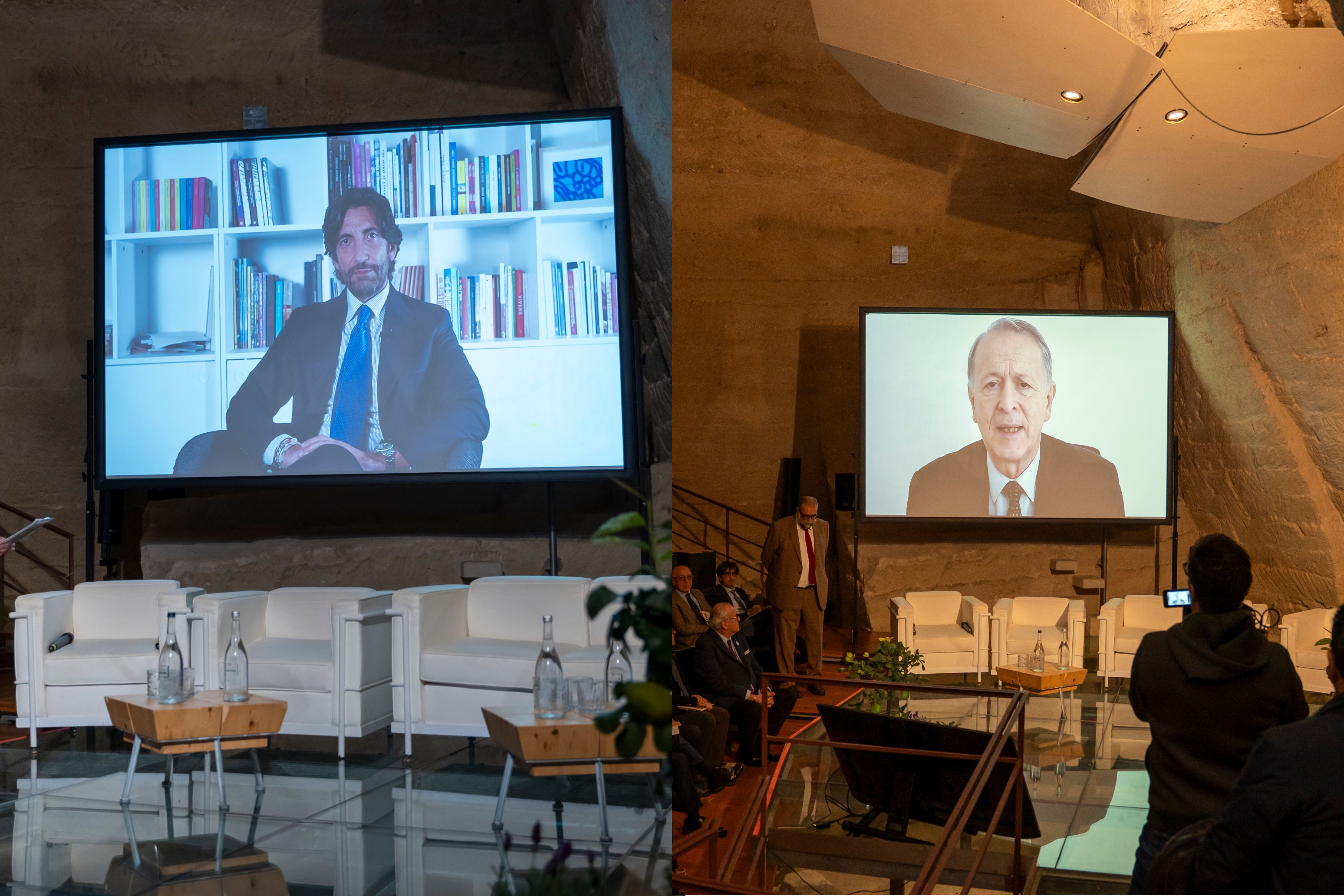
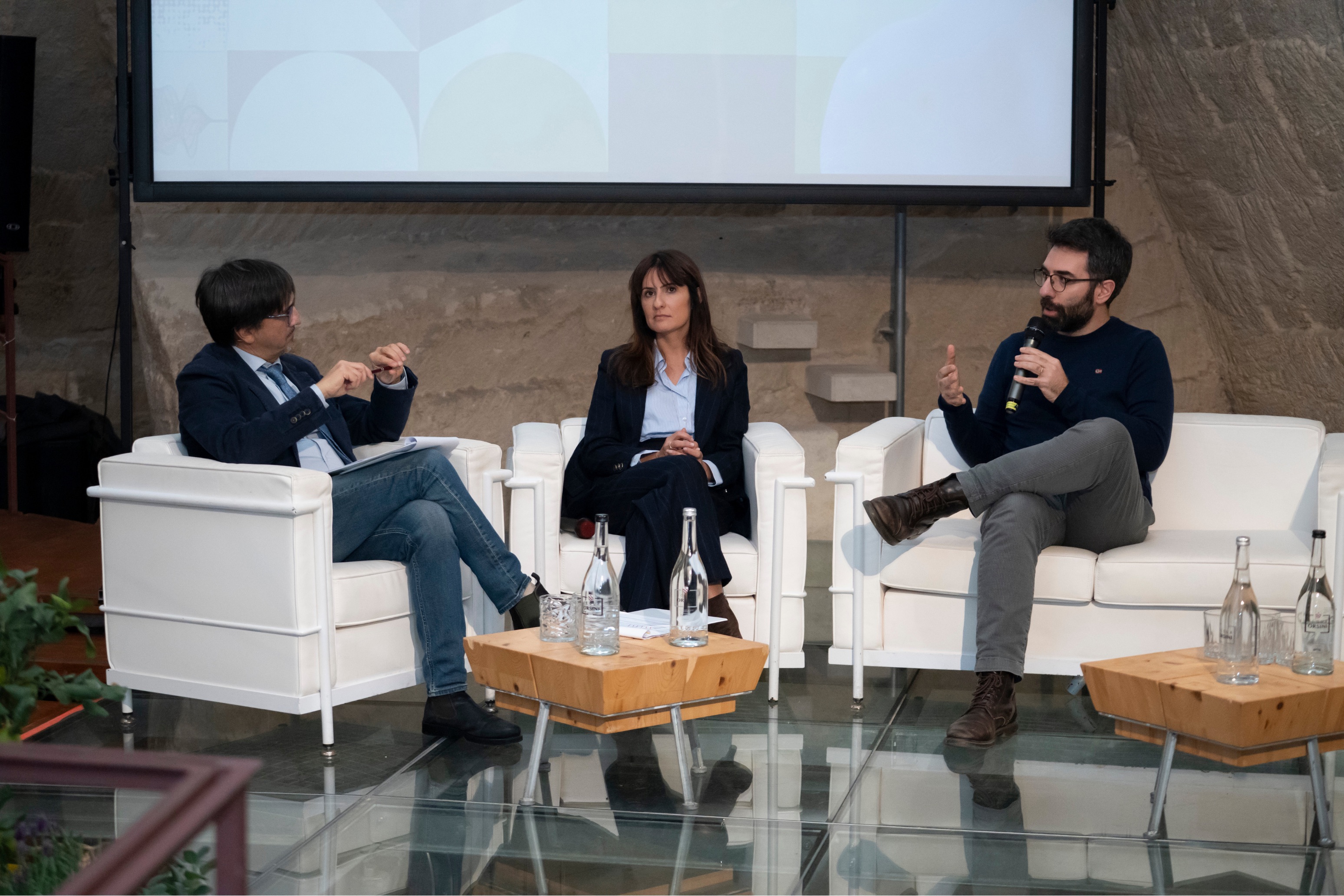
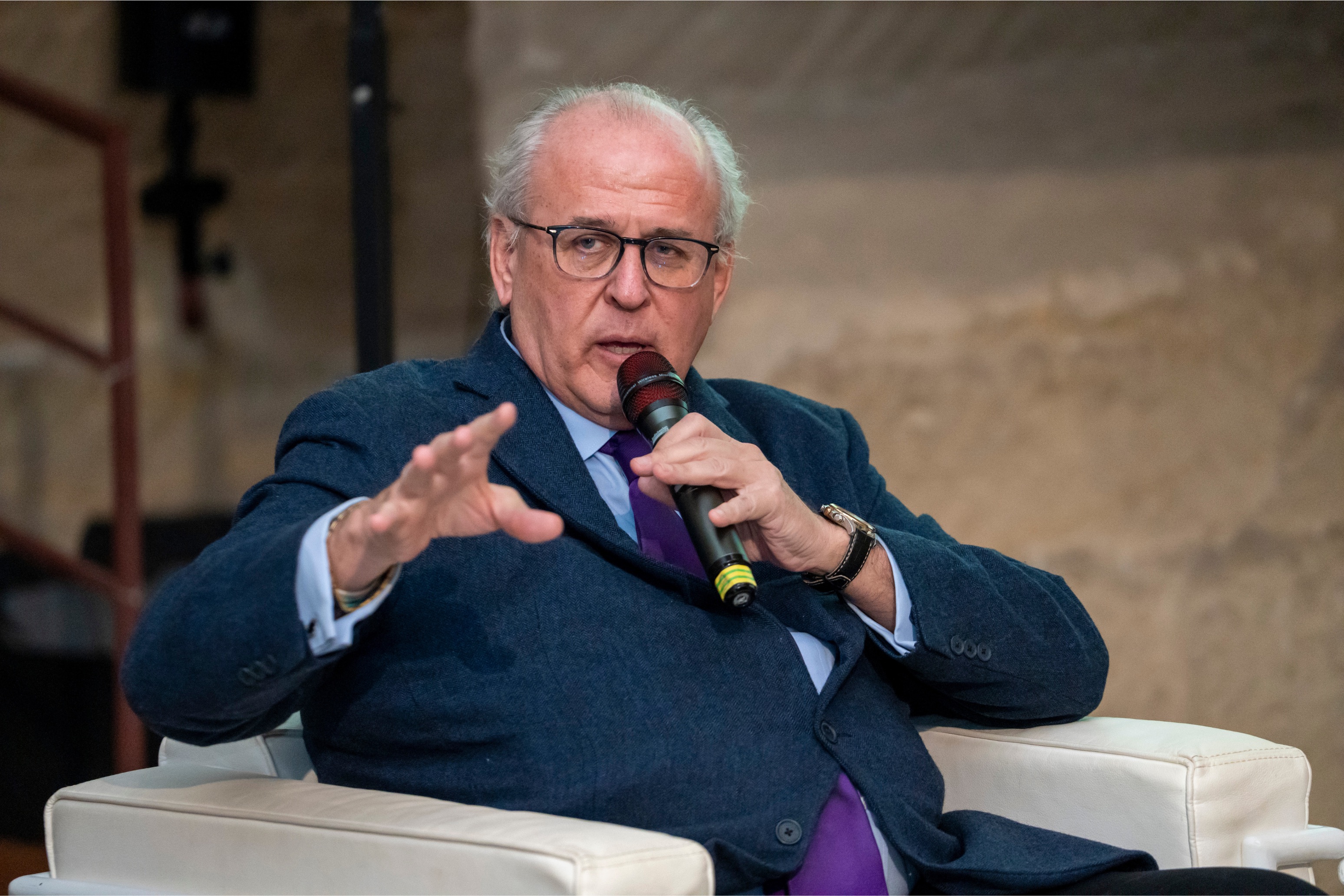
The final stage of the Stati Generali della Cultura took place in Matera on 3 December, in the evocative spaces of Casa Cava. It was an intense day, marked by contributions and perspectives that conveyed the image of a living, complex Mediterranean — defined more by continuity than by boundaries. Scholars, administrators, researchers, artists and institutional representatives composed a mosaic of voices that described how cities — large and small, coastal and inland — are working today to redefine their place within this wider scenario.
From the very beginning, a shared awareness emerged: the Mediterranean is not simply a sea or a dividing line, but a network of passages, routes and memories that continue to shape territories and communities. The morning sessions brought to light histories and dynamics that run through the Euro-Mediterranean area, showing how these layers still influence contemporary identities.
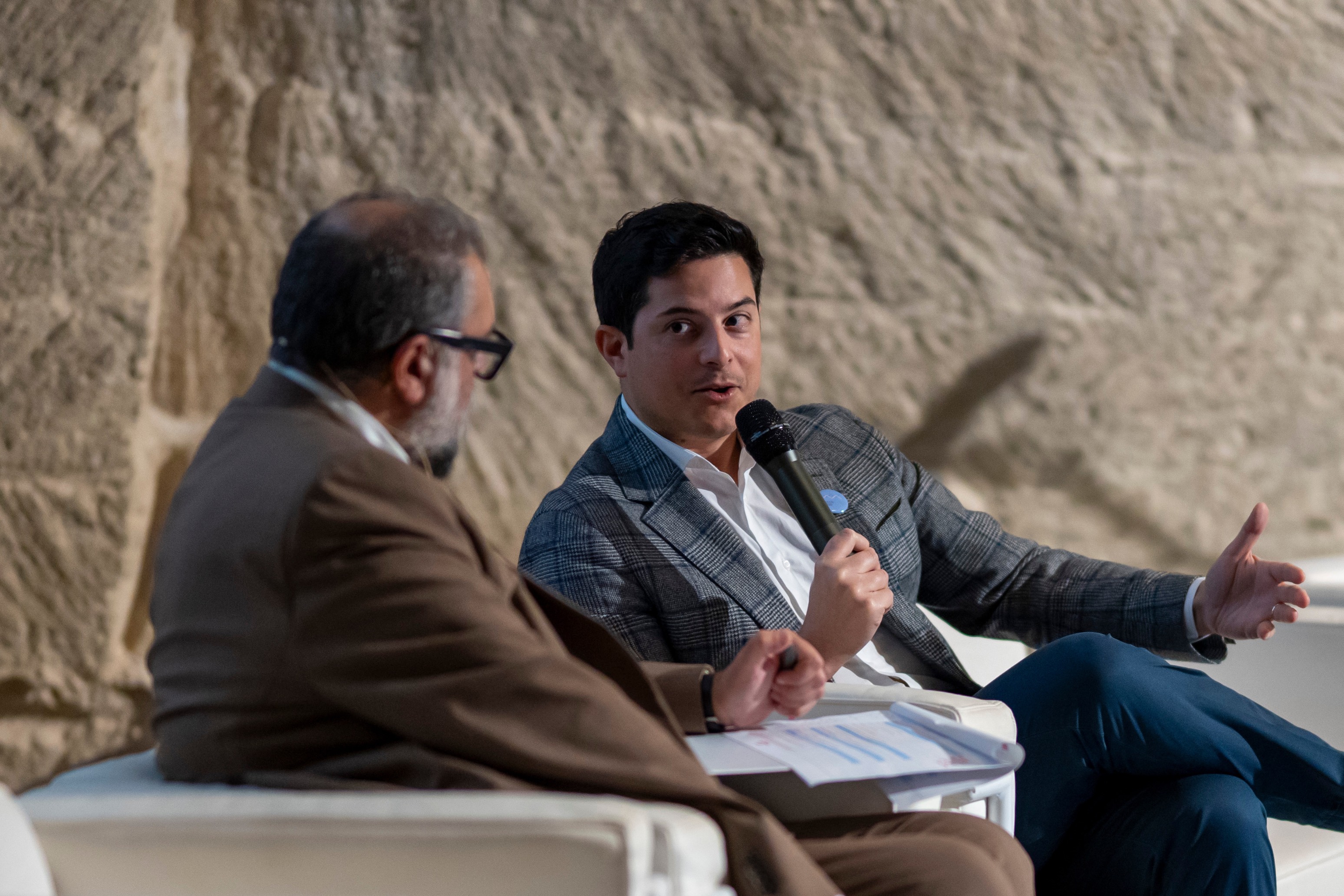
The session dedicated to shared cultures focused on themes that have long accompanied the work of the Foundation: the value of relationships between territories, the importance of building solid and inclusive networks, the search for new forms of cultural cooperation. Many of the speakers were figures with whom the city and the Foundation have shared reflections, projects or longer paths over time; their presence highlighted continuity as much as new insights.
The discussion on cultural welfare illustrated how culture can concretely contribute to people’s quality of life — strengthening social ties, countering loneliness, and generating well-being. This topic resonates strongly in the Lucanian context, where in recent years several municipalities and institutions have launched initiatives that weave together personal services and cultural practices.
In the afternoon, attention shifted to cities as places of continuous cultural planning. From Matera to Bari, from local networks to international collaborations, speakers presented experiences showing how culture can become a stable part of administrative processes and daily community life. Matera and Gorizia — both engaged in European and international cultural pathways — offered reflections that linked institutional responsibilities, future visions and opportunities for cooperation.
The day concluded with the screening of Mediterraneo, the official video of Matera Mediterranean Capital of Culture and Dialogue 2026, directed by Alessandro Rak and produced by Riva Dei Ginepri Production and Mad Entertainment Spa for MaTiFF – Matera International Film Festival. The film offered a visual narrative capturing the essence of a Mediterranean that connects, preserves traces, and recomposes memories into new imaginaries.
The gathering at Casa Cava provided the Foundation with yet another opportunity to listen, connect and bring diverse expertise into conversation. A step that propels the journey toward 2026: a path that will continue to weave together research, proximity and openness, looking toward a Mediterranean capable of generating shared visions and meaningful processes of transformation.
The full programme and panel recordings will be available on the website of Il Sole 24 Ore: https://24oreventi.ilsole24ore.com/stati-generali-della-cultura-2025-matera/