
Matera 2019 – Open Future

Before 2019, Matera was a promise.
A city known for its ancient beauty, yet still perceived as peripheral compared to Europe’s major centers. The question was simple and radical: can a medium-sized city do more than host culture—can it produce it?
The bid to become a European Capital of Culture was born from this very question. The project presented by Matera proposed a model based on widespread, participatory creative production rooted in the community, capable of enhancing local places, skills, and energies while connecting them with artists and institutions at national and international levels.
This process began well before 2019. It took shape during the years of the candidacy and was consolidated after the official designation in 2014, thanks to the joint work of local, national, and international institutions, the Matera-Basilicata 2019 Foundation, cultural operators, and a community that gradually came to recognize culture as a tool for transformation and openness toward Europe.
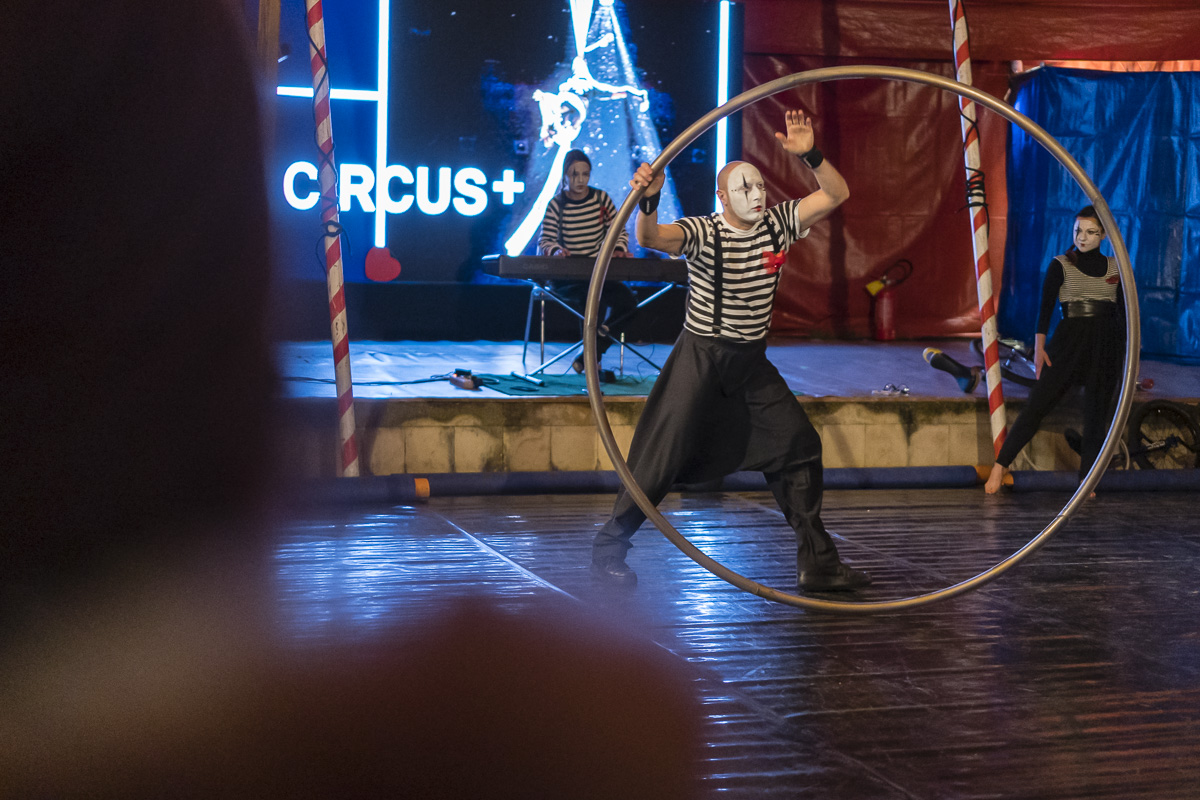
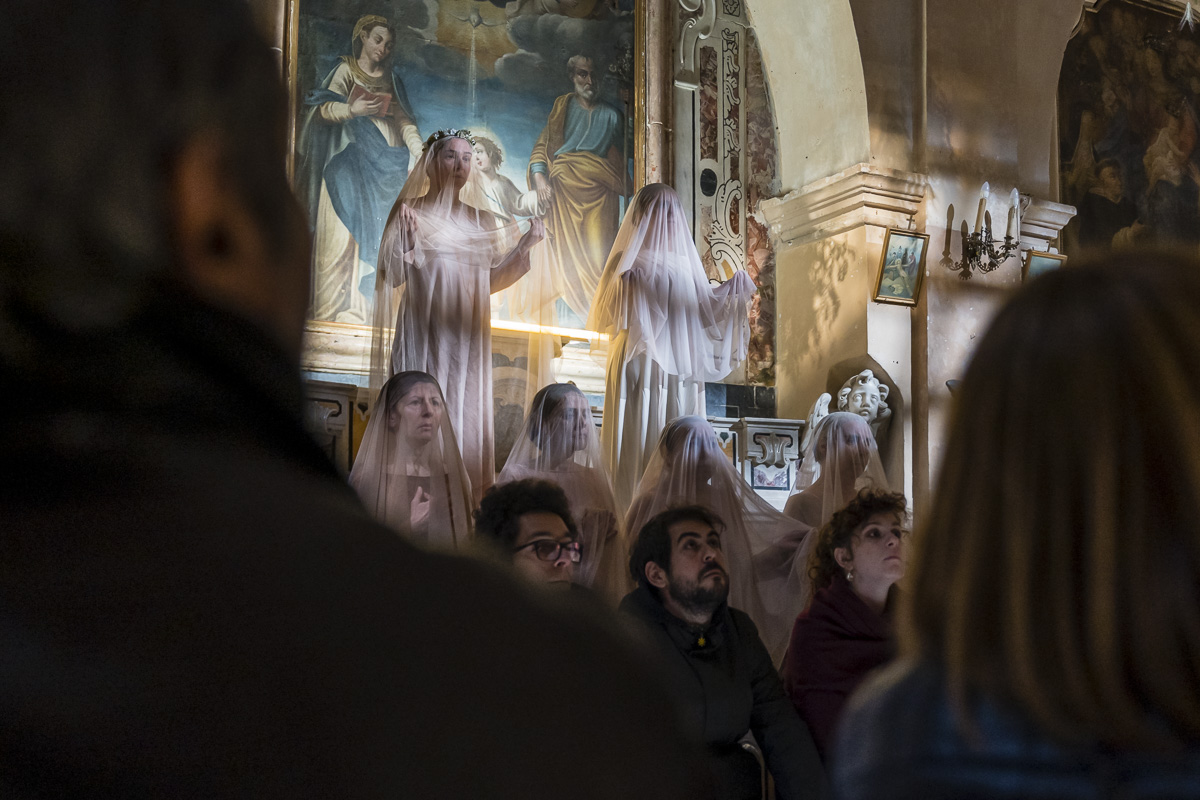
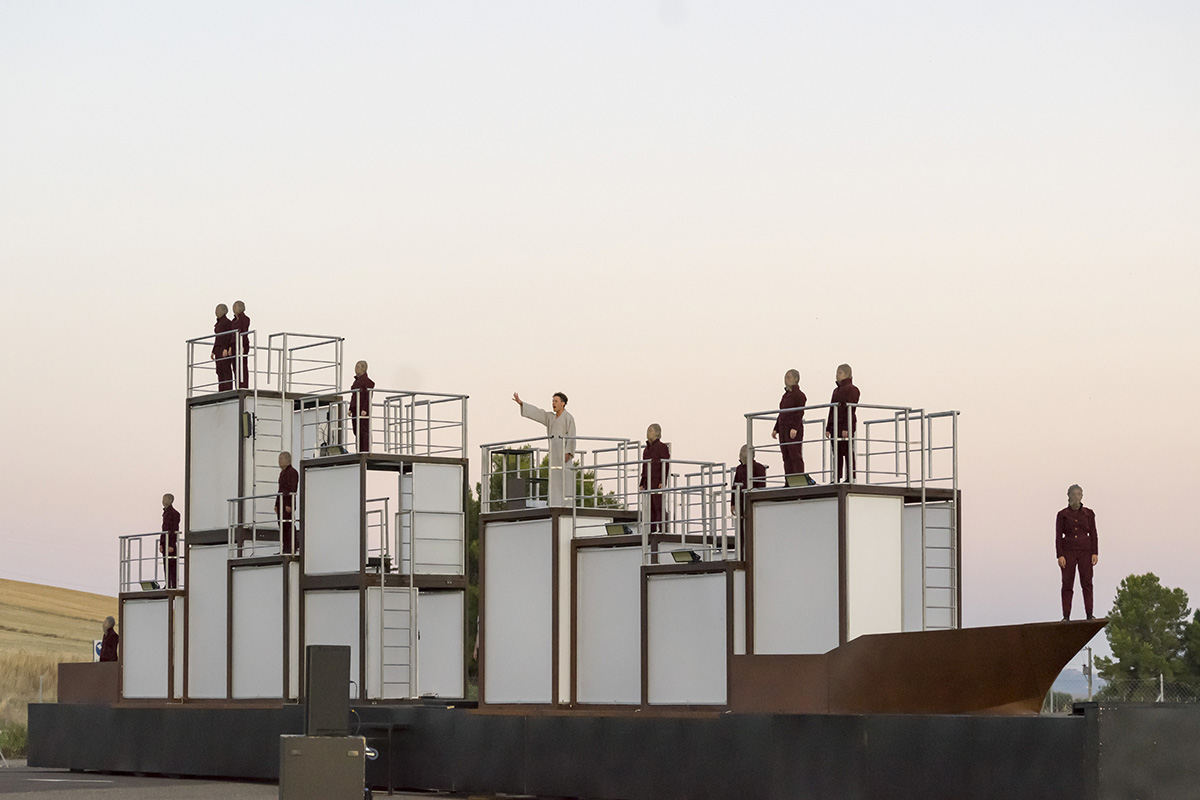
2019 was the moment when that vision took form. Not a simple calendar of events, but a year of collective creation. Out of 77 productions, 62 — 80% — were created here, conceived and produced specifically for this time and these places. It was a bold choice: not only to host existing performances, but to create new works, embracing the risk of originality. It meant affirming that Matera was not merely a backdrop, but a workshop.
The creative scene of Basilicata played a central role. Twenty-six productions were entrusted to local operators who worked side by side with Italian, European, and international artists. From these collaborations came 330 original outputs, including films, theatrical performances, installations, and concerts. Not simply events on an agenda, but works capable of continuing to live and circulate beyond 2019.
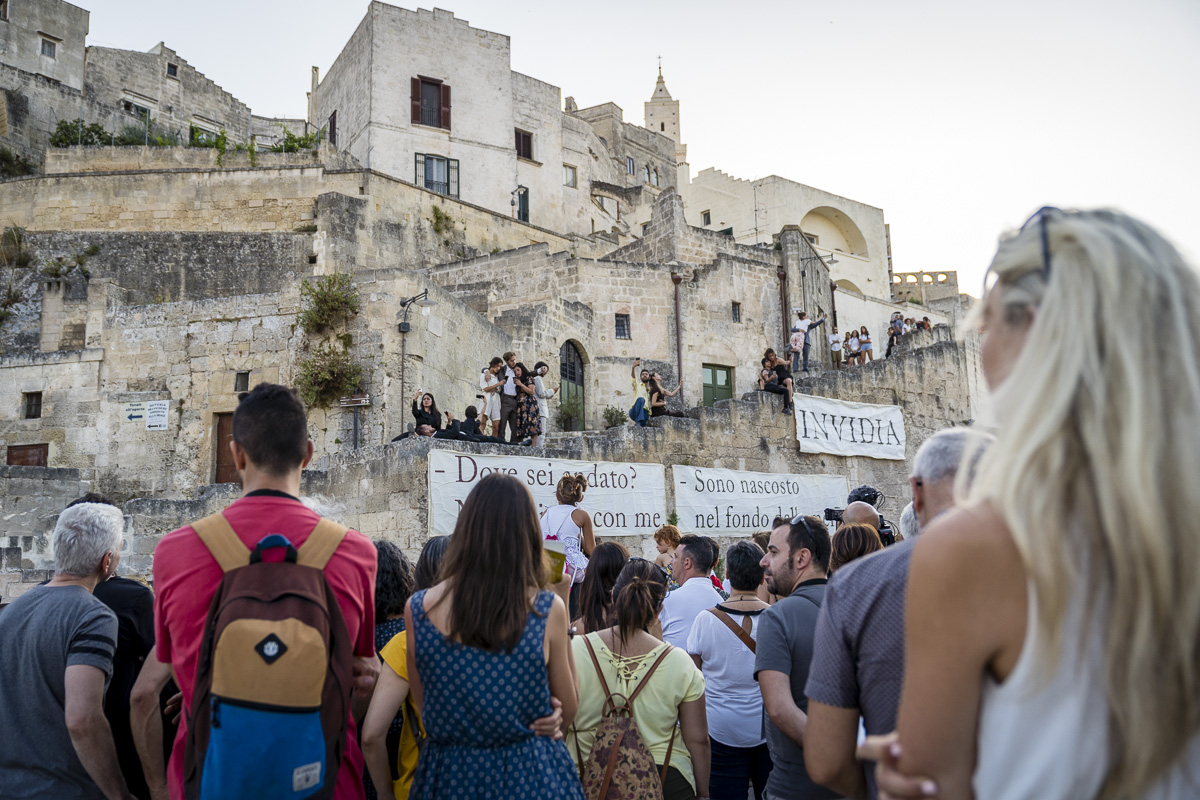
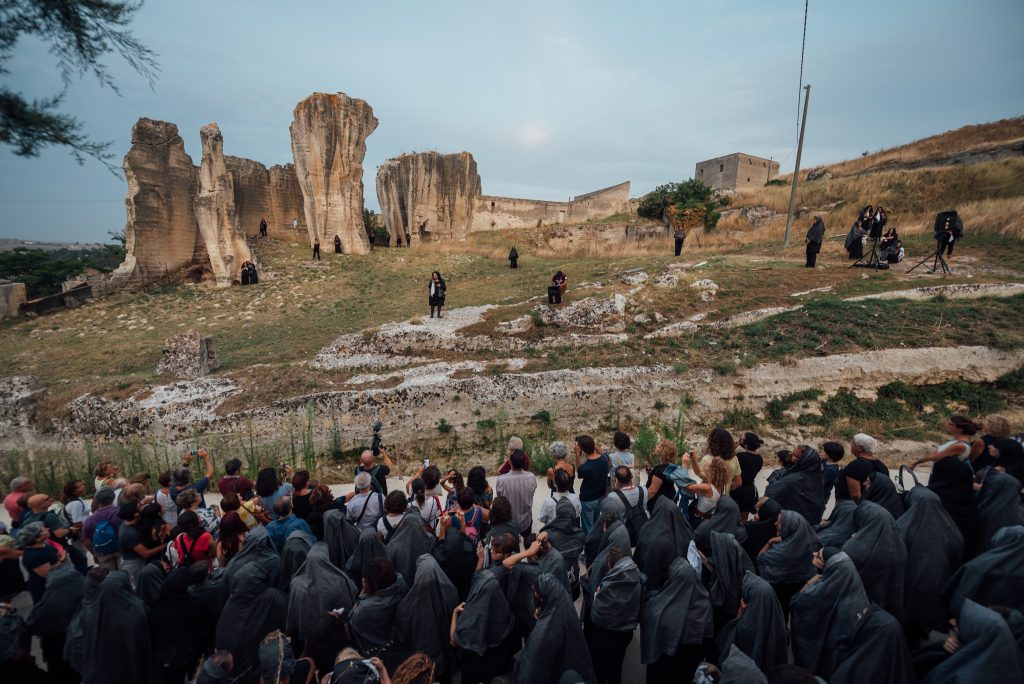
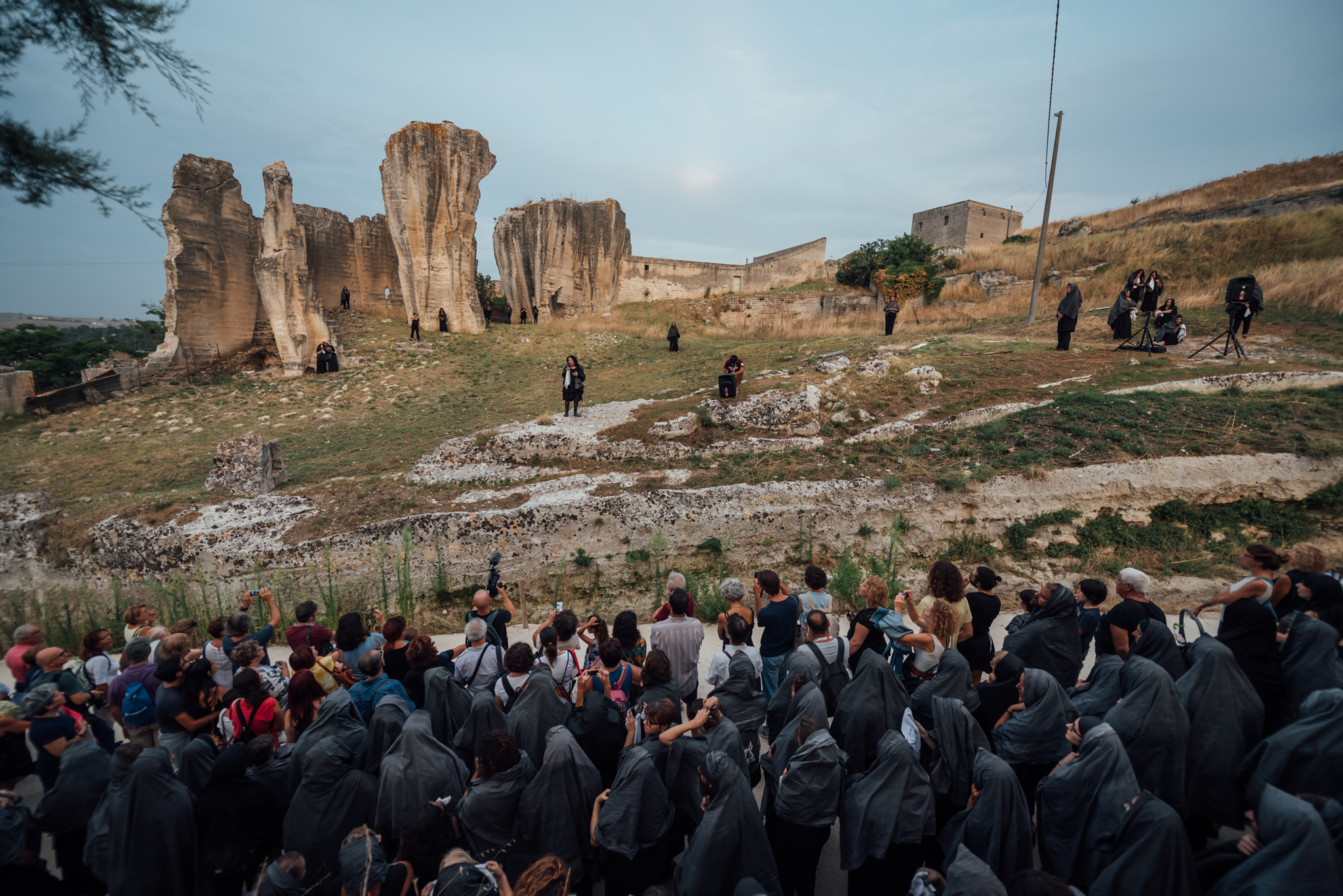
Around this core something even larger developed. The official program generated more than 1,200 events, while the territory simultaneously responded with over 1,210 independent initiatives: associations, communities, and informal groups that felt empowered to contribute. It was the moment when culture moved beyond its traditional venues and spread into neighborhoods, quarries, and villages.
Matera led this journey, but the entire Basilicata region played an active part.
About one third of the events took place in other municipalities across the region. All 131 towns in Basilicata were involved through distributed projects; 126 municipalities participated in “Capital for a Day,” creating 139 events. International artists worked in small towns and in inland areas affected by depopulation, leaving tangible traces and lasting relationships. In this way, the entire region became both stage and laboratory, within a network of connections that reduced the geographical and symbolic distance between center and periphery.
The scope was international, but never superficial. Nearly 1,500 artists from 37 European countries and from every continent came to Matera and Basilicata. A total of 421 artistic residencies were realized: extended stays that enabled authentic dialogue with local communities. Sixty-seven percent of the productions had an international dimension. Not a showcase, but a fabric of relationships. The works created in 2019 began to travel to other contexts: 90 distributions across Italy and abroad, demonstrating that what was created here had a strength of its own.
Yet perhaps the most significant figure lies not in the numbers of production, but in those of participation. More than 57,000 citizens took an active role in the projects. Five hundred and ninety volunteers, of all ages, contributed to the realization of more than 300 events. More than 30,000 students were involved in dedicated programs. During the year, 74,424 Passports were sold (a single access pass that allowed participation in the events of the program and, in many cases, entry to affiliated venues and exhibitions), blending residents and visitors into one shared community.
By the end of 2019, what had changed was not only Matera’s external image. Certainly, citizens perceived the city as more international and more widely recognized. But the deeper transformation was internal: the awareness of being able to generate new creative opportunities, to engage with the world without losing one’s roots, and to transform an entire territory into a shared platform.
Matera 2019 left behind a network of relationships, skills, and trust. It demonstrated that even from a geographical margin, a center can emerge—capable of attracting energies, visions, and collaborations.
Open Future, then, is not a slogan. It is a direction: to continue producing content and initiatives in a widespread way, to keep international connections alive, and to make participation a lasting practice.
2019 was a year. But for Matera and for Basilicata, above all, it marked a turning point.
We are working on an archive dedicated to Matera, the 2019 European Capital of Culture. Soon, images and stories here will trace its entire extraordinary journey.


FOLLOW US