
11 November 2026
Mediterranean Playground: Three Days of Traditional and Street Games from Across the Mediterranean
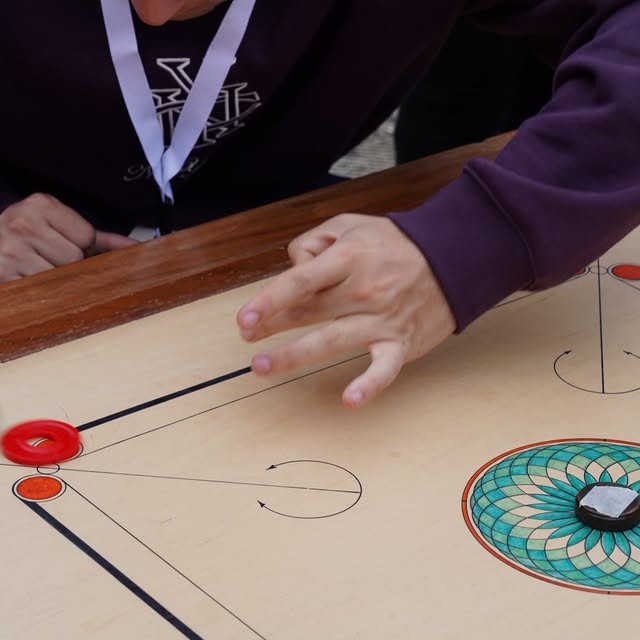
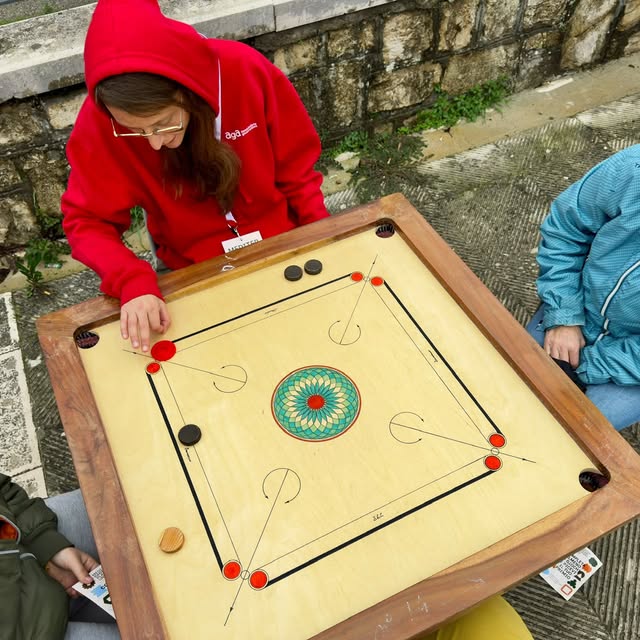
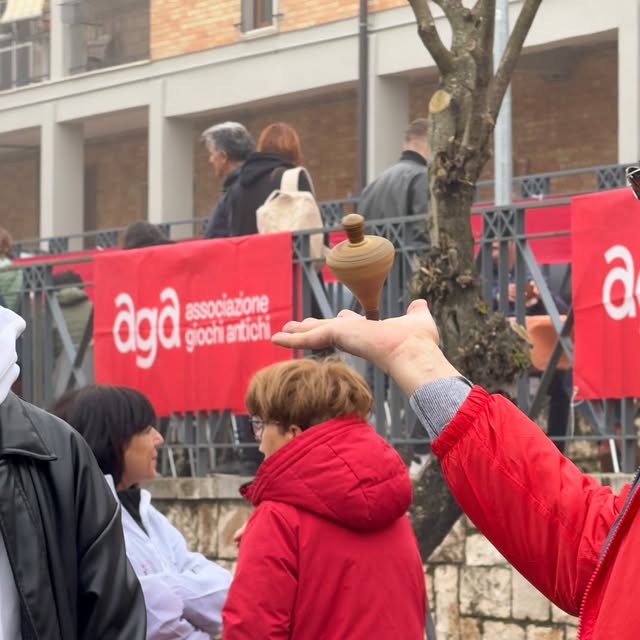
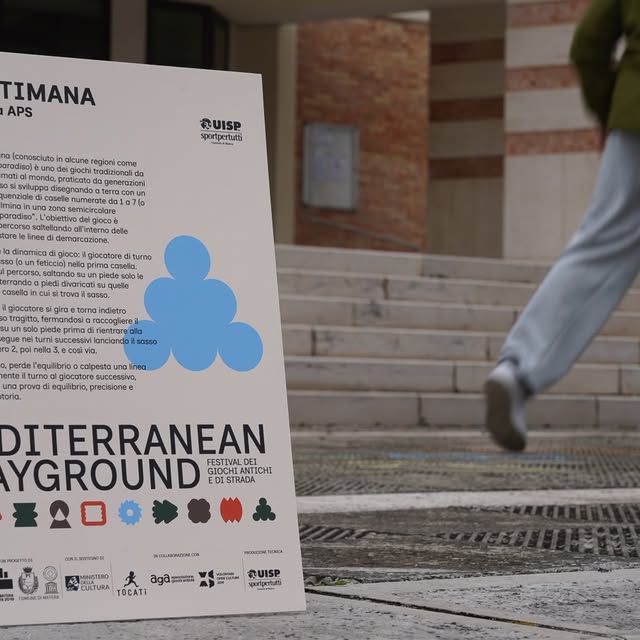
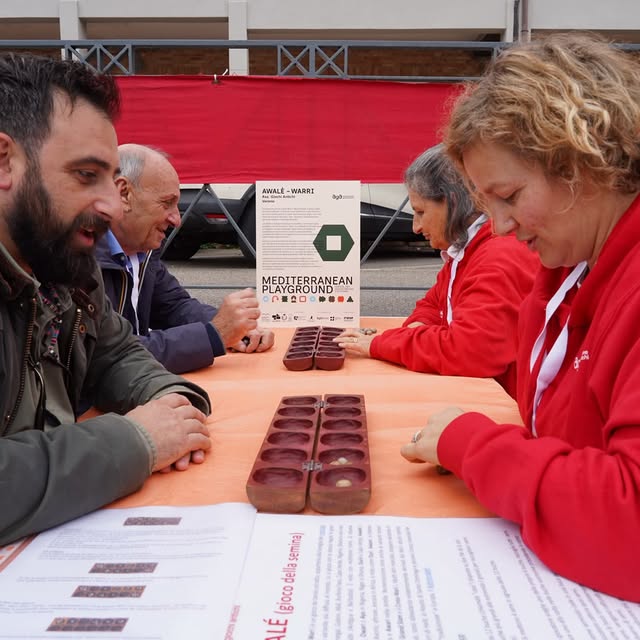
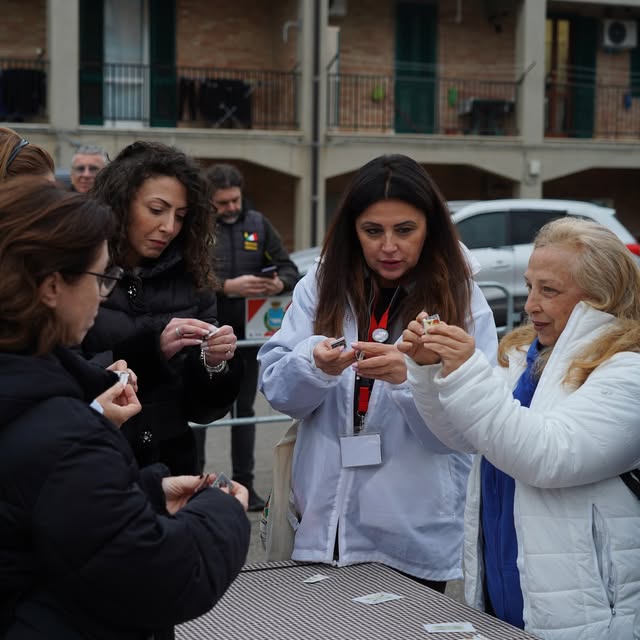
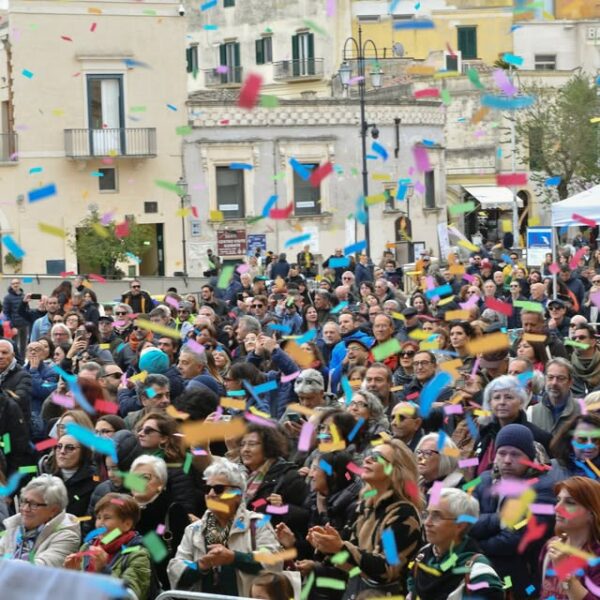
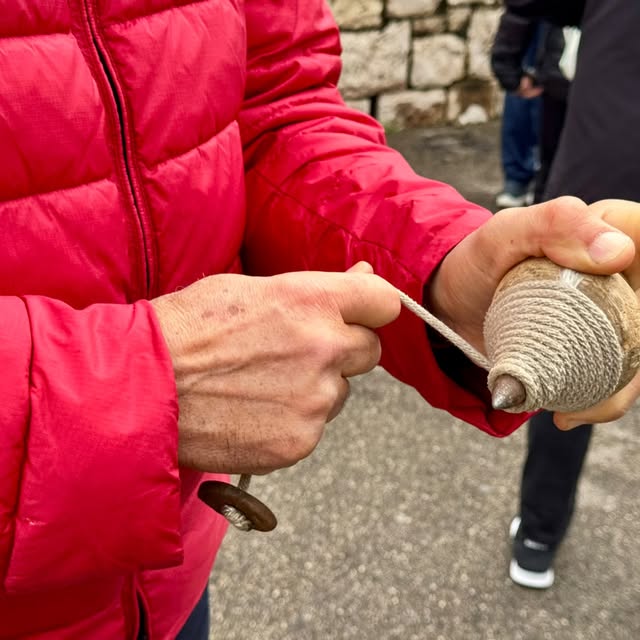
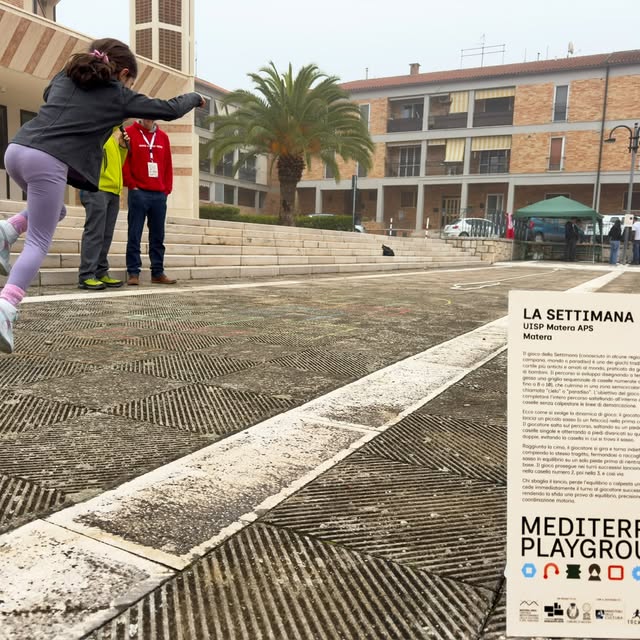
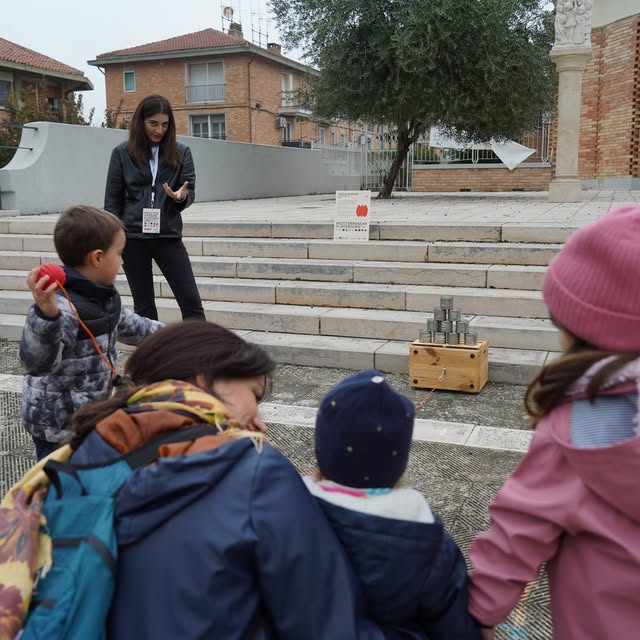
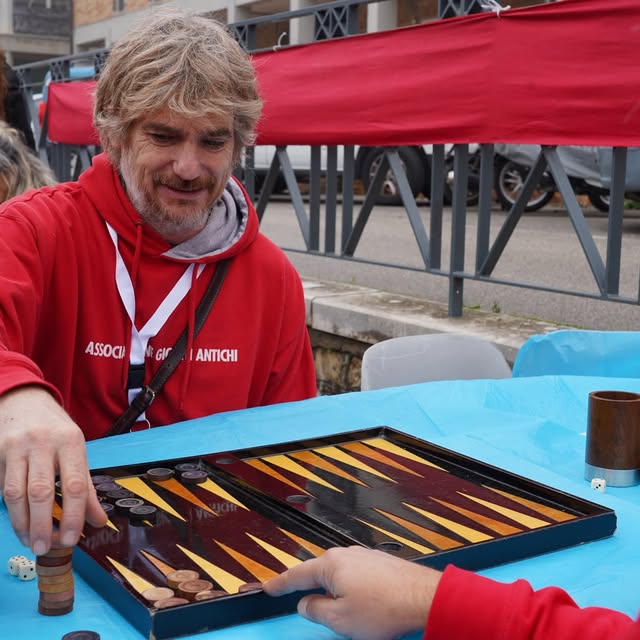
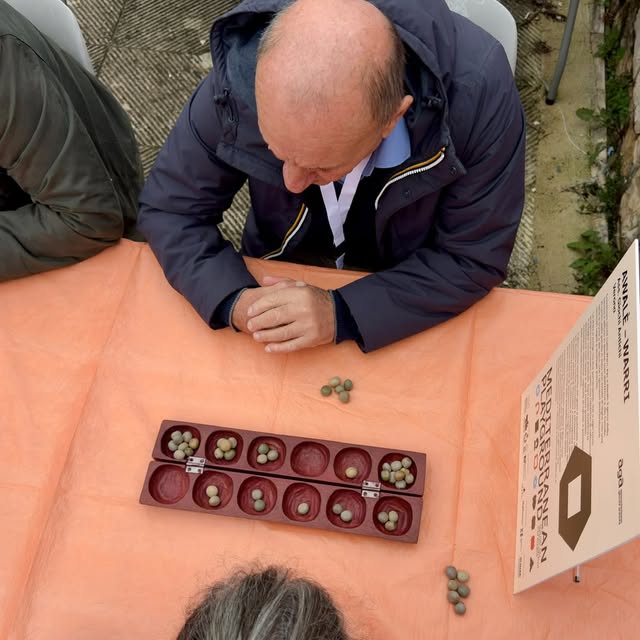
From 6 to 8 November, the square in front of the Church of San Pio X was transformed into a vibrant space for play and sharing, welcoming communities from different regions of Italy, Catalonia and Croatia. Through Mediterranean Playground – Festival of Traditional and Street Games, children, young people, families and adults had the opportunity to discover and experience traditional games passed down from generation to generation. From spinning tops and skittles to throwing games, skill-based challenges and games of the past, participants rediscovered the joy of playing together and sharing experiences.
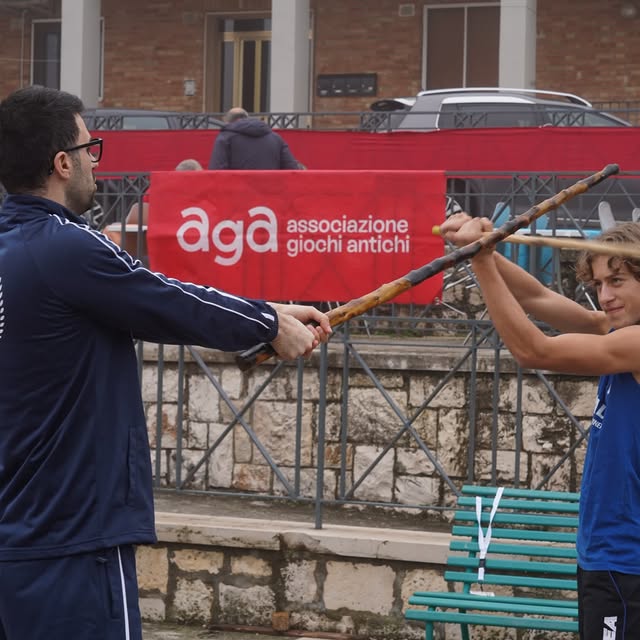
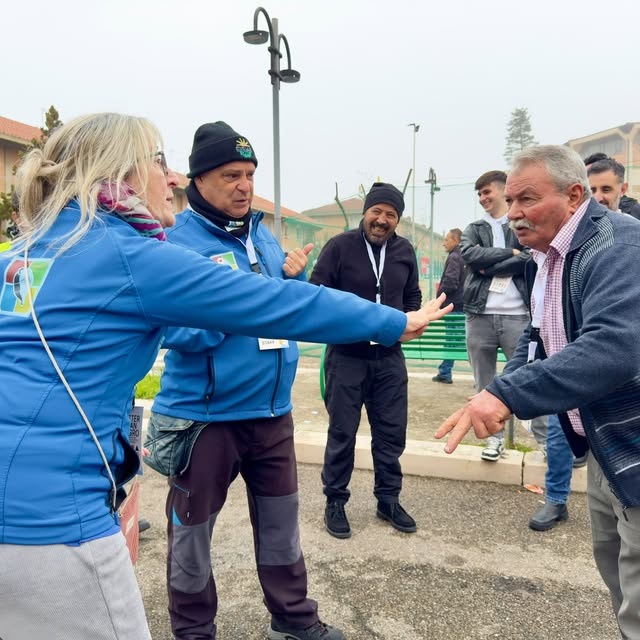
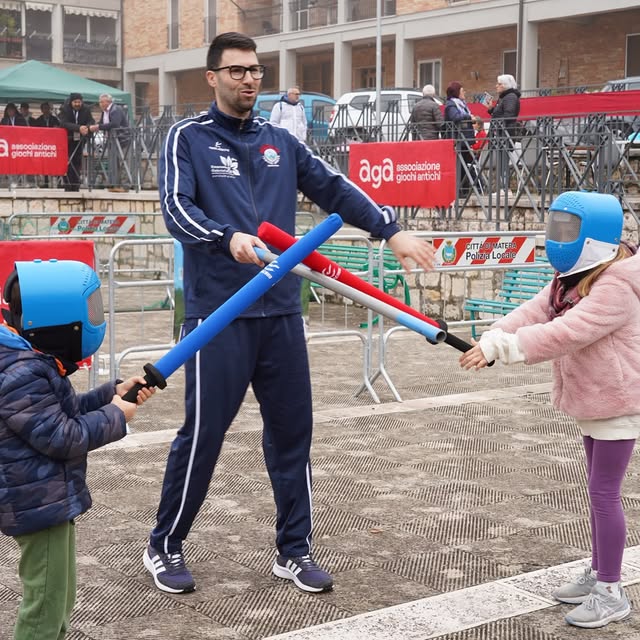
At the heart of the festival was the encounter between communities representing different traditions, who shared the rules, gestures, stories and fascinating details behind their games with the public. From morra, with its fast-paced challenges of fingers and shouted numbers, to traditional stick fighting from Manfredonia, from bbrigghja from Fossato Ionico to strummolo from Catania, and lippa presented by the Associazione Giochi Antichi, each activity offered a glimpse into the history and cultural identity of its community.
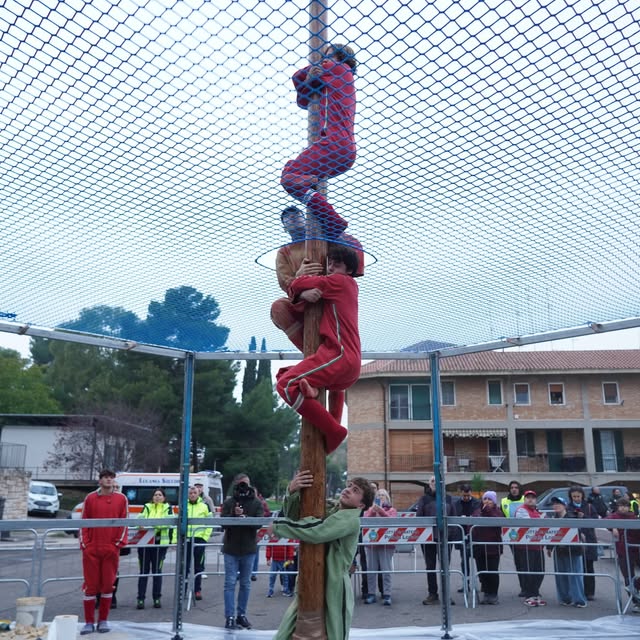
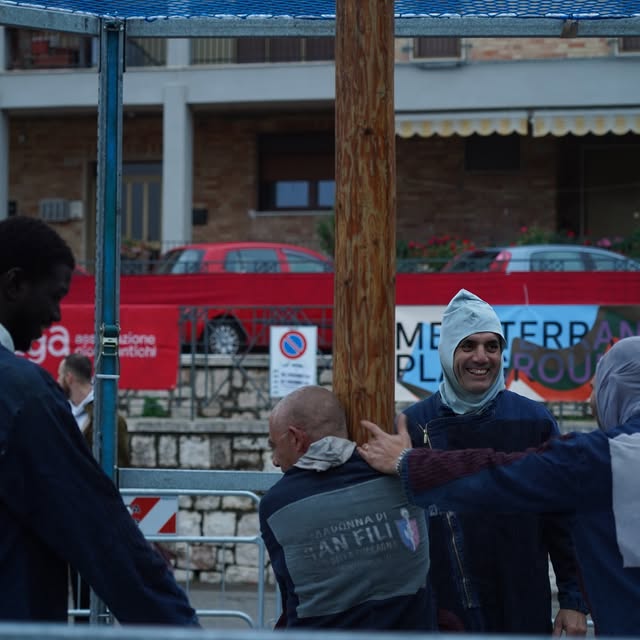
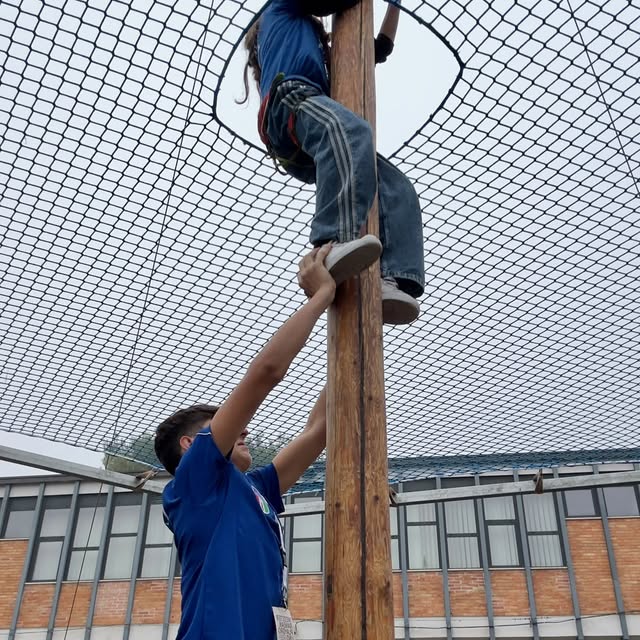
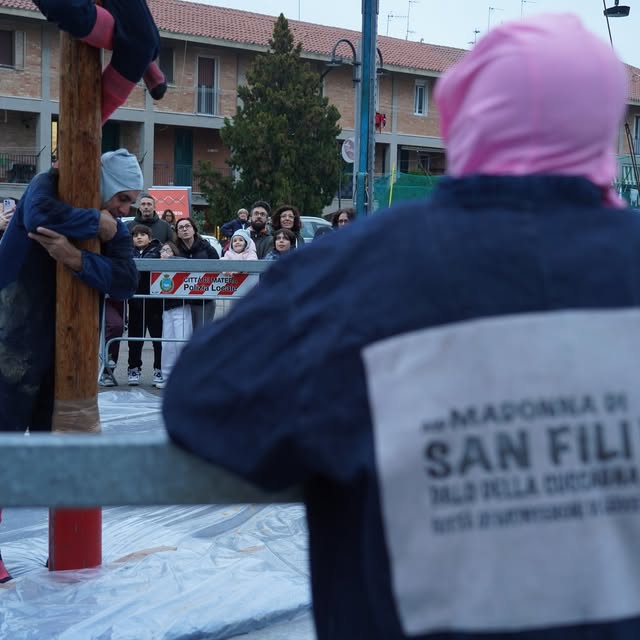
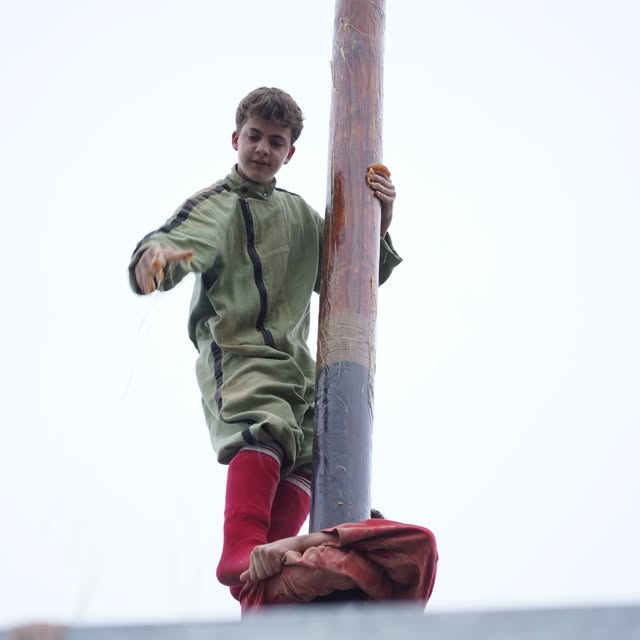
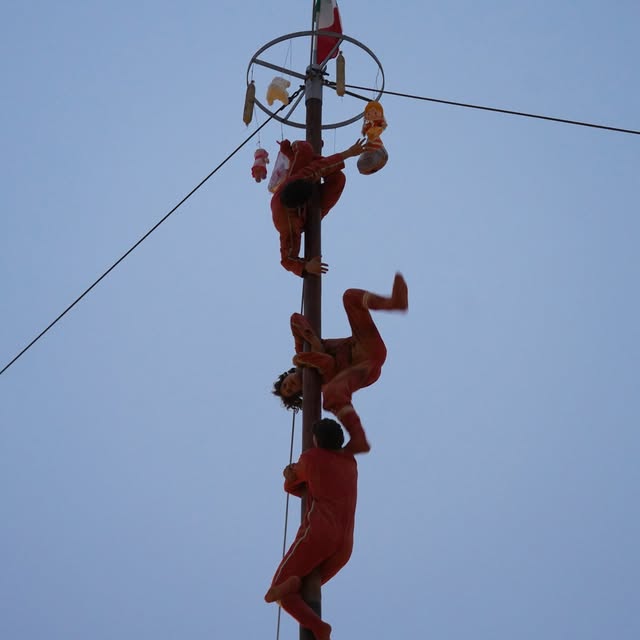
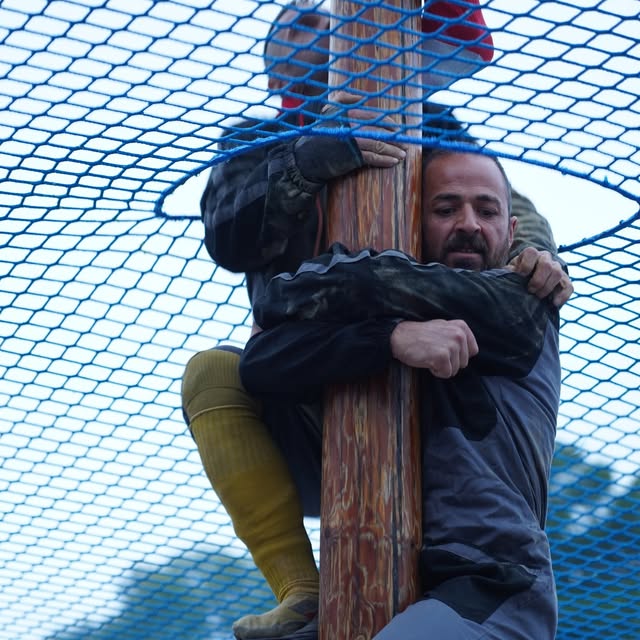
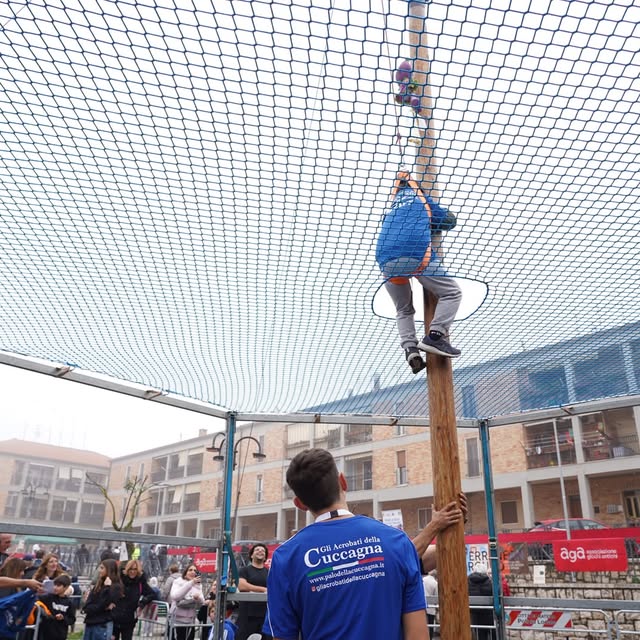
The international delegations made a particularly significant contribution, introducing pljočka, a traditional stone-throwing game from Croatian Istria, and llançament d’espardenya from Catalonia, engaging visitors in challenges and moments of cultural exchange. The festival also featured palo della cuccagna, the traditional greasy pole game, with groups from Monteroni di Lecce and Villa d’Almè.
Alongside the visiting communities, Matera brought its own traditions to the square thanks to the Giallo Sassi association, which revived popular games such as tre palle un soldo and the hoop game, evoking the atmosphere and everyday life of the historic Sassi neighbourhoods. The UISP Matera Committee engaged participants of all ages through playful activities and intergenerational games, while Lucamper by Zio Ludovico, a carousel powered without electricity, brought additional excitement to the festival’s closing day. Among the experiences on offer was also ChitChat Audio by Studio Antani, a device designed to turn public spaces into opportunities for dialogue.
Mediterranean Playground placed particular emphasis on younger generations, involving students from four local schools in activities introducing them to traditional games, with the opportunity to learn the rules and techniques directly from Italian and international gaming communities.
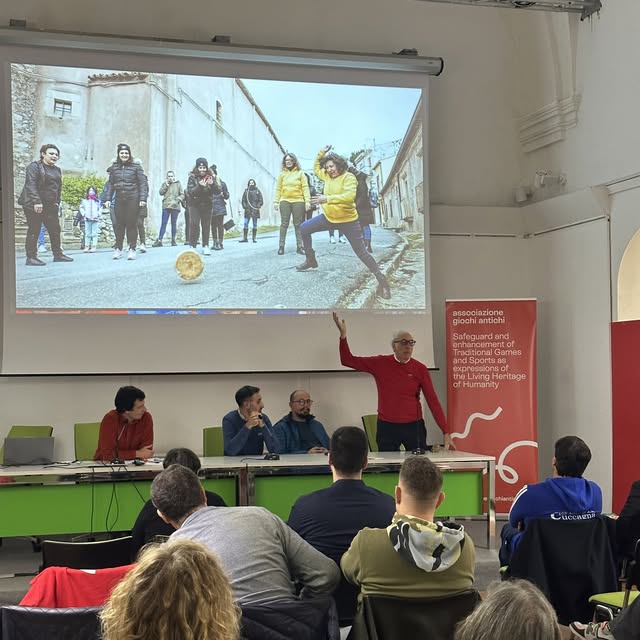
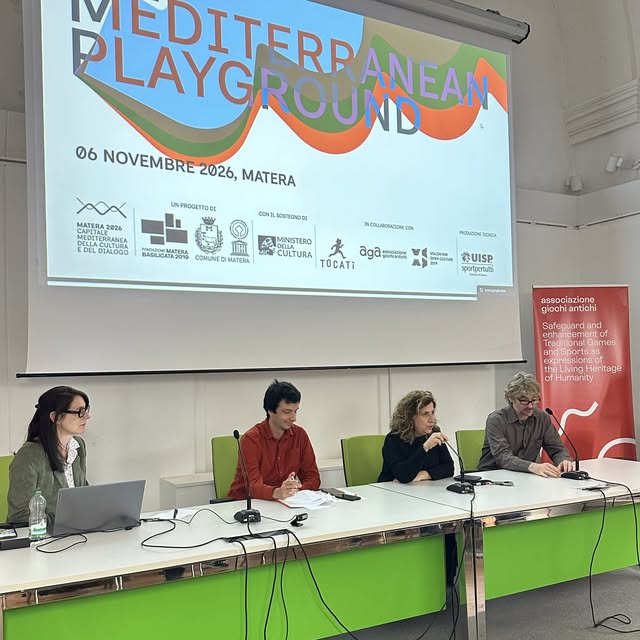
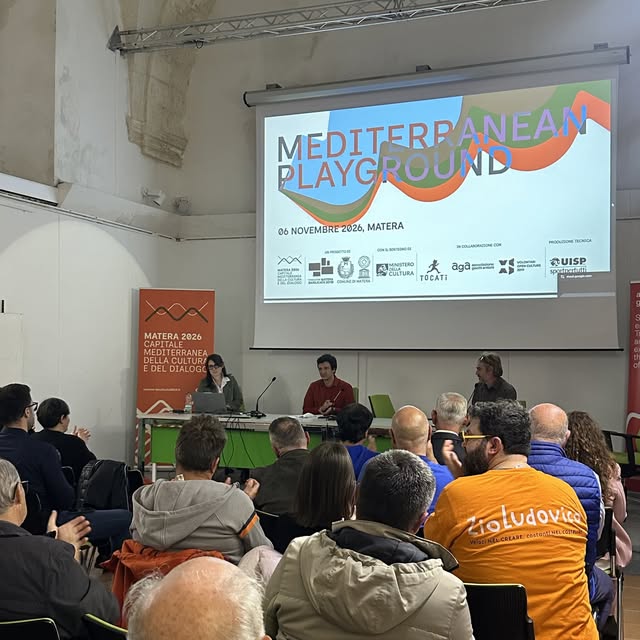
The festival also provided an opportunity to reflect on the cultural and social value of play. The Open Talk, “Transmission and Safeguarding of Traditional Games as Intangible Cultural Heritage”, held at the APT Basilicata Open Space, brought together representatives of gaming communities, scholars and experts to explore the role of these practices in preserving collective memory and building connections between different territories.
With scientific contributions from the University of Basilicata and the Central Institute for Intangible Heritage of the Italian Ministry of Culture, the discussion reaffirmed the importance of passing down knowledge and involving younger generations in safeguarding a cultural heritage that continues to thrive through community participation. This approach finds an important reference point in the experience of Tocatì, whose programme for safeguarding traditional games and sports is included in UNESCO’s Register of Good Safeguarding Practices for Intangible Cultural Heritage.
The festival was organised by Fondazione Matera Basilicata 2019 in collaboration with the Associazione Giochi Antichi (AGA) of Verona, organiser of Tocatì – International Festival of Street Games, and the Matera-based organisations Zio Ludovico, Giallo Sassi and the UISP Matera Committee.
Mediterranean Playground formed part of the programme of Matera 2026 Mediterranean Capital of Culture and Dialogue, a project promoted by the Municipality of Matera and Fondazione Matera Basilicata 2019, with the support of the Italian Ministry of Culture.
Tags


FOLLOW US