
06 October 2026
Matera 2026: a weekend of art, music and theatre
From contemporary art to comics and the words of Saint Francis resonating in the languages of the Mediterranean: the first weekend of October brought a new series of events to Matera as part of the Mediterranean Capital of Culture and Dialogue 2026 programme. Contemporary art and new technologies, artistic residencies, languages and voices from different shores of the Mediterranean animated Matera from 1 to 4 October, as part of the Matera Mediterranean Capital of Culture and Dialogue 2026 programme.
The Sea Is Closer Than You See
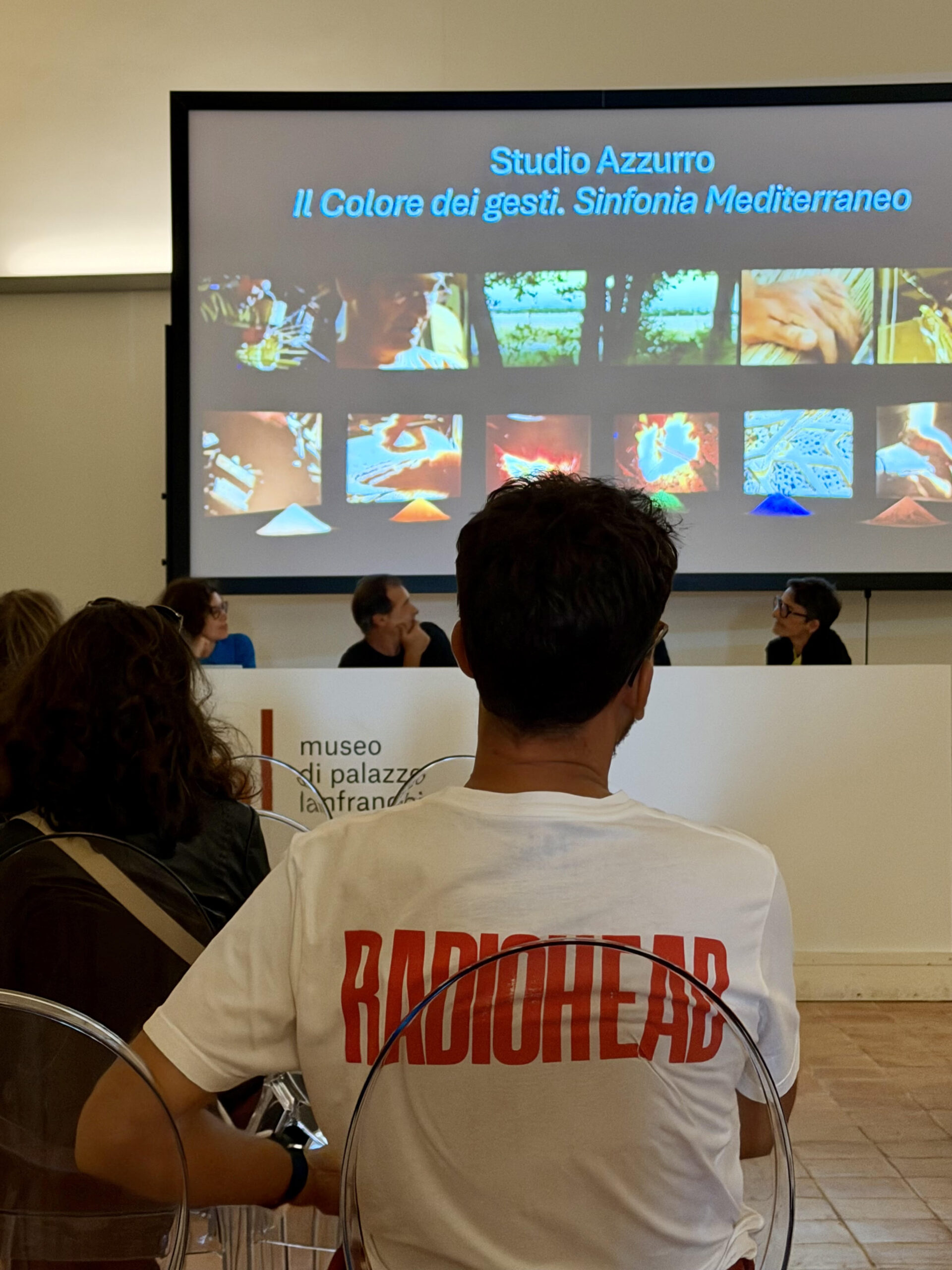
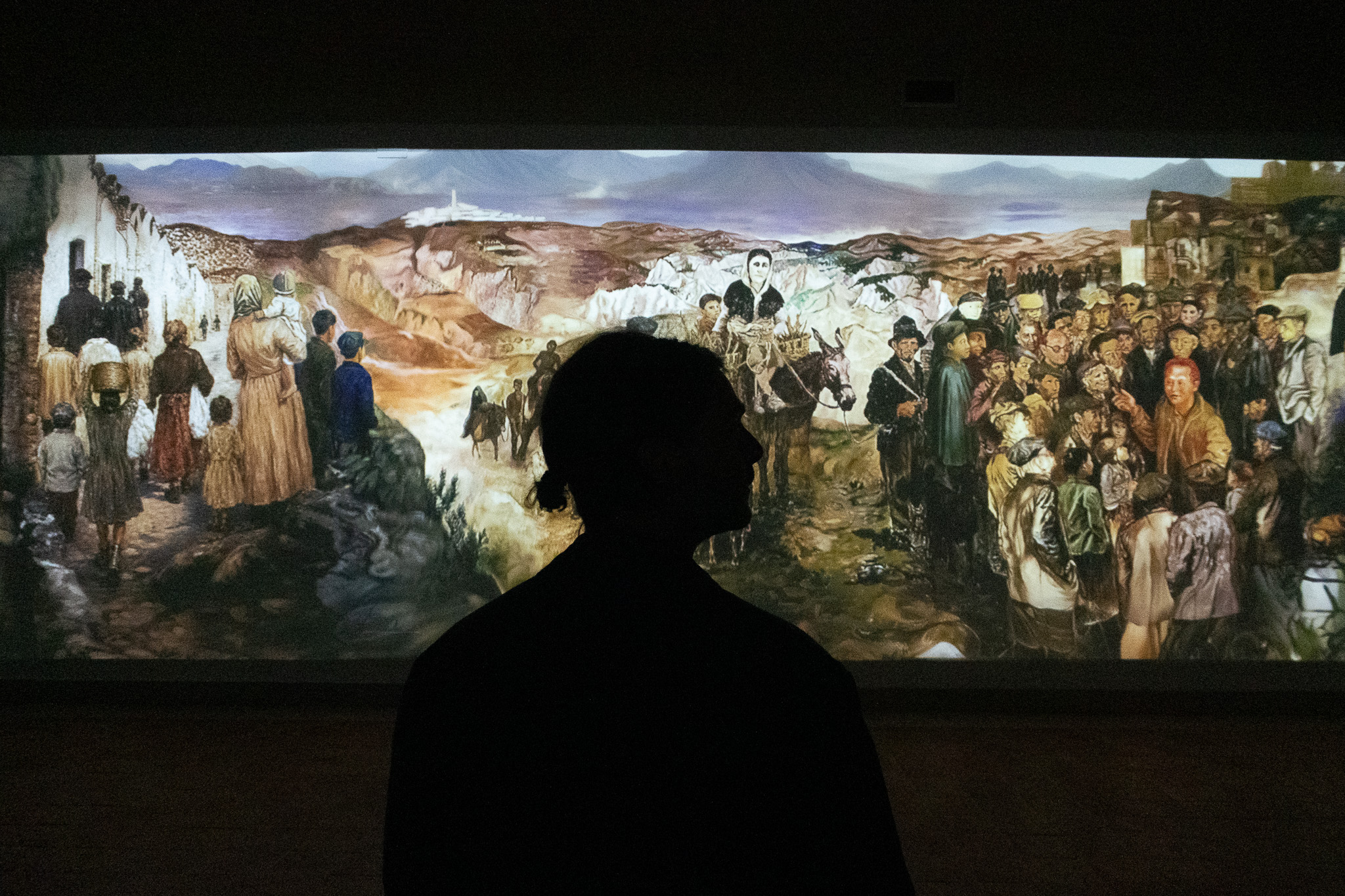
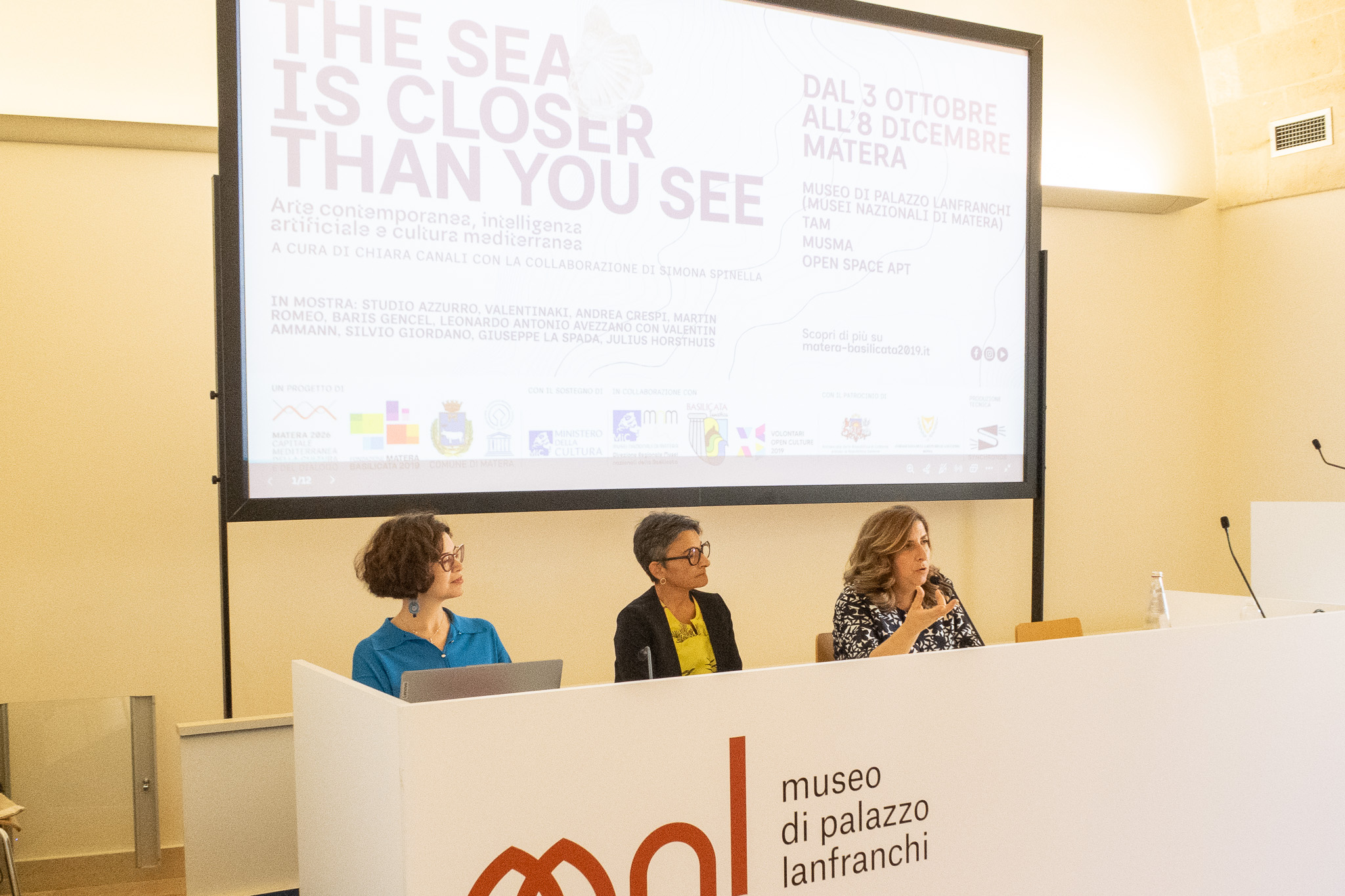
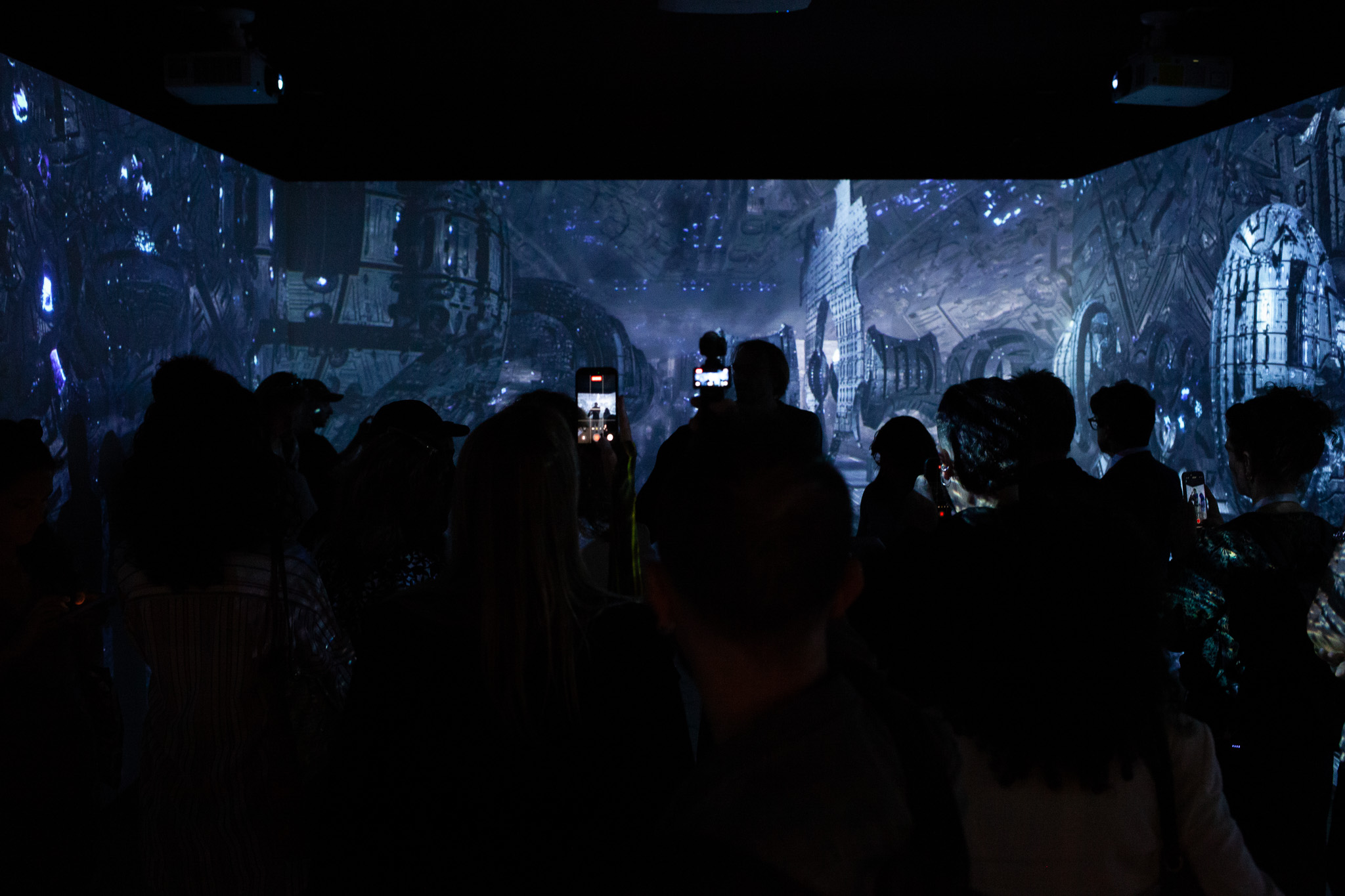
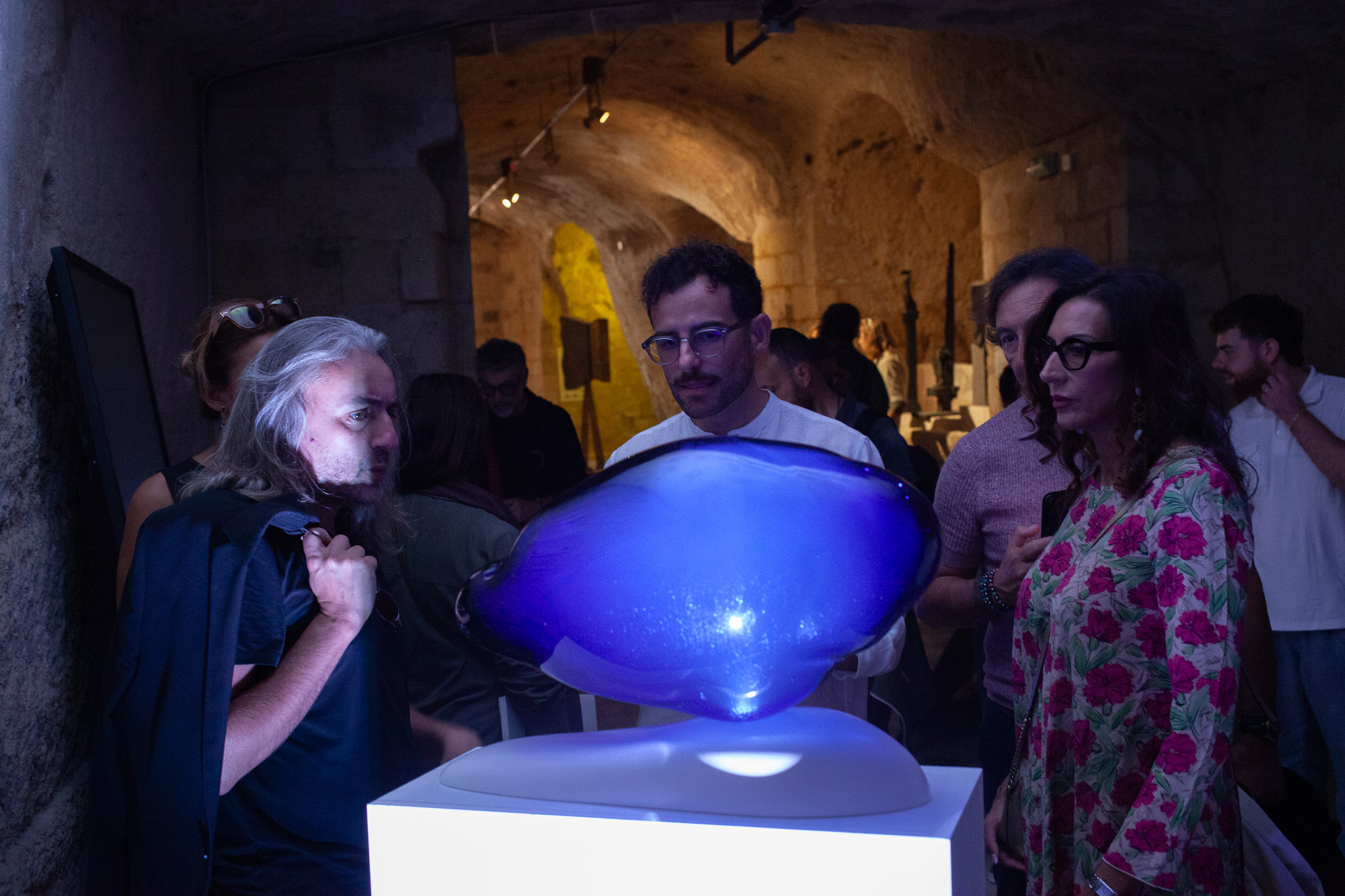
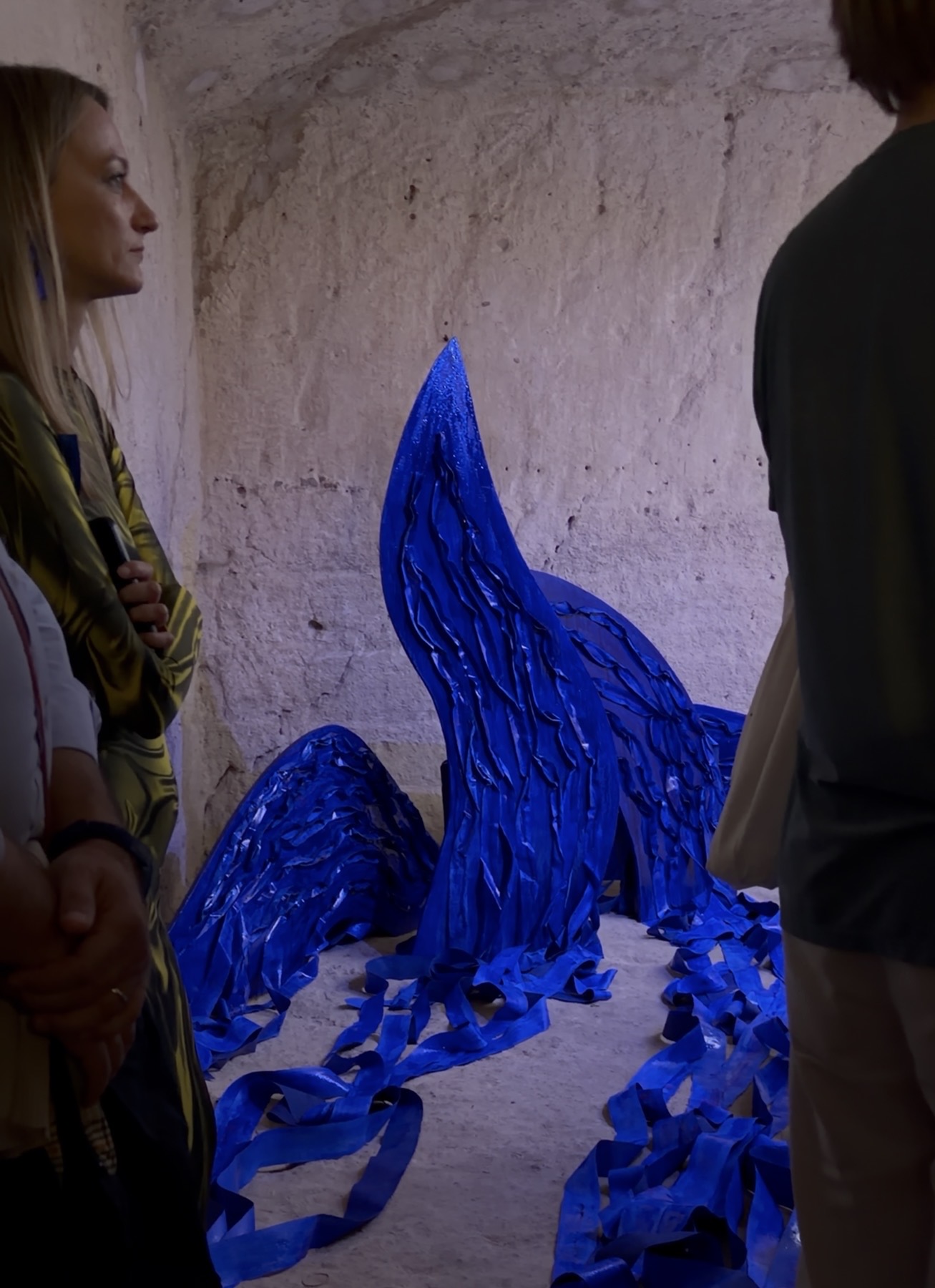
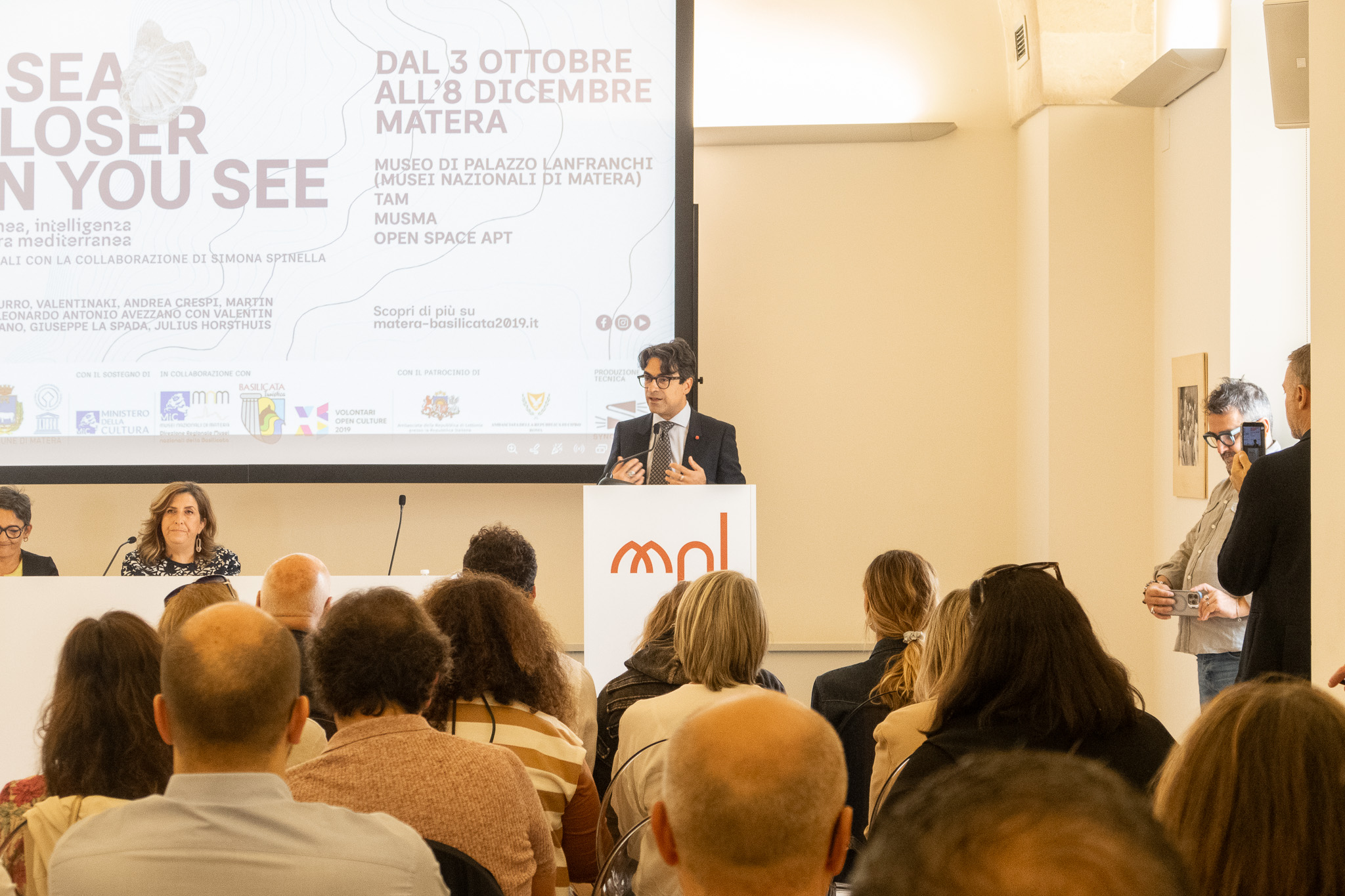
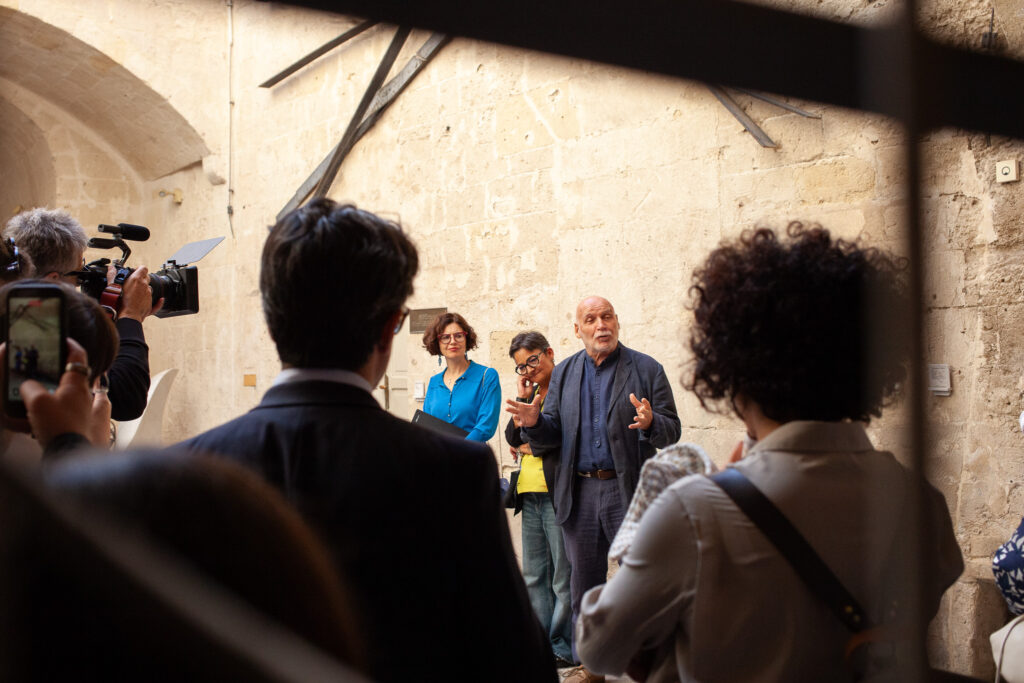
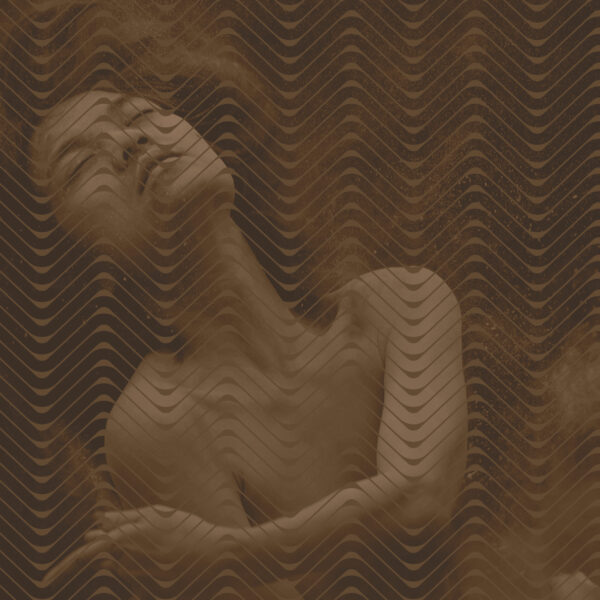
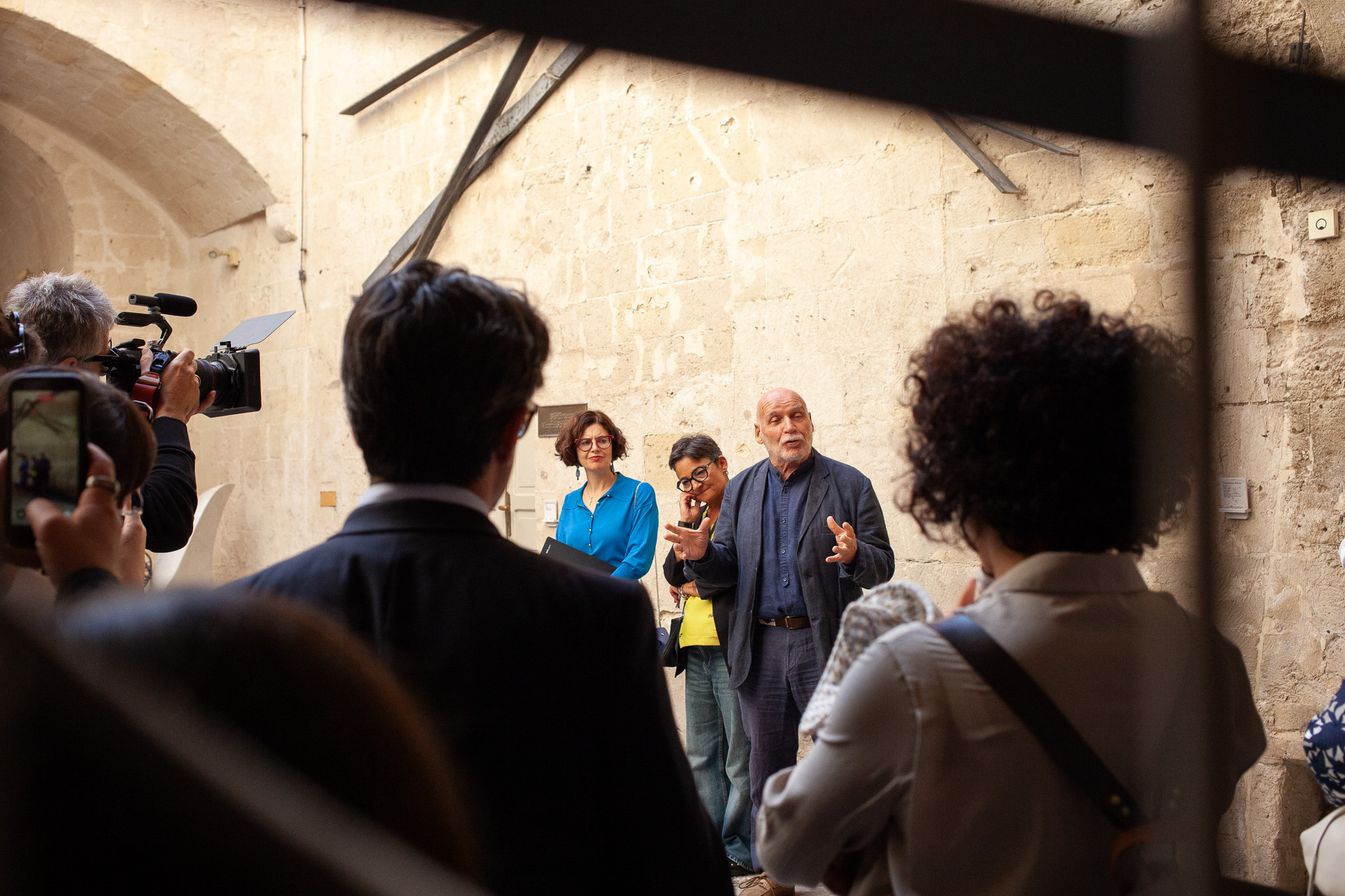
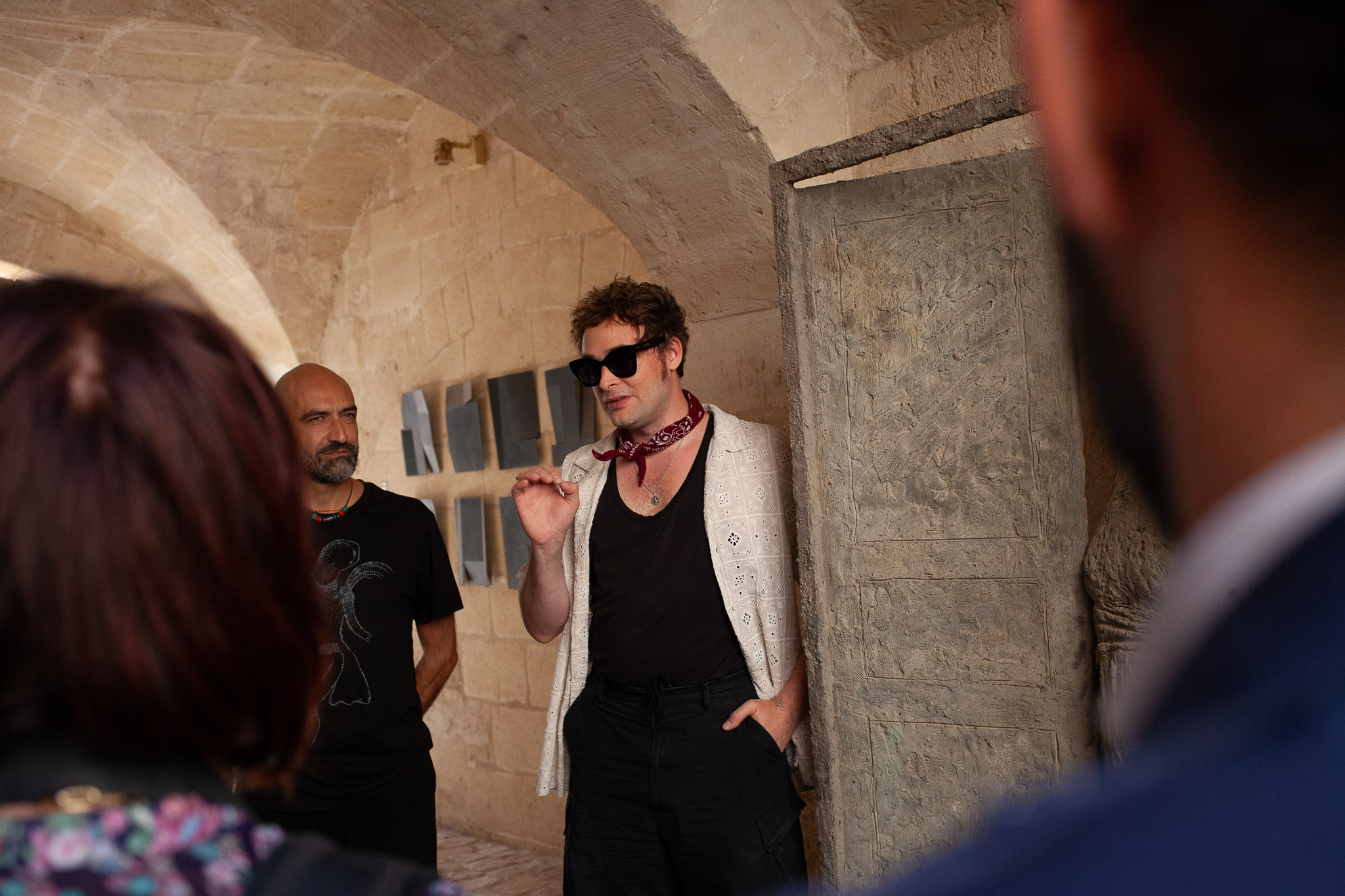
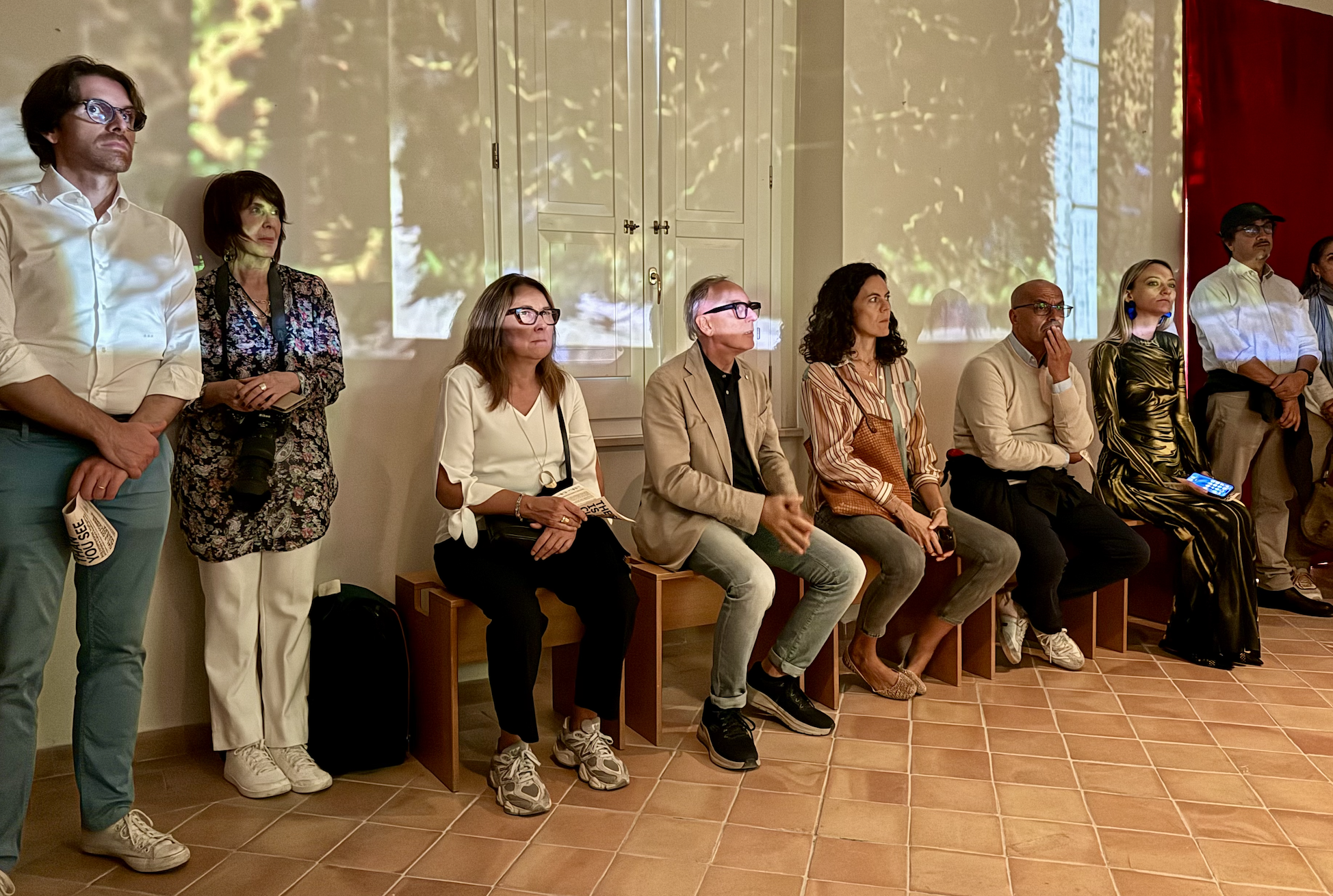
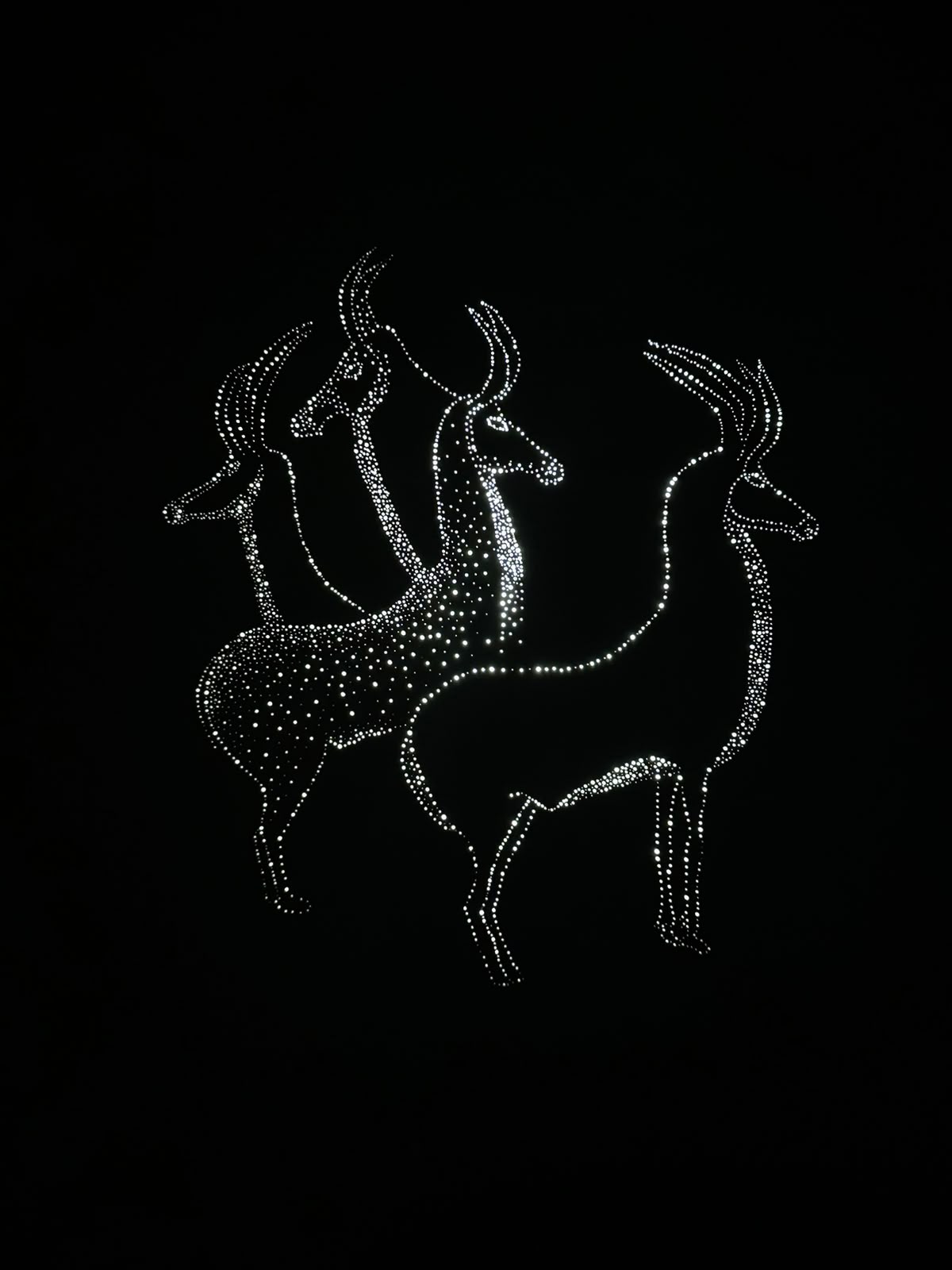
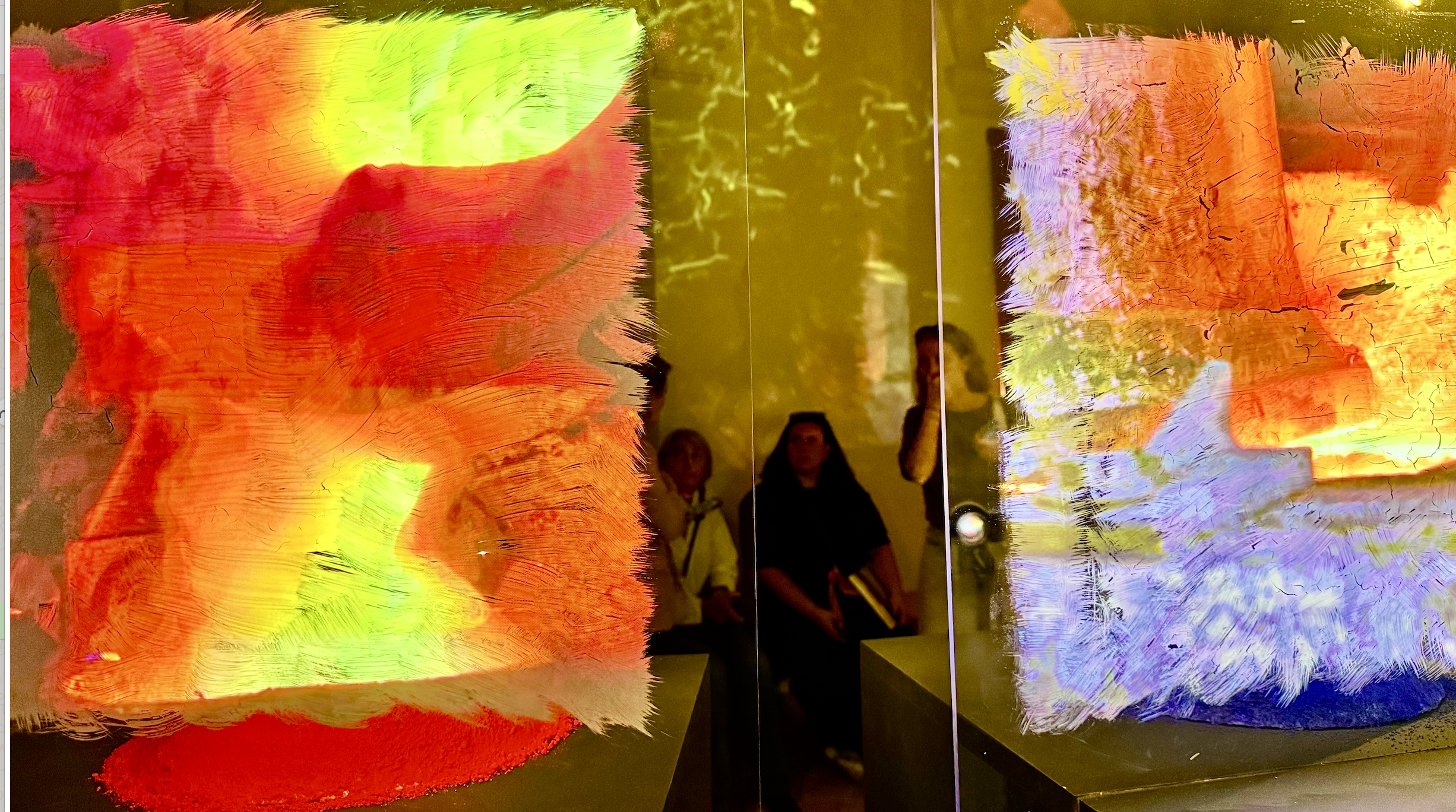
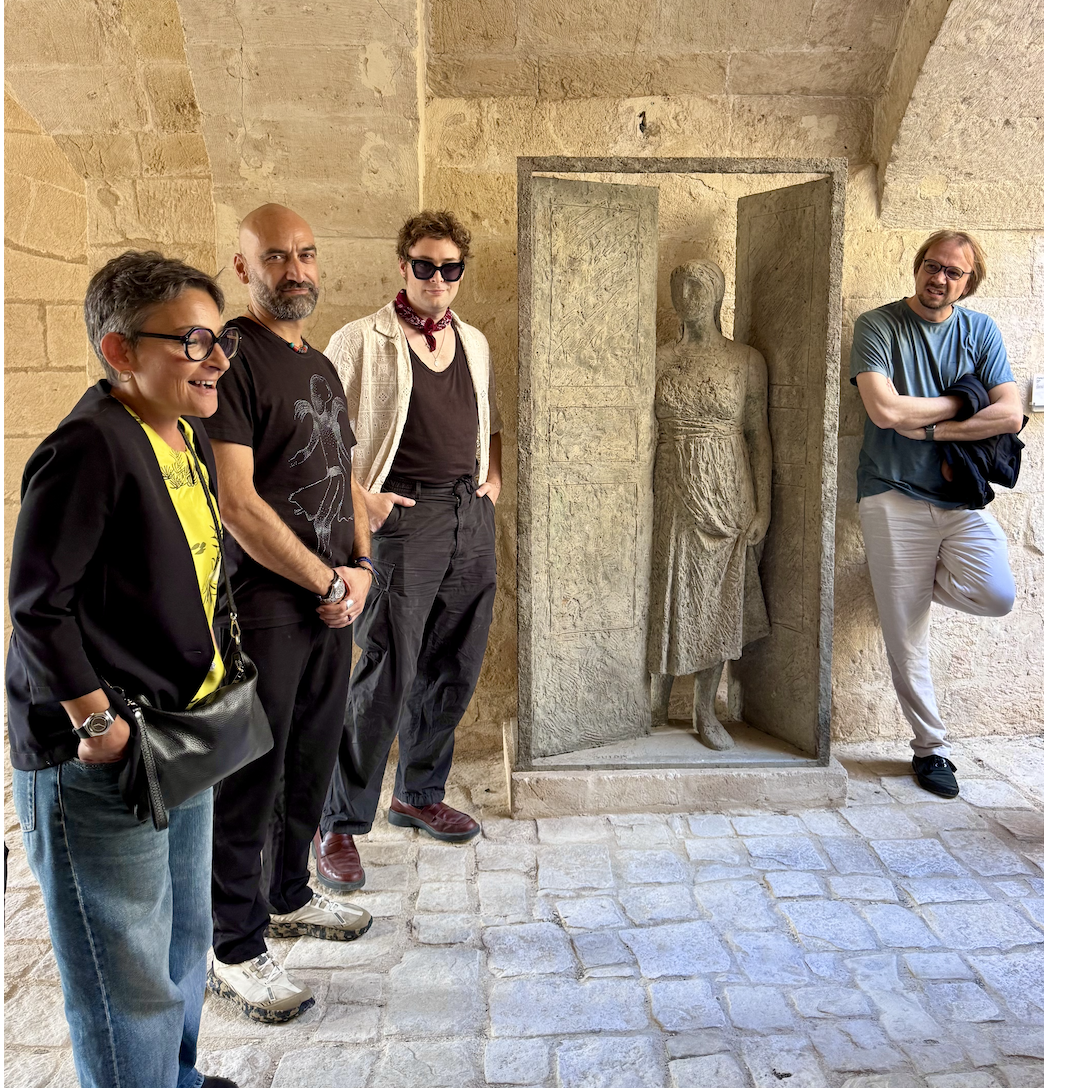
On Saturday, 3 October, THE SEA IS CLOSER THAN YOU SEE opened to the public: a city-wide group exhibition exploring the relationship between contemporary art, digital technologies, artificial intelligence and Mediterranean culture. Curated by Chiara Canali with the collaboration of Simona Spinella, the opening itinerary unfolded across four venues in the city – Palazzo Lanfranchi, TAM – Tower Art Museum, MUSMA and APT Basilicata Open Space – guiding visitors and journalists through works by Studio Azzurro, Andrea Crespi, Martin Romeo, Valentinaki, Leonardo Antonio Avezzano with Valentin Ammann, Baris Gencel, Giuseppe La Spada, Silvio Giordano and Julius Horsthuis. Video installations, photography, holography, sound installations, generative art, artificial intelligence, computer vision and immersive environments came together to tell the story of the Mediterranean through different languages and practices, starting from one question: how far can the sea be from a place that belongs so deeply to the Mediterranean?
The opening day concluded at Palazzo Lanfranchi with the talk “The Sea as a Medium: Art, Technology and Mediterranean Imaginaries”, which brought together artists and guests to discuss new Mediterranean imaginaries and the role of art and technology in shaping them. THE SEA IS CLOSER THAN YOU SEE, promoted by Fondazione Matera Basilicata 2019 and the Municipality of Matera with the support of the Italian Ministry of Culture, will remain open until 8 December 2026.
Mediterranean Sounds: Matera and Tétouan united by music and dialogue
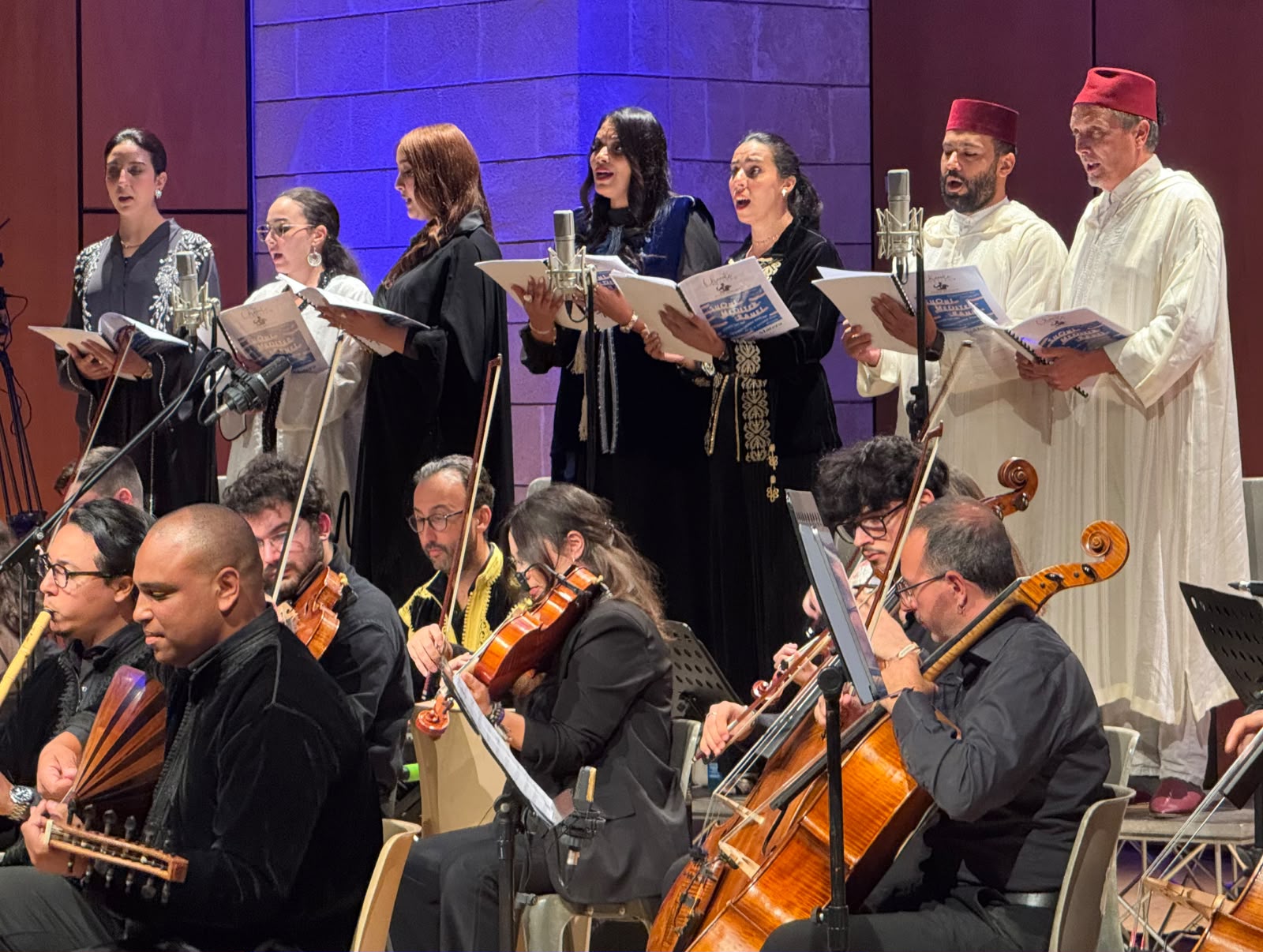
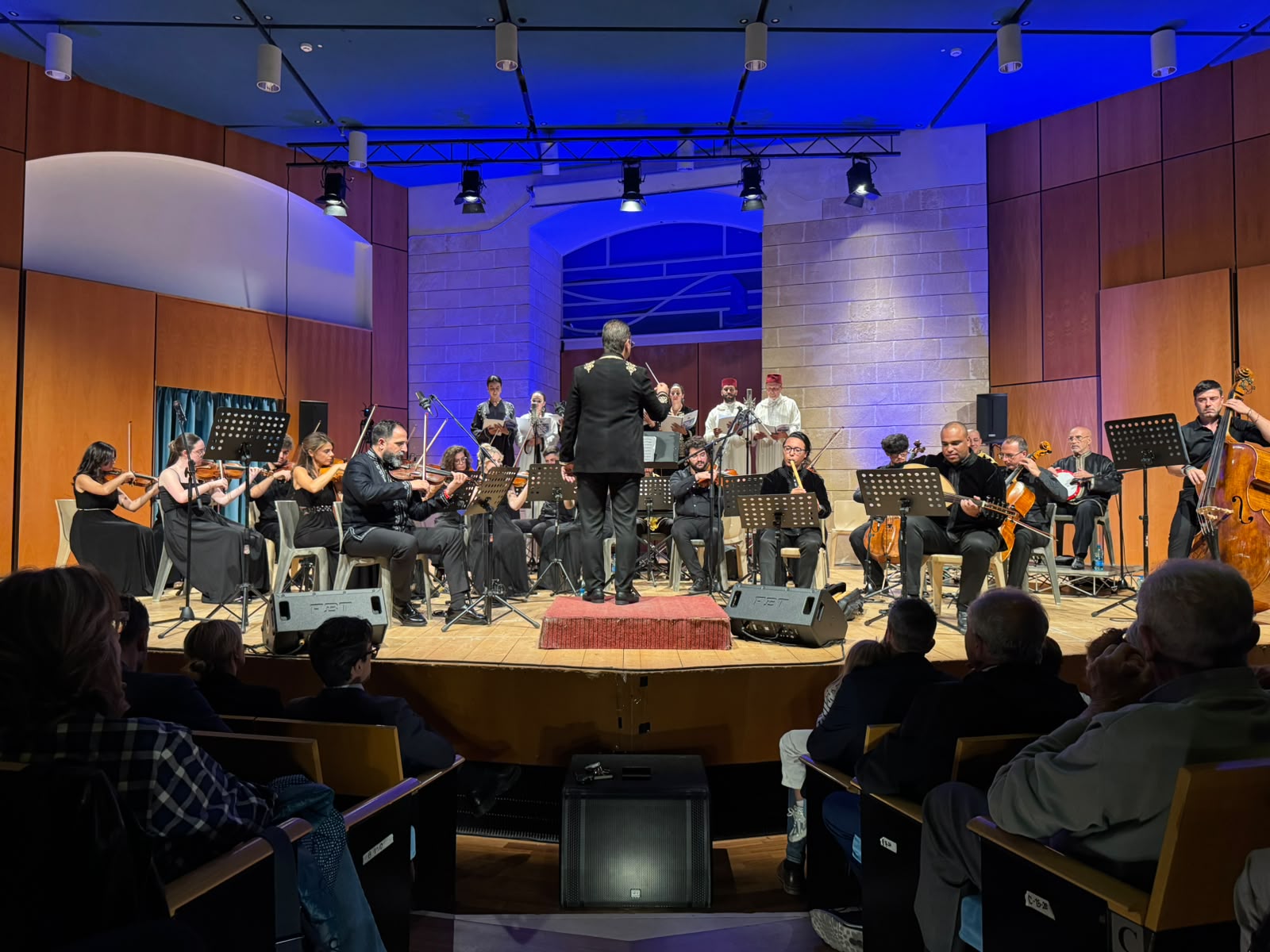
The journey of Mediterranean Sounds between Tétouan and Matera concluded on 2 October at the R. Gervasio Auditorium with a concert that brought together the strings of the Italian musical tradition and the Arab-Andalusian sounds of the oud, nay, percussion and voices. On stage, the Ensemble Chorale Assalam and MATÈ e Solisti Lucani, conducted by Samir Bahajin, showed how the universal language of music can foster relationships and build bridges between the two shores of the Mediterranean. Mediterranean Sounds was organised by the Italian Cultural Institute in Rabat, the Embassy of Italy in Rabat and CIDIM – Italian National Music Committee, with the support of the Ministry of Culture, the Municipality of Matera and the Matera Basilicata 2019 Foundation.
The artistic residency programme
The weekend also offered a new opportunity to meet the artists taking part in Terre Immerse – Euro-Mediterranean Creative Communities, an artistic residency programme involving ten local organisations and international artists from countries across the Euro-Mediterranean region.
Starting on Thursday, 1 October, with an event at Cinema “Il Piccolo” in Matera, Ombre Meridiane and Momart APS presented the artistic residencies In-Land (featuring Spanish filmmaker and anthropologist Michele Puddu Roca) and Attraversamenti (featuring Driant Zeneli, an Albanian visual artist and filmmaker). During the event, dedicated to cinema and visual art, the artists discussed their creative journeys and their research in dialogue with the local area, also screening some of their previous works and opening up a conversation with the audience.
On Sunday, 4 October, the work of Karen Keyrouz, a Lebanese comic artist taking part in the residency Med Comics: des explorations artistiques au-delà de la page, curated by Strane Nuvole, was presented at the Biblioteca del Fumetto. The event was part of a wider programme of open studios, community encounters and public presentations through which the residencies are creating new opportunities for exchange between the artists and Matera.
The Canticle of the Creatures in the languages of the Mediterranean
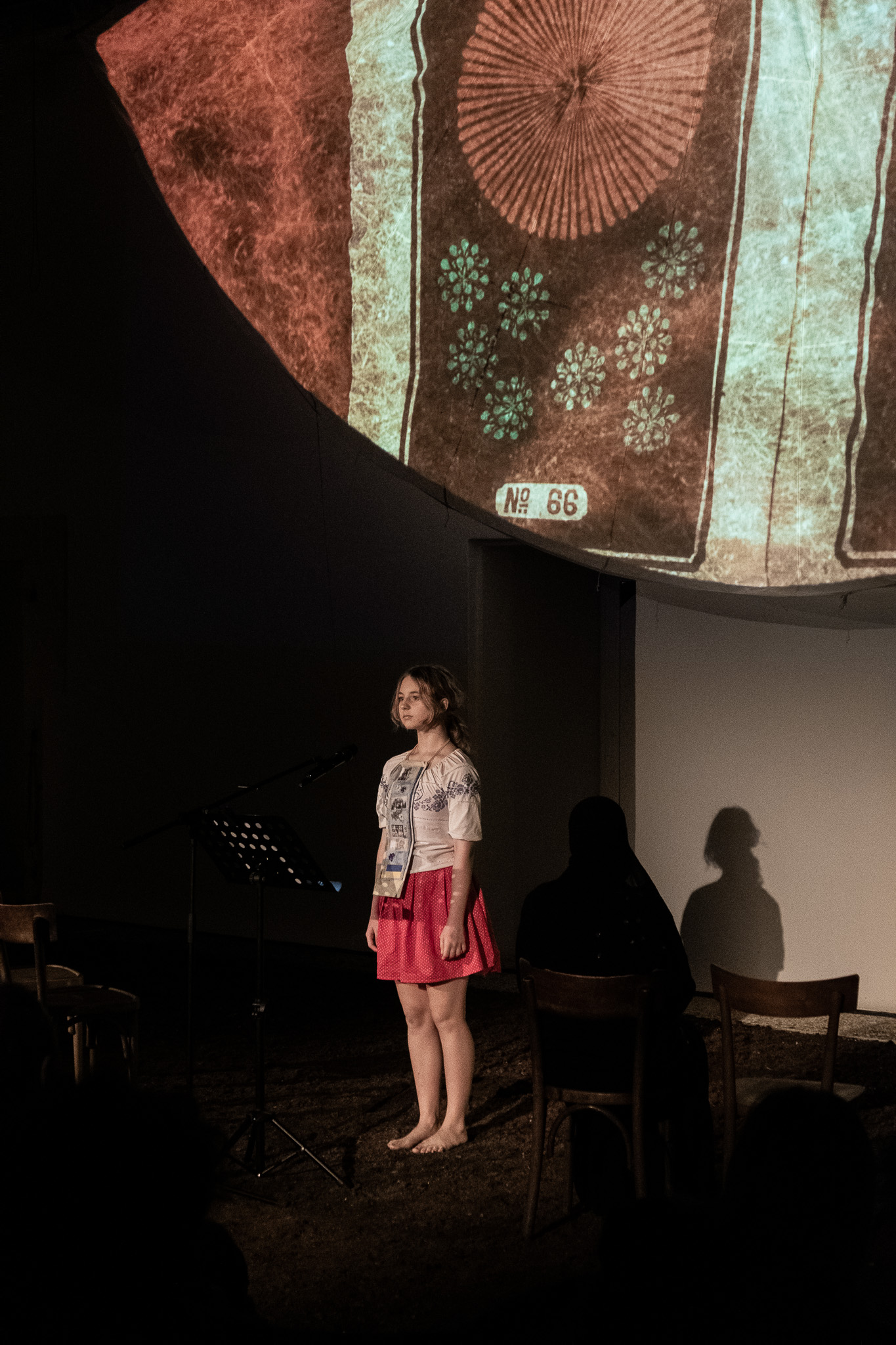
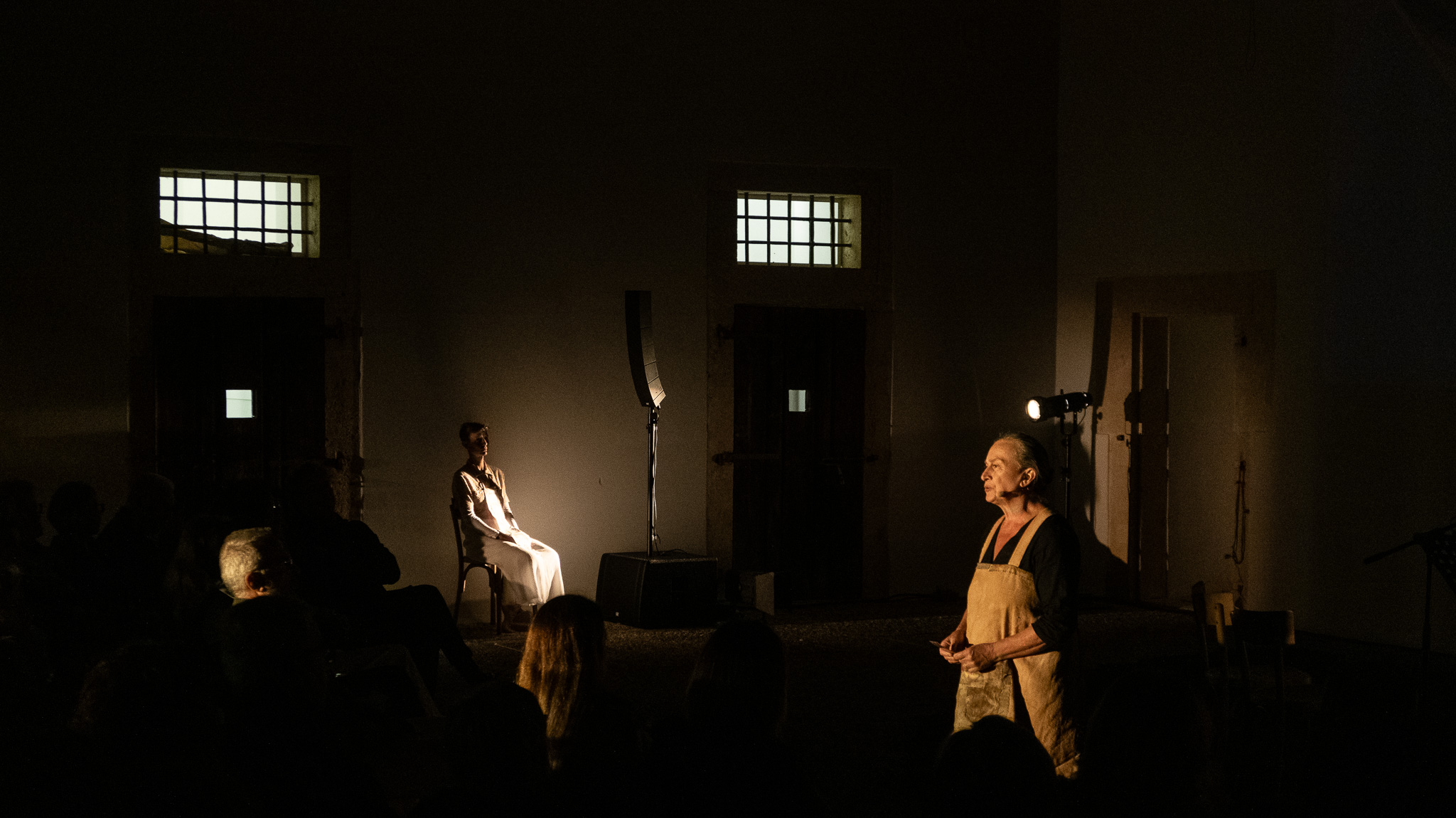
The weekend concluded on Sunday, 4 October, with “The Canticle of the Creatures, a Multilingual Oratorio for Spiritual Resistance”, presented in two performances in the courtyard of the former San Rocco Hospital, home to the National Museums of Matera. Eight hundred years after the death of Saint Francis of Assisi, the words of the Canticle resonated in the languages of the Euro-Mediterranean region, becoming a choral reading performed by professional actors and local residents, with both live and recorded voices.
Francis composed the Canticle in the Umbrian vernacular, the language spoken by his people, so that his words could reach everyone. In Matera, that universal vocation found new voices, with the original text interwoven with other languages, using linguistic plurality to convey a message of dialogue, encounter and peace that remains profoundly relevant today.
In the courtyard of the former San Rocco Hospital, a parachute caught on the balcony railing opened above a circle of peat, becoming the screen for Diego Maragno’s video installation, accompanied by original music by Francesca Ferri and a scenic installation by Bruno Soriato. The performance opened with a prologue by actress Luciana Paolicelli and featured readers Narjes Zakaria Ahmad Al Asaad, Jolante Scogoleva, Anna Verozub and Marketa Senkyrik, together with the students of Storia naturale infinita.
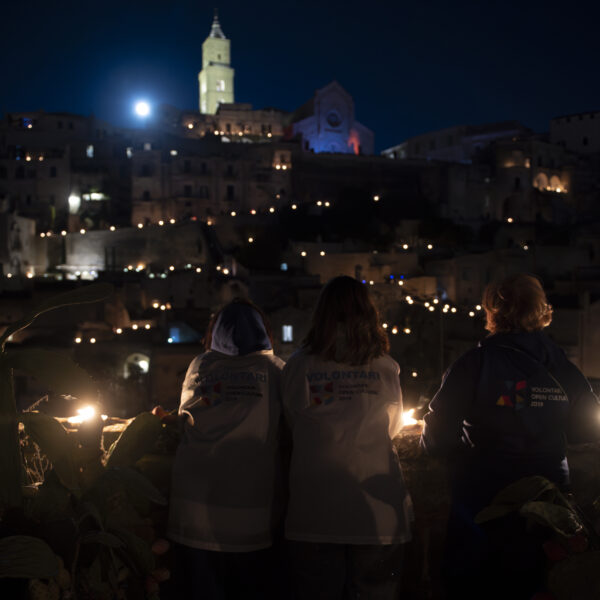
Conceived by Fondazione Matera Basilicata 2019, the performance was produced by Associazione Teatro dei Sassi APS, with dramaturgy and direction by Massimo Lanzetta, and received the patronage of the National Committee for the Celebration of the Eighth Centenary of the Death of Saint Francis of Assisi. Supported by the Italian Ministry of Culture, the event was held in collaboration with the National Museums of Matera – Regional Directorate of National Museums of Basilicata. The volunteers of Associazione Open Culture 2019 ODV also made a valuable contribution to the evening, assisting with audience reception and welcoming visitors.
ALF Policy Debate “Science for Society, Society for Science: Fostering Intercultural Cooperation in Euro-Med Research”
Artificial Intelligence and Mediterranean knowledge: the public event held at Le Monacelle on 1 October concluded the two-day policy debate promoted by the Anna Lindh Foundation. Academics, research centres, civil society representatives and policymakers from across the Euro-Mediterranean region discussed the role of intercultural dialogue in scientific cooperation, addressing issues such as research ethics and integrity, open science, and the relationship between research and society. The final working groups translated the key issues that emerged from the discussions into policy recommendations within the framework of the Pact for the Mediterranean. The closing seminar focused on generative artificial intelligence and autonomy in knowledge production, exploring the representation of Mediterranean languages, histories and research in the data used by AI systems, as well as the region’s dependence on external computing infrastructure. The discussion also explored possible ways forward, including the development of regional data collections and shared computing capacity. The event was opened by Josep Ferré, Executive Director of the Anna Lindh Foundation, with welcoming remarks by Rita Orlando, Director General of the Matera Basilicata 2019 Foundation, and moderated by Federico Bomba, Artistic Director of Sineglossa and researcher in human-machine interaction. Speakers included Sari Hanafi from the American University of Beirut, Yousef Torman from ASREN, Dorte Riemenschneider from the European Citizen Science Association, Emily Choynowski from Knowledge E and the Forum for Open Research in MENA, and creative director and filmmaker Valerio Calabrese.
Other exhibitions to visit
The cultural programme continues over the coming weeks with several exhibitions already underway across the city. In addition to THE SEA IS CLOSER THAN YOU SEE, open until 8 December, Palazzo Lanfranchi is hosting “Mimmo Jodice. Mediterraneo” until 8 November, featuring 83 photographic works by one of the great masters of contemporary photography.
Until 28 November, the Rock Churches Complex of Madonna delle Virtù and San Nicola dei Greci is also hosting “Love Difference – Mar Mediterraneo” by Michelangelo Pistoletto, a symbolic work celebrating encounters between peoples and cultures. At the former San Rocco Hospital, inside the Church of Cristo Flagellato, visitors can also experience Tomás Saraceno’s permanent installation “Life(s) of Webs, arachnophobias, arachnophilias, and other stories”.
The Matera Mediterranean Capital of Culture and Dialogue 2026 calendar continues with new events, encounters and public presentations from the artistic residencies, continuing to make the city a space for exchange and creation between the different shores of the Mediterranean.
Tags


FOLLOW US